In real rooms
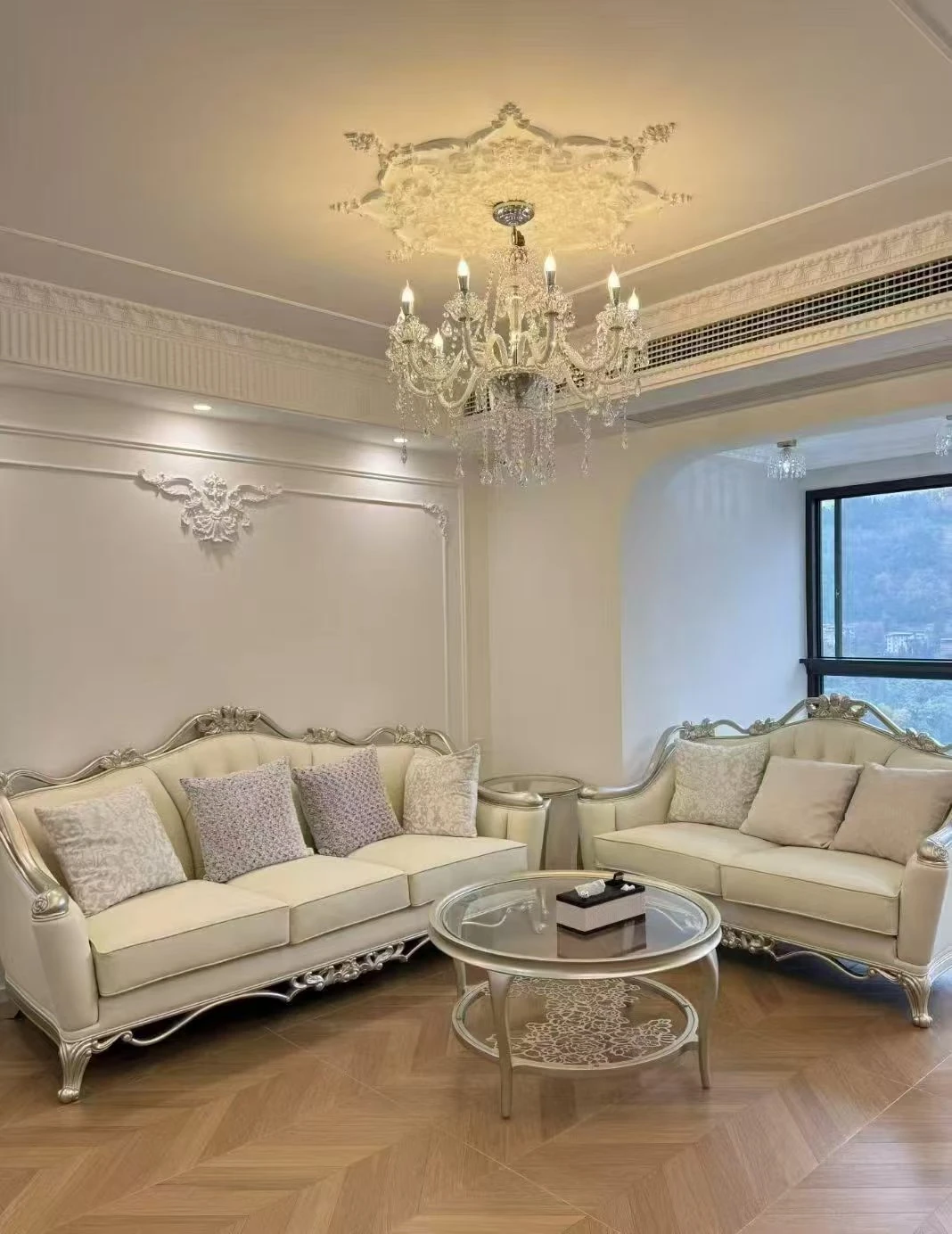
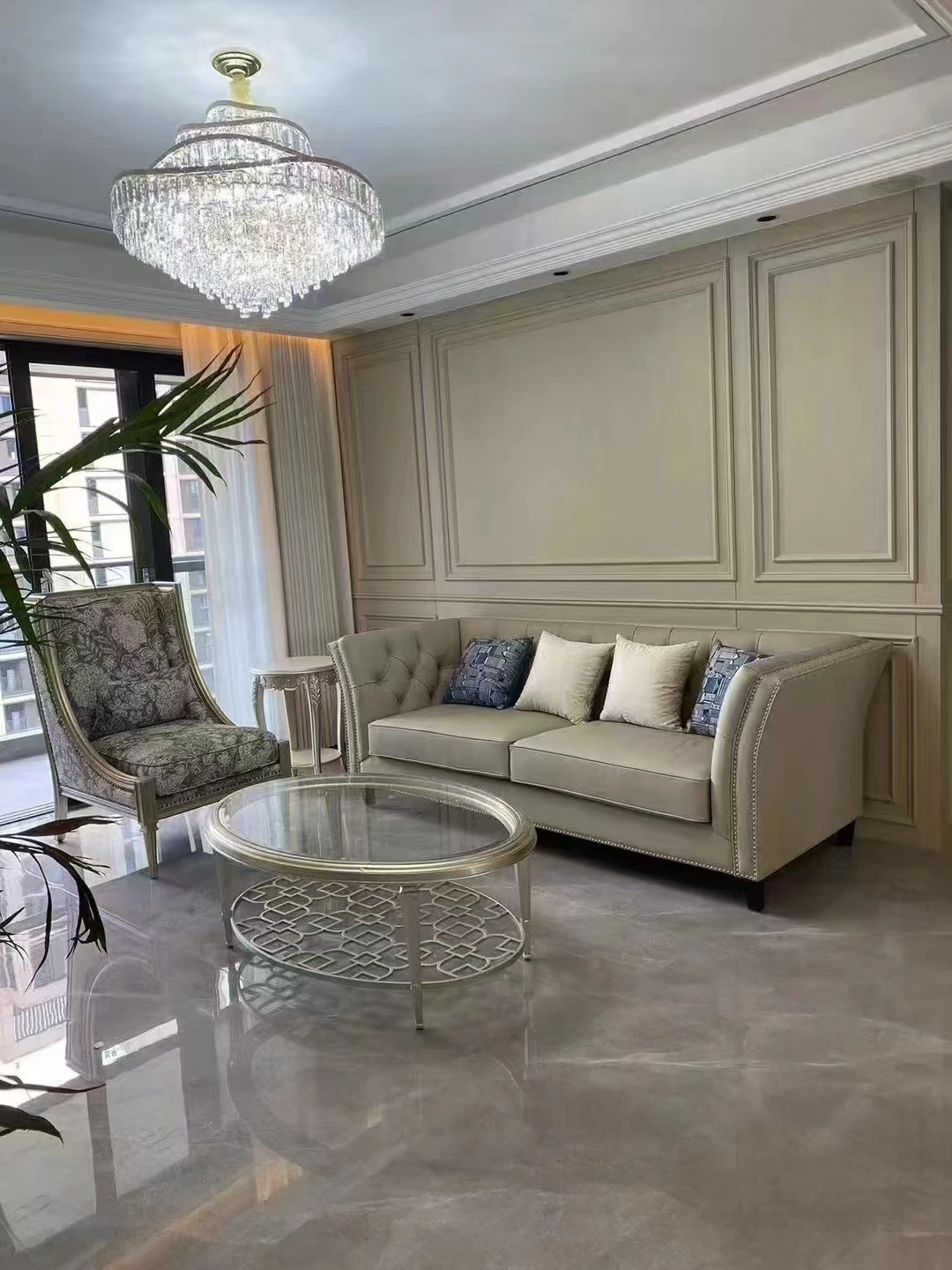
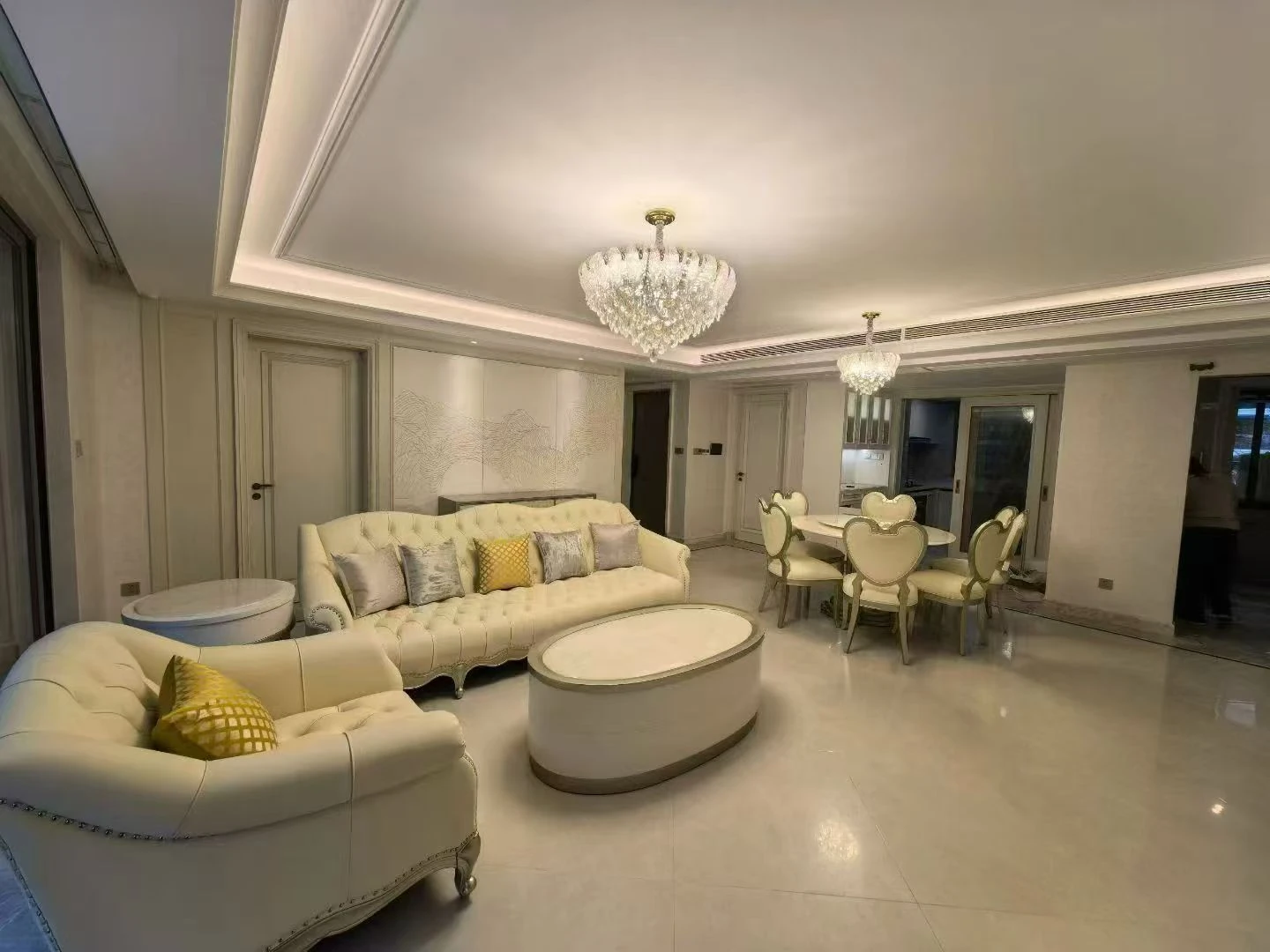
Singapore Wood Finish Resource
From raw timber to showroom brilliance — discover every step of the finishing journey.
Whether you're refurbishing a Peranakan shophouse piece or specifying finishes for a new HDB living room, these articles guide you from confusion to confidence.
20
Guide Articles
10
Finish Types Covered
SG
Local Expertise
A homeowner in Bishan discovers their oak coffee table absorbs stain unevenly. Learn why grain direction, moisture content, and initial surface assessment dictate every finishing decision that follows.
Read Full Guide →Busy parents in Queenstown need durability without compromising warmth. Compare oil, varnish, wax, and lacquer options side by side — with real trade-offs for Singapore's tropical climate.
Read Full Guide →A first-time restorer in Jurong sands by hand and ends up with visible swirl marks. Understand grit progression, orbital vs. random-orbit sanders, and how to read the grain before you make a mistake.
Read Full Guide →An antique dealer in Bukit Timah finds nail holes and fractures on a 1970s teak cabinet. Discover epoxy vs. cellulose fillers, colour-matching strategies, and when filler actually weakens the repair.
Read Full Guide →A furniture maker in Woodlands applies dark walnut stain to an oak dining set — only to see blotchy patches after two hours. Learn about pre-conditioners, test swatches, and why the wood species matters more than the colour name.
Before buying furniture, measure your room’s natural light exposure and humidity levels—both vary significantly across Singapore’s tropical climate, Malaysia’s coastal humidity, Japan’s seasonal shifts, Korea’s dry winters, and Thailand’s monsoon conditions. Ask sellers about the finish type: oil-based, water-based, or wax. Compare sheen levels under your own lighting. Check whether the finish is VOC-compliant for indoor air quality. Ensure the wood species suits your climate—teak and merbau handle moisture better than oak. Ask about maintenance: some finishes require annual re-oiling, while others are wipe-clean only. Get samples home first and test them with water and cloth before committing.
In humid climates across Singapore, Malaysia, Japan, Korea and Thailand, lasting wood finishes depend on three factors: materials, construction, and proper maintenance. Solid hardwoods like teak, oak, or walnut absorb and release moisture more evenly than engineered woods, reducing warping. Look for joints that are glued and pinned, not just nailed or stapled, and finishes that penetrate rather than sit on the surface—oils and waxes let wood breathe while sealing out moisture. Avoid lacquers that crack under heat or humidity shifts. Warning signs of a failing finish include cloudy patches, peeling edges, or a soft, spongy feel when pressed. Regular dusting and occasional re-oiling can extend life, but the real test is choosing pieces built for local conditions from the start.
Singapore and Malaysia’s constant humidity demands mould-resistant, water-based polyurethane or lacquer finishes that seal wood without trapping moisture. Japan’s seasonal swings—from humid summers to dry, heated winters—require flexible oil-modified varnishes that expand and contract without cracking. Korea’s sharp winter dryness calls for penetrating oils that nourish wood and prevent shrinkage splits. Thailand’s intense sunlight fades unprotected timber, so UV-blocking topcoats preserve colour. Avoid thick, glossy films in tropical kitchens; they blister under humidity. Instead, choose matte or satin breathable finishes in high-moisture zones, and reserve durable gloss only for high-wear surfaces like dining tables and kitchen cabinets.
Before ordering wooden furniture, buyers consistently ask three things: What type of finish has been applied — oil, varnish, or lacquer? How durable is it against humidity and daily wear? And is it safe for households with children or pets? For our regional customers in humid climates like Singapore and Malaysia, this last point matters especially. A quality finish should resist warping and mould without needing frequent reapplication. We use hard-wearing water-based finishes that cure to a clean, low-VOC surface — suitable for kitchens, bedrooms, and high-traffic living areas. Each piece is hand-finished and inspected before dispatch. If you have a specific room condition or usage concern, tell us and we will advise honestly.
Want the longer version? Browse all buying guides for this category.
Answers to what Singapore buyers ask most