The True Cost of Wood Finish: Veneer vs. Solid Wood Over 5 Years
When furnishing a Singapore home, whether a compact 4-room HDB flat in Tampines or a spacious condo in Punggol, the choice between veneer and solid wood furniture is a significant decision. This choice affects not just the initial price tag but the long-term value, durability, and aesthetic appeal of your living space. The core of this decision often lies in the quality of the wood finish—the visible surface that defines the furniture's character and resilience. While veneer offers a lower upfront cost, solid wood presents a compelling case for longevity and lasting beauty. Let's conduct a detailed, 5-year cost comparison, grounded in the realities of Singaporean living, to understand which option provides better value over time.
Understanding the Materials: Veneer and Solid Wood
Before diving into numbers, it's important to define the two contenders. Veneer furniture consists of a thin layer of real wood (typically 0.6mm to 3mm thick) applied over a core of engineered wood like MDF (Medium-Density Fiberboard) or particleboard. This core provides the structure, while the veneer layer offers the appearance of solid wood. The wood finish on a veneer piece is purely aesthetic; any damage to the surface layer exposes the non-wood core.
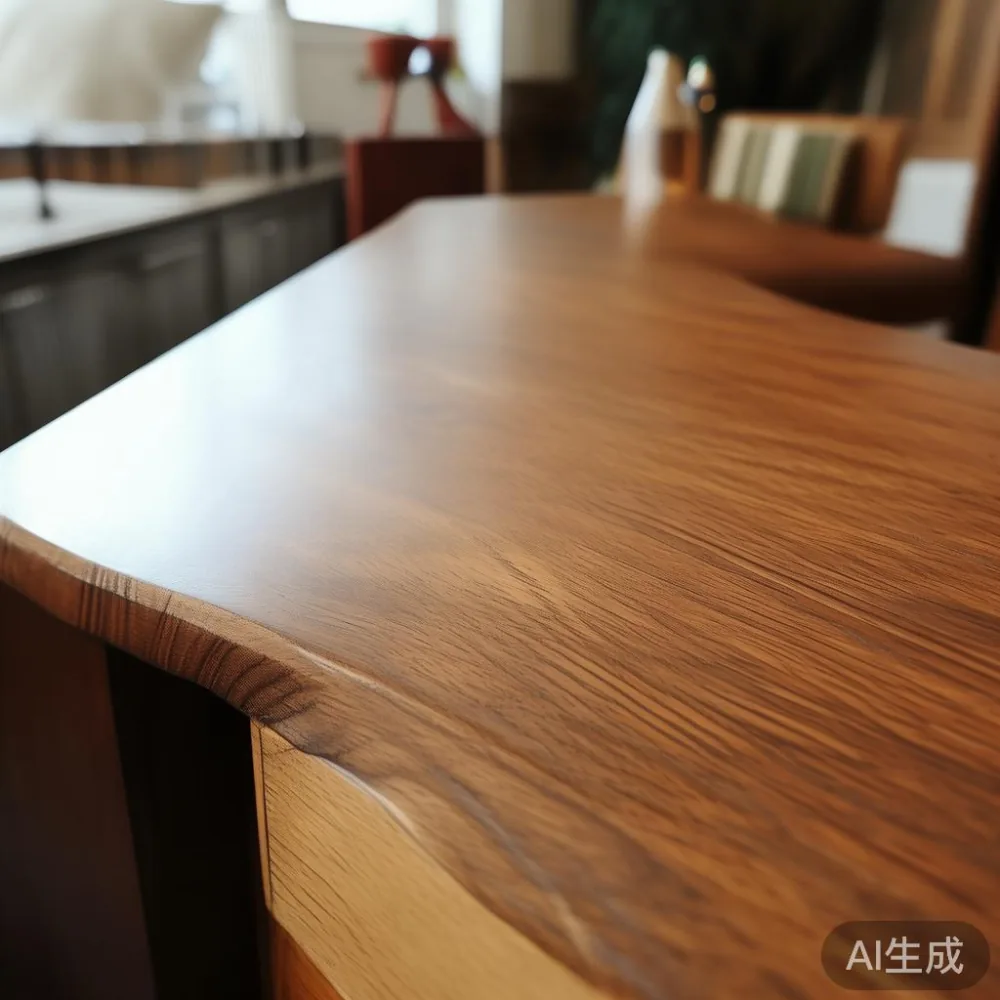
Solid wood furniture, on the other hand, is crafted from a single, solid piece of lumber like oak, walnut, or teak. The entire piece is made from the same material, meaning the wood finish you see is the actual grain, texture, and colour of the wood itself. This inherent quality makes solid wood furniture exceptionally durable and capable of being sanded and refinished multiple times over its lifespan, allowing it to be restored to its original condition.
Initial Investment: The Upfront Price Difference
The most immediate difference between veneer and solid wood furniture is the purchase price. In Singapore's market, where space is a premium and quality is paramount, this initial cost can be a deciding factor for many homeowners. Let's compare the prices of common bedroom and living room pieces for a standard Singaporean home, keeping in mind typical dimensions for HDB and condo layouts.
For a solid wood bed frame, a queen-sized piece (160cm x 200cm) made from American oak from a reputable brand like MIDHILL would typically cost between SGD 2,500 and SGD 4,000. A comparable bed frame with a walnut veneer finish might range from SGD 1,200 to SGD 2,000. The difference is significant, often amounting to over SGD 1,000 for a single foundational piece of furniture.
The same price disparity applies to other items. A solid wood dining table that seats six (160cm x 90cm) could cost SGD 3,000 to SGD 5,500. A veneer alternative might be priced between SGD 1,500 and SGD 2,500. A solid wood wardrobe (200cm x 60cm x 60cm) for a master bedroom in a Tampines HDB might cost SGD 2,800 to SGD 4,500, while a veneer version could be found for SGD 1,500 to SGD 2,200. These figures reflect the material cost, craftsmanship, and structural integrity that solid wood commands.
Long-Term Durability and Repair Costs: The 5-Year Reality
The initial cost is only part of the equation. The true financial impact of a furniture purchase reveals itself over time. Veneer furniture is susceptible to specific types of damage that are difficult and expensive to repair. A hot mug placed directly on a veneer surface can create a permanent white heat mark. The thin layer can also peel or chip at the edges, especially around high-traffic areas like the armrests of a sofa or the corners of a nightstand.
Last month, I visited a client in a Bedok condo who had a 3-year-old veneer coffee table. The surface had several small dents and a noticeable peeling corner. Repairing this professionally would involve stripping the old veneer and applying a new one, a process costing upwards of SGD 300 to SGD 500 for a single table. Replacing the entire piece would be necessary if the damage was extensive, leading to another SGD 1,200 to SGD 1,800 expense.
Solid wood furniture, in contrast, is built to withstand the test of time. Its dense structure is far more resistant to dents and heat. Should a surface mark or scratch occur, it can often be buffed out with a wood-specific polish. For deeper damage, the piece can be sanded down and refinished. A full refinishing service for a solid wood dining table might cost SGD 600 to SGD 1,200, but this is a one-time investment that can restore the table to its original condition, effectively extending its life by another decade or more. This ability to be restored is a key feature of a high-quality wood finish.
Resale Value and Aesthetic Appeal
In Singapore's dynamic property market, homeowners often move or upgrade their homes. The resale value of furniture can offset some of its initial cost. Solid wood furniture holds its value remarkably well. A 5-year-old solid wood sofa or bed frame, if well-maintained, can still command 50-70% of its original price on platforms like Carousell or when selling to a new homeowner.
Veneer furniture, however, depreciates much faster. By the 5-year mark, it's often considered dated and its condition is frequently compromised. A scratched, peeling, or faded veneer piece has virtually no resale value. Homeowners looking to sell their homes often find they must donate or discard their old veneer furniture, incurring a complete loss on their initial investment.
Aesthetically, solid wood offers a timeless quality. The natural grain and patina that develop over years add character and warmth to a space. This aligns perfectly with popular interior styles like French light luxury or American light luxury, which emphasize natural materials and elegant, understated details. A solid wood wardrobe with a rich, deep wood finish can serve as a statement piece in a bedroom, enhancing the luxury feel of the room.
Is Veneer Furniture a More Practical Choice for Singapore's Humid Climate?
Many Singaporeans wonder if the high humidity of our climate makes veneer a more practical choice than solid wood. The logic is that solid wood, being a natural material, is more prone to expanding and contracting with changes in moisture levels, potentially leading to cracks. While this is a valid concern, it's often misunderstood.
High-quality solid wood furniture is kiln-dried to a moisture content suitable for the local climate, minimizing the risk of warping. A well-constructed piece from a maker like MIDHILL is built to accommodate these natural movements. Veneer, however, is glued onto a less stable core (MDF or particleboard). These engineered wood cores are highly susceptible to moisture absorption. In the event of a leak, a spill that isn't wiped up immediately, or even just persistently high humidity, the core can swell, warp, and cause the veneer layer to bubble, crack, and peel. The repair for this type of damage is often not feasible, rendering the entire piece unusable.
The Total Cost of Ownership: A 5-Year Scenario
Let's put this all together with a concrete 5-year scenario for a typical Singaporean couple furnishing a new 5-room HDB flat in Punggol. We will calculate the total cost of ownership, including initial purchase, potential repairs, and resale value.
Scenario 1: The Veneer Furniture Package
- Initial Purchase:
- Veneer Queen Bed Frame: SGD 1,800
- Veneer 6-Seater Dining Table: SGD 2,000
- Veneer 3-Door Wardrobe: SGD 1,800
- Veneer 2-Drawer Nightstand: SGD 500
- Subtotal Initial Cost: SGD 6,100
- 5-Year Costs:
- Repair coffee table (heat mark): SGD 350
- Repair peeling corner on nightstand: SGD 200
- Refinishing dining table (due to scratches): SGD 800
- Subtotal Repair Costs: SGD 1,350
- 5-Year Resale Value:
- Selling all 5-year-old veneer furniture: SGD 800 (optimistic)
- Total Cost of Ownership (5 years): SGD 6,100 + SGD 1,350 - SGD 800 = SGD 6,650
Scenario 2: The Solid Wood Furniture Package
- Initial Purchase:
- Solid Wood Queen Bed Frame: SGD 3,200
- Solid Wood 6-Seater Dining Table: SGD 4,000
- Solid Wood 3-Door Wardrobe: SGD 3,200
- Solid Wood 2-Drawer Nightstand: SGD 900
- Subtotal Initial Cost: SGD 11,300
- 5-Year Costs:
- Minor repair to bed frame leg (scratch): SGD 50 (wood polish)
- Subtotal Repair Costs: SGD 50
- 5-Year Resale Value:
- Selling all 5-year-old solid wood furniture: SGD 6,000 (60% of original value)
- Total Cost of Ownership (5 years): SGD 11,300 + SGD 50 - SGD 6,000 = SGD 5,350
As the scenario clearly shows, over a 5-year period, the solid wood option results in a lower total cost of ownership. The higher initial investment is more than offset by the negligible repair costs and the significant resale value. When considering the aesthetic and functional benefits, the choice becomes even clearer. A solid wood sofa with a beautiful wood finish doesn't just last longer; it improves the entire feel of a home.
Choosing the Right Style and Finish for Your Singapore Home
Investing in solid wood opens up a world of design possibilities that align perfectly with Singaporean tastes. For those who appreciate clean lines and understated elegance, the best Minimalist bed for 2026 is likely to be a low-profile platform bed made from light-coloured solid oak or ash, showcasing the natural wood finish. This style complements modern condo interiors and maximizes space in HDB bedrooms.
The question, is Mid-century modern sofa worth it, is answered by its enduring appeal. A solid teak or walnut mid-century sofa, with its tapered legs and ergonomic curves, is a timeless piece that blends functionality with artistry. Its value only increases as it develops a rich patina, making it a wise financial and aesthetic choice.
For the dining room, the concept of light luxury for dining room can be achieved with a solid wood table featuring a sleek, dark finish like walnut or stained oak, paired with minimalist chairs. This creates an atmosphere of sophisticated comfort without being overly ornate. Adding a marble table as a side piece can introduce a stunning contrast of textures, combining the warmth of wood with the cool elegance of stone.
Styling a bedroom involves more than just the bed. Learning how to style light luxury bed in room involves layering textures. Pairing a solid wood bed frame with high-thread-count linen, a plush rug, and nightstands made from the same wood creates a cohesive and serene environment. This approach is not just about furniture; it's about creating a sanctuary.
For guest rooms, a simpler aesthetic is often preferred. A Japanese for guest room theme, using a low-profile solid wood platform bed and simple, unadorned furniture, promotes a sense of calm and minimalism. It's a practical and stylish choice for a space that needs to be both welcoming and uncluttered.
While high-end Italian light luxury brands can be prohibitively expensive, achieving a similar look is possible with more accessible options. Finding pieces under 2000 Italian light luxury furniture that capture the essence of Italian design—clean lines, exquisite craftsmanship, and beautiful materials—is a realistic goal for Singaporean homeowners. The key is to focus on quality construction and a beautiful wood finish rather than a brand name. For those interested in exploring specific collections and detailed specifications, resources like api.midhill.co can provide valuable information on product dimensions and materials.
Final Considerations for Your Furniture Investment
When making such a significant investment, it's wise to consider the practicalities of delivery and warranty. Reputable solid wood furniture makers, including those established since 2008 and exporting to 15+ countries, often provide comprehensive support. A 10-year structural warranty is a strong indicator of confidence in the product's build quality. For purchases over SGD 350, free shipping is a standard perk, saving homeowners the hassle and cost of arranging transport, especially important for large items like a solid wood wardrobe that need to work through HDB lift widths and corridor spaces.
Also, a 14-day return policy offers peace of mind. It allows you to live with the piece for a short period to ensure it fits your space and lifestyle perfectly. This level of after-sales service is less common with lower-priced veneer furniture, where once purchased, the item is generally considered final sale.
Conclusion: A Worthwhile Investment for Your Home
The 5-year cost comparison between veneer and solid wood furniture reveals a clear winner for the discerning homeowner. While veneer may seem like the more budget-friendly option initially, its long-term costs in repairs and lost value make it a less economical choice. Solid wood furniture, with its superior durability, timeless aesthetic, and ability to be restored, offers a lower total cost of ownership and a lasting legacy in your home.
Choosing furniture is an investment in your daily life and the value of your property. By opting for pieces with a genuine, high-quality wood finish, you are not just buying furniture; you are acquiring assets that will serve you well for decades and can even be passed down. In the context of Singaporean homes, where space is used efficiently and style is important, solid wood is the intelligent choice for creating a beautiful, functional, and enduring living environment.