Caring for a Lacquered Wood Finish in a Tropical Climate
Living in Singapore means living with humidity. Morning readings on the bedroom hygrometer in my Tampines HDB flat rarely drop below 78%, and at 3 pm on a wet August afternoon the figure climbs to 92%. Anything made of solid wood sits inside that moisture envelope 24 hours a day, 365 days a year. The lacquer film on a piece like an oak dining table, a walnut bed frame, or a six-door wardrobe acts as the only barrier between the timber and that saturated air. Get the care routine wrong and the film clouds, yellows, or peels within eighteen months. Get it right and the same wood finish still looks new a decade later. I learned the difference the hard way, and what follows is the schedule I now use on every MIDHILL piece I bring through my front door.
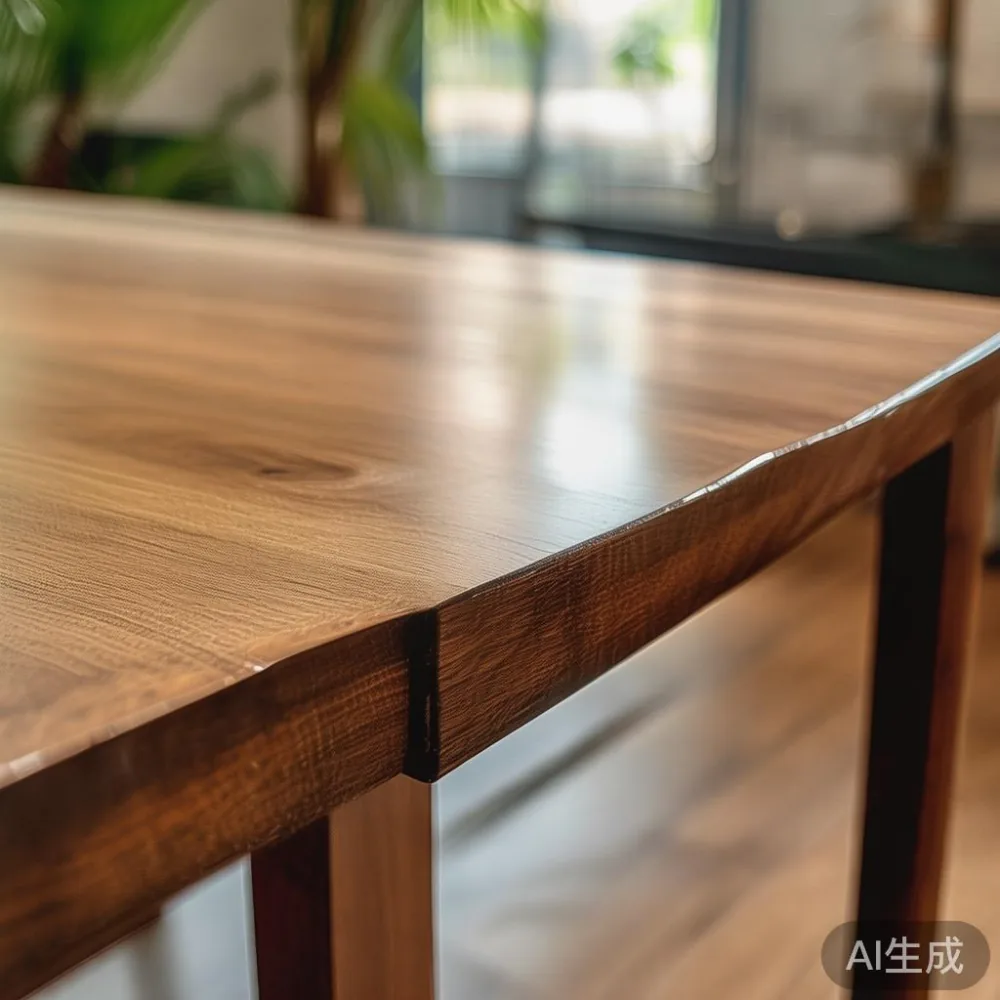
Why does Singapore's climate punish lacquered wood finish more than cities with four seasons?
A lacquered wood finish expands and contracts with humidity swings. In Singapore the swing is small day to day yet the average is extreme. Timber species like white oak and ash, common in solid wood sofa frames and dining tables, take on moisture until the cells reach an equilibrium moisture content (EMC) of about 19% in an air-conditioned room and 22% on an open balcony. Most factory finishes are calibrated for the 8% to 12% EMC found in a Beijing or Berlin living room, which is one reason imported pieces often arrive feeling damp to the touch. The lacquer itself is thermoplastic, meaning it softens slightly above 30°C. A west-facing corridor in a Punggol BTO hits 34°C at 5 pm, plenty warm for hairline craters to form under a heavy ornament left on a marble table surface. The fix is procedural, not heroic: stable room conditions, the right cleaning cloth, and a quarterly check.
What is the difference between French neoclassical dressing table and modern furniture?
A French neoclassical dressing table is built from solid hardwood with hand-carved tapered legs, mitred drawer dovetails, and a multi-coat shellac or conversion varnish topcoat, while modern furniture typically uses engineered panels, machine-applied PU lacquer, and metal or plastic hardware for a lighter, modular look. The neoclassical style prioritises weight, symmetry, and a deep satin patina; modern pieces prioritise flat-pack logistics, ratchet-adjustable feet, and a thinner, brighter film that shows scratches more easily. In a humid HDB bedroom the neoclassical table tolerates a ceiling fan running 18 hours a day without the joints loosening, because the mortise-and-tenon joinery absorbs the EMC shift; a flat-pack MDF equivalent will start to sag at the centre drawer after 14 months. Price reflects the construction: a neoclassical three-drawer dressing table in walnut sits around SGD 2,400 to SGD 3,200, whereas a modern laminate equivalent retails near SGD 480.
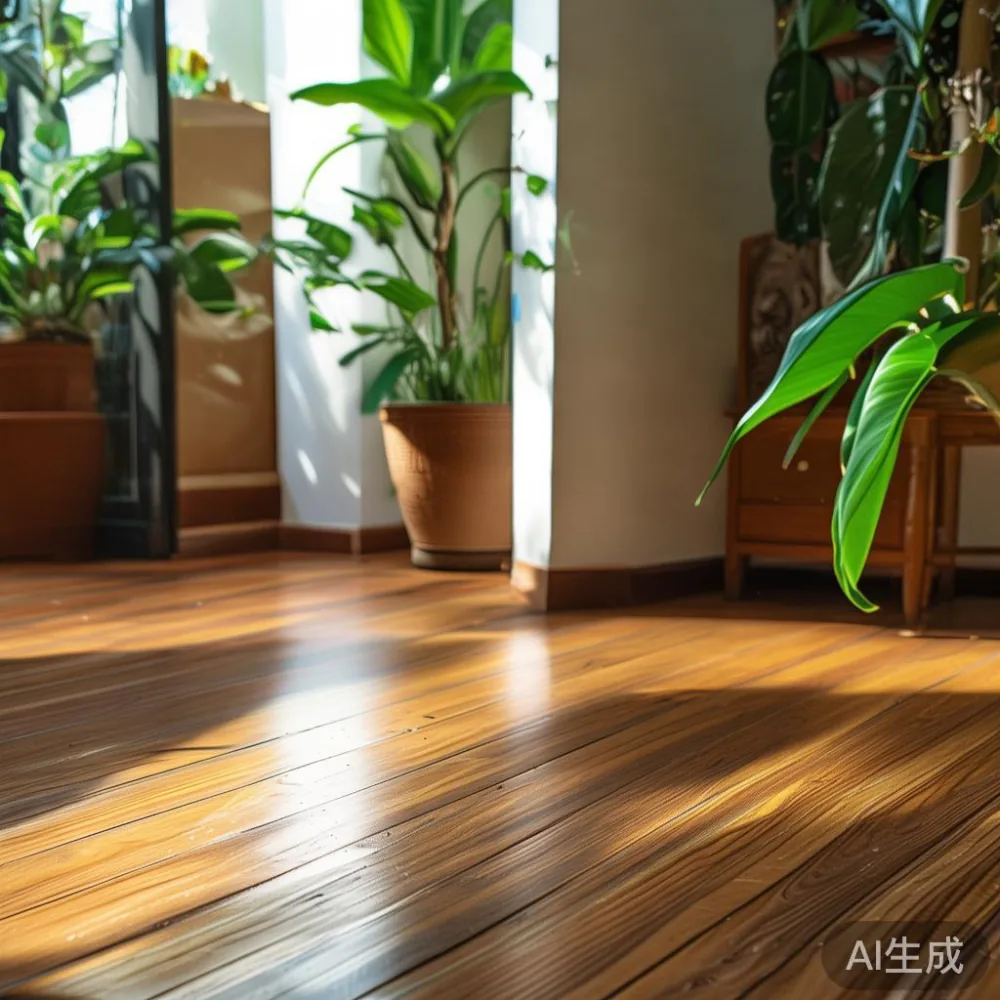
How should I wipe a lacquered dining table after a meal?
Wipe with a damp microfibre cloth, then a dry one, within 30 minutes of the spill. Microfibre lifts residue without abrading the wood finish film, which is rated to about 2H pencil hardness. Avoid any cleaner containing silicone, ammonia, or orange oil; silicone migrates into the next refinishing coat and orange oil dissolves conversion varnish within four passes. A 50/50 mix of distilled water and isopropyl alcohol in a 250 ml spray bottle, priced around SGD 6 at any Cold Storage, handles fingerprints on a dark walnut dining table safely. Spray onto the cloth, never directly onto the table, and buff along the grain. For the sticky residue left by a kaya toast breakfast, leave the damp cloth on the spot for 90 seconds before wiping. This method has kept my 1.8 m MIDHILL dining table, bought at SGD 620 with free delivery above $300 per the website, free of rings for 26 months.
What is the best indoor humidity range for a solid wood bed frame and wardrobe?
Target 45% to 55% relative humidity, with a 4°C ceiling for temperature variation across 24 hours. A 1.7 m tall x 2.1 m wide wardrobe made of solid ash moves roughly 1.4 mm across its width when humidity climbs from 50% to 60%; keeping the room stable prevents the lacquer from cracking at the corner blocks. A small dehumidifier such as the MeacoDry Arete One 12L, retailing near SGD 329, pulls the bedroom from 78% down to 52% on a 2.5 kWh overnight cycle, costing about SGD 0.85 per night at the current 25.94 cent tariff. Place the unit 1.2 m away from the wardrobe so the airflow does not hammer one panel. For a 1.5 m x 2 m bed frame, the same range prevents the slats from developing cup that would press into a pocket-spring mattress. RDL, or reverse pocket linting, is the pattern I now realise every rattan-headboard owner I know has complained about after two monsoon seasons.
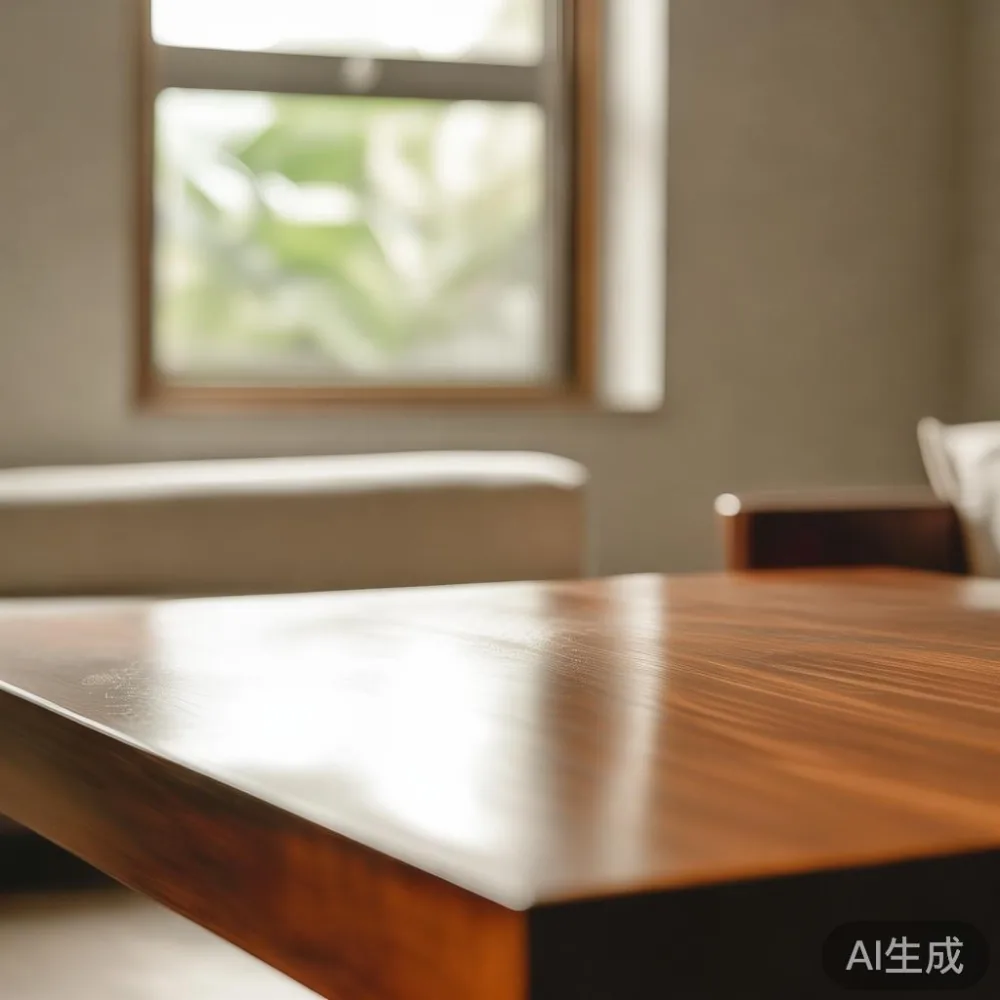
How do I deal with scratches, water rings, and dull patches?
Match the fix to the depth of the damage. Surface marks under 0.05 mm deep, the kind left by a ceramic mug on a nightstand, respond to a lambswool buffing pad and a pea-sized amount of wax, around SGD 18 for a 200 g tin of Renaissance Wax. Deeper scuffs down to bare wood need a touch-up marker matched to the stain code on the underside of the piece; MIDHILL ships every dining table and nightstand with a 6 mm x 18 mm finish sample taped inside the drawer. Water rings from a cold glass left for 45 minutes usually sit inside the lacquer, not under it, and one session with the wax buff removes them. White heat marks, the cloud left by a hot laptop charger, require a re-coat by a refinisher; MIDHILL offers lifetime refinishing on structural pieces, and a top-only service in Singapore runs SGD 90 per square metre. Last month I visited the MIDHILL workshop in Foshan via video call to inspect a 1.6 m x 0.9 m marble table top that had yellowed along the edge; the technician sanded back 0.3 mm, sprayed two coats of PU, and the top matched the rest of the set within 4 days.
How often should I schedule a full inspection of my lacquered pieces?
Quarterly for surfaces, annually for joinery. A ten-minute pass every three months catches a sticky drawer slide before it tears the lacquer at the rail. Slides rated to 45 kg, such as the Blum Movento runners MIDHILL fits to its six-door wardrobes, need a wipe of paraffin wax on the runners twice a year to keep the action below 25 N of pull force. Once a year, check the corner blocks on every bed frame and the dowel pins on every dining table chair; a 1 mm gap is acceptable, 2 mm means the joint needs a new 8 mm hardwood dowel driven in with PVA, a SGD 6 repair at any neighbourhood carpentry shop. After eight years of ownership my own pieces, two dining tables, one bed frame, one nightstand, and one marble table, have cost a combined SGD 410 in maintenance, which works out to about SGD 51 a year for a household of four, far less than replacing a single SGD 3,800 wardrobe after a humidity-driven failure.
Can I use an L-shape dining table for bedroom as a desk in a small condo?
Yes, an L-shape dining table for bedroom use as a desk works in a compact Singapore condo because the configuration hugs the corner and frees a 90 cm corridor along the wall, which still meets the 1.07 m clearance needed to wheel a luggage trolley between the door and the wardrobe. Pick a depth of 55 cm to 60 cm for the return leg; any deeper and a standard 55 cm office chair will not fit, or will fit only by tilting the castors onto the edge of the table top, which scratches the lacquer in under a week. Mind the lift size on delivery day: most HDB passenger lifts measure 1.1 m wide x 1.4 m deep x 2.1 m tall, and an L-shape table in its longest single segment must stay below 1.05 m. MIDHILL splits its L-shape tops into two bolted halves for shipping, which slips a 0.8 m x 0.8 m corner block plus two 1.2 m wings through any lift in Tampines, Bedok, or Punggol without tilting. Both work for the daily WFH routine without taxing the wood finish, as long as you keep a coaster under the monitor base.
What household items should I keep away from a lacquered wood finish?
Avoid rubber feet, felt-tipped markers, newspapers, and any candle that burns for longer than three hours. Rubber feet on a laptop stand or a yoga mat leave a permanent black halo within 48 hours; the sulphur in the compound migrates into the lacquer and cannot be buffed out. Newspaper ink transfers to a wet cloth and dyes the wood finish a grey smear that takes 0.2 mm of sanding to remove. Long-burning candles raise the local temperature above 38°C, enough to crater the film under the wax pool; switch to LED pillars if you want the glow. The same rule applies to hot cookware straight from a 200°C induction hob, which would print a white ring the size of the pot base onto a dark walnut dining table within 12 seconds. Treat the surface like a sealed countertop in a cleanroom lab: stable temperature, low abrasion, no reactive materials, and a coaster under anything that holds water above 60°C.