The True Cost of Beauty: A 5-Year Comparison of Veneer and Solid Wood Furniture
When furnishing a Singapore home, whether a compact HDB flat in Tampines or a spacious condo in Punggol, the choice between veneer and solid wood furniture is a significant one. It's a decision that affects not just the initial budget but also the long-term aesthetic, durability, and value of your living space. Both materials offer distinct advantages, but their financial and practical implications over a five-year period can be vastly different. This article provides a detailed, number-driven comparison to help you make an informed choice for your home.
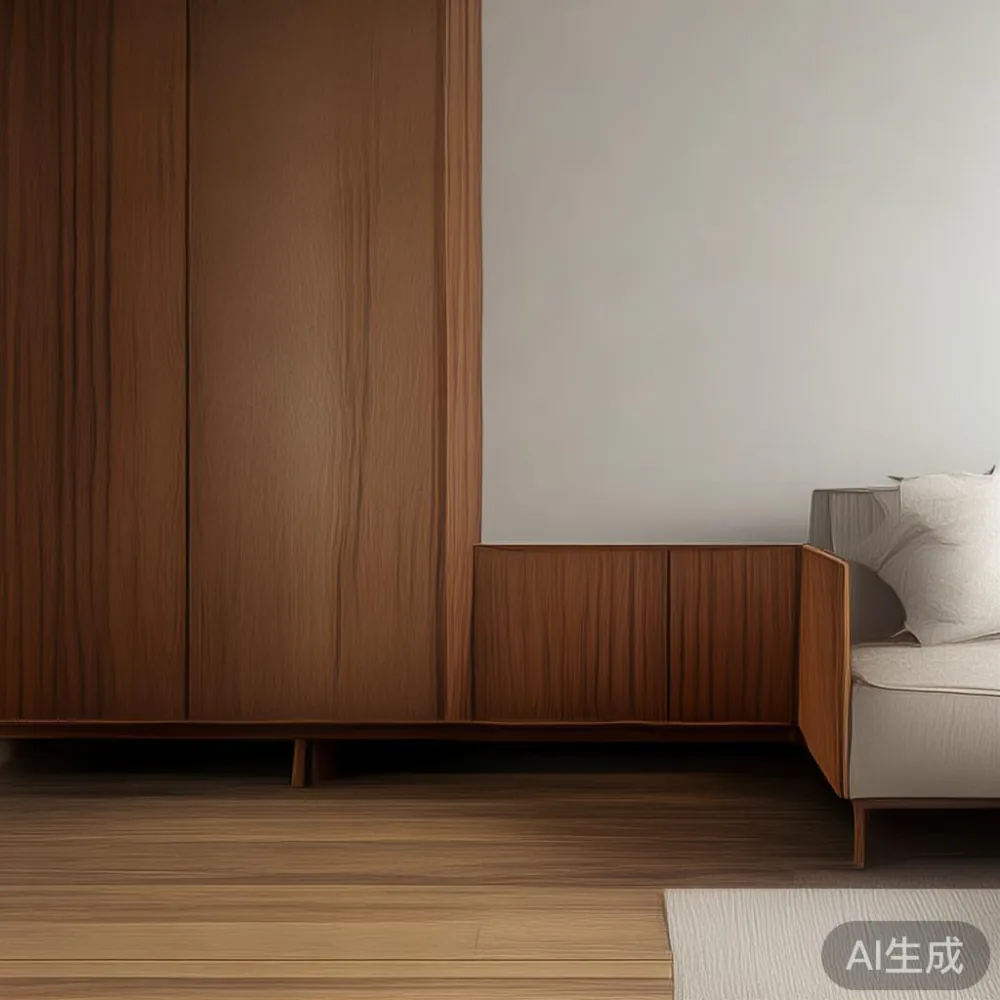
What's the Real Difference Between Veneer and Solid Wood?
At its core, the difference lies in construction. Solid wood furniture, like the pieces crafted by a maker established in 2008, is constructed from a single, solid piece of lumber or solid wood planks joined together. A solid oak dining table, for example, is made from oak wood throughout. This gives it a unique grain pattern, a substantial weight (a typical solid wood dining table can weigh between 45-60 kg), and a natural warmth that many homeowners desire.
Veneer, on the other hand, is a thin layer of real wood (often 0.6mm to 3mm thick) applied over a core made of a less expensive material like MDF (Medium-Density Fiberboard), particleboard, or plywood. This core provides stability and structure, while the veneer layer provides the appearance of solid wood. A veneer wardrobe might have a beautiful walnut finish, but the internal structure is primarily engineered wood. Understanding this fundamental difference is the first step in evaluating their long-term costs.
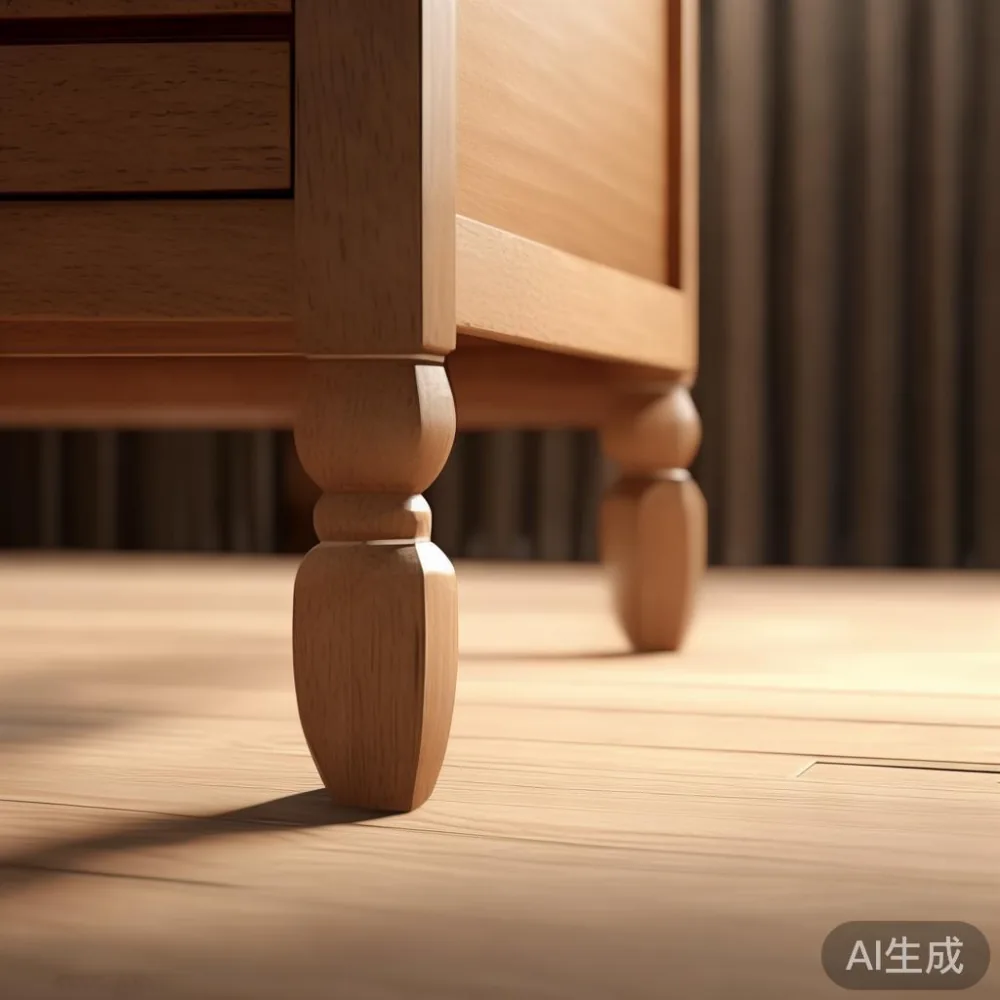
Initial Purchase Price: The Upfront Investment
The most immediate difference between veneer and solid wood is the price tag. For a standard-sized item, a solid wood bed frame will almost always command a higher price than its veneer counterpart. Let's look at some typical Singapore prices in SGD for a Queen-sized bed frame and a 6-seater dining table.
Solid Wood Bed Frame: A solid wood bed frame, made from rubberwood or a similar durable hardwood, typically costs between SGD 1,200 and SGD 2,500. A high-end solid wood bed with a premium wood finish can reach SGD 4,000 or more. The weight is a key indicator of quality, with solid wood pieces often weighing 35-45 kg, requiring careful handling during delivery.
Veneer Bed Frame: A veneer bed frame with a similar design and size will generally cost between SGD 600 and SGD 1,200. While it looks like wood, the core material is lighter, often weighing 25-35 kg, making it easier to maneuver through HDB corridors and lift lobbies.
Solid Wood Dining Table: A solid wood dining table for six can range from SGD 2,500 to SGD 5,000+, depending on the wood species and craftsmanship. The dimensions are also significant; a standard table is 180cm long by 90cm wide.
Veneer Dining Table: A veneer dining table of the same dimensions will typically cost between SGD 1,000 and SGD 2,200. The lower initial cost is a major draw for first-time homeowners or those on a tighter budget.
Longevity and Durability: How Will They Hold Up Over 5 Years?
Initial cost is only one part of the equation. A piece of furniture's lifespan and condition after five years of use are critical factors in its value. This is where the structural integrity of solid wood often shows its strength.
Solid wood furniture is renowned for its durability. It can withstand the rigours of daily use, including scratches, dents, and general wear. A solid wood sofa frame, for instance, is built to last for decades. Over five years, a solid wood piece might show some natural patina—a softening of the colour and the development of a unique character—but it will remain structurally sound. A 10-year structural warranty, which a certain Foshan-based manufacturer offers, speaks directly to this confidence in their solid wood construction.
Veneer furniture presents a different picture. The thin wood layer is susceptible to damage. Sharp objects can easily cut through it, and repeated wear in high-traffic areas can cause the veneer to wear thin, revealing the MDF or particleboard underneath. Moisture, a common concern in Singapore's climate, can be particularly damaging. If a veneer surface gets wet, it can bubble, warp, or peel. After five years, a veneer piece in a busy household may look significantly worn, requiring repair or replacement. A colleague of mine recently visited a client's condo in Bedok where a five-year-old veneer dining table's finish had completely worn off in the main seating area, exposing the discoloured core.
Repairability and Refinishing: The Lifetime Value Proposition
One of the most significant long-term advantages of solid wood is its ability to be repaired and refinished. A solid wood surface can be sanded down to remove scratches, stains, or dents. It can then be re-stained or re-finished to restore it to its original, or even a new, appearance. This process can be performed multiple times over the life of the furniture. A lifetime refinishing service, offered by some makers, provides immense value, in effect making the furniture a lasting heirloom rather than a disposable item.
Veneer, unfortunately, is not as forgiving. Once the thin surface layer is damaged, it cannot be sanded and refinished like solid wood. Repairing a deep scratch or a bubble in the veneer is a difficult, often imperfect, process. The damaged area might need to be filled and re-coated, which rarely blends smoothly with the surrounding finish. If the damage is extensive, the entire piece may need to be replaced. This lack of repairability means that the initial lower price of veneer can be negated by the need for replacement or costly repairs within a five to ten-year period.
How to Choose Mid-century Modern Sofa: A 5-Year Financial Perspective
Let's apply this comparison to a specific, popular piece: a mid-century modern sofa. This style is a favourite in Singapore condos for its clean lines and timeless appeal. The choice between a solid wood-framed sofa and a veneer-framed one has clear financial implications.
A solid wood mid-century modern sofa might cost SGD 3,500. Its frame is sturdy, and the solid wood arms and legs can withstand years of use. After five years, it might have some wear on the fabric cushions, but the wood frame will be in excellent condition. It can be reupholstered for a fresh look at a cost of around SGD 1,500, extending its life for another decade.
A veneer version of the same sofa might cost SGD 2,000. It looks identical initially. However, after five years, the veneer on the arms may show fine cracks or peeling. If the sofa needs to be moved through a narrow corridor in a Punggol HDB, the less durable veneer is more prone to chipping during the manoeuvre. If the fabric needs replacing, the owner faces the same SGD 1,500 reupholstering cost, but the compromised veneer finish means the appearance still won't be as good as the solid wood piece. Over five years, the solid wood option, while costing more upfront, provides a better return on investment in terms of longevity and aesthetic preservation.
Resale Value and Aesthetic Appeal: The Hidden Costs
Another factor to consider is resale value. When upgrading your furniture or moving homes, solid wood pieces hold their value much better than veneer furniture. A well-maintained solid wood dining table or wardrobe can be resold for a significant portion of its original price, sometimes as much as 40-50% after five years. This is because buyers recognise the quality and durability of solid wood.
Veneer furniture, on the other hand, has very little resale value. Buyers are aware of its shorter lifespan and are unwilling to pay much for a used piece. The depreciation is steep, and you might only recover 10-20% of the initial cost, if anything. This hidden cost of poor resale value should be factored into the total five-year expense.
Aesthetically, the quality of the wood finish is a key differentiator. Solid wood offers a deep, three-dimensional grain that changes with the light. A high-quality wood finish on a solid piece feels substantial and luxurious. Veneer, while it can mimic the look of wood, often has a flatter, less convincing appearance. The grain can repeat unnaturally, and the feel can be less premium. For those seeking a light luxury aesthetic, whether French provincial or American light luxury, the authentic feel of solid wood is often a prerequisite for achieving the desired ambience. You can find the best French provincial furniture, but it will almost always be made from solid wood to capture the style's essence.
Is Japandi Sofa Worth It? The Final 5-Year Tally
After five years, the financial picture becomes much clearer. Let's create a hypothetical scenario for a typical Singaporean furnishing a 4-room HDB flat.
The Veneer Path (Initial Cost: SGD 8,000)
- Year 0: Purchase veneer sofa (SGD 1,200), dining table (SGD 1,500), two wardrobes (SGD 1,800), and a nightstand (SGD 400). Total: SGD 4,900. Add GST (9%), delivery (SGD 150), and assembly (SGD 200). Total initial outlay: ~SGD 5,600.
- Year 3: One wardrobe's door veneer peels due to humidity. Repair cost: SGD 300.
- Year 5: The dining table surface shows heavy wear. The nightstand has a deep scratch. The sofa frame feels loose. The furniture looks tired and dated. Resale value: negligible. Total cost over 5 years: SGD 5,900.
The Solid Wood Path (Initial Cost: SGD 15,000)
- Year 0: Purchase solid wood sofa (SGD 2,500), dining table (SGD 3,000), two wardrobes (SGD 4,000), and a nightstand (SGD 800). Total: SGD 10,300. Add GST (9%), delivery (SGD 150), and assembly (SGD 200). Total initial outlay: ~SGD 11,200.
- Year 3: Minor scratches on the dining table. Easily buffed out. The wood finish remains rich and beautiful.
- Year 5: The furniture is in excellent condition. It has a timeless quality. The cushions on the sofa might need replacing (cost SGD 800), but the frame is solid. The piece can be sold for an estimated SGD 4,000. Total cost over 5 years: SGD 11,200 - SGD 4,000 (resale) + SGD 800 (cushions) = SGD 8,000.
While the solid wood option requires a higher initial investment, the total cost of ownership over five years is significantly lower when factoring in repairs, replacement, and resale value. The aesthetic and emotional satisfaction of owning furniture that improves with age is an intangible benefit that solid wood provides. For those who value quality and longevity, the choice becomes clear. This is the principle behind how to style European sofa in apartment; it's about investing in pieces that create a lasting, harmonious environment.