The Long-Term Value of Wood Finish: Veneer vs. Solid Wood in Singapore
For homeowners in Singapore, particularly in HDB estates like Tampines and Bedok, or in condos in Punggol, the choice of furniture is a significant investment. The humid climate, the spatial constraints of our living spaces, and the desire for a home that reflects personal style all factor into the decision. One of the most fundamental choices revolves around the material itself: veneer or solid wood. Both options offer a beautiful wood finish, but their long-term value, durability, and cost implications over five years can be vastly different. This article provides a detailed, numbers-driven comparison to help you make an informed decision for your home.
What Exactly Is the Difference Between Veneer and Solid Wood?
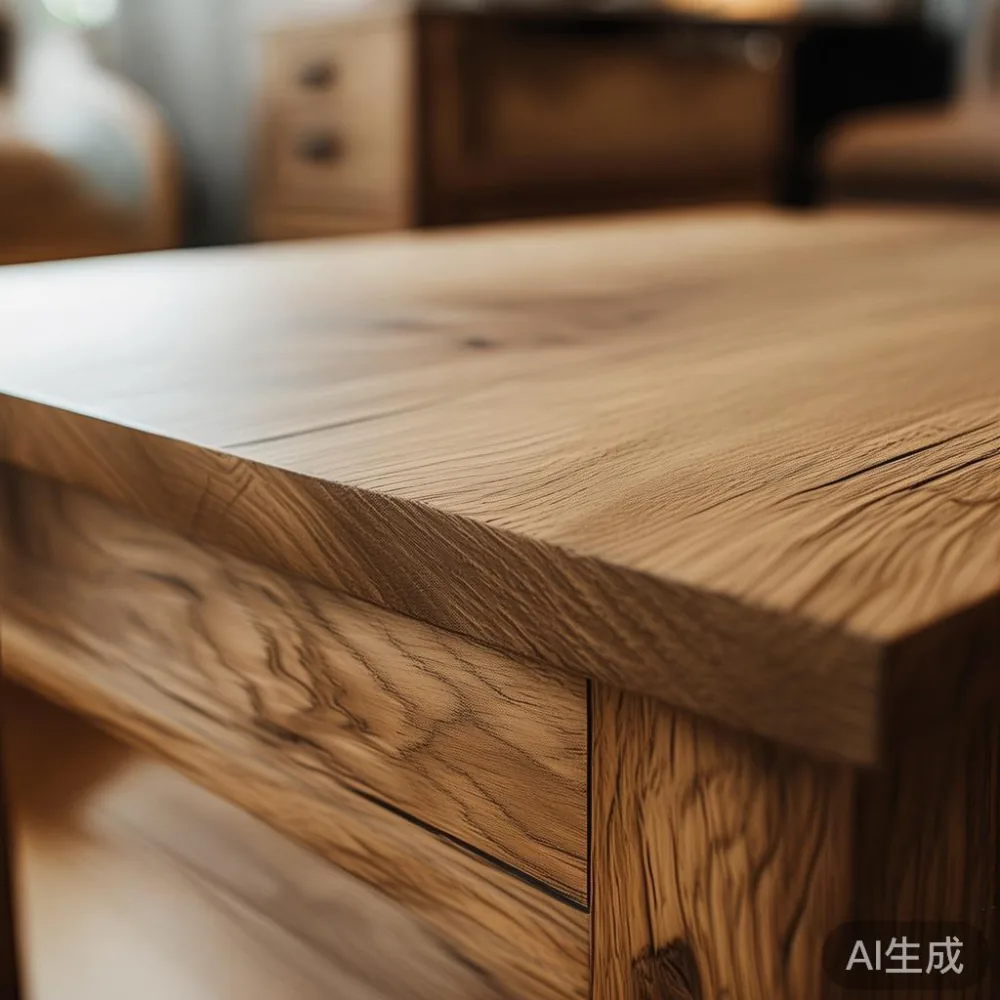
At its core, the distinction is simple. Solid wood furniture is constructed from a single, solid piece of timber. A dining table, for example, is made from one or more large slabs of wood joined together. This material is prized for its natural beauty, durability, and the ability to be sanded down and refinished multiple times. The wood finish on a solid piece is the actual wood itself, showing its grain, knots, and unique character.
Veneer, on the other hand, is a thin layer of real wood (typically less than 3mm thick) that is glued onto a substrate, which is often a composite material like Medium-Density Fibreboard (MDF), particleboard, or plywood. This technique allows manufacturers to create furniture with a consistent, high-quality wood finish at a lower cost. The thin wood layer provides the aesthetic appeal of solid wood without the expense of using large volumes of solid timber. The structural integrity of the piece comes from the substrate, not the veneer surface.
Initial Purchase Price: The Upfront Cost Breakdown
The most immediate difference between veneer and solid wood is the price tag. Let's consider a standard set of furniture for a 4-room HDB flat: a dining table with six chairs, a solid wood sofa, a queen-size bed frame, a wardrobe, and two nightstands. We will use prices typical for Singapore's market, including the current 9% Goods and Services Tax (GST).
Veneer Furniture Set (Approximate Cost)
A veneer dining table set might cost around SGD 2,800. A veneer sofa could be priced at SGD 1,500. A veneer bed frame might be SGD 900, a wardrobe SGD 1,200, and two veneer nightstands SGD 400. The total initial cost for a full veneer set would be approximately SGD 6,800. This price point makes veneer an attractive option for those furnishing a home on a tighter budget.
Solid Wood Furniture Set (Approximate Cost)
For a comparable set in solid wood, the costs are significantly higher. A solid wood dining table with six chairs could start from SGD 5,000. A solid wood sofa might be SGD 3,500. A solid wood bed frame could be SGD 2,000, a wardrobe SGD 3,000, and two nightstands SGD 800. The total initial investment for a full solid wood set would be approximately SGD 14,100. This represents a substantial upfront difference of over SGD 7,300.
Durability and Wear Over 5 Years: The Singapore Climate Test
Singapore's climate is the ultimate testing ground for furniture. The high humidity and occasional temperature fluctuations can cause materials to expand, contract, warp, or crack. This is where the long-term durability of solid wood truly shows its advantage.
Last month, I visited a colleague's home in a Bedok HDB flat. He had purchased a veneer dining table set five years ago. While it looked fine initially, he pointed out several issues. The table top had developed a slight warp near a window where it received direct sunlight. The veneer on the chairs had begun to lift at the edges, revealing the grey MDF underneath. He estimated that the wood finish was already showing signs of significant wear and would likely need replacement in the next year or two.
In contrast, a solid wood dining table, while it may also expand and contract with the humidity, is far more resistant to warping. If the wood finish becomes scratched or dull, it can be sanded down and refinished. This process can be done multiple times over a piece's lifespan, effectively restoring it to its original condition. A solid wood sofa frame is also more solid and less likely to sag or develop structural weaknesses compared to a veneer piece with a particleboard core.
Repair, Refinishing, and Replacement Costs Over 5 Years
This is where the cost comparison becomes more nuanced. The lower initial cost of veneer furniture is often offset by higher maintenance and replacement expenses.
For the colleague's veneer dining table, repairing the lifted veneer is a complex job. It requires a professional to carefully re-glue the layer, sand it, and reapply a matching finish. This could easily cost SGD 300 to SGD 500. If the table warps significantly, replacement might be the only option, costing another SGD 2,800. If the sofa's frame starts to sag, repairing it is often not cost-effective, leading to a full replacement at SGD 1,500. Over five years, these repair and replacement costs could add another SGD 2,000 to SGD 4,000 to the initial investment.
Solid wood furniture, however, offers a different economic model. While it may not need repairs, it benefits from a longer lifecycle. A key feature of high-quality solid wood is the ability to be refinished. A professional refinishing service for a dining table might cost SGD 800 to SGD 1,200. This process in effect gives the piece a brand-new wood finish, extending its life by another 10-15 years. For a solid wood sofa, replacing the fabric is a common and affordable refresh, costing around SGD 800 to SGD 1,200, rather than replacing the entire piece. The structural integrity of the frame remains, making it a worthwhile investment. Over five years, the owner of solid wood furniture might spend SGD 0 on major repairs or perhaps SGD 1,000 on a fabric reupholstering, a cost far less than replacing a veneer sofa.
Is the Higher Initial Cost of Solid Wood Justified for Singapore Homes?
This is the critical question every homeowner in Singapore must ask. The answer depends on your priorities: long-term value versus short-term budget. If you plan to stay in your current HDB flat or condo for many years, solid wood furniture presents a much stronger value proposition. The initial higher cost is an investment in longevity. A solid wood dining table or bed frame can easily last for decades and be passed down. The ability to refinish the wood finish means it can adapt to changing interior design trends without needing to be replaced.
For those who move frequently or have a very tight budget, veneer furniture can serve a purpose. It provides a functional aesthetic for a lower price. However, one must accept that the lifespan is shorter, and the total cost of ownership over 5-10 years may approach, or even exceed, that of solid wood when you factor in repairs and replacements. The wood finish on veneer is a thin surface; once it's compromised, the underlying material is often not repairable.
The Aesthetic and Lifestyle Appeal: Beyond Just Cost
Beyond the financials, the aesthetic and feel of the materials are important. Solid wood furniture has a warmth, texture, and heft that veneer cannot replicate. The natural grain patterns are unique to each piece, making every item one-of-a-kind. For those pursuing a French light luxury or American light luxury style, the authenticity of solid wood is often a cornerstone of the design. A solid wood bed frame or a marble-topped solid wood dining table can anchor a room with a sense of timeless elegance.
Modern post-modern light luxury styles also incorporate solid wood, often pairing it with other materials like metal or glass for a clean, sophisticated look. The question of is Italian light luxury sofa worth it often comes down to the quality of its construction and materials, with solid wood frames being a key indicator of value. When searching for for sale light luxury furniture, discerning buyers should look for solid wood construction as a mark of quality. The same applies to finding the best Boho bed for 2026; a solid wood frame provides the necessary durability for the eclectic, layered style. The trend towards 2026 European light luxury furniture emphasizes natural materials, making solid wood a highly sought-after choice. For those looking for for sale Scandinavian furniture, the focus is often on simplicity and natural wood grains, which solid wood provides in abundance. Even a simple Italian light luxury accent chair gains significant value when built on a solid wood frame, ensuring both beauty and longevity. The wood finish is not just about appearance; it's about the story and quality of the material itself.
Making the Right Choice for Your Space
Finally, consider the practicalities of your Singapore home. The width of your HDB corridor or condo lift is a factor. A solid wood wardrobe, for example, is significantly heavier than a veneer one. A solid wood wardrobe might weigh 120kg, while a veneer one could be 60kg. Moving a 120kg piece up a narrow HDB lift requires careful planning, whereas the lighter veneer piece is easier to manoeuvre. Similarly, the dimensions matter. A solid wood dining table might have thicker top rails (5cm) compared to a veneer table (2.5cm), giving it a more substantial presence in the room.
Ultimately, the choice between veneer and solid wood is a personal one. It requires balancing your budget with your vision for your home and your tolerance for future maintenance. For those who value craftsmanship, durability, and the ability to maintain a beautiful wood finish for decades, solid wood is the clear winner. The initial investment is higher, but over a 5-year period, and especially over the lifetime of the furniture, it proves to be the more economical and rewarding choice. Companies like MIDHILL, with their focus on solid wood construction and long-term warranties, understand that the true value lies in creating pieces that are not just beautiful, but built to last a lifetime in the unique environment of a Singapore home.