Which Wood Finish Lasts Longest in Singapore Homes Without Peeling or Yellowing?
What does “wood finish” actually mean on a piece of solid wood furniture?
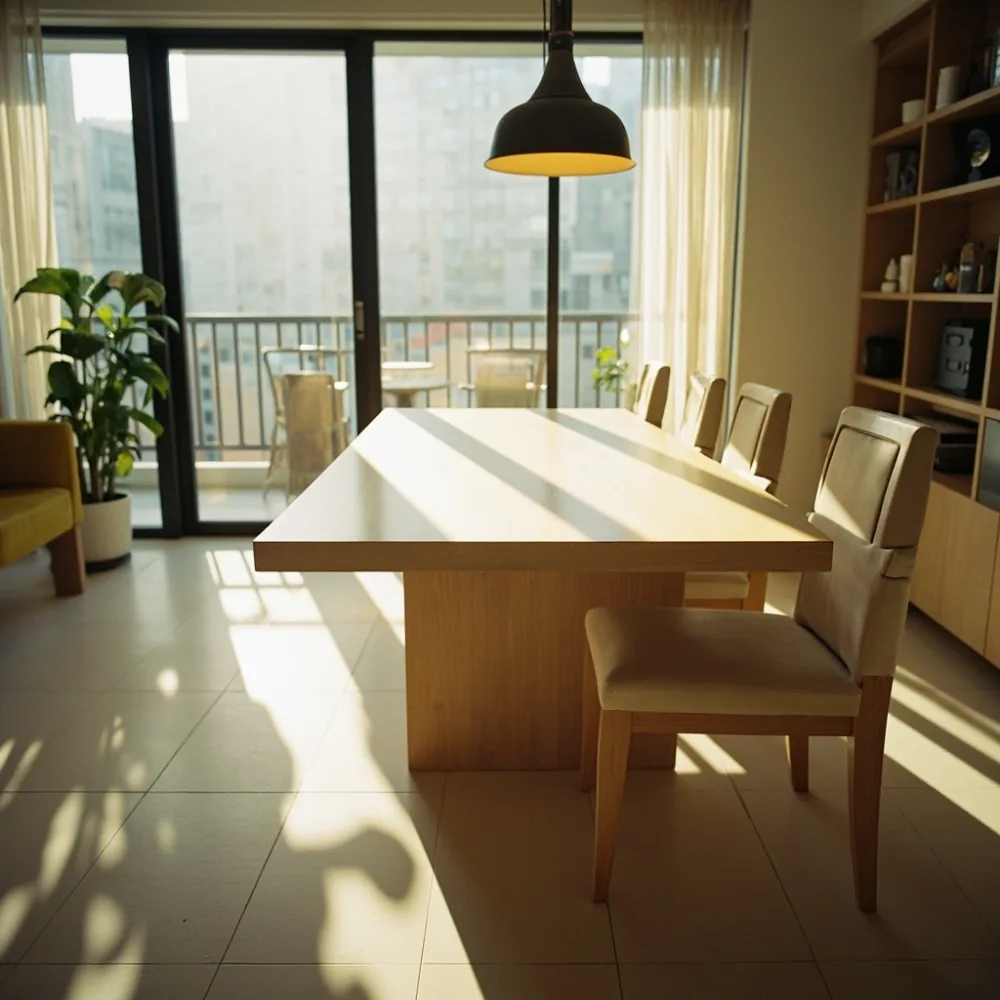
Film finishes vs penetrating finishes
Why the substrate matters as much as the topcoat
I tend to ask salespeople this on the first visit, because “finish” gets used loosely. In my experience, a wood finish is anything that changes the surface of the timber — it can be a film that sits on top (lacquer, polyurethane, shellac, conversion varnish) or something that soaks in and hardens inside the wood cells (hard wax oil, tung oil, Danish oil, plain linseed). The first group forms a clear plastic skin you can usually see reflect light; the second group leaves a softer, more matte look because the protection is inside the fibre, not on top of it.
For solid wood furniture this distinction matters more in Singapore than in a temperate climate. A thick film finish keeps water out beautifully, but it also traps moisture inside the board. In a 30 m² HDB resale flat with afternoon sun coming through a west-facing window, I have seen a 4 cm thick teak tabletop stay perfectly sealed while the underside, where the finish was missed during production, cupped within a single wet season. The film finish did not fail — the unfinished face absorbed humidity and the board moved.
- Film finishes: most resistant to ring marks and spills, weakest against impact chipping, and harder to repair locally.
- Penetrating oils/waxes: lower sheen, easier to spot-repair, need refreshing every 12–24 months in our climate.
Does Singapore humidity actually ruin solid wood tables and chairs?
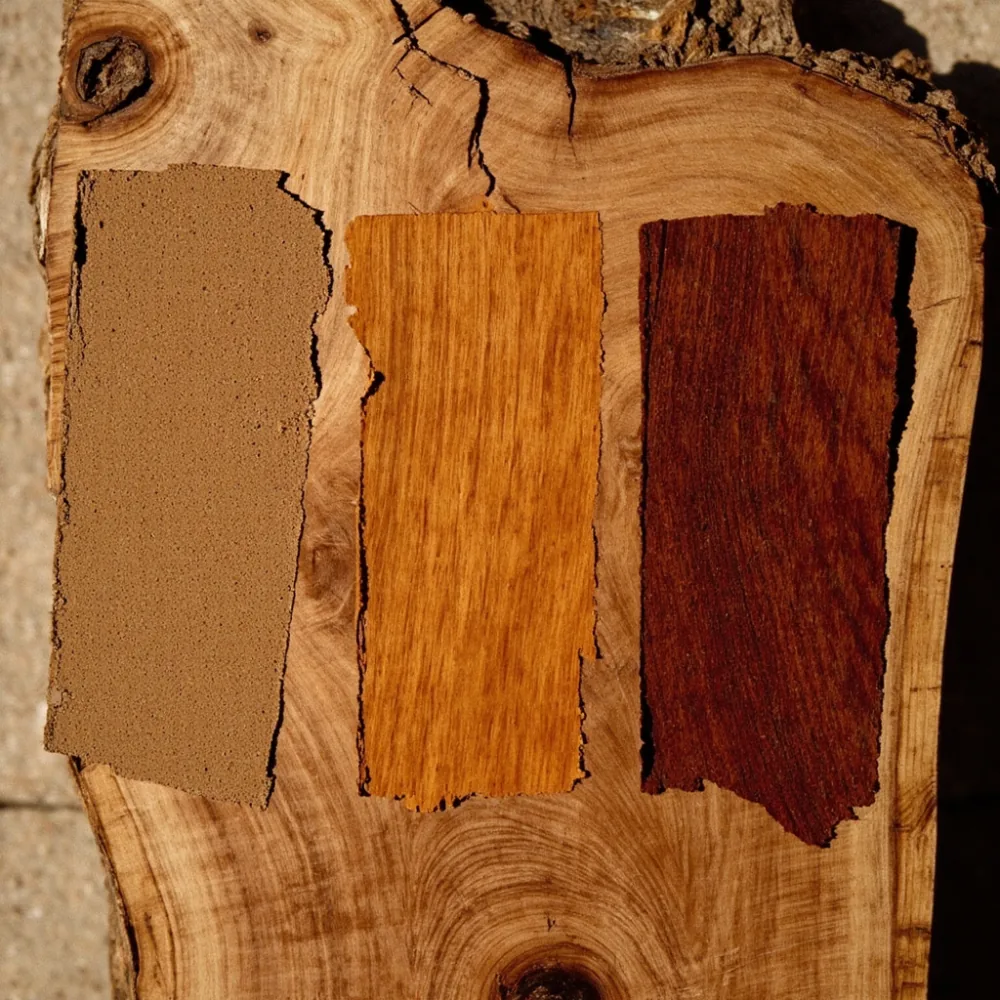
What the numbers look like at home
Why “kiln-dried” is only half the story
Yes, but not the way most marketing material suggests. Singapore’s relative humidity runs 70–90 % for most of the year, with daily swings of 15–20 %. Wood moves in response to that swing, not to the average. Over six months I logged my own dining table with a cheap hygrometer pinned under it: the slab breathed from 8.4 % to 13.1 % moisture, and that is enough movement on a 180 cm board for you to see the top edge drift a couple of millimetres between March and August.
Kiln-dried timber, which any credible custom furniture maker should be able to show you a certificate for, brings the wood down to roughly 8–10 % before construction. That is the right ballpark for an air-conditioned condo. In a HDB without constant air-conditioning you will see more seasonal movement, so the design has to allow it. Look for:
- Table tops with breadboard ends or floating panel construction, not one glued-up slab spanning 200 cm.
- Drawers with wooden slides that have at least 5 mm of vertical clearance for swelling.
- Extension leaves stored flat, never on their side, so they move with the table rather than warping separately.
I learned the hard way that an MDF core with a 2 mm oak veneer is more stable than a poorly dried solid oak top. Stability comes from drying and construction, not from the species.
Lacquer vs oil vs wax — which finish survives a Singapore household best?
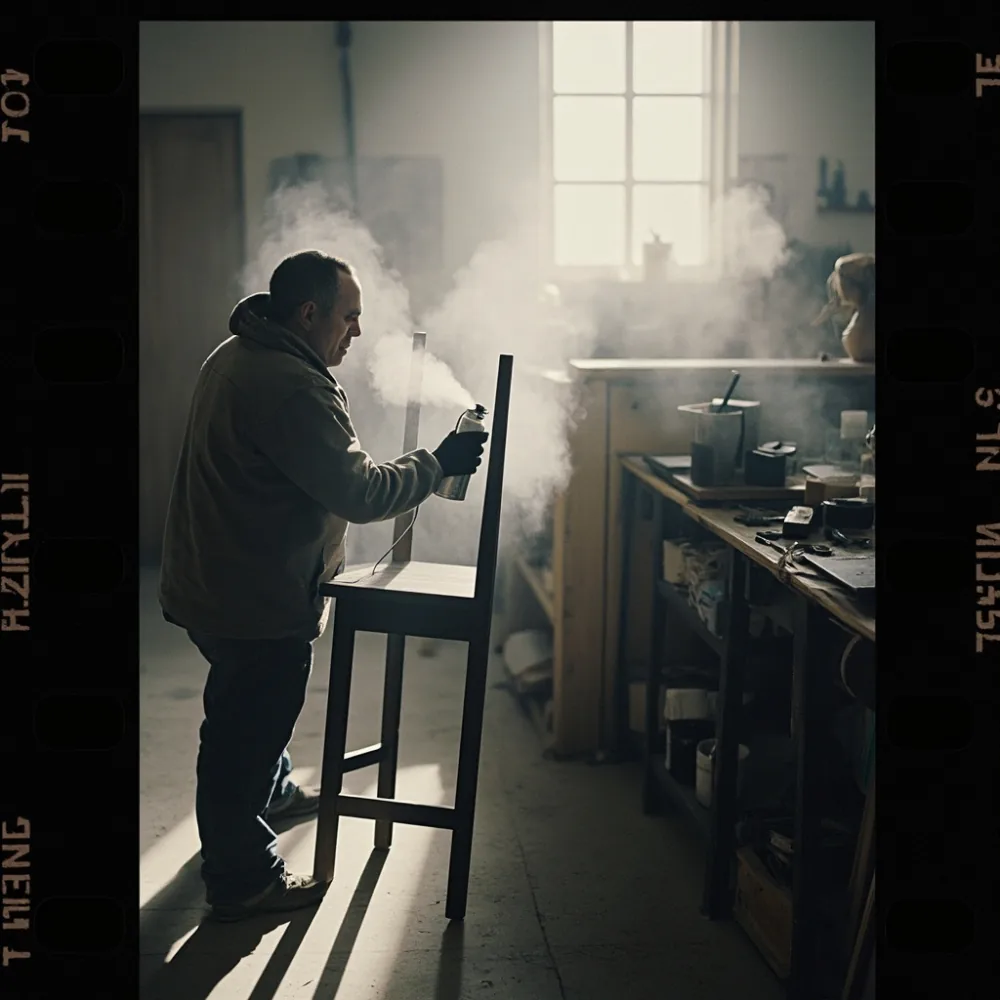
What I would buy again
What I would avoid
After three dining tables in ten years and a handful of sideboards and beds, my shortlist looks like this for a typical 90 m² HDB or a 1,200 sqft unit in a District 9 condo:
| Finish type | Look & feel | Spill resistance | Repair ease | Refinish cycle in SG | Typical price impact on a 180 cm dining table (SGD) |
|---|---|---|---|---|---|
| Conversion varnish (acid-catalysed) | Semi-gloss, very smooth | Excellent (alcohol-proof) | Hard — needs pro | 10–15 years | +400–700 |
| Polyurethane (2K water-based) | Satin to gloss | Very good | Hard — needs pro | 8–12 years | +250–450 |
| Hard wax oil (e.g. Osmo, Rubio) | Matte, natural feel | Good if recoated | Easy — sand 240, reapply | 12–24 months | +0 (often default) |
| Pure tung oil / Danish oil | Soft satin, visible grain | Fair | Very easy | 6–12 months | −100 to −200 |
| Shellac (French polish) | High gloss, warm | Poor against water and alcohol | Moderate | 3–5 years | +600–1,000 |
For a family with kids and a daily-used dining table, the 2K water-based polyurethane or a conversion varnish gives the best one-time effort to durability ratio. For a statement piece — a console in a dry, air-conditioned entryway — I would happily pick hard wax oil because the patina is part of the look. Pure tung oil is romantic but punishing: water sits on it and leaves a white ring in under a minute if the coat is thin.
How many coats of finish should a new dining table arrive with?
What “factory finish” really means
Cure time vs dry time
This is one of those questions I wish I had asked in my first year. A common industry standard for a factory-finished hardwood dining table is 1 sealer coat plus 2 topcoats, sanded with 320-grit between coats, for a total dry film thickness of roughly 60–90 microns. Anything advertised as “7-layer finish” is usually marketing copy — what matters is the total film thickness and the sealer underneath.
Two things catch buyers out. First, dry time is not cure time. A water-based polyurethane can feel dry in 30 minutes but only reaches full chemical cure in 5–7 days. Stacking chairs on it after 24 hours is fine; placing a hot pot straight from the stove on day three can still mar the surface. Second, the underside and the inside of table legs are often left raw to save time. Ask the seller. If the bottom of the table is unfinished, the board will cup in a HDB without air-conditioning, regardless of how thick the top is sealed.
As a rough rule of thumb I treat a new table like this in the first two weeks:
- Days 1–3: no coasters needed for cold drinks, no hot items directly on the surface.
- Days 4–7: cold and room-temperature use, coasters for anything wet.
- Day 8 onward: normal use with coasters under anything above 60 °C.
Which wood species actually hold up to Singapore humidity?
Cheap vs expensive, and why price does not equal survival
Singapore’s traditional teak and rattan pieces still floating around in Tiong Bahru walk-ups tell you something: dense, oily tropical hardwoods do well here. Teak, Burmese ironwood (chengal), and white meranti are the usual answers. For imported temperate species, white ash, hard maple, and European oak behave better than American walnut, which is gorgeous but moves a lot. Rubberwood is the most common local “budget” hardwood and is perfectly serviceable if the drying and finishing are right; it just does not have the longevity of teak.
Cost reality for a 180 cm × 90 cm dining table with six chairs, made-to-order, in 2024 prices:
| Species | Typical price range (SGD) | Expected service life with proper care | Movement in a non-AC HDB |
|---|---|---|---|
| Rubberwood | 1,400–2,200 | 8–12 years | Moderate |
| Ash / hard maple | 2,400–3,800 | 15–25 years | Moderate |
| European white oak | 2,800–4,500 | 15–30 years | Moderate |
| American walnut | 3,600–5,500 | 15–25 years | High |
| Burmese teak (FSC) | 5,500–9,000 | 25–40+ years | Low |
| Reclaimed teak (door panels) | 4,000–7,500 | 25–40+ years | Low |
For durable furniture on a mid-range budget, European oak or ash beats walnut in our climate. Walnut’s colour is gorgeous, but I have watched a friend’s 200 cm walnut top in a Bukit Timah condo gap open by 3 mm across two monsoon seasons.
How do you care for a wood finish once the table is in your HDB?
Daily habits
What to do when something goes wrong
Daily, the single most useful habit is a felt pad under everything that sweats — laptops, vases, plants. The second is wiping spills inside 5 minutes, not because the finish is fragile, but because grit in the water acts like sandpaper when you wipe. Weekly, I use a microfibre cloth lightly dampened with water, then dry. I do not use silicone polishes; they build up into a hazy film that is a nightmare to strip later.
If you have a hard wax oil finish, plan a refresh coat every 12–18 months. It is genuinely a one-afternoon job: light sand with 240-grit on a soft pad, tack cloth, then two thin coats with a lint-free cloth, 6 hours apart. A 250 ml tin of Osmo or Rubio covers a six-seater table with enough left over for two side tables. Budget roughly SGD 35–55 per tin.
For film finishes, the real repair is a re-coat, not a patch. If the table has a noticeable dull spot, a professional buff and re-topcoat in your home runs SGD 180–350 for a dining table and takes about 3 hours. White water rings on oil finishes usually come out with a light sand and re-oil; on film finishes they often need the whole top scuffed and re-coated to disappear evenly.
How long does delivery and assembly actually take when you order custom furniture from overseas?
What a realistic timeline looks like
Why I now pay extra for white-glove
For a custom dining set from a Foshan or Guangzhou maker, the realistic timeline in my last two purchases was: 25–35 days for production after deposit, 10–14 days for sea freight to Singapore, 3–7 days for customs clearance and local trucking, and 1 day for assembly on site. Total 6–9 weeks door-to-door. Air-freight cuts sea transit to about 5 days but adds roughly SGD 600–1,200 for a dining set and usually means the piece arrives flat-packed, not fully assembled.
Access in older HDB blocks is the constraint people underestimate. A 200 cm × 100 cm fully-assembled table will not fit in a standard HDB lift (door opening 80 cm × 210 cm, cabin 110 cm wide × 140 cm deep). The realistic options are: split-top construction, two-piece tabletop joined on site, or assembly in the unit itself. I now budget an extra SGD 150–250 for in-unit assembly and ask the supplier specifically whether the delivery crew will bring their own cordless drill and rubber mallet. MIDHILL, a Foshan-based solid wood maker I came across on a trade visit, ships with that toolkit as standard and gives a 10-year structural warranty on frames and joints, which is one of the longer ones I have seen outside European makers.
If you live in a District 10 or 11 condo with loading-bay access and a service lift that takes 140 cm × 240 cm panels, your options open up considerably and you can order fully-assembled case goods without drama.
What is a fair price to pay for a finished solid wood dining table in Singapore?
What drives the number up
What I would not pay extra for
A reasonable 2024 range for a finished 180–200 cm solid wood dining table with six chairs, made-to-order from an established workshop, is SGD 2,800–5,500 for oak or ash, and SGD 5,500–9,000 for teak. If you are quoted under SGD 1,800 for what looks like a solid-wood six-seater, something is off — usually the “solid wood” is rubberwood with a thin oak veneer, or the chairs are plywood with a wood-look laminate.
The price drivers that genuinely matter, in order of impact: species, joinery (mortise-and-tenon and dovetail cost more than dowel and cam-lock), top thickness (4 cm vs 2.5 cm roughly doubles the timber cost), and finish system (a conversion varnish line adds capacity cost the maker passes on). The price drivers that are mostly marketing: “German coating”, “Italian design”, “7 layers of finish”, “hand-selected grain”. Ask to see the actual spray line or the actual grain-matching sample; if they cannot show it, do not pay for it.
For a small condo or a HDB where you want small space furniture, a 140 cm round table with a centre leg is often a better buy than the standard 180 cm rectangle — same seating, better traffic flow, and the centre leg means no one is fighting with a corner post. Pair it with a slim leather sofa on the opposite wall and you have the bones of a room that survives both daily life and the occasional dinner party without constant rearrangement.
Frequently asked questions
What is the best wood finish for a dining table in Singapore?
For a daily-use family dining table in a HDB or condo, a 2-component water-based polyurethane or an acid-catalysed conversion varnish gives the best spill and heat resistance for the lowest maintenance. Hard wax oil looks more natural but needs a refresh every 12–18 months.
How long does a polyurethane finish take to fully cure?
A water-based polyurethane feels dry in 30–60 minutes but only reaches full chemical cure after 5–7 days at room temperature. Avoid placing hot items, heavy stacked objects, or rubber-backed mats on a freshly finished table during that first week.
Is solid oak good for Singapore weather?
European white oak behaves well in Singapore provided the boards are kiln-dried to 8–10 % before construction and finished on all sides, including the underside. Expect mild seasonal movement of 1–3 mm across a 200 cm top; this is normal and not a defect.
Can I oil over an existing lacquer finish?
No. Oil will not penetrate a cured film finish, so it will sit as a sticky residue that never dries properly. To switch from lacquer to oil you must strip or sand the table back to bare wood first, which is usually a shop job.
How much should a custom solid wood dining table cost in Singapore?
A made-to-order 180–200 cm table in oak or ash with six chairs typically costs SGD 2,800–5,500 in 2024. Teak of the same size runs SGD 5,500–9,000. Quotes below SGD 1,800 for a full set usually indicate rubberwood, plywood, or a veneer over MDF.
Questions about specifications, fabric or delivery? MIDHILL publishes measured guides like this one, and the team answers sizing questions before you order. See the full collection or contact the team.