Caring for a Lacquered Wood Finish in a Tropical Climate: What Singapore Owners Should Know
I learned this lesson the hard way last August, when a client in Tampines called me about a dining table she had owned for barely nine months. The lacquered surface, which had looked like glass when MIDHILL delivered it, now showed a faint cloudy ring near the centre. Her home stayed at around 28 to 31°C with 78 to 85 percent humidity for most of the day, the air-con ran only in the bedrooms, and the table sat about 1.4 metres from a west-facing balcony door. Nothing was wrong with the wood finish itself. The environment had simply been doing its job, which is to slowly attack whatever sits inside it.
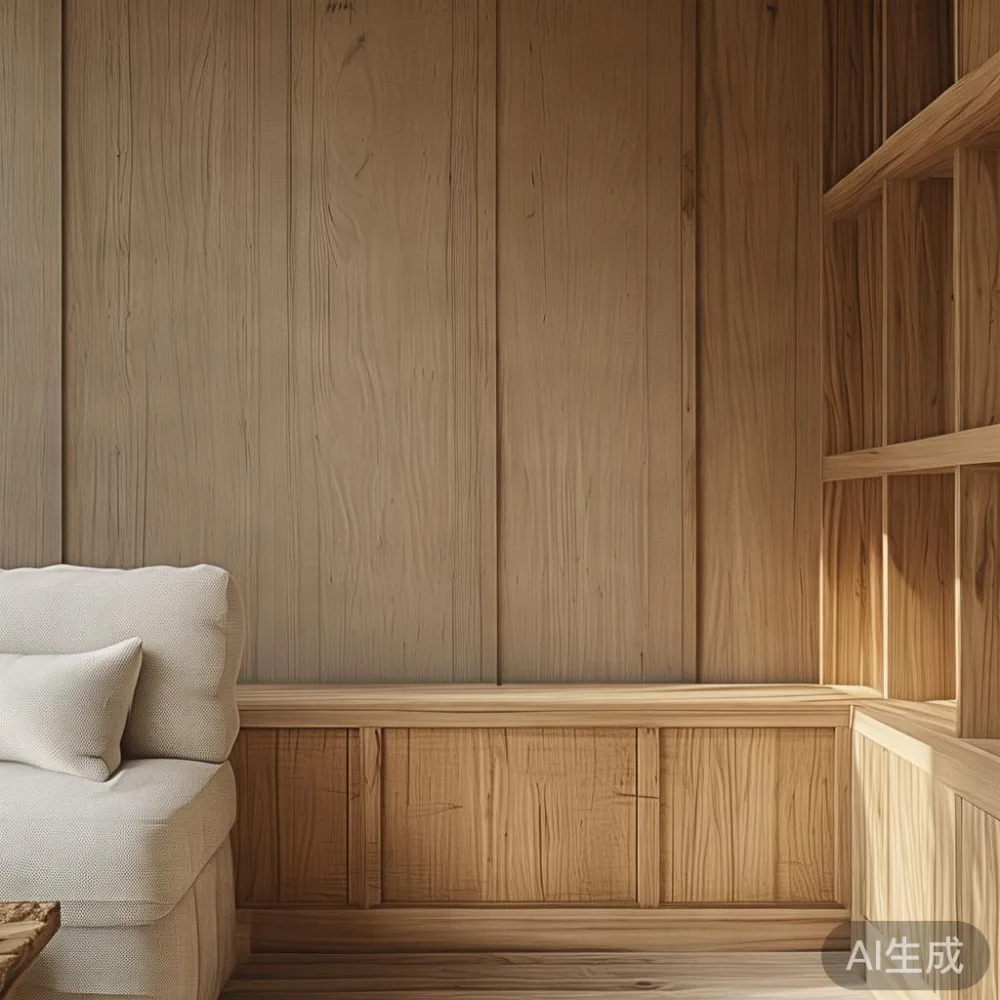
Lacquered solid wood furniture behaves beautifully in Singapore for years, but it does not behave the same way as it does in a Kunming showroom or a Boston brownstone. The wood finish on a 1.8 metre dining table or a 2 metre wardrobe will react to heat, moisture, ultraviolet light, and the small knocks of daily life. Understanding those reactions is the difference between a piece that looks new at year eight and one that looks tired at year two.
Why Singapore's Climate Is Harder on Lacquer Than Most People Expect
Three forces work on lacquered wood finish in any HDB flat or condo in places like Bedok, Punggol, or Bukit Batok. First, relative humidity sits between 70 and 85 percent for at least nine months of the year. Second, indoor temperatures rarely drop below 24°C, even with air-conditioning running. Third, ultraviolet light pours through full-height windows that became standard in BTO flats built after 2015.
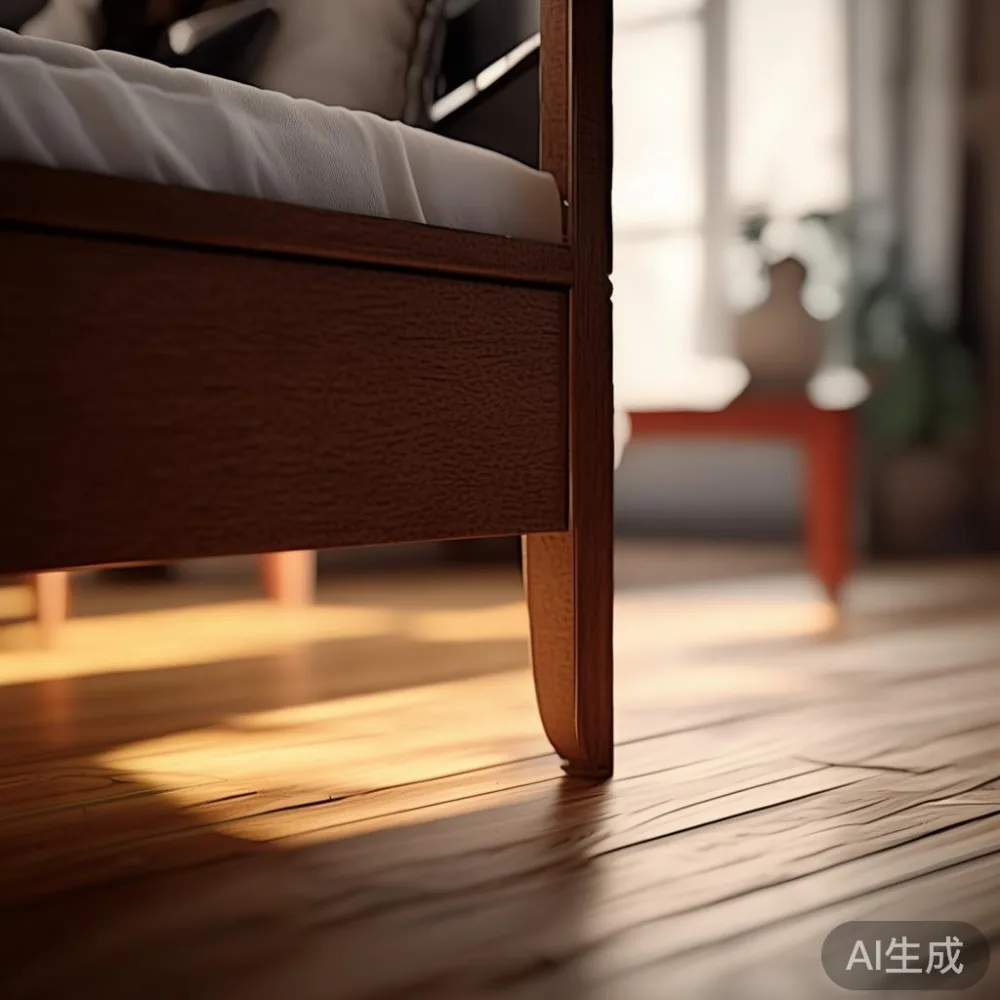
A polyurethane or nitrocellulose lacquer forms a thin film on top of the solid wood substrate. That film is roughly 0.05 to 0.12 millimetres thick, which sounds generous until you remember that a human hair is about 0.07 millimetres. Under sustained heat above 30°C the film expands at a slightly different rate than the rubberwood, ash, or oak underneath it. Under sustained humidity the wood swells and contracts by 1 to 3 percent across the grain. The lacquer cannot always keep up, which is why you sometimes see hairline cracks along the long edge of a dining table top or a nightstand drawer front.
Add Singapore's annual monsoon periods, when humidity spikes overnight and the air-con thermostat drops, and you have a finish that is constantly under tension. The good news is that lacquer is forgiving. A solid wood dining table from a maker like MIDHILL is built with a 10-year structural warranty and a lifetime refinishing promise, so the substrate is protected. The lacquer itself is the part you, the owner, take care of.
The Real Cost of Living With a Lacquered Wardrobe and Bed Frame in a 4-Room HDB
Let us anchor this in numbers that matter for an HDB owner budgeting for furniture in SGD. A queen-size solid wood bed frame in a light-luxury French-inspired design, with a sealed lacquered headboard and footboard, typically retails between SGD 1,480 and SGD 2,350 from a Foshan workshop exporting to Singapore. A six-door lacquered wardrobe runs from SGD 2,200 to SGD 4,800 depending on internal configuration. Add a matching two-drawer nightstand at around SGD 380 to SGD 620 each, and a single bedroom set lands between SGD 4,060 and SGD 7,770.
Maintenance costs over ten years, assuming you follow the routine below, come to roughly SGD 15 to SGD 30 per year. That covers a 250 ml bottle of pH-neutral wood finish cleaner (about SGD 12), a microfibre cloth set (SGD 8 to SGD 15), and one professional inspection in the seventh or eighth year, which a Foshan maker usually charges SGD 80 to SGD 160 if you ship a sample or send photos. Compare that to replacing a peeled dining table top at SGD 600 to SGD 1,200, and the math is straightforward.
How do I choose a shipping damage for a balcony?
You do not choose shipping damage at all; you choose a balcony layout that prevents it by keeping every lacquered surface at least 60 cm away from direct weather, and by inspecting every carton in the lift lobby before signing the delivery order in Singapore.
Here is the routine I walked that Tampines client through. Lift lobbies in most HDB blocks measure about 1.8 m by 3.5 m, which is just enough room to open a long flat-pack carton if you angle it. Corridor widths are typically 1.2 to 1.4 m, so a 2.1 m wardrobe panel has to travel vertically, not horizontally. When the delivery team arrives, spend three minutes at the door with a torch. Look for corner dents deeper than 5 mm, crushed EPS foam, water staining on the cardboard, and any smell of mildew. Photograph anything suspicious before the carton enters your home. If you spot damage, write "Received with damage, carton X" on the delivery order before you sign. This single step saved a Punggol family SGD 340 last year when their marble table top arrived chipped on one corner.
For a balcony placement, lacquered pieces should sit under a covered section with at least 60 cm of clearance from the parapet edge, 30 cm from any side wall, and never directly under a hanging plant. Balcony tiles in Singapore collect fine dust that contains sea salt; that dust will dull a lacquered wood finish within four to six weeks if the furniture sits uncovered.
A Daily and Weekly Care Routine That Actually Works
I keep a laminated A5 card in my own bedroom drawer with this routine, and I have shared it with more than forty clients since 2019. It is unfussy on purpose.
Daily (under 60 seconds): Wipe the surface with a dry microfibre cloth, moving with the grain. On a solid wood dining table that seats six, this takes about 40 seconds. On a marble table with a wooden base, focus on the base only.
Weekly (about 5 minutes): Lightly mist a clean microfibre cloth with a pH-neutral wood finish cleaner, never spray directly onto the surface. Wipe once with the grain, then immediately buff dry with a second cloth. Avoid silicone-based polishes, furniture sprays containing solvents, and any product labelled "shine restorer"; they leave a residue that traps moisture against the lacquer.
Monthly: Check all four corners of each piece, the underside of table tops, and the back panels of wardrobes. Look for dull patches, sticky residue, or any white haze. Lift coasters and placemats; trapped humidity under a cork-backed coaster will ghost into the lacquer within six to eight weeks.
Every 6 months: Apply a small amount of paste wax designed for lacquered surfaces, about the size of a five-cent coin, spread with a soft cloth across a 60 cm by 60 cm area. Buff after 20 minutes. One 200 g tin costs SGD 22 to SGD 35 and covers a four-piece bedroom set for two to three applications.
If you follow that sequence, your lacquered bed frame, nightstand, wardrobe, and dining table will hold a clear reflection at year ten. The Tampines client who prompted this article adopted the routine in September, and her cloudy ring had faded to invisible by the November inspection.
Common Mistakes I See in Post-Reno HDB Homes
The most expensive mistake is placement, not cleaning. New BTO flats in Sengkang and Punggol often have open-plan living rooms where the dining table sits 1.5 m from the kitchen entrance. Cooking steam, which contains microscopic oil droplets, drifts across the table three times a day. Within twelve months, the lacquer near the kitchen side of a 1.6 m dining table will yellow slightly compared to the other side.
The second mistake is air-con placement. A split-unit blowing directly across the headboard of an American king bed uae style frame, the kind with a tall 1.2 m headboard in post-modern light luxury lines, will dry out one edge of the wood finish while the opposite edge stays humid. That uneven drying creates the slight cup you sometimes see along wide headboards. Redirect the louvre so airflow runs along the ceiling, not across the wood.
The third mistake is over-polishing. A neighbour in Bedok North polished her dining table every weekend for three years with a silicone spray she bought at a neighbourhood shop. The lacquer became so cloudy that she assumed it had failed. It had not. A single professional de-greasing, followed by paste wax, restored 90 percent of the original sheen in one session. Less is genuinely more with lacquer.
What to Do When Damage Actually Happens
Heat marks from a hot cup, water rings from a sweating glass, light scratches, and small lacquer chips are all fixable without replacing the piece. A heat mark on a dining table top usually sits in the wax layer above the lacquer, not in the lacquer itself. Place a clean cotton cloth over the mark, press with a warm iron set to low for eight to ten seconds, and the wax often reabsorbs the discolouration. Water rings respond to a paste of cigarette ash and a few drops of lemon oil, rubbed gently with the grain, then buffed dry.
For a deeper scratch that has cut through the lacquer into the wood, a touch-up kit in the matching wood finish tone works well on oak, walnut, and ash. MIDHILL ships small bottles of custom-blended finish with every order, so most owners can do a near-invisible repair at home. For chips larger than 8 mm across, or for any damage on a marble table top, send a photo to the maker and ask about their lifetime refinishing service. Returning a top to Foshan and back is rarely worthwhile under SGD 600 of damage, but the maker can usually guide a local carpenter through a repair.
Storage, Moving, and the GST Question for Refinished Pieces
If you renovate and need to store lacquered furniture, climate matters even more than usual. A storage unit in Singapore without climate control will sit at 32°C and 85 percent humidity. Wrap each piece in breathable cotton, never plastic. Place 5 kg silica gel packs inside wardrobes and drawers. Improves pieces on 5 cm wooden battens so air circulates underneath.
Moving day is the single biggest risk to a lacquered wood finish. A 2.4 m wardrobe moved by two people who are not used to tight HDB corners will leave at least one scuff. Hire movers who quote for shrink-wrapping in cotton blankets, not stretch film, and who carry SGD 50,000 of goods-in-transit insurance as standard. The Singapore standard rate for a three-piece move within a single HDB town is SGD 180 to SGD 320, and that usually includes basic wrapping.
On GST: refinishing work sent back to Foshan and re-imported may be subject to the prevailing 9 percent GST on the declared value at Singapore customs. Most owners find it more cost-effective to use a local upholsterer for surface touch-ups and ship back only when structural work is needed. Keep your original commercial invoice and warranty card; both simplify any cross-border claim.
Long-Term Habits That Keep a Lacquered Surface Honest
Three habits separate owners whose furniture still looks new at year ten from those who replace pieces at year four. Rotate accessories every three months so one corner of a dining table does not sit under a permanently shaded plant. Wipe up spills within ten minutes; coffee and tea contain tannins that etch lacquer faster than plain water. Keep indoor relative humidity between 45 and 60 percent with a small dehumidifier in the wardrobe zone if your unit runs hot.
And finally, accept that lacquer is a living surface. A 1.8 m solid wood dining table from a workshop with two decades of export experience, used daily by a family of four in a Tampines five-room flat, will pick up small marks. That is not failure. That is a piece of furniture earning its place in your home, the way a leather bag softens or a marble table develops a quiet patina. Care for it gently, inspect it twice a year, and the wood finish will reward you with the kind of quiet, long-lasting presence that light-luxury furniture is designed to deliver.