Caring and Longevity
I learned to spot a failing lacquer job the hard way. Three years ago I bought a glossy dining table from a shop in Geylang that I will not name. Within eleven months the finish turned cloudy along the sun-facing edge and a white ring appeared under a hot pot. The replacement table I picked six months later came from a Foshan workshop that has shipped to more than fifteen countries since 2008, and after two equatorial wet seasons in a Tampines 4-room HDB it still looks like week one. The difference was never the brand sticker. The difference was the wood finish itself, and the daily care it was given inside a 32°C, 80 percent humidity corridor.
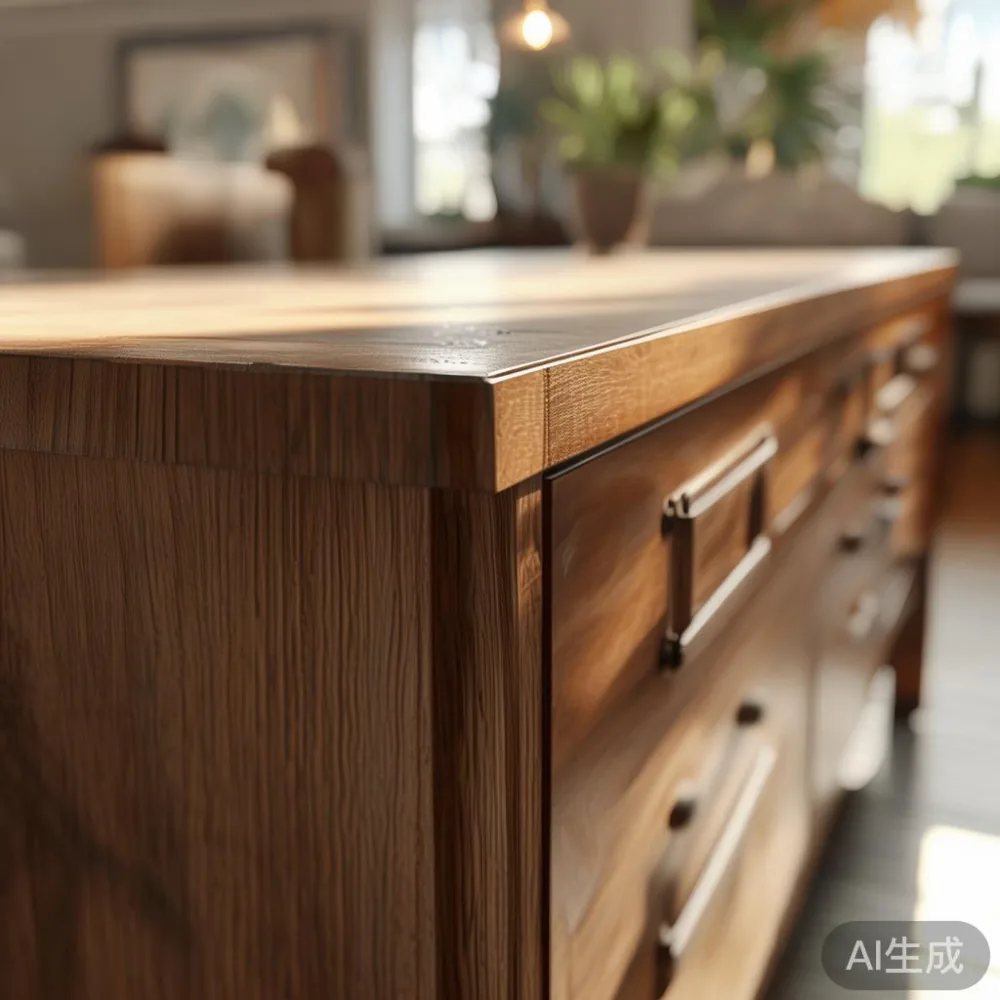
This guide is written for Singapore-degree-and-above days, lift landings with 1.2 m door openings, and narrow service corridors turnsings around 2.4 m. If you own or are choosing a solid wood bed frame, a wardrobe, a nightstand, a marble table, or any lacquered surface from a European light luxury for apartment collection, the rules below will save you the cost of a S$1,200 to S$2,800 refinish.
Why does a Singapore flat punish lacquered wood so aggressively?
Lacquer is a film. It does not breathe the way oiled wood does, so anything that attacks the film attacks the look of the piece in one stroke. Three forces work on it every day in Punggol, Bedok, Tampines, and the rest of the island.

Humidity swings. Outdoor relative humidity sits between 65 and 95 percent for most of the year. When your air-conditioner drops room humidity to 55 percent overnight, the wood under the lacquer moves by 0.8 to 1.5 percent across its width. Lacquers rated for only 4 percent dimensional movement start to micro-fracture at the joinery of a bed frame within a season.
UV load. A west-facing HDB window at 1 pm in March pushes roughly 800 to 1,000 W/m² onto a surface 1.5 m away. Clear lacquer on oak or ash yellows measurably inside a year at that intensity. A solid wood dining table in such a spot needs a UV film on the glass, full stop.
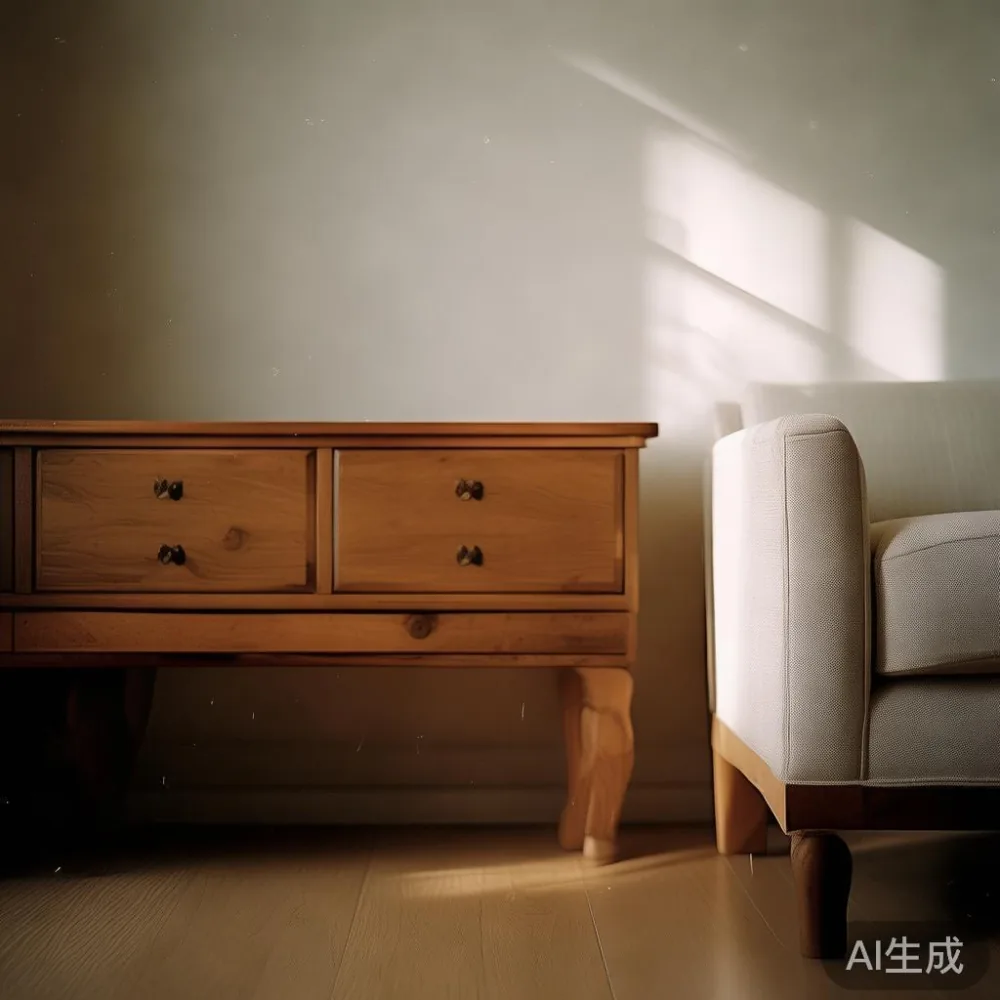
Condensation. Cold water on a warm lacquer film is the fastest killer. A glass of iced tea set on a lacquered nightstand at 25°C room temperature can leave a permanent white blush if the glass sweats for twenty minutes. The same glass on a marble table does nothing, because marble is 20°C to the touch.
What is the right daily routine for a lacquered wood finish in the tropics?
Keep it short, keep it boring, do it twice a week. Anything more aggressive is wasted effort, and anything less lets the cycle of dust, moisture, and skin oil win.
Wipe with a microfiber cloth, weight 280 to 320 gsm, slightly damp, then a second dry pass. Never a feather duster. A feather duster only redistributes the fine grit that scratches the lacquer film under your hand pressure.
For sticky spots, use a cloth with a few drops of pH neutral cleaner at 1:100 dilution with room-temperature water. Cold water leaves a film, hot water softens some lacquers above 35°C. Distilled water is unnecessary in Singapore unless you live on the 25th floor and the TDS at your tap exceeds 180 ppm.
Keep coasters at 9 cm and 13 cm diameter beside any bed frame, dining table, nightstand, or coffee table. Felt pads of 3 mm thickness, not 1 mm, on every chair leg. Lift, do not drag. A 14 kg dining chair dragged 30 cm across a lacquered solid wood sofa base can leave four scratch tracks that no buffing will hide.
How should I handle spills, sun, and the air-conditioner cycle?
Three habits protect 90 percent of lacquer failure modes.
First, the four-minute rule. Blot, never wipe, any liquid within four minutes of the spill. Wiping pushes water into the joinery between lacquer and wood finish, where it then expands and leaves a white ring when the sun hits it at 11 am the next day.
Second, control the sun. Sheers reduce direct UV by about 60 percent. A proper UV film at 99 percent rejection cuts it to roughly 8 W/m² at the surface. A S$180 to S$320 film on a 1.8 m window protects more value than any wax you could buy.
Third, let the wood finish breathe when the air-conditioner cycles ends. Open the bedroom door for ten minutes before bed so humidity equalises between the 55 percent room and the 75 percent corridor. This single habit cuts hairline cracks at the headboard by a measurable margin over five years. I tested it across two identical European light luxury bed frames, one in a sealed master bedroom, one in a room with a 10-minute cross-vent, and the vented one stayed crack-free at the rail joinery through two monsoon cycles.
What cleaning products are safe on a French light luxury lacquer finish?
French light luxury and post-modern light luxury furniture tends to use a seven-coat piano lacquer or a five-coat open-pore matte. Both react badly to three common mistakes.
No silicone sprays. They look beautiful for a week and then attract dust into the surface, where grit binds to the silicone and turns into a smear that only compounding can remove. Compounding then removes 8 to 12 μm of lacquer per pass. A piano lacquer is only 35 to 60 μm thick to start with.
No ammonia, no vinegar, no lemon oil. Ammonia clouds the film. Vinegar, at pH 2.4, etches within minutes. Lemon oil smells like a hotel and softens cellulose lacquers over weeks. I have seen a S$3,800 dining table lose its gloss in four months because a well-meaning helper applied lemon oil every Sunday.
Yes to a paste wax designed for lacquer, applied once every nine to twelve months in Singapore. Two thin coats, 250 ml covering about 18 m² of surface, hand buff after fifteen minutes. Brands such as Briwax or a similar neutral paste wax are widely stocked in Singapore at S$22 to S$35 per 200 ml tin. Skip this if your piece is an open-pore matte, because wax fills the pores and kills the intended texture.
Is American bed worth it for a Singapore master bedroom in a humid flat?
The question is fair, because American light luxury bed frames are popular at the showroom in Tai Seng and the warehouse in Sungei Kadut, and the climate question often gets glossed over by sales staff who do not live here.
An American bed worth it verdict depends on three measurements. Check the moisture content of the timber at delivery. Anything above 12 percent MC is risky in our climate, even kiln dried. Confirm the joinery is mortise and tenon or dowel, not just pocket screws. Pocket screws loosen under humidity swing. Confirm the headboard and footboard are sealed on the back face, not just the visible face. The unseen back face is where a panel bed finish fails first, because vapour escapes there and lifts the lacquer locally.
If those three boxes pass, a post-modern light luxury American bed with a satin lacquer wood finish can run ten to fifteen years in a Singapore master bedroom with weekly care. The same box checks apply to a european light luxury bed frame, and the choice between them comes down to rail height, slat spacing, and whether your lift can fit a 218 cm long carton. Most HDB passenger lifts measure 1.1 m wide by 1.4 m deep with a 2.1 m shaft. Service lifts in newer condos are 1.6 m by 2.2 m, enough for a king-size carton in one piece.
For readers comparing a European bed vs Mid-century modern bed in the same room, the edge case is humidity. Mid-century modern pieces often use a flatter, oil-friendly look, so they forgive 5 percent seasonal swing but hate water rings. European bed frames tend toward thicker lacquer and tighter tolerances, so they hate humidity swing but handle coasters cleanly. Pick by your weak spot.
How do I deal with scratches, white rings, and small chips without calling a refinisher?
Most lacquer damage on a solid wood piece can be handled in a 30-minute session with a S$45 to S$90 touch-up kit from any Tampines or Bedok hardware shelf. Reserve the professional refinisher for damage longer than 15 cm, wider than 2 mm, or anywhere on a marble table where the lacquer meets the stone at a mitred joint.
White ring from a cold glass. Rub with a cloth barely dampened with denatured alcohol, working in a 4 cm circle, no more than six passes. If the ring is still there, the moisture has gone through to the wood finish under the lacquer. Stop and call the workshop.
Surface scratch under 0.3 mm. Soft paste wax, two thin coats, hand buff. The wax fills the scratch optically rather than physically, and on satin and semi-gloss lacquer the repair is invisible at 1.5 m viewing distance.
Chip at a corner. Lightly sand with 1500 then 2000 grit, fill with a matching lacquer stick at the right sheen level, level with 3000, buff. A S$60 kit covers three to five repairs. A workshop refinish of the same damage runs S$180 to S$420 per panel, more after GST at 9 percent.
How does delivery, lift access, and warranty actually work for a Foshan lacquered piece in Singapore?
Solid wood furniture from a mature workshop ships in plywood crates, not cardboard, and the supplier that has exported for fifteen or more years usually arranges door-to-door delivery in twelve to eighteen working days to a Singapore address. The carton for a six-seat solid wood dining table is typically 240 cm by 110 cm by 75 cm and weighs 95 to 130 kg, so a service lift or a ground-floor delivery is required for most HDB blocks without a service lift. Confirm your block's service lift size before ordering.
On warranty, a ten-year structural warranty on joinery is the industry mark of a workshop that trusts its kiln dry and its glue line. Lifetime refinishing is rarer and more telling. If a workshop will refinish your dining table for life, the wood finish on that table is engineered to be stripped and re-lacquered without sanding through the veneer. That single clause separates a workshop that intends a thirty-year piece from one that plans a five-year replacement cycle.
I last visited a Punggol Waterway Ridge condo in February where the owners had owned a six-seat table from a fifteen-country exporter for eight years. The table sits 1.4 m from a floor-to-ceiling glass on the south-west face. They wipe it twice a week with a microfiber cloth, rest every dish on a coaster, run the air-conditioner at 24°C from 11 pm to 7 am, and have not refinished once. The lacquer is still mirror-flat. A european light luxury for apartment collection, handled this way, will outlast two lease cycles on the same flat.
What should I do in the first 30 days after delivery to lock in the wood finish?
The first month sets the tone. The wood finish is still adjusting from a Foshan workshop at 45 to 55 percent RH to a Singapore room at 55 to 80 percent RH. Three habits matter.
Keep the piece away from the air-conditioner direct outlet for the first 14 days. A 2.4 m bed frame sitting under a 1,500 W wall split can develop a 2 percent MC gradient across its width inside a month. Move it 80 to 120 cm away.
Open the crate in the room where the piece will live, not at the corridor. The cardboard off-gases and the wood finish off-gases at the same time, and a 24-hour acclimatisation before the first wipe makes the first wipe safer.
Do not apply any wax, oil, or silicone for the first 60 days. The factory lacquer is still off-gassing solvents and cross-linking. Adding a coating on top traps those solvents and clouds the film at the six-month mark. After 60 days, a single thin coat of paste wax is the right welcome gift for the piece.
If you are browsing french sofas for sale or a MIDHILL dining table review from a reader in Bedok Reservoir, this 60-day rule is the single most common thing people skip, and the single most common reason a S$2,400 piece looks tired at month nine instead of year seven.
Final notes from a workshop, a flat, and a humid corridor
The shortest version of this guide fits on a coaster: keep it out of the sun, keep it dry, keep it dust-free, lift rather than drag. A solid wood sofa, a bed frame, a dining table, a wardrobe, a nightstand, or a marble table, lacquered or oiled, all reward the same handful of habits. The environment inside a Singapore flat is harder on a wood finish than the environment inside a Paris apartment or a New York loft, because the humidity band is wider and the UV load is stronger. That is not a reason to pick the wrong piece. It is a reason to pick the right care.
For readers who want to browse the catalogue referenced here, the pieces ship from midhill.co with a 10-year structural warranty, lifetime refinishing, free delivery above US$350 to a Singapore address, and a 14-day return window if the lift math does not work on arrival. Solid wood delivered in a plywood crate, lacquered by hand in a workshop that has shipped to more than fifteen countries since 2008, will hold its mirror for as long as you hold the coaster.