Tropical Climate Care for Lacquered Solid Wood
Lacquer can give solid wood a polished, calm appearance, but Singapore’s heat, humidity, salt-laden air, and frequent indoor air-conditioning create demanding conditions. A well-finished wood finish may still develop fine scratches, colour shifts, or a dull sheen if it is wiped with the wrong product. The practical answer is simple: use mild cleaning, control moisture exposure, protect high-touch areas, and schedule refinishing before the finish becomes visibly uneven.
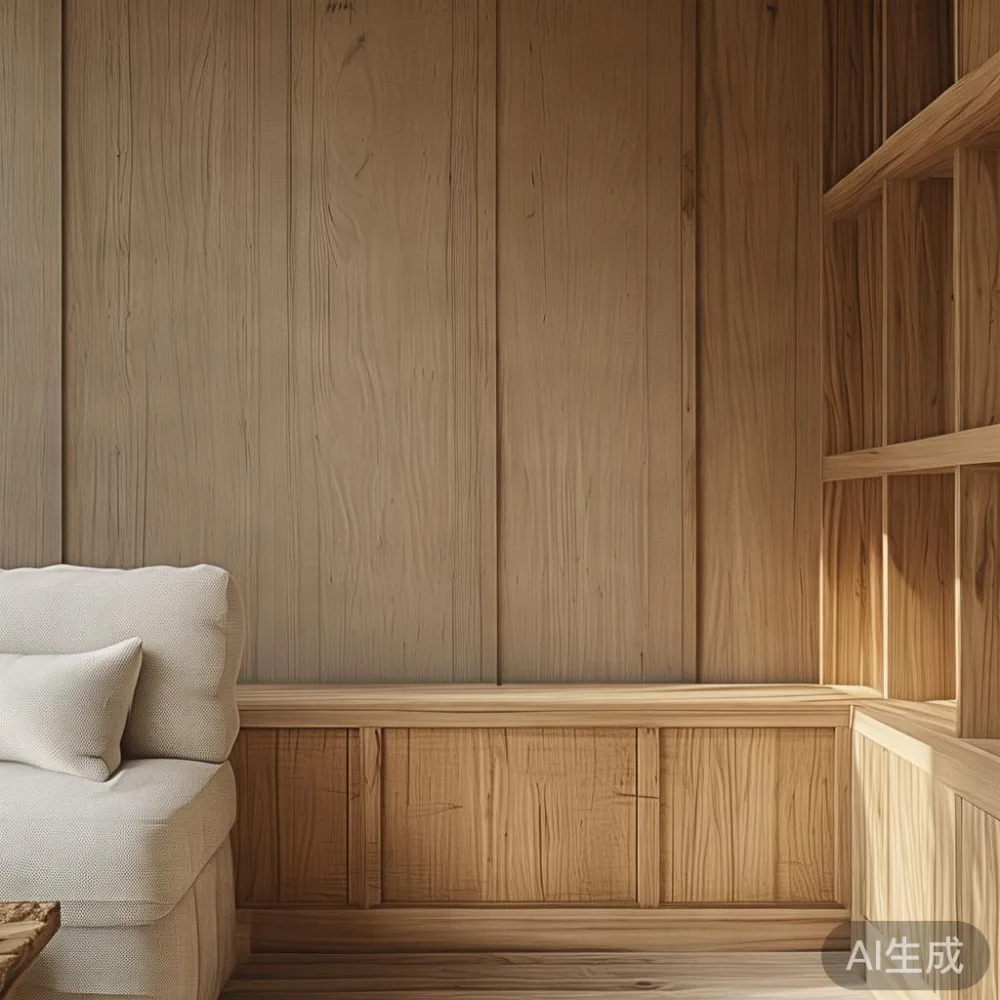
For Singapore households, furniture care must also fit the realities of HDB flats and condos. A solid wood sofa may sit in a compact living room in Tampines, a bed frame may face a corridor in Bedok, and a dining table may occupy a balcony-adjacent dining area in Punggol. Furniture dimensions, lift access, GST, delivery timing, and after-sales support all affect how responsibly a piece can be owned.
MIDHILL has manufactured solid wood furniture since 2008 and exports to more than 15 countries. Its 10-year structural warranty, lifetime refinishing service, 14-day returns, and free shipping above US$350 provide useful context, but customers should still understand how to maintain a lacquered wood finish in a tropical climate.
What Makes Lacquer Care Different in Singapore?
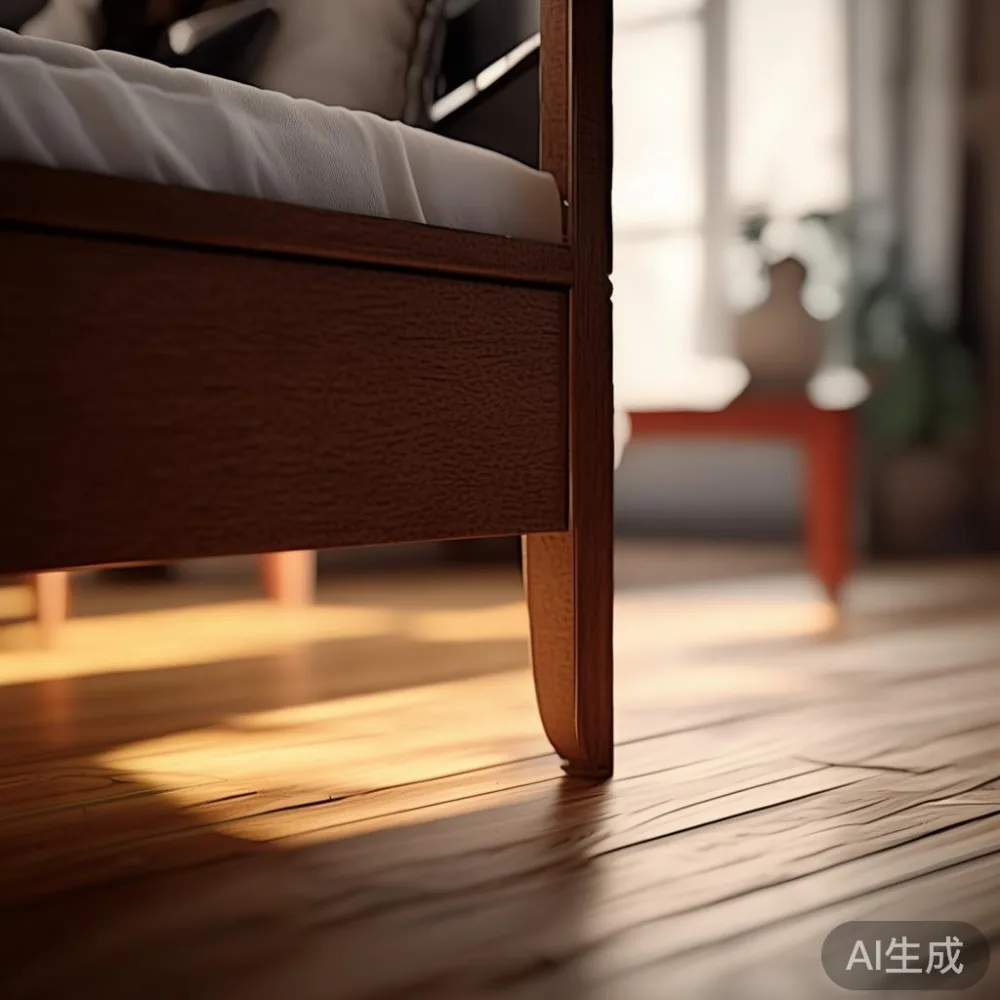
Lacquer is applied in thin layers over prepared wood. The resulting film resists many ordinary stains, yet it remains sensitive to heat, alcohol, ammonia, abrasive pads, and standing water. High humidity can also cause the underlying wood to move as it absorbs and releases moisture. In a Singapore home, this movement may create tiny gaps at joints, although it does not necessarily indicate a structural failure.
Typical indoor conditions in Singapore fall roughly between 22°C and 32°C, with relative humidity often ranging from 55% to 80%. During the monsoon period, humidity may exceed 80% for extended periods. Meanwhile, air-conditioned rooms can become much drier, sometimes near 45% relative humidity. The repeated shift between these environments is more relevant to lacquer care than a single high-humidity reading.
Place lacquered furniture away from direct sunlight, air-conditioner vents, kitchen steam, bathroom splashes, and balcony doors that remain open. A gap of at least 60 cm from an exterior wall is sensible for a frequently used piece, while a wardrobe should have about 10 cm of rear clearance for ventilation and servicing. Do not cover a lacquered dining table with a thick cloth for hours; it can trap heat and moisture against the finish.
Light-luxury design has no immunity to tropical wear. French light luxury, American light luxury, and post-modern light luxury all depend on surface quality, so careful maintenance preserves the intended visual character rather than merely prolonging a product’s life.
How should you clean a lacquered wood finish safely?
Start with a soft, lint-free microfibre cloth. For routine cleaning, lightly dampen it with clean water and wring out excess moisture before wiping. The cloth should feel barely damp, not wet. Wipe in the direction of the grain, then use a second dry cloth to remove moisture and restore an even appearance.
For marks, prepare a mild solution in a bowl using approximately 200 ml of lukewarm water and 2 ml of mild dish soap. Dip the cloth into the mixture, rinse it once, and test the solution on a hidden 10 cm by 10 cm area. Wait 24 hours before treating a visible surface. Avoid silicone-based sprays, furniture polish containing alcohol, ammonia cleaners, bleach, vinegar, and oil-based products.
Clean a lacquered bed frame once every 1 to 2 weeks, a nightstand weekly, and a dining table after each meal. Solid wood sofas and upholstered seating need a different routine: vacuum cushions weekly with a brush attachment and blot spills immediately with white tissue. A lacquered base should still receive a gentle wipe every 2 to 4 weeks. On a wardrobe, use a dry cloth over the exterior panels and follow the manufacturer’s instructions for glass or mirrored sections.
Spills should be removed within 5 minutes where possible. Do not rub a stain, because grit can scratch lacquer. Lift the residue gently and clean the remaining film with the mild solution. Candles, diffusers, and nail-polish bottles should be kept at least 30 cm away from lacquered surfaces.
How much heat and humidity can a lacquered surface tolerate?
Keep the surface below about 60°C. That means using a warm cloth rather than a hot one, setting hot cookware on a trivet, and avoiding a floor lamp that radiates sustained heat onto a wardrobe. A tumbler, coffee mug, or serving bowl should not be left in direct sunlight for 3 or 4 hours.
For a dining table near a balcony or kitchen, good air circulation matters. Use curtains that do not touch the wood and maintain 45% to 65% relative humidity where possible. A small hygrometer placed 1 m above the floor can help; it should show the same reading when checked at 8 am and 8 pm. Running air-conditioning for 2 to 3 hours before sleep may moderate bedroom humidity, though frequent temperature changes should be avoided.
Solid wood expands and contracts with humidity, and lacquer can look less clear when the wood beneath changes tone. Treat haze or slight colour variation as a maintenance signal. Professional refinishing every 3 to 7 years may be appropriate for a heavily used dining table, while a wardrobe in a dry interior room may need attention every 5 to 10 years. The interval depends more on exposure than on the furniture category.
When furniture arrives, allow it to acclimatise in its final position for 24 to 72 hours before tightening small fittings or placing heavy objects on it. Keep cardboard packaging away from damp floors, and do not leave a wrapped table in a corridor for more than 2 days.
Can scratches and peeling lacquer be repaired?
Fine scratches often respond to careful polishing with a lacquer-compatible finishing product. Test any product on a hidden area for 48 hours and use a soft cloth rather than a buffer. Hairline marks can usually be reduced in 10 to 15 minutes; deeper scratches may require 2 to 3 applications.
Do not sand lacquer casually. A sanding block may create visible flat patches, and dust can lodge in joints. If the finish peels over an area larger than 5 cm by 5 cm, or if a dining table has 3 or more damaged zones, professional refinishing is safer than a DIY repair.
For customers comparing product specifications, a clear answer to where to buy sofa from MIDHILL includes the 10-year structural warranty, 14-day return period, lifetime refinishing service, and delivery details. The company’s international experience also matters, but local after-sales contact should be confirmed before purchase.
One real example illustrates the benefit of prompt care. Last month, I visited a colleague in Bedok who had placed a lacquered side table beside a west-facing window. Its top had developed a dull patch about 15 cm across after 4 months of direct afternoon light. We moved the table 90 cm away from the glass, cleaned it with a barely damp cloth, and used an approved lacquer polish after the patch test. The surface improved within 20 minutes. The lesson was not that the finish could ignore sunlight, but that early intervention cost less effort than repairing widespread fading.
Will delivery and building access affect furniture care?
Yes. Large lacquered pieces are easiest to protect when they are installed correctly the first time. Check the lift door, lift interior, turning corners, corridor width, and unit doorway before ordering. A solid wood sofa may arrive in 3 to 5 boxes, while a bed frame may be delivered as 2 to 4 cartons. A dining table may require a separate top and base.
For example, a 220 cm dining table may fit an 80 cm lift door if turned vertically, but its 95 cm top must still clear the lift ceiling and corridor turns. A 180 cm bed frame carton may fit through an 85 cm HDB doorway diagonally. These are useful checks, not guarantees; measure the actual route and ask the supplier for carton dimensions.
MIDHILL can quote delivery in SGD and advise on access requirements. Singapore consumption tax of 9% may apply where relevant. Standard delivery commonly takes 7 to 14 days after production, while custom items may take 30 to 60 days. A 14-day return period does not mean a custom wardrobe or made-to-measure dining table can be returned after fabrication, so written confirmation matters.
Place a protective mat beneath a nightstand only if it is breathable, flat, and does not slide. For a marble table, use a separate coaster and avoid lifting it by the top edge. A lacquered wardrobe should be anchored according to the supplier’s instructions, particularly in taller HDB rooms where vibration can affect doors.
Design references can also guide the search for 2026 European light luxury furniture or the best Minimalist sofa for 2026, provided finish care is included in the purchase decision. A solid wood sofa with a lacquered frame, a refined bed frame, and a coordinated dining table all need slightly different cleaning schedules, but the same moisture and heat limits apply.
How do I protect a lacquered dining table from stains?
Use placemats and coasters, and clean spills immediately. Ring marks from a warm cup can usually be removed with mild soapy water if addressed within 24 hours. For wax or grease, place a clean cotton cloth over the mark and warm it gently with a hairdryer held at least 30 cm away; move the dryer continuously for 20 to 30 seconds, then let the area cool before wiping.
Do not place food directly on a lacquered surface for longer than 2 hours. Citrus, tomato sauce, soy sauce, red wine, and alcohol can stain or soften the finish. Use separate chopping boards and serving boards. After meals, wipe the table with a dry microfibre cloth and inspect the areas around the settings, not just the centre.
For a room designed around Vintage for guest room pieces, keep guest-room furniture away from open windows and damp towels. Guest rooms with poor airflow need ventilation for 30 minutes each day, especially after the monsoon season.
Storage matters as well. Store table leaves or loose trays flat, with breathable padding rather than sealed plastic for more than 30 days. Do not stack them on top of the lacquered top for 7 days after installation. A wardrobe’s interior should be dry and ventilated, with no damp clothing left inside for more than 12 hours.
How should I check a MIDHILL wardrobe and lacquered pieces before use?
Inspect each lacquered component under daylight and under a warm lamp. Look for scratches longer than 2 cm, lifting at corners, cloudy patches, and colour differences larger than a 5 cm square. Photograph the delivery condition before removing packaging. Record the furniture name, finish type, delivery date, and any accepted cosmetic marks in writing.
Check moving parts 3 times: a bed frame should operate without scraping, wardrobe doors should close without forcing, and drawers should run on their intended runners. Confirm that screws remain accessible and that protective materials are removed. Avoid using the first 48 hours for heavy loading or intensive cleaning.
Customers who research how to style Japandi wardrobe in room may appreciate a restrained palette, yet the styling process should not include harsh chemical cleaners or wet wiping. Light luxury for hotel projects also depends on consistent finishes across repeated pieces. Ordering a small sample or requesting finish photographs under warm and cool light can reduce surprises.
Keep the care record for 10 years if the furniture is under MIDHILL’s structural warranty. Note cleaning dates, repairs, humidity issues, and refinishing requests. The lifetime refinishing service has separate terms for labour, transport, and finish matching, so confirm the process before a finish becomes too worn for an exact match.
What is a practical lacquer-care routine for a Singapore home?
Each week, use a dry microfibre cloth on the lacquered portions of a solid wood sofa, bed frame, dining table, wardrobe, and nightstand. Every 2 to 4 weeks, clean accessible surfaces with the mild solution described above. Every month, inspect under windows, near air-conditioner outlets, and around frequently touched edges. At the start of each wet season, check the hygrometer and move vulnerable furniture away from open doors or damp walls.
Every 3 to 6 months, test a hidden area if a new cleaning product is being introduced. Every 2 to 3 years, assess high-traffic dining tables and coffee tables for renewed protective lacquer. Refinishing should be considered sooner if scratches cannot be removed with a compatible product or if the surface develops broad haze across more than 20% of the visible area.
For a marble table, prevent grit at the base, use coasters, and clean the stone separately according to its material instructions. Never assume marble treatment can be applied to a lacquered wooden pedestal. For lacquered wardrobe panels, do not apply oil, beeswax, or silicone until compatibility has been tested.
Good care is mostly disciplined restraint: water sparingly, clean gently, control humidity, and intervene early. A lacquered wood finish can retain its clarity and depth for many years when it is treated as a protected surface rather than an indestructible one.