Tropical Climate Care: Enhancing Your Lacquered Wood
Singapore’s climate puts every lacquered wood finish under a steady test. Outdoor humidity often reaches 80% or more, while air-conditioned HDB flats and condos can swing between roughly 20% and 70% relative humidity. Temperature also changes quickly: a corridor beside a west-facing window may reach 32°C by late afternoon, and a lift lobby at night may fall below 24°C. A well-made solid wood sofa, bed frame, dining table, wardrobe, or nightstand can tolerate these conditions, but its surface needs a sensible care routine.
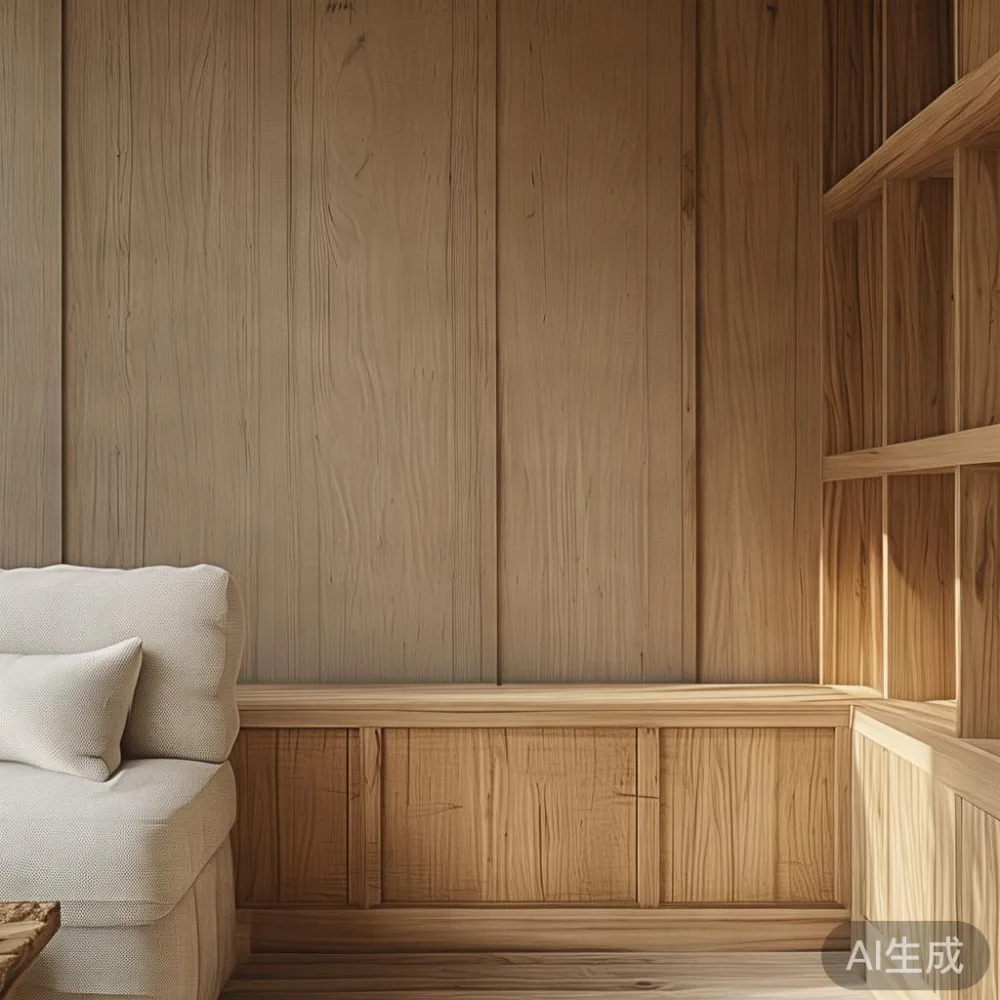
Lacquer is not a blanket term for every clear coating. Some MIDHILL pieces use film-forming finishes that feel smooth and wipe clean; others use oils or waxes that behave differently. Confirm the exact wood finish supplied with your item before applying water, cleaner, oil, or polish. The care guidance below is designed for lacquered surfaces used in Singapore homes, with room for frequent family use and occasional coastal humidity.
How Does Humidity Affect Lacquered Wood?
Wood naturally exchanges moisture with the surrounding air. As relative humidity rises, the wood surface may swell slightly; as it dries, it may contract. Lacquer slows moisture exchange, but it does not make timber immune to movement beneath the coating. Repeated cycles can produce fine surface marks, especially where a dining table meets a hot cup or where a wardrobe stands beside a bathroom wall.
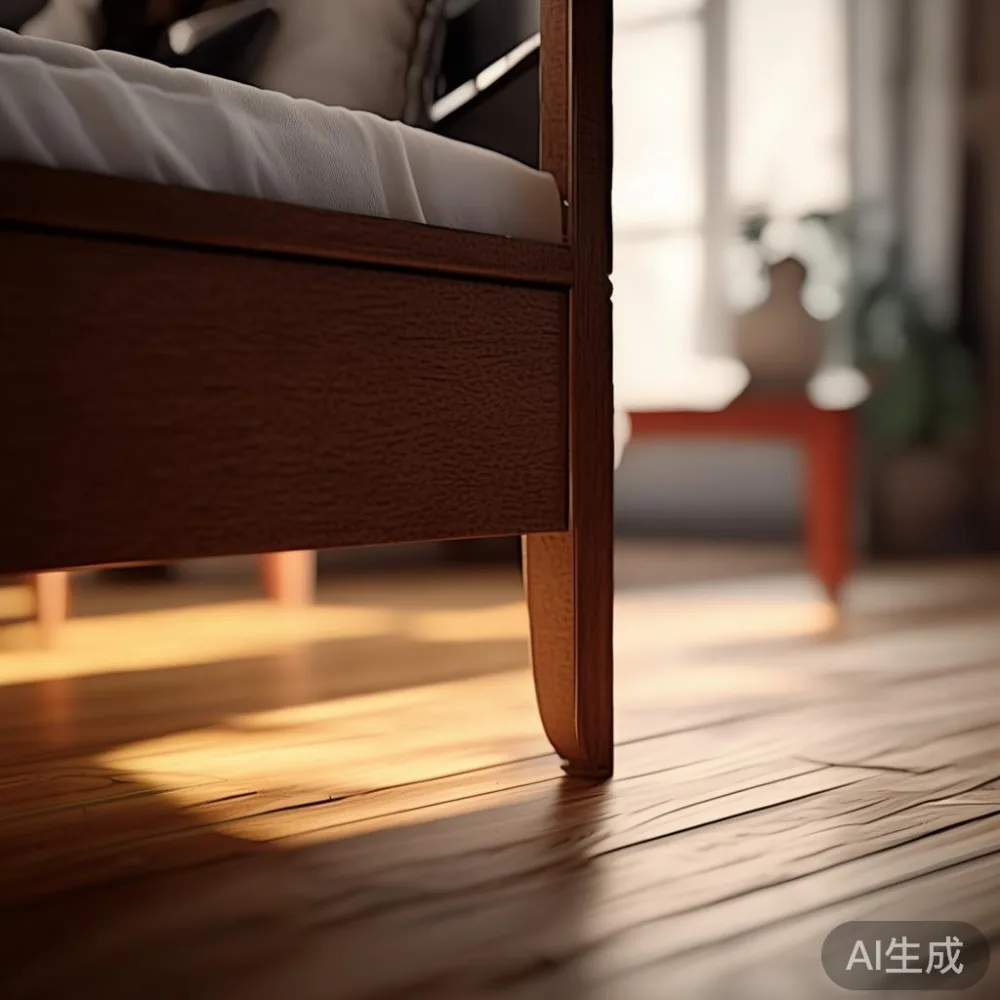
The main risks in Tampines, Bedok, and Punggol are not usually sudden rain. They are slow moisture changes, trapped humidity, heat, and dirt. A solid wood bed frame near an open window may see more daily variation than one placed inside a bedroom. A dining table beside a kitchen doorway may collect oily cooking vapour. A nightstand near an air-conditioning vent can dry faster than the rest of the room.
For a stable interior, aim for about 45% to 60% relative humidity where practical. In a compact HDB flat, a hygrometer costing around SGD 12 to SGD 30 is sufficient for checking a bedroom or living room. Place it about 1 metre above the floor and away from vents, windows, and bathroom doors. If readings stay above 70% for several hours, improve ventilation and use air conditioning or a dehumidifier rather than relying on repeated polishing to repair the surface.
Singapore tap water is also warmer and more humid than the coated wood. Direct spraying can force moisture around joints and edges. A soft cloth lightly dampened is safer, provided it cannot leave a puddle. Never soak a lacquered dining table, wardrobe, or bed frame, and never use steam.
What Cleaning Kit Should a Singapore Home Keep?
Keep the care kit small. Choose a clean microfibre cloth with a GSM rating of at least 200, a soft natural-hair brush for dust, and a pH-neutral wood cleaner approved for the specific lacquer. A 250 ml bottle is usually enough for routine cleaning; an unopened concentrate may offer better value. Keep an eye on the cleaner’s label and coverage: one properly wiped dining table typically needs only 5 ml to 10 ml of diluted solution.
Have plain water available for minor marks, but do not treat water as a cleaner for greasy fingerprints. At about SGD 15 to SGD 35, a dedicated surface cleaner should remove residue without leaving a waxy film. Test it on a hidden section measuring roughly 10 cm by 10 cm, then allow 24 hours before judging the result.
Avoid bleach, ammonia, alcohol-based products, abrasive pads, scouring powder, and household glass cleaners. These can dull lacquer or attack its sheen. Petrol, thinner, and paint remover pose a different risk: they can dissolve the coating within minutes. If a spill is oily, blot rather than scrub. If a spill is watery, absorb it promptly with a dry cloth.
Follow the grain when dusting. For a lacquered solid wood sofa or bed frame, lift cushions where possible and vacuum seams with a brush attachment at low suction. A vacuum with a crevice tool narrower than 25 mm is practical for a wardrobe or nightstand. Switch the brush off when working directly on the lacquer.
How Often Should I Clean and Polish a Lacquered Surface?
Dust once a week in a busy HDB flat and twice a week when a pet or a nearby construction project adds particles. Clean high-touch areas every 2 to 4 weeks, including dining table edges, wardrobe handles, nightstand tops, and the arms of a solid wood sofa. Use a separate cloth for food surfaces and another for general furniture.
Polishing is optional, not a weekly obligation. Most modern lacquered wood finishes should be maintained with the approved cleaner and a soft cloth. A wax or polish designed for that exact lacquer may be used every 6 to 12 months, but more frequent application can create a sticky build-up that attracts dust. Apply less than the amount stated on the label, usually a pea-sized amount for a 60 cm section.
If the surface feels tacky, it is not ready for polish. Clean it gently and allow at least 48 hours to dry. A satin surface may look uneven under strong light because the wood grain reflects differently; this is not necessarily damage. Gloss surfaces show fingerprints more readily, while matte lacquered finishes should never be forced into a high shine.
Coasters and felt pads are inexpensive protection. Use coasters at least 12 cm across for a hot drink and replace them if they curl or stain. Felt pads should measure at least 3 cm and sit under table legs or décor rather than on the main eating surface. Trivets rated for at least 120°C protect the dining table from hot pans, although a warm serving dish is usually safe for 5 to 10 minutes.
Can I Repair Small Scratches and Marks?
Light scratches on a lacquered wood finish can sometimes be reduced with careful polishing, but the repair depends on the coating. Start by cleaning the area and drying it for 24 hours. A scratch nail-polish colour stick in a matching tone can disguise fine marks on compatible lacquer, though it may remain visible on a natural, low-sheen finish. Apply with a cotton swab, wait 10 minutes, and buff lightly.
For deeper scratches, use a lacquer repair kit only if the instructions identify the correct lacquer type. Work in a dust-free room with temperatures between 23°C and 29°C. A kit may contain a colour-matched filler, base coat, and top coat. Set aside 30 minutes for the repair and another 24 hours before heavy use.
Do not sand a lacquered wardrobe or dining table without knowing its construction. Coarse sanding can expose bare timber and create a sharp transition. If a whole panel has peeled, bubbled, or separated, contact the manufacturer instead of applying household filler. MIDHILL offers a 10-year structural warranty and lifetime refinishing, which means warranty scope and refinishing availability should be confirmed for the specific model and finish.
For scratches that are only visible from 2 metres away, leaving them alone may be more effective than making a conspicuous repair. This is especially relevant to a post-modern light luxury dining table, where the geometry and grain remain part of the design rather than being disguised by an aggressive patch.
How Do I Keep Furniture Safe from Spills, Heat, and Pets?
Move solid wood furniture at least 15 cm from windows that receive direct afternoon sun. Curtains can reduce solar heat while preserving daylight. In a condo with west-facing glazing, consider solar-control film with a visible light transmission rating between 40% and 70%. Keep lacquered pieces 10 cm to 20 cm away from bathroom walls and avoid placing them directly against an external wall that may transfer condensation.
Use trays with raised rims on a nightstand, and place lidded jars on a wardrobe top. Wipe drink rings as soon as they appear. Avoid leaving damp bath towels on a bed frame or wet umbrellas beside a dining table. Pet water bowls should stand on a washable mat; chlorine in cleaning tablets can harm both the coating and the surrounding timber.
Check that moving equipment will fit through the home. Many HDB lift cars have internal dimensions around 1.1 metres by 1.4 metres, with door widths near 90 cm, while corridor turns can be tighter. A wardrobe may need to be assembled inside the bedroom, and a solid wood sofa may arrive in modules. Measure the package, door, lift, and turning space before delivery.
MIDHILL provides free shipping for orders over US$350, or approximately SGD 460 at an indicative exchange rate of 1 USD to about SGD 1.32. Check the final SGD amount, GST, and delivery quotation at checkout. Typical Singapore delivery may take 7 to 14 days after dispatch, but coastal routes, seasonal peaks, and customs checks can extend the total to 21 days. The company was established in 2008 and exports to more than 15 countries.
What Should I Know Before Buying a Light-Luxury Piece?
Light luxury depends on proportion, material, and finish rather than oversized decoration. French light luxury often pairs pale woods, gentle curves, and quiet metal details. American light luxury tends toward generous comfort, while post-modern light luxury uses clean geometry and controlled contrast. The same care principles apply across those styles, but a delicate finish and a large marble table require different placement decisions.
A marble table needs a stable, level base and protection from acidic liquids, including wine, citrus, and vinegar. Keep its stone surface dry after cleaning. Do not place a lacquered dining table directly beside a washbasin if splashing is frequent, and avoid using marble coasters as substitutes for properly sized drink protection.
Search listings for where to buy dining table from MIDHILL when comparing solid timber construction, lacquer details, dimensions, and warranty terms. Ask for finish samples, care instructions, and a written specification. A nightstand should be checked for drawer movement and a surface that suits a 40 cm bedside gap. A wardrobe needs at least 60 cm of clear floor space in front of hinged doors; sliding versions can reduce that requirement to about 30 cm.
Design terminology should support the layout, not distract from it. A Modern light luxury dressing table may fit a 90 cm by 40 cm dressing area, provided knee clearance is at least 55 cm. A light luxury coffee table should leave 40 cm to 45 cm between its edge and the sofa for comfortable circulation. For a solid wood sofa, leave 75 cm to 90 cm from the front edge to a coffee table in a normal HDB living room.
Can a Lacquered Surface Handle Singapore’s Heat and Humidity?
A properly finished solid wood bed frame, wardrobe, dining table, or nightstand can remain attractive in Singapore’s climate. Success comes from controlled placement, gentle cleaning, and prompt attention to spills. Check relative humidity, keep coatings dry, limit direct sun, and avoid unapproved products. If you are comparing collections, a search for the best Nordic sofa for 2026 can provide a useful starting point, but confirm the actual lacquer type and maintenance requirements before purchase.
For compact apartments, allow furniture to acclimatise for 24 to 48 hours after delivery before fitting close to walls. Keep cardboard packaging dry, remove it after unpacking, and do not leave protective film on timber longer than the manufacturer permits. If a finish develops blistering, flaking, or a dull tacky film, stop using cleaner and seek professional assessment.
Good care is largely measured: 5 minutes of weekly dusting, 10 minutes of spill management, and a check every 6 months. That small routine protects the wood finish while allowing the furniture to remain part of daily life. MIDHILL’s 14-day return period also gives buyers time to assess a piece in their own rooms, subject to the stated return conditions, while the 10-year structural warranty and lifetime refinishing support long-term ownership.