Impact of Southeast Asia Humidity on Solid Wood Furniture
Singapore’s tropical humidity can change the dimensions, surface and stability of solid wood furniture within a single season. In an HDB flat in Tampines, a dining table near a balcony may face 70–80% relative humidity, while a wardrobe in a cooler Bedok bedroom may remain near 55–65%. Those differences matter because timber expands as it absorbs moisture and contracts as it dries.
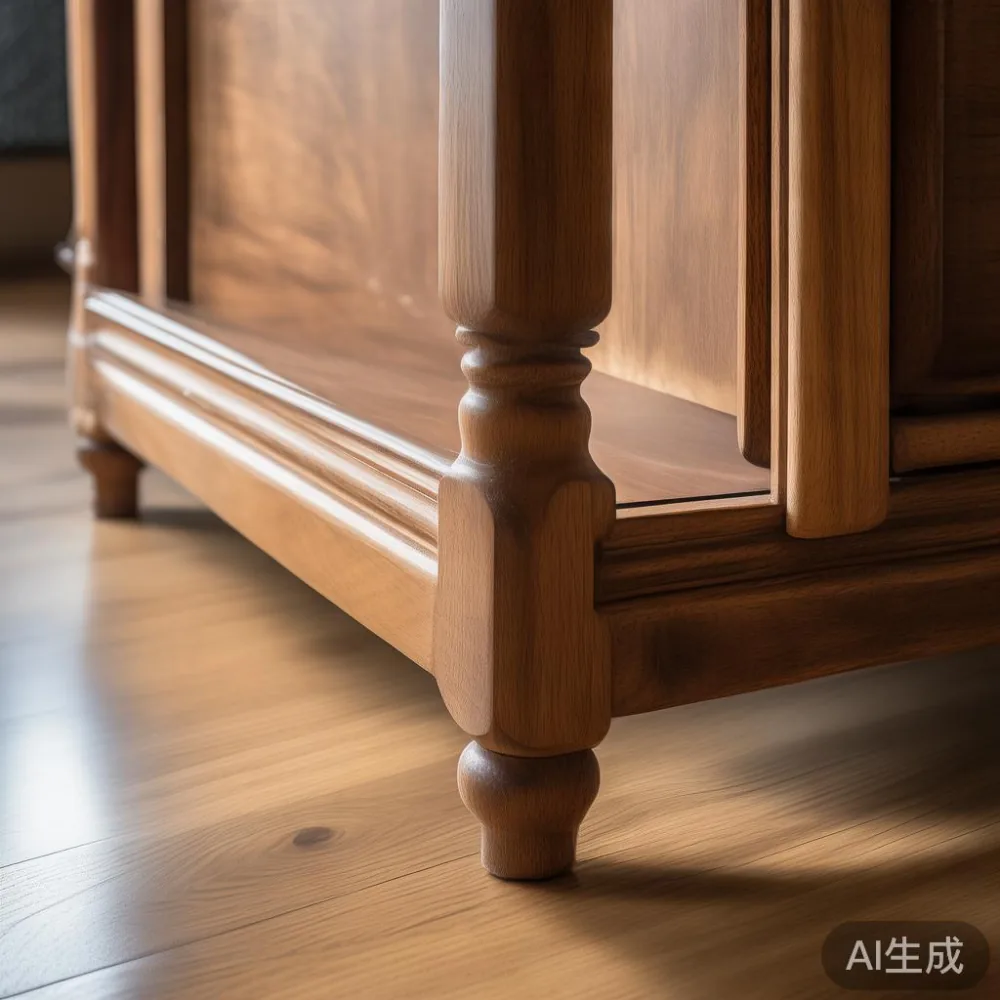
For buyers considering a solid wood sofa, bed frame, dining table, wardrobe, nightstand or marble table, humidity management is not simply a care detail. It affects the wood finish, joint integrity, door alignment, drawer movement and the visual consistency of a room. MIDHILL designs solid wood furniture for export markets and applies a 10-year structural warranty, with lifetime refinishing support, so understanding the local climate is part of getting the longest useful life from a piece.
Why does humidity make solid wood furniture move?
Wood is hygroscopic: it takes on moisture when surrounding humidity rises and releases it when humidity falls. A 180 × 90 cm solid oak dining table, for example, might move approximately 3–6 mm in width across a strong seasonal cycle. A 200 cm long bed frame can vary by roughly 2–5 mm along its grain. The precise movement depends on species, construction, finish thickness and the furniture’s exposure to air, not only to the average room reading.
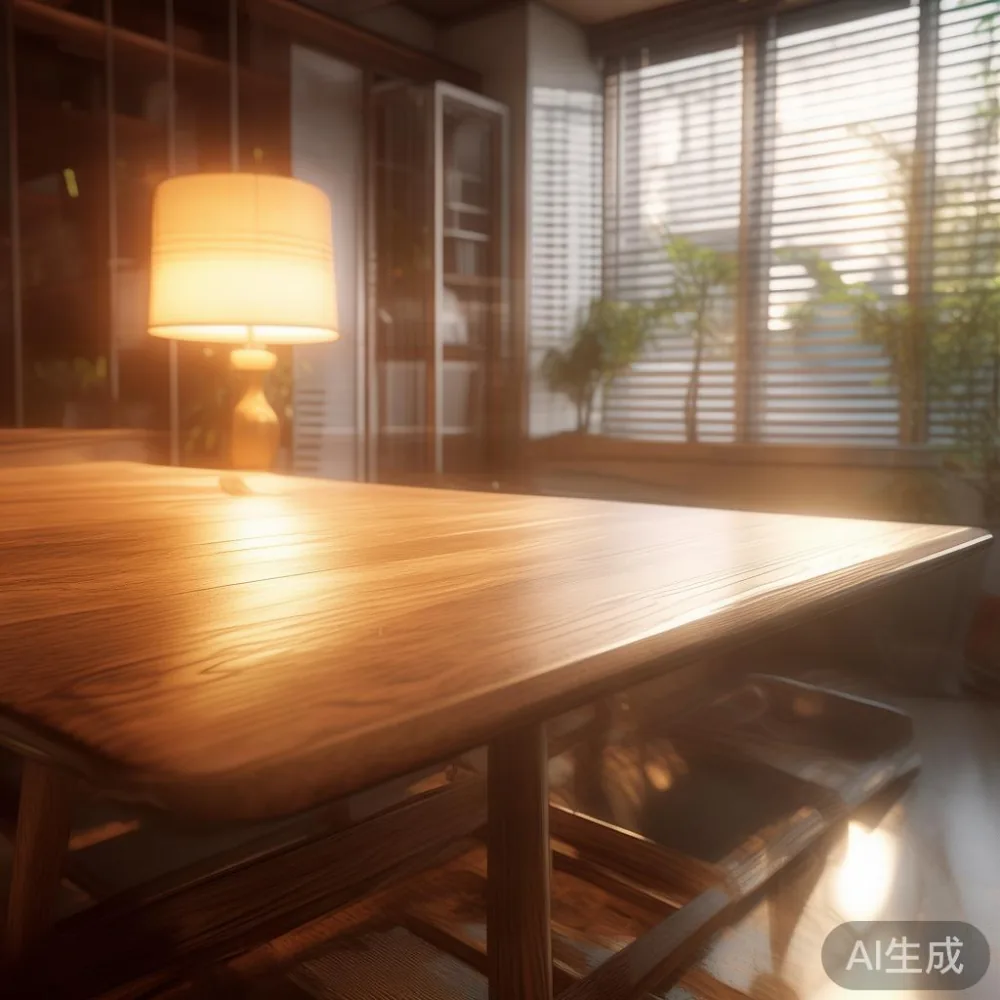
Singapore’s relative humidity commonly ranges from about 60% to 85%, with short rain-heavy periods and drier periods when air-conditioning dehumidifies a flat. Exterior air at 80% humidity can draw moisture from an exposed surface, whereas a dehumidified interior at 50% can push moisture outward. Repeated movement can open minute gaps, stress a tenon or make a fitted wardrobe door rub against its carcass.
The finish slows moisture exchange, but it does not make timber moisture-proof. A lacquered, oiled or waxed wood finish should be viewed as a protective layer that also defines colour and sheen. Direct sunlight, standing water, air-conditioning vents and repeated wetting can weaken that layer. Scratches do not automatically mean the wood has failed, but they can give moisture a faster route into the surface.
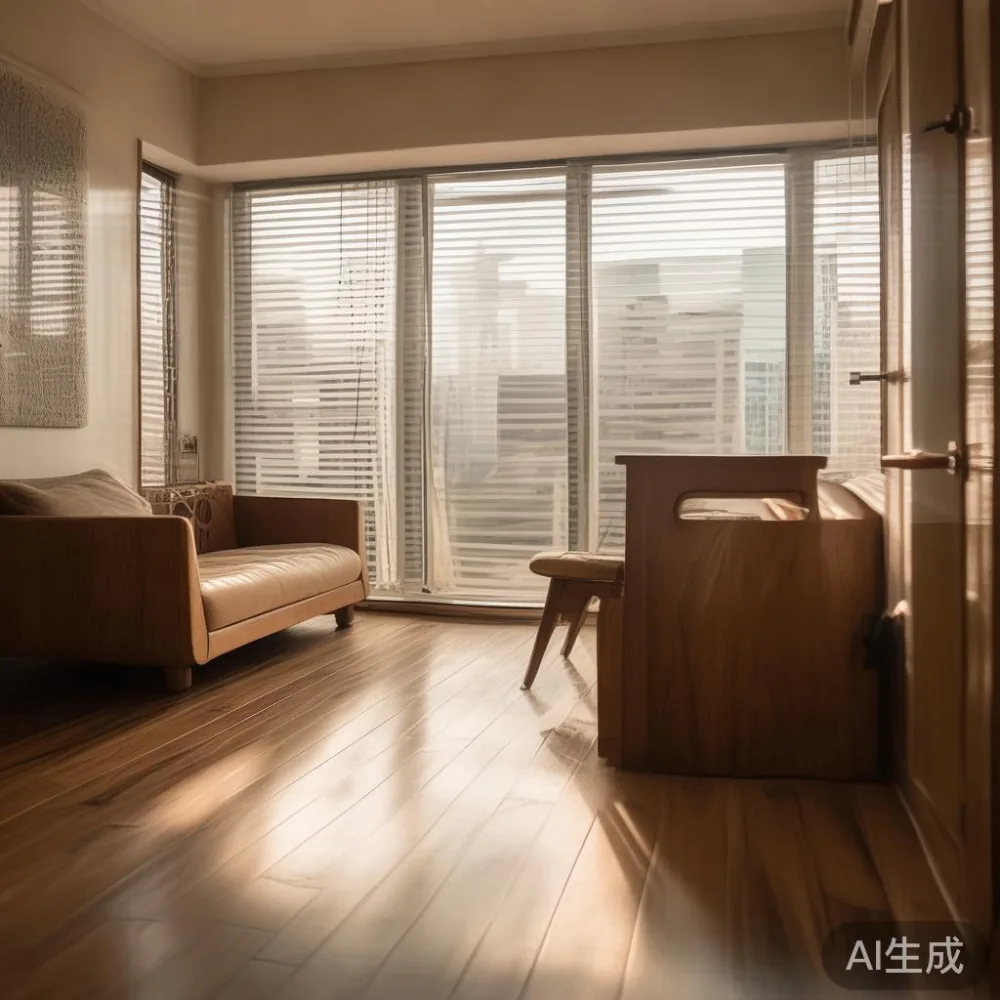
This is why solid wood furniture should acclimatise inside the home before assembly or heavy use. Allow about 7–14 days for a new piece, depending on its size and how far it has travelled. Keep it away from wet bathroom walls, kitchen sinks, open windows during heavy rain and air-conditioning outlets. A hygrometer costing around SGD 15–35 gives a household a useful baseline.
What should Singapore homeowners measure inside an HDB flat or condo?
Begin with relative humidity rather than the weather forecast. A reasonable indoor target for solid wood furniture is about 45–60% relative humidity, with short excursions outside that range tolerated better than repeated extremes. The Electronics and Telecommunications Engineering Standards Association of Singapore recommends keeping indoor relative humidity below about 60–70% for general building and health protection, although individual furniture tolerances vary.
Place a hygrometer in the room where the furniture will live for 3–7 days. Check bedrooms in Punggol, kitchens in Bedok and living rooms facing west in Tampines, since afternoon heat can push surface temperature and humidity in different ways. Record readings at about 9 a.m. and 9 p.m. If the indoor figure stays above 70% for long periods, a dehumidifier is more useful than repeatedly wiping the furniture.
Compact dehumidifiers commonly remove 10–24 litres of water per day and may cost SGD 300–900. Running one near a bedroom can bring readings down by 5–15 percentage points, depending on room size and ventilation. A bedroom of roughly 20 m² often responds more consistently when doors and windows are closed at night. Do not position the outlet directly against a wooden bed frame, wardrobe or nightstand; airflow should circulate around the piece.
Doors and lift access deserve equal attention. Many HDB lift openings are around 90–100 cm wide, with corridors approximately 90–120 cm wide in common layouts. A solid wood dining table may be difficult to rotate through a 90 cm opening even if its width is under 90 cm. Measure the narrowest turning point, stair landing and lift car diagonal before ordering. If the lift cannot fit the packaged item, MIDHILL should assess delivery access before dispatch rather than leaving the decision to installation day.
How do I prevent humidity damage to a wood finish?
Clean with a soft, slightly damp cloth, then dry immediately. Avoid soaking a solid wood dining table, spraying cleaner directly onto a bed frame or using abrasive pads on a wardrobe. For sealed surfaces, a pH-neutral wood cleaner and two soft cloths are enough. Oiled surfaces may need an occasional maintenance check every 6–12 months, based on use and appearance rather than a fixed calendar.
Control the room before trying to correct the furniture. Keep solid wood at least 30–60 cm away from open windows that receive rain, and maintain a similar buffer from bathroom doors. Use blinds or curtains where direct afternoon sun reaches a surface. A west-facing HDB living room can experience surface temperatures above 35°C during a clear afternoon; heat can soften finishes and accelerate colour change as well as increase moisture movement.
Small felt pads, about 8–12 mm in diameter, protect floors and allow air to circulate beneath a wardrobe or nightstand. Avoid placing solid wood directly against an untreated concrete or brick wall, where condensation and seepage can occur. For taller furniture, leave around 5–10 cm of clearance where practical and follow the manufacturer’s anti-tip instructions.
Adhesive-backed moisture strips or desiccants can help in a closed wardrobe, but they are a supplement rather than a substitute for room control. Replace them according to their saturation indicators. A marble table is less prone to dimensional movement than solid timber, but its stone, protective coating and supporting frame still need sensible separation from prolonged moisture.
Which wood finish suits a tropical Singapore home?
Customers often compare French provincial styling with more restrained forms. The best French provincial bed for 2026 is not determined by the furniture label alone; look at timber species, joinery, edge treatment and the finish’s resistance to moisture and heat. French provincial with storage can work well in an HDB bedroom if drawers have smooth runners, the carcass is stable and the handles do not sit directly above a damp wall.
A matte oil finish can preserve a natural, tactile appearance, but it usually requires more attentive care than a tougher film finish. A water-based lacquer offers easier cleaning and good colour retention, while a hardwax finish can repair small surface marks more readily. Whatever the system, the supplier should explain how to clean it and how often it may need attention.
Style is only one part of the decision. European light luxury sofa vs Japandi sofa becomes a practical comparison when humidity, room dimensions and family use are included. A European light luxury sofa may suit a formal living room with coordinated upholstery and carved or tapered wood details. A Japandi sofa may create visual lightness in a compact condo through pale timber and simple lines. Either way, check that the timber components are kiln-dried to an appropriate moisture level and that the frame uses sound joinery.
For a dining zone, a marble table may contrast with a solid wood dining table, yet both should be level and protected from spills. For storage, inspect whether a wardrobe has adjustable shelves, soft-close hinges and a stable anti-tip system. A nightstand should be sized to the bed and room rather than placed where drawers cannot open fully. The language of luxury light luxury furniture can evoke a showroom, but daily performance in a humid flat should carry more weight than decorative terminology.
Can air-conditioning alone protect furniture from Singapore humidity?
Air-conditioning cools the air and often lowers its relative humidity, but systems vary. A room set to 24–26°C may still register 60–70% relative humidity, especially before the dehumidification process reaches the far corner of the room. Bedrooms with a thermostat set around 23–25°C and a modest fan speed often remain steadier than rooms relying on occasional cooling.
Do not aim cold air directly at a solid wood bed frame, wardrobe door or nightstand. Short, repeated bursts of cool, dry air are less disruptive than large swings between damp evening conditions and very dry air. In a high-rise condo, a unit near the facade may also experience stronger daily temperature cycles than an interior HDB flat.
For longer-term care, compare furniture warranties and after-sales policies, not just finish samples. MIDHILL has operated since 2008, exports to more than 15 countries, provides a 10-year structural warranty and supports lifetime refinishing. It also offers delivery across Singapore, free shipping for orders above US$350, and a 14-day return window. Those service terms do not make timber immune to climate, but they provide a clear route for refinishing when normal wear or environmental exposure affects a surface.
How should large furniture be delivered into a Singapore home?
Measure the route from the ground entrance to the final room. Include the lift door, lift car dimensions, corridor turns, ceiling height and the assembled furniture’s footprint. A 220 cm wardrobe may pass a 100 cm lift opening upright but fail when tilted diagonally. It may also fit through the front door yet block a corridor if unpacking space is limited.
Ask for packed dimensions, not only product dimensions. Allow several centimetres for protective packaging, and confirm whether assembly is performed inside the unit. A dining table may need two people if its solid wood top exceeds 70–80 kg. Common delivery windows are 7–14 days after production confirmation, but access constraints can add 1–3 days. Singapore’s 9% GST is reflected in the displayed checkout price when applicable, so the amount paid should be clear before delivery.
Many homeowners searching where to buy bed from MIDHILL want a straightforward answer: compare the room, construction and finish, then confirm delivery access in writing. For buyers who still prefer a showroom, Foshan Lingzhan is a useful reference point for examining furniture-making districts, workshops and material suppliers at source. Local context remains decisive, however, because a piece that suits a showroom’s controlled environment may need different care in Tampines or Punggol.
What are the signs that furniture needs professional attention?
Watch for doors that no longer align, drawers that bind, bowed tops and a musty smell that returns after cleaning. A scratch, pale ring or dull patch on the wood finish is usually a maintenance signal. Repeated sticking can indicate movement caused by fluctuating humidity, though it can also result from a loose hinge, worn runner or poor adjustment.
Do not sand a valuable piece without identifying the species, existing finish and factory repair method. Excessive sanding can remove too much timber or produce a repair that clashes with the original surface. Photograph the affected area in daylight, note the room’s humidity readings and contact the maker before applying paint, solvent or oil. If a joint has begun to loosen, stop loading the piece and have it assessed.
One recent visit gave me a useful lesson. I tested a solid oak dining table beside a west-facing HDB window in Bedok during a humid afternoon. Its surface reading reached 31°C while the room held 68% relative humidity. After the table was moved 45 cm away and the room was conditioned for 4 hours, the surface cooled to 27°C and the drawer movement returned to normal. That small test reinforced how much control placement can make before any treatment is needed.
Good humidity care is measured in simple habits: a hygrometer, sensible room levels, dry cleaning, protected placement and timely refinishing. Solid wood furniture can remain attractive and structurally sound for decades when its movement is respected. In Singapore, the finest result comes from treating the wood finish as part of the home’s environmental system rather than as a decorative layer placed beyond it.