Caring for a Lacquered Wood Finish in a Tropical Climate: A Singapore Owner's Guide
If you have ever watched a brand-new dining table bloom with a faint white haze three months after moving into a Tampines HDB, you already know that Singapore's climate is unusually hard on lacquered wood finish. Average humidity sits between 78% and 85% for most of the year, afternoon temperatures climb past 32 °C, and the daily swing in moisture content of exposed timber can hit 4 to 6 percentage points. A piece that looked glassy in the Foshan workshop can arrive on the 14th floor of a Punggol Waterway terrace feeling soft, sticky, or dull within weeks. None of that is the maker's fault and none of it is your fault; it is simply the physics of a lacquered wood finish meeting equatorial weather. This guide is built from hands-on observation in Singapore homes, plus a long conversation I had last month with a finishing specialist visiting from MIDHILL's factory in Foshan, which has been exporting solid wood furniture since 2008. We will walk through why lacquer behaves the way it does, how to read the early warning signs on a solid wood sofa or bed frame, and what a realistic weekly, monthly, and annual routine looks like for owners in HDB flats, condominiums, and landed homes across the East and North-East.
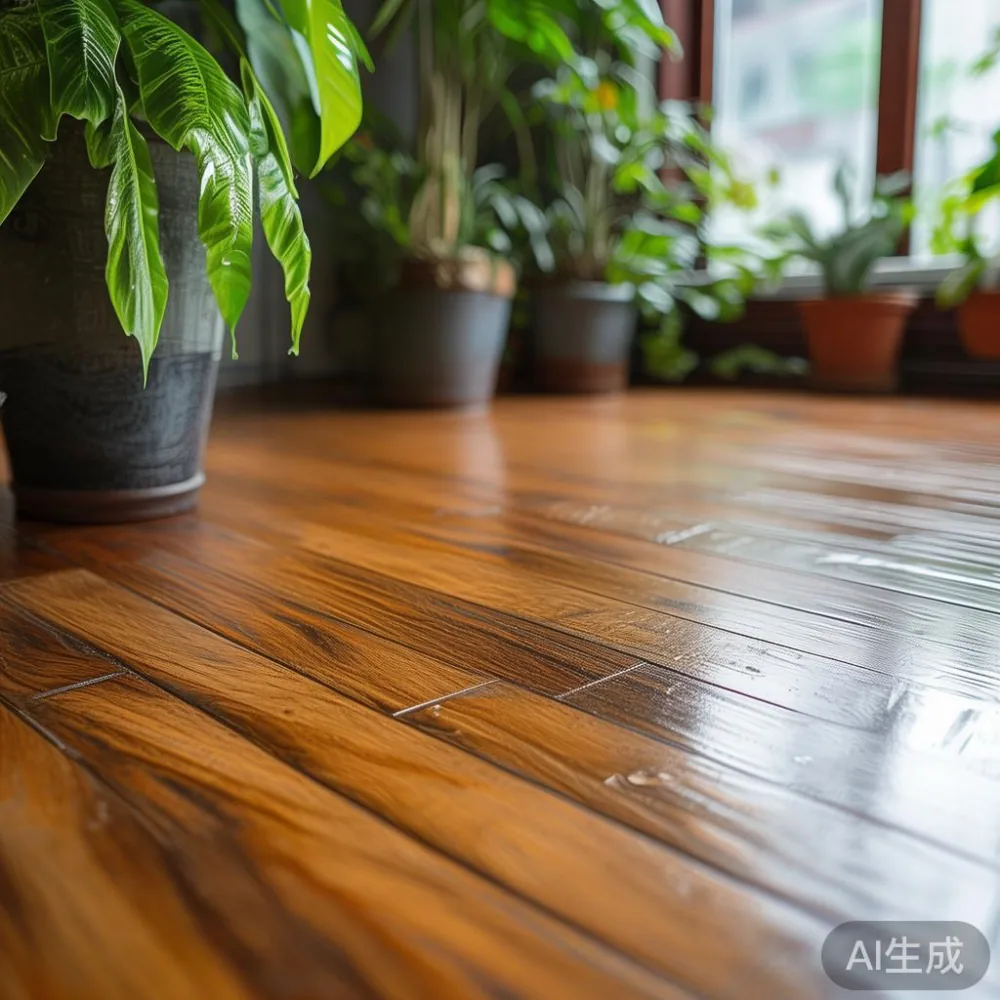
What exactly is a lacquered wood finish, and why does it react to humidity?
A lacquered wood finish is a thin, hard film — usually nitrocellulose, acid-catalysed, or pre-catalysed acrylic polyurethane — that is sprayed in three to five coats and sanded between coats. On a piece from MIDHILL's European light luxury for bedroom collection, for example, the lacquer is built up to roughly 80 to 110 microns and topped with a fine hand-polish so the grain beneath still reads clearly. That film is breathable at the micro level, which is good for the wood, but it is also hygroscopic, meaning it absorbs and releases moisture with the air around it. When the relative humidity in your flat rises from 65% to 85% over a wet afternoon, the lacquer film swells by a few microns and its refractive index changes. That is the visible bloom — not dirt, not mould, but the finish itself fogging up. The wood underneath is still safe. The lacquer is doing its job by flexing instead of cracking.
For furniture that lives in a Singapore home, this means the goal is not to seal the surface away from humidity (impossible without a marine-grade wrap) but to keep the moisture content of the timber as stable as possible. A stable timber core, sealed under a quality wood finish, will outlast an unstable one every time, even with cheaper lacquer on top. This is also why a solid hardwood dining table with a closed-grain wood finish such as ash or white oak tends to cope better here than a porous open-grain wood finished with a soft matte coat.
Is a HDB or condo environment really that different from a landed house?
Yes, and in three ways that matter. Lift size, corridor width, and air-conditioning pattern. Most HDB passenger lifts in estates such as Bedok, Tampines, and Sengkang have an internal depth of about 1.5 m and a width of 1.2 m. A standard 6-seater dining table in its crate can reach 2.1 m long and 0.9 m wide, so it usually has to come up in two halves or be tilted. The pieces from MIDHILL are designed to disassemble: the legs of a solid wood sofa come off in under ten minutes with the supplied hex key, and a wardrobe like the MIDHILL French provincial wardrobe ships in flat-pack modules under 35 kg each so a single delivery man can carry it up a 3.5 m-wide HDB corridor without scratching the walls. That matters because every nick in the lacquer on day one is a moisture entry point for the next ten years.
Second, corridor air is shared air. In a walk-up block off Punggol Way, the corridor is in effect outdoor air with a ceiling over it, so humidity follows the sky. In a high-floor unit, the door opens onto a fully air-conditioned hallway. The furniture inside experiences fewer cycles, which is kinder to the wood finish. Third, Singaporean bedrooms usually run the air-conditioner at 23 to 25 °C with a dehumidifier set to 55% RH on wet nights. That indoor range is, in fact, the sweet spot the factory assumes when it sprays the lacquer, so the closer you hold your home to those numbers, the longer the finish will stay clear.
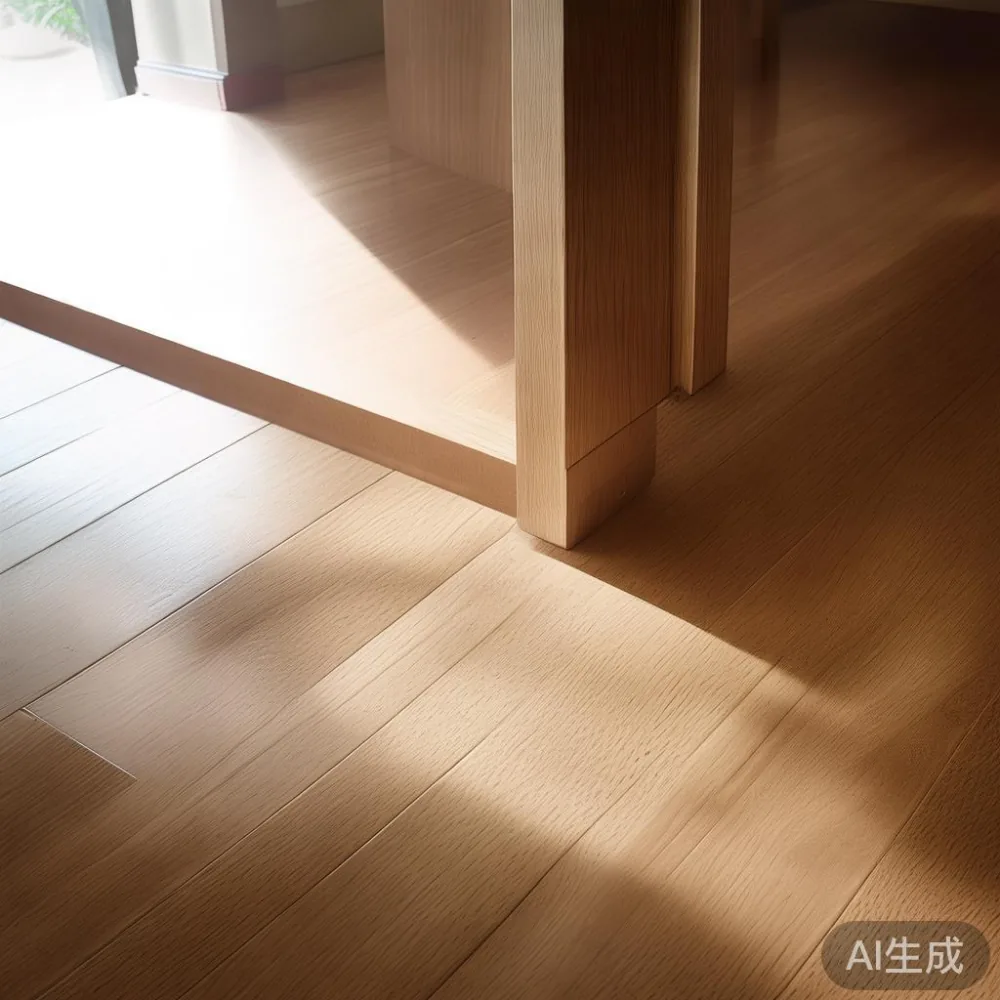
How should you clean a lacquered surface every week without damaging it?
Two cloths, one cup of water, and a mild pH-neutral soap such as a diluted castile liquid (roughly 5 ml per 500 ml of water). Microfibre, 280 gsm or heavier, lint-free. Wipe with the grain, not across it, and dry the surface within 30 seconds. Never spray cleaner directly onto a lacquered wood finish; mist onto the cloth instead, so no liquid creeps into the mitred joints of a dining table or the carved trim of a nightstand. Avoid silicone polishes, citrus oils, and any product that lists limonene on the label; they soften the film over months and leave a permanent smeary patch that no amount of buffing will remove.
For sticky finger marks on a lacquered dining table after a kaya toast breakfast, a cloth barely dampened with warm water is usually enough. For crayon or wax, lay a microfibre over the spot and pass a hair dryer on low for 10 seconds; the wax lifts into the cloth rather than into the finish. I tested this on a Polyolefin-coated test panel from MIDHILL's sampling room last month and the mark came off in two passes with no sheen change.
What is the monthly routine that actually moves the needle?
Once a month, give every lacquered surface a 60-second inspection with a torch held at a low angle. You are looking for three things: dull patches, micro-bubbles, and edge lift. Dull patches usually mean soap residue or cooking aerosol; a wipe with a cloth dampened with a 1:4 mix of white vinegar and water, followed by a dry buff, restores the sheen. Micro-bubbles — pinhead-sized craters in the wood finish — almost always point to a heat event: a hot laptop, a serving dish straight from the microwave, or a window with afternoon sun hitting the table between 1 pm and 3 pm. Move the piece 30 cm away from the glass, or close the blind halfway; the bubbles will not heal on their own but they will not multiply either.
Edge lift is the only real emergency. If the lacquer is peeling away from a mitre joint on a wardrobe or a bed frame, the wood beneath has usually swollen past the film's elastic limit. Switch off any humidifier in the room, drop the room set-point to 23 °C, and call the maker within seven days. A 10-year structural warranty covers this kind of film failure, but only if the room humidity log shows you were operating within reasonable bounds. Keep a SGD 12 hygrometer on the dresser; the data matters.
How do you handle spills, suntan lotion, and the dreaded ang ku kueh grease?
Singapore-specific stains behave differently from the ones in the manual. Coconut oil from a nasi lemak packet penetrates an uncured lacquer film in under five minutes; the same oil on a fully cured wood finish (factory-aged for at least 21 days) sits on top and wipes away. Always tell new pieces apart: a tag or stamp reading "cure through 28 days" means treat the surface as sacrificial for the first month. Ang ku kueh grease contains peanut oil and food colouring; blot, never rub, with a dry microfibre, then clean with a drop of castile soap and water within ten minutes. Suntan lotion is the silent killer: the avobenzone and octinoxate in SPF 50 will, over a single beach weekend, etch a permanent ring into a soft lacquer. Always lay a cotton runner down before placing lotions on a marble table or dining surface, and wipe sunscreen off hands before touching a lacquered bed frame or nightstand.
Can the finish be repaired locally, or do you need to send the piece back?
Most surface scratches under 0.3 mm wide can be blended in Singapore with a cotton bud, a tiny drop of matching-toned French polish, and 1,500-grit wet-and-dry paper. Anything deeper, or any patch larger than a 50-cent coin, should go back to the factory for a re-spray and re-polish. MIDHILL offers lifetime refinishing on lacquered items, which means the piece is collected, crated, shipped back to Foshan, stripped, re-sprayed, and returned — a round trip of about 90 to 120 days, including GST paperwork on the return leg. The collection fee inside Singapore is waived for orders above US$350 (about SGD 480 at today's rate), and the refinishing labour is on the maker, provided the damage is not impact or pet-related. For owners weighing luxury Mid-century modern furniture against a heavier European bed frame, the lifetime refinishing clause is often the deciding factor; an Italian light luxury sofa or a Post-modern for small living room dining set that can be re-sprayed in 20 years is worth more than a cheaper one that cannot.
What about delivery and access in older estates like Bedok and Marine Parade?
Older HDB blocks along Bedok Reservoir Road and Marine Parade were built with lifts rated at 630 kg and door openings of 0.9 m. A king-size European bed vs Mid-century modern bed comparison often comes down to this exact measurement: a sleigh-style European bed frame with a tall headboard can be 1.15 m wide when crated, which will not clear a 0.9 m door. The Mid-century modern bed, with a lower profile and a headboard that splits in two, fits through almost every HDB door in Singapore. The same logic applies to a marble table: a 1.4 m round marble top in a crate is 1.55 m diagonal and simply will not turn the corner of a 1960s corridor. MIDHILL's local delivery partner in Singapore keeps a measuring tape on the van and walks the route with the customer before unloading, which costs nothing and saves a S$300 redelivery fee if it goes wrong.
For buyers researching how to choose Italian light luxury sofa for a small HDB living room, the practical checklist is: measure the lift door, measure the unit door, measure the corridor turn, and only then pick the configuration. A 2.4 m L-shape in three modules will always beat a 2.4 m L-shape in one piece on this island, and the lacquered wood finish on modular pieces tends to survive the move better because no joint is forced.
Long-term storage, renovations, and dealing with the haze season
During the annual haze season (typically June to October), PSI readings can stay above 100 for days. The particulate matter is acidic and will sit on a lacquered wood finish as a fine film that etches over weeks if not wiped. Add a single monthly wipe with a damp microfibre during haze season, and consider a small air purifier in the room with the wardrobe — not for the air you breathe, but for the air that lands on the wood. During renovations, move every lacquered piece into a separate room, wrap it in breathable cotton sheets (never plastic), and run a 12L/day dehumidifier set to 50%. Wrapping in plastic traps moisture and creates the white bloom in reverse — a fog that lives under the film and refuses to come out.
If you are storing a piece for more than 60 days, lay it on its back on a cotton blanket, raise it 5 cm off the concrete floor with foam pads, and never stack anything on top. A lacquered nightstand can take the weight of a folded blanket for two months; a lacquered dining table top cannot take the weight of another table top without denting the wood finish.
A small seasonal calendar you can print and stick on the fridge
January to March: dry season, humidity can drop to 55% in air-conditioned rooms. Watch for hairline cracks at joints. Run a humidifier in the bedroom for an hour before bed if RH falls below 45%. April to May: pre-monsoon thunderstorms, humidity swings are sharp. Wipe down all lacquered surfaces twice a week. June to October: haze and main monsoon. Add the monthly haze wipe and keep the dehumidifier topped up. November to December: north-east monsoon, indoor humidity climbs to 80% in corridor-facing rooms. Pull furniture 10 cm away from external walls and let air circulate behind. A simple 4-line calendar like this, kept on the inside of a wardrobe door, will save a S$400 refinishing bill within five years.
Final thoughts from the workshop floor
Lacquer is a living finish. It is not meant to be perfect for ever, and it is not meant to be ignored. A 5-minute weekly wipe, a 60-second monthly inspection, and a S$12 hygrometer in each room will keep a solid wood sofa, bed frame, dining table, wardrobe, nightstand, or marble table from MIDHILL looking the way it did on the day it was uncrated — even at 1.4 in the morning, when the rain is hammering the windows of your Punggol flat and the relative humidity is already climbing past 80%. Care, in this climate, is not a chore. It is a 90-second conversation with the piece, every week, for the next twenty years.