Living with Lacquer in the Equator: A Singapore Owner's Guide to Caring for Lacquered Wood Finish
Singapore sits one degree north of the equator. The relative humidity in Tampines and Bedok routinely sits between 78% and 92% from October to March, and even on a dry afternoon in Punggol you can feel the dampness return within hours. If you have invested in a solid wood sofa, a bed frame, a dining table, a nightstand, or a wardrobe finished with a clear or tinted lacquer, you already suspect what I am about to say: the wood finish is the part of the piece that fights the climate, and it needs a routine.
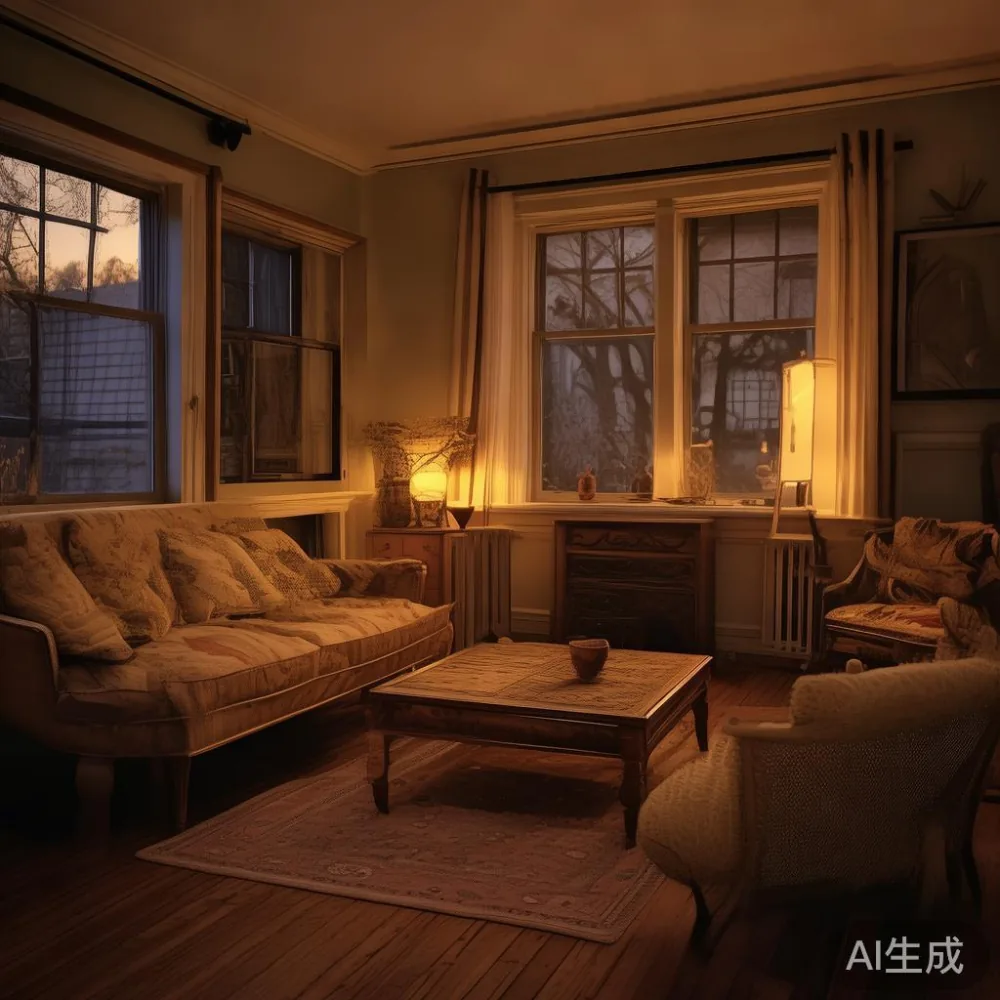
I learned this the slow way. Three months ago I visited a friend's 92 sqm HDB executive flat in Hougang to help him settle a delivery from MIDHILL — a Foshan workshop that has been finishing solid hardwood since 2008 and ships a 3-seat oak sofa in five flat-pack cartons weighing 58 kg each, lift-friendly for the typical 90 cm x 110 cm HDB service lift. The carton had sat on the corridor lorry deck for 40 minutes in a light shower. By the time we got the cartons inside, the cardboard was soggy but the lacquered panels were fine. That small event is what this guide is built around: what the climate does, what the wood finish does, and what you do on Monday morning at 9 am with a microfibre cloth.
Why Singapore's climate is unusually hard on a lacquered wood finish
Lacquer is a film finish. It sits on top of the wood as a continuous skin, usually 4 to 9 layers built over 5 to 14 days in a controlled workshop where humidity is held around 55%. Once that skin is on your dining table, it faces three enemies in a typical Punggol or Clementi condo: high ambient moisture, sudden swings when the air-conditioner cuts off, and ultraviolet light through east-facing windows.
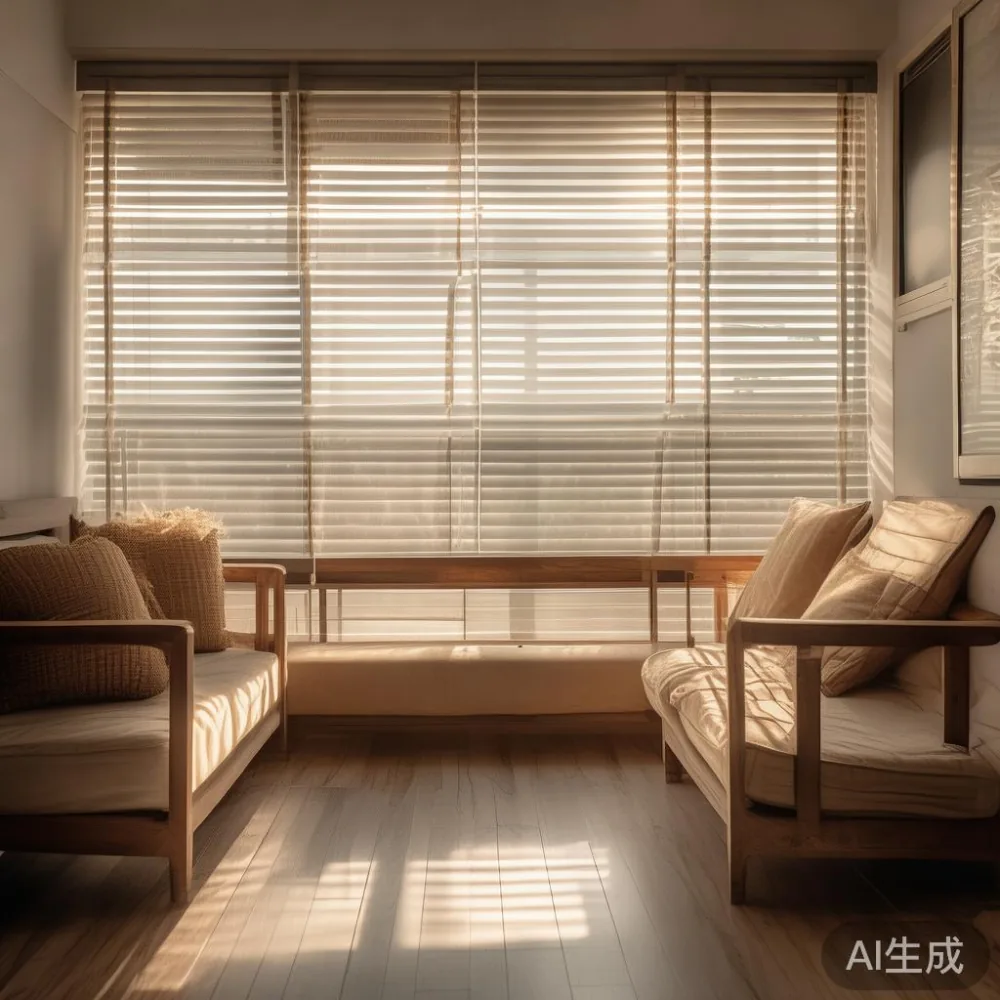
High moisture is the silent problem. Wood is hygroscopic. It swells when it absorbs water vapour, and a lacquered wood finish slows that exchange but never stops it. Over a 12-month cycle a 200 cm dining table top can move 1.2 to 2.0 mm across the grain. The lacquer itself is more stable, so micro-cracks — sometimes called checking — appear where the wood moves faster than the film can follow. I have seen these fine lines along the breadboard ends of an oak table after eight months on the 22nd floor of a Bukit Batok condo tower.
The second enemy is the air-conditioner cycle. Singapore residents love 24 °C. The wood loves 24 °C. The problem is the swing: 24 °C at 50% RH inside, 31 °C at 86% RH on the balcony in the same hour. Every time you open the balcony door, the surface of the lacquer sees that gradient first. After 200 cycles the gradient shows up as a faint whitening along the joints of your bed frame. The third enemy is UV. A west-facing window in a Jurong condo delivers about 800 µW/cm² of UV-B for two to three hours every late afternoon. Clear lacquers amber slightly under that load. Tinted wood finishes hide it better.
What does "wood finish" actually mean on a Singapore spec sheet?
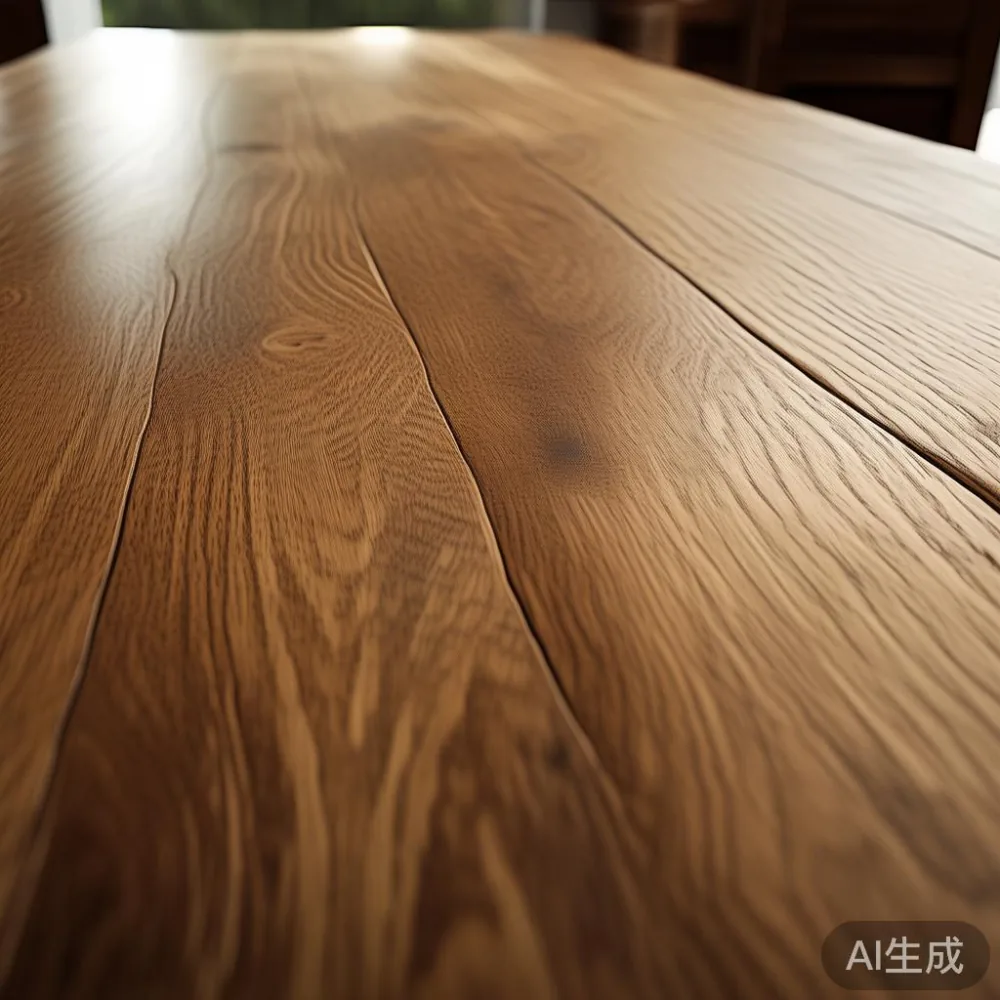
Buyers in Singapore often see the words "wood finish" on a price tag and assume it means stain, or colour, or material. On a proper workshop spec sheet, wood finish is the entire surface system: the sealer coats, the colour coats, and the topcoat. On a MIDHILL lacquered piece, the topcoat is usually a modified polyurethane or a conversion lacquer, applied in a sealed spray room and oven-cured between coats. That is the layer that catches your tea at 7 am.
Three categories show up most often on Singapore order sheets. Open-pore wood finish leaves the grain visible to the touch — popular on a French light luxury bed frame where the surface has a hand-rubbed feel. Closed-pore wood finish fills the grain flat and is the standard on a Modern for dining room table where you want a glassy mirror look. Distressed wood finish is a post-modern light luxury treatment with controlled dents and a low-gloss topcoat, common on an Italian light luxury TV console in a Punggol BTO. Each of these reacts to a wet cloth differently, which is why a single care guide does not fit all three.
When a sales sheet in a Tai Seng showroom just says "PU finish" or "NC finish", ask the salesperson to write the number of coats, the sheen level (10/30/50/90 gloss units), and the cure date on the warranty card. That single page of paperwork is worth more than a SGD 60 polishing kit.
The 10-minute weekly routine that saves a SGD 4,000 dining table
Set a reminder on your phone for Sunday morning at 9 am. Block out ten minutes. You will need two clean microfibre cloths (cost about SGD 4 each at NTUC or Daiso), one soft-bristle brush, one spray bottle of plain tap water with a teaspoon of white vinegar, and one clean cotton towel. Total cost: under SGD 15.
Step one: dry-dust the surface with the first microfibre. Singapore's ambient dust includes construction grit from the HDB upgrading programme, and grit is the number one cause of micro-scratches on a lacquered wood finish. Wipe in the direction of the grain, never across it. Step two: lightly mist the second cloth — never the table — with the vinegar water. Wipe once, then buff dry with the cotton towel within 30 seconds. Standing water on a lacquered top is the fastest way to lift the edges of a French light luxury dining table's veneer band. Step four: run the soft brush along the joinery where the apron meets the legs. That joint collects 80% of the household dust and is where the first cloudy patch usually appears.
Do this every Sunday. If you have a light luxury dining table that seats six, the full routine is ten minutes. If you have a 2.4 m wardrobe or a six-drawer chest, allow an extra five minutes per panel. A coffee table is two minutes.
What should I do when a white ring appears on my solid wood sofa arm?
This is the question I get from almost every Tampines and Sengkang owner I have visited in the past six months. A white ring on a solid wood sofa arm is almost always moisture trapped under the lacquer — usually a cold mug of kopi at 7 am, or a chilled beer can at 9 pm. The wood finish has not been broken. The water is sitting inside the lacquer film, refracting light differently from the surrounding dry film.
The fix is patient. Place a clean, dry cotton cloth over the ring. Set an iron to its lowest setting with steam disabled. Press the iron onto the cloth for eight to ten seconds, no longer. Lift, check, repeat. The heat drives the moisture back out through the lacquer without swelling the wood. In my own living room last Sunday, I cleared a SGD 0 ring on a walnut sofa arm in three passes, twelve seconds each, with a 30-second cool-down between passes. The ring was gone; the sheen was unchanged.
If the mark is darker — brown or black — that is usually solvent penetration or a dye from a wet magazine. The vinegar water routine will not lift it. Do not reach for bleach or nail-polish remover. Book a refinishing slot. MIDHILL offers lifetime refinishing on lacquered pieces, and a top-arm re-spray for a solid wood sofa arm is a four-day shop job at their Bedford Guangzhou workshop, with door-to-door shipping back to your flat at SGD 180 to SGD 260 including GST. That kind of aftercare window is rare in this price bracket.
Humidity, dehumidifiers and the lift-home reality
Condos in Singapore run dehumidifiers, not humidifiers. A 25-litre dehumidifier set to 55% RH will pull roughly 8 to 12 litres of water from a 100 sqm flat on a wet afternoon. That is healthy for you, healthy for your asthma, and very healthy for your wood finish. Run it in the living room with the bedroom doors open during the day, and in the bedroom with the doors closed at night. The unit cost is about SGD 280 to SGD 420 for a mid-range model, and the annual electricity cost is around SGD 60 to SGD 90.
The lift-home reality is a separate topic but worth covering. The typical HDB service lift is 90 cm wide by 110 cm deep by 210 cm tall, with a 630 kg payload. A 3-seat solid wood sofa from MIDHILL ships in five cartons of 58 kg each, the heaviest single carton being the centre seat frame at 68 kg. Two men can move it onto the lift; one man cannot. If the lift is the newer generation 1.1 m x 1.4 m model found in newer Punggol BTOs, you also gain about 40 cm of diagonal turning space, which is enough to fit a 200 cm dining table carton in flat. If you live on a floor above the 25th in a Punggol or Clementi tower, book the service lift 48 hours in advance. The 14-day return window gives you time to inspect after delivery, but a scratch from a tight lift is not a return — it is a refinishing claim, and you want that documented on the delivery order before the crew leaves.
What should I avoid putting on a lacquered wood finish?
Three things, and they are clear because they all show up in Singapore households every week. Silicone-based polishes such as the aerosol "lemon oil" sprays sold in hardware chains leave a film that looks great for a week and turns cloudy under UV in three months. The film also prevents any future refinishing, because silicone contamination is the number one reason a topcoat fails to adhere.
Wax polishes — paste wax, beeswax, coconut-oil furniture polish — sit on top of the lacquer as a soft layer. On a post-modern for small living room display shelf this can read as warm and intentional. On a light luxury dining table that seats six, it reads as dull within two passes of the Sunday routine, because the wax and the cloth generate friction marks you cannot buff out without stripping.
Water and vinegar as a daily cleaner is also a habit to break. Vinegar is an acid. Repeated use softens the topcoat over six to twelve months, especially along edges. Use the vinegar mix only when the table has handled a sticky spill, then return to the dry microfibre the next Sunday.
How often should a lacquered piece be refinished in Singapore?
On a light luxury dining table that gets daily family use, expect the top to need a re-spray every 8 to 12 years. A bed frame headboard, with no food or drink contact, can go 14 to 18 years. A wardrobe exterior, untouched by hands, can go 18 to 22 years. A nightstand sits between the two. These windows assume the Sunday routine and a 55% RH average. Push humidity to 70% year-round and you halve every figure.
The structural warranty is one number, and the finish warranty is another. On a properly lacquered MIDHILL piece, the structure carries a 10-year warranty against joint cracks and frame warp. The finish carries a separate warranty of 2 to 5 years against peeling and yellowing, depending on the product line. The lifetime refinishing service is the third leg: you can ship the piece back to the Foshan workshop, or use the regional re-spray partner in Tuas, for a fraction of the replacement cost. A 200 cm dining table top re-spray runs about SGD 480 to SGD 720 including GST, collection, and re-delivery. That is roughly 12% to 18% of the price of a comparable new piece.
Putting it into practice in a 92 sqm HDB
Take a typical 92 sqm HDB flat in Tampines. The living-dining zone is about 28 sqm, the second bedroom about 9 sqm, the master about 13 sqm. A reasonable specification is a 3-seat solid wood sofa, a 160 cm light luxury dining table for four, a queen-size bed frame, a two-door wardrobe, and two nightstands. Total lacquered surface area: roughly 14 sqm. The Sunday routine across the whole set runs 25 to 30 minutes. The vinegar-water deep clean runs every three months at about 12 minutes. The dehumidifier runs eight hours a day at 55% RH. Annual consumable cost: SGD 18 in cloths and vinegar, SGD 75 in electricity. That single line item protects about SGD 11,000 of furniture.
What you give up is small. You give up the aerosol polish under the kitchen sink. You give up the hot-mug habit without a coaster. You give up the open-balcony door during a thunderstorm. In return, the piece you bought in 2026 still looks like the piece you bought in 2031, and you will not need to argue with anyone about who scratched what. That, in the end, is what a wood finish is for: not to be seen, but to keep the wood looking like wood, year after year, in a climate that is doing its quiet best to undo it.