Lacquered Wood Finish Care for Singapore Homes
Singapore’s warm, humid climate can be hard on furniture finishes. A lacquered dining table near a Tampines window, a solid wood sofa in a Bedok living room, or a wardrobe beside a Punggol bedroom wall may encounter sunlight, condensation, insects, and frequent wiping in a short period. Lacquer can remain attractive with controlled care, but tropical humidity deserves a deliberate routine.
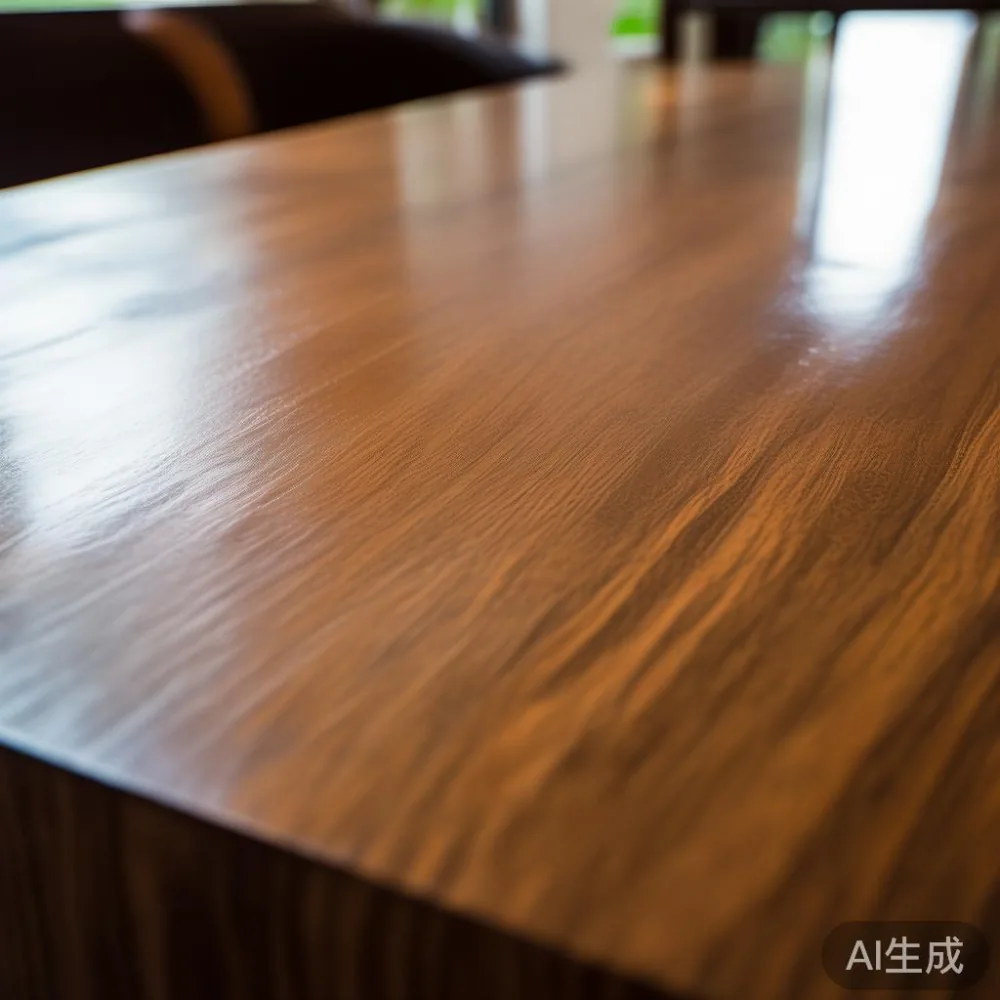
At MIDHILL, we make lacquered furniture for compact homes and refined interiors, including solid wood sofas, bed frames, dining tables, wardrobes, nightstands, and occasional marble tables. The finish should be protected as carefully as the timber beneath it. The useful question is not how often to scrub a surface, but how to clean it without dulling the sheen or causing moisture to settle at an edge.
Why does lacquer need special care in Singapore?
Lacquer is a surface coating, not a thick layer of solid wood. It may be sprayed, brushed, or applied in several cured coats over a prepared timber. The finish resists ordinary marks more effectively than untreated wood, yet heat, standing water, abrasive pads, and harsh chemicals can still affect it. A coating that feels smooth in a showroom can show fingerprints, pale rings, and dull patches after daily use in a tropical home.
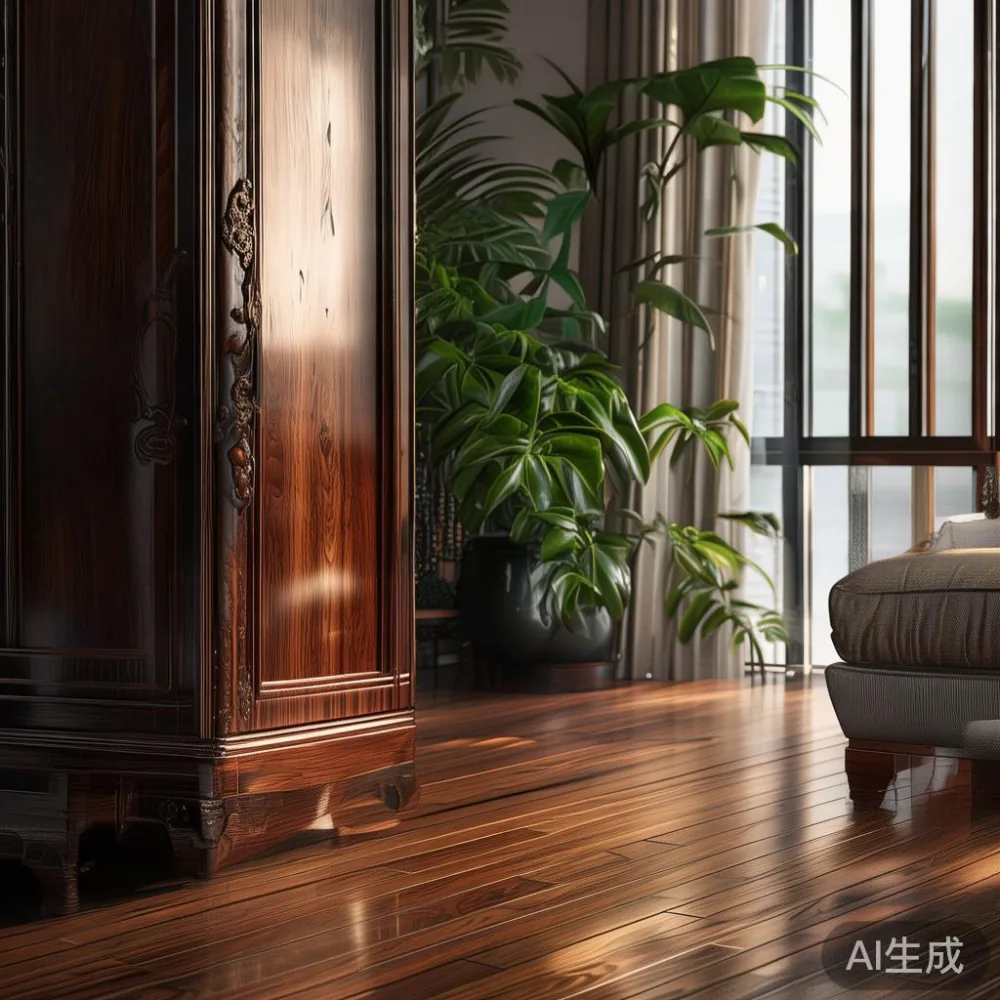
Humidity is especially relevant in an HDB flat. Cooking moisture can move through an open kitchen and settle on nearby surfaces. Evening air-conditioning may then cool the lacquer before the room has dried. This repeated warm-to-cool cycle is less dramatic than a spill, but it can reveal weak cleaning habits over 12 months.
Sunlight also changes the appearance of a wood finish. UV exposure may lighten some pigments, deepen others, or make a coated area look uneven beside a protected panel. In an east-facing Tampines bedroom, sheer curtains can reduce direct exposure while preserving daylight. Keep furniture at least 30 cm from windows when practical, and use curtains with a visible light filter rather than darkening the whole room.
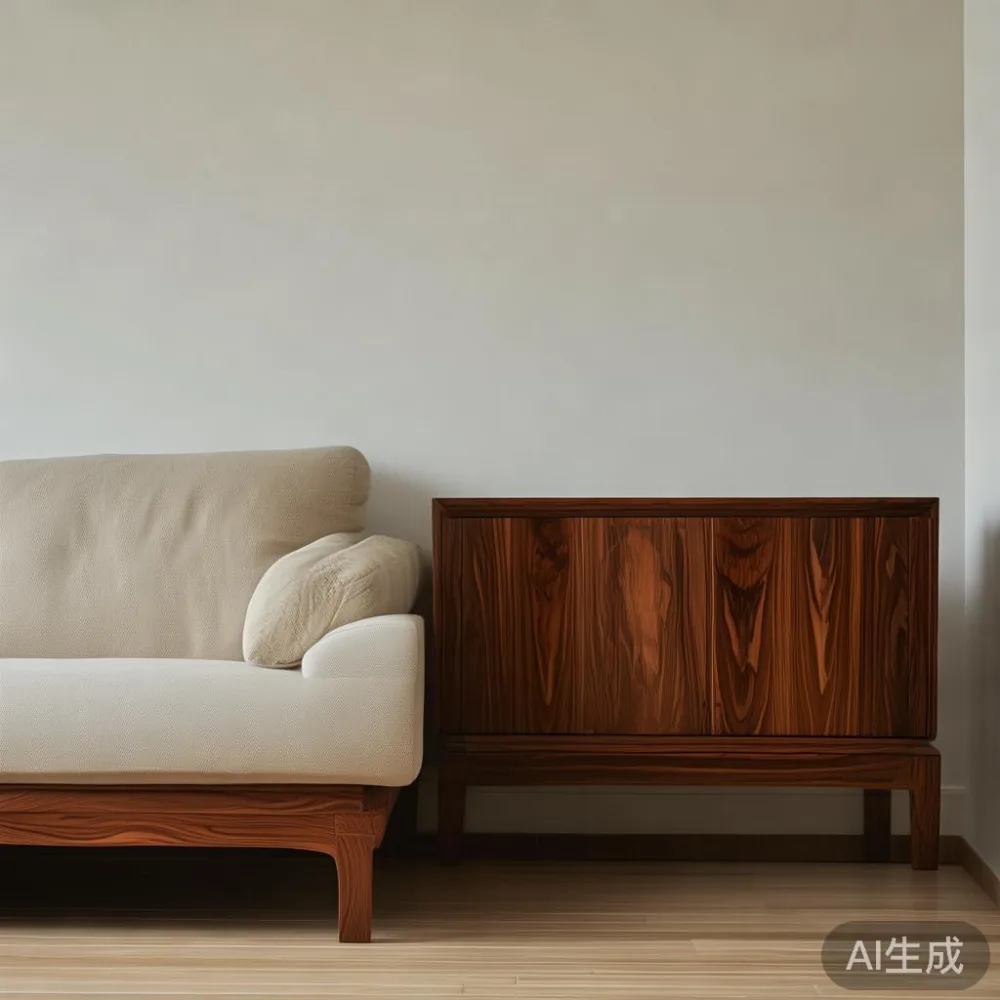
These are care considerations, not a reason to hide every piece. French light luxury styling often combines pale upholstery, clear sightlines, and polished wood; American light luxury favours comfortable forms with metallic details. In both approaches, a maintained finish supports the room’s calm appearance without demanding constant replacement.
What should I use to wipe a lacquered surface?
Begin with a dry, soft microfibre cloth. For routine dust, wiping once a week is usually enough. The cloth should be clean, lightly damp if necessary, and free of grit. A household cloth carrying invisible sand particles can create fine scratches that become more visible across a 180 cm dining table.
For a slightly marked surface, prepare a mixture of 1 teaspoon mild dish soap with 500 ml lukewarm water. Dampen a fresh cloth, wring it until only a small amount remains, and test an area about 5 cm across. Wipe with the grain, then dry immediately with a second cloth. Do not flood joints, edges, or lacquered areas near exposed timber.
Water temperature matters. Use no more than 30°C, and never leave a wet film for more than 2 minutes. Avoid sponge scourers, wire wool, aluminium foil, and rough paper towels. Paper towels can deposit fibres; abrasive kitchen pads can dull the top coat within several uses.
For kitchen spills, lift the residue first. If sauce has dried on a dining table, place a clean cloth over the spot, add a few drops of mild soap solution, and leave it for 30 seconds. The cloth carries the softened residue away without forcing the lacquer against the surface. Oils may need several gentle passes rather than vigorous scrubbing.
A good maintenance cloth should be changed after every 2 or 3 furniture items. Launder it without fabric softener, because perfumed residues can leave a film. Keep separate cloths for the lacquered dining table, wardrobe, and nightstand. This simple division reduces cross-contamination and makes inspection easier.
How far should lacquered furniture be from heat, water, and sunlight?
Place a lacquered dining table away from a cooker, rice cooker, air fryer, and kettle. A minimum gap of 60 cm from a direct heat source is sensible; 90 cm offers more protection in a compact dining zone. Use a heat-resistant mat rated to at least 80°C, but do not place a hot vessel on a mat and assume the lacquer beneath is protected. The heat may travel through an uneven base.
For a dining table used daily, coasters should be at least 10 cm square for ordinary drink vessels. Felt or cork is gentler than thin plastic. Do not slide ceramic bowls across the top. Their rough bases can scratch lacquer even when no knife has touched it.
Bedrooms need similar distance. Leave about 45 cm between a lacquered bed frame or Italian light luxury bed and an open window where condensation collects. If curtains touch the wardrobe or bed frame during opening, shorten them by 2 cm or move the furniture. Constant fabric rubbing can polish one area while leaving dull marks nearby.
A wardrobe often sits close to a corridor wall in a condo. In a narrow Punggol unit, the clearance may be only 20 cm, so airflow matters more than pushing the unit into an awkward position. Keep the back and sides accessible for dusting, leave 30–50 cm where the layout permits, and avoid storing damp towels against the lacquer.
Can I repair small scratches in the lacquer itself?
Yes, if the mark is shallow and the coating has not been broken. First clean the area with the diluted soap method and dry it for 15 minutes. A soft cloth, warm white LED light, and a magnifier can reveal whether the scratch is in the finish or in the timber.
For a light surface scratch, use a lacquer-safe polishing product only after checking its label. Apply a quantity the size of a grain of rice to a clean cloth, not directly to the furniture. Work in 2–3 cm circles for 10 seconds, then inspect under side lighting. Stop if the finish becomes warm or develops a glossy smear.
Do not use toothpaste, talcum powder, cooking oil, furniture wax, acetone, nail-polish remover, or alcohol unless a product specialist explicitly approves them for the exact lacquer. These materials may temporarily improve appearance while clouding the surface or softening the coating. A deep gouge, lifting edge, or exposed timber needs professional assessment rather than household chemicals.
One real experience made this distinction clear. Last month I visited a client’s 3-room Bedok HDB flat and tested a stained lacquered sideboard with several cleaners. The sideboard had a 65 cm top and had been wiped regularly with a damp household cloth. After cleaning, a cotton swab revealed sticky residue around the rear rail. The wood had not swollen, but the lacquer had become dull from trapped moisture and residue. We stopped all wet cleaning, dried the area for 48 hours, and used a dry microfibre cloth. The shine recovered noticeably, which showed why more product is not necessarily better.
For larger furniture, contact the maker before sanding or repainting. MIDHILL offers lifetime refinishing on eligible pieces, subject to the applicable terms. This can be more useful than repeatedly applying household polish, especially for a solid wood sofa frame or a dining table with a broad, exposed finish.
How should I care for lacquer in different Singapore rooms?
In a living room, vacuum upholstered areas and dust lacquered panels separately. Keep a solid wood sofa at least 30 cm from a balcony door when the door remains open during rain. The concern is not only water droplets; a shared balcony may introduce grit and damp air into the room. Check the base of the sofa every 2 weeks for moisture or insect activity.
For a Modern for small living room arrangement, use one low-profile lacquered side table beside the sofa rather than several crowded surfaces. A table measuring 45–55 cm wide can hold a cup and book without taking up much circulation space. Modern for small living room planning also benefits from closed storage, such as a compact wardrobe or nightstand, because it reduces visible dust.
In a dining area, clean spills promptly and rotate placements every few months. A 200 cm dining table near a window may receive uneven light. Moving it 20 cm or adjusting curtains can prevent a permanent colour difference. Do not place sealed drinks against the finish for more than 2 hours, especially during a lunch gathering.
In a bedroom, allow lacquered furniture to remain dry during nightly air-conditioning cycles. Wipe a nightstand after removing skincare products, cosmetics, and damp towels. If a wardrobe door opens onto a corridor, inspect the lower edge every month; friction marks often begin where the door rubs the frame.
A bathroom-adjacent vanity may look suitable beside a bedroom in a compact condo, but standing water should never be stored near a lacquered wardrobe. Use a sealed tray and keep wet items outside the furniture. For a marble table, use a neutral stone cleaner rather than assuming that a product safe for wood is also safe for the marble or lacquered support.
What should I do before moving a lacquered piece through a lift or corridor?
Measure before booking delivery. Record the sofa’s largest packed dimension, the bed frame’s longest panel, and the dining table’s widest section. Compare those figures with the lift door, lift interior, corridor turns, and HDB staircase widths. A 120 cm corridor is manageable for some flat-pack pieces, while a 90 cm turning corner can require the doors or panels to be separated.
Protect the finish during transit with a clean blanket or foam sheet at least 2 cm thick. Keep packing tape off the lacquer because adhesive can lift a coating edge. Label each panel with its room and sequence number, and photograph the condition before transport. For a wardrobe, secure doors and shelves; for a bed frame, protect visible rails and posts.
Allow 1 delivery day within Singapore when traffic is light, and 2–3 days during move periods. Confirm lift reservations where required by the building manager. Fees shown to customers should be stated in SGD, and any GST treatment should be explained plainly on the quotation.
After arrival, let the furniture acclimatise in its room for 24–48 hours before removing all protection. Do not place it directly against an exterior wall or beside a wet utility area. Check the finish under normal daylight and record any existing marks before moving the piece again.
For customers outside Singapore, delivery terms and freight protection differ, but the same surface principles apply. MIDHILL has exported to 15+ countries since its 2008 establishment and provides a 10-year structural warranty on eligible products. Its free shipping threshold over US$350 and 14-day return policy are separate from lacquer-care advice; check the current product and delivery terms before ordering.
Which furniture choices suit light-luxury interiors and tropical homes?
Light-luxury design works well with restrained proportions and tactile materials. A French light luxury dining table can sit in a compact flat without overwhelming the room if its width is 90–140 cm and its chairs can tuck beneath the apron. Choose a finish that can be maintained with a dry cloth and mild soap, rather than one that depends on a specialist treatment after every meal.
For bedrooms, the question of a European light luxury bed vs Japandi bed often comes down to storage and visual weight. A European light luxury bed may add a framed headboard and upholstered detail; a Japandi bed usually presents a simpler timber profile. Both can work in Singapore, but the frame’s finish should be checked at the footboard and rail edges where luggage and bedding cause contact.
An Italian light luxury dressing table is best specified with measured working clearances: about 70 cm in front for a chair, 40 cm beside the table for movement, and 90 cm between the table and a bed in a tight room. If the piece includes a lacquered drawer, keep pens, damp cloths, and jewellery boxes from being stored wet.
Those searching for the best Modern sofa for 2026 should look beyond a trend label and check the frame, finish, and fit for the actual doorway. A solid wood sofa may use solid timber in load-bearing rails and joints, with upholstered panels selected for daily use. For an apartment with a 85 cm corridor, a modular sofa can be delivered in sections, but each section should still be measured against the lift.
How to style Japanese wardrobe in apartment layouts benefits from vertical storage and fewer open objects. A lacquered wardrobe can provide a calm wall surface, provided its doors have adequate opening clearance and the finish is protected from corridor dust. Keep a 5 cm buffer from a frequently touched wall edge and avoid hanging damp clothing against the door.
A marble table can complement a lacquered dining table or nightstand, but the two surfaces require different care. Seal or maintain marble according to its stone type, and place drinks on coasters. Do not let acidic juice, wine, or cleaning spray sit on marble. A light-luxury room often depends on this quiet coordination between wood, stone, metal, and fabric.
How can I build a practical care routine?
Use a 3-step rhythm: dust weekly, inspect monthly, and deep-clean only when needed. Weekly dusting should use a dry cloth. Monthly inspection should check lacquer under daylight, look beneath coasters, and examine edges near handles. Deep cleaning should follow the mild-soap method, never an aggressive household cleaner.
Keep a small care kit near the utility area rather than beside the sink. Include 2 clean microfibre cloths, a soft toothbrush for narrow seams, a coaster set, and a neutral mild soap. The kit should stay dry in a closed container. Replace a cloth every 2–3 weeks if it becomes greasy or starts collecting grit.
Record the purchase date, finish type, and any refinishing history. If a mark appears after a party, address it within 24 hours rather than waiting for the next weekend. Photographing the area before treatment helps you compare results and shows when professional help is appropriate.
Most importantly, treat lacquer as a finish with its own tolerances. It can age gracefully, but repeated water, heat, and abrasion accelerate dulling. Gentle habits preserve the clean geometry of a dining table, the smooth planes of a wardrobe, and the precise lines of a bed frame without turning maintenance into a constant chore.