Caring for a Lacquered Wood Finish in Singapore’s Tropical Climate
Lacquered furniture can look calm and precise in a Singapore home: a solid wood sofa with a low sheen, a bed frame with clean edges, or a dining table whose grain remains visible beneath a protective surface. The challenge is humidity. Between HDB corridors in Tampines, air-conditioned bedrooms in Bedok, and a condo balcony in Punggol, a lacquered wood finish faces heat, condensation, UV exposure, and frequent hand contact.
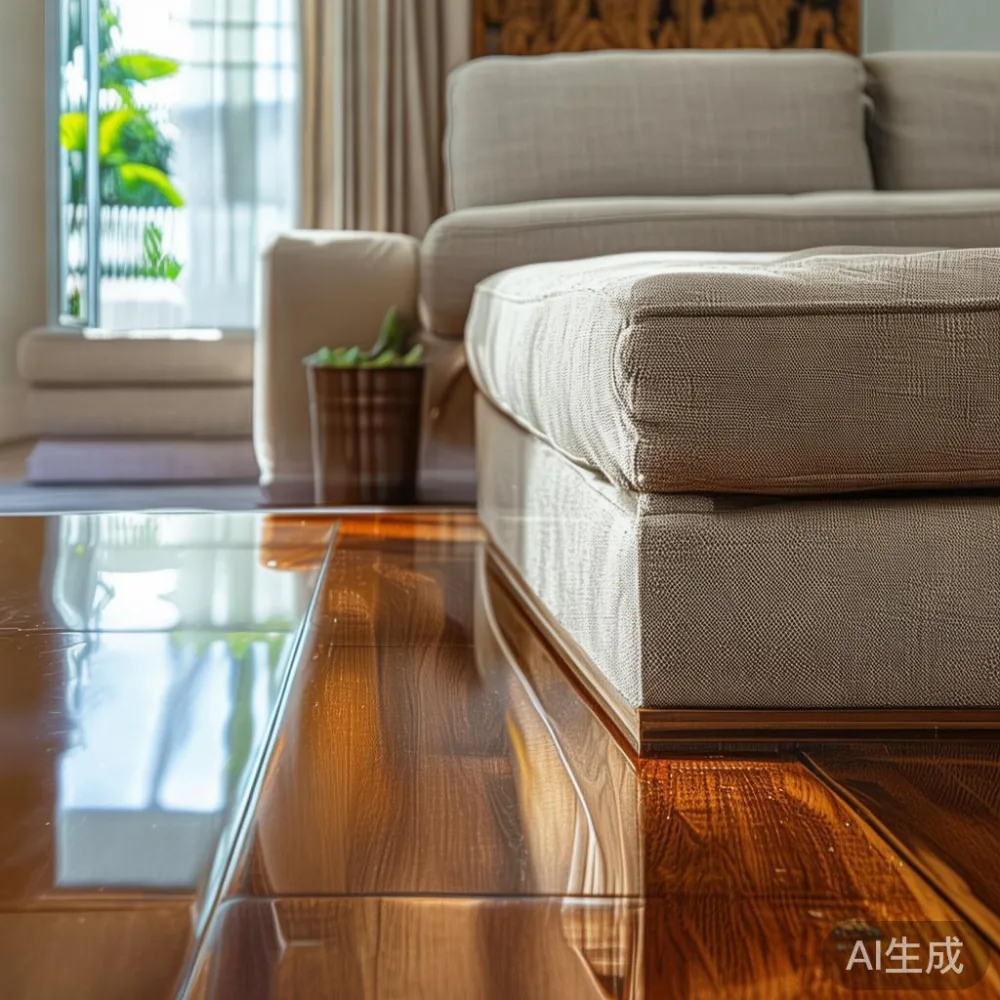
Good care is measured in small habits rather than complicated procedures. Use the numbers below as a practical routine, from daily wiping to annual inspection, and adjust them to the finish supplied with your furniture. MIDHILL applies a 10-year structural warranty to eligible solid wood pieces, offers lifetime refinishing, and provides a 14-day return window, but surface maintenance still matters.
Why does lacquered wood finish need special care in Singapore?
Singapore’s climate can keep relative humidity high, especially in corridors and unconditioned service areas. A lacquered wood finish is less permeable than unfinished timber, but its edges, joints, and small surface defects can still admit moisture. Repeated swelling and drying may produce faint checking, while salt from sweat and airborne dust can leave a dull film around handles and table edges.
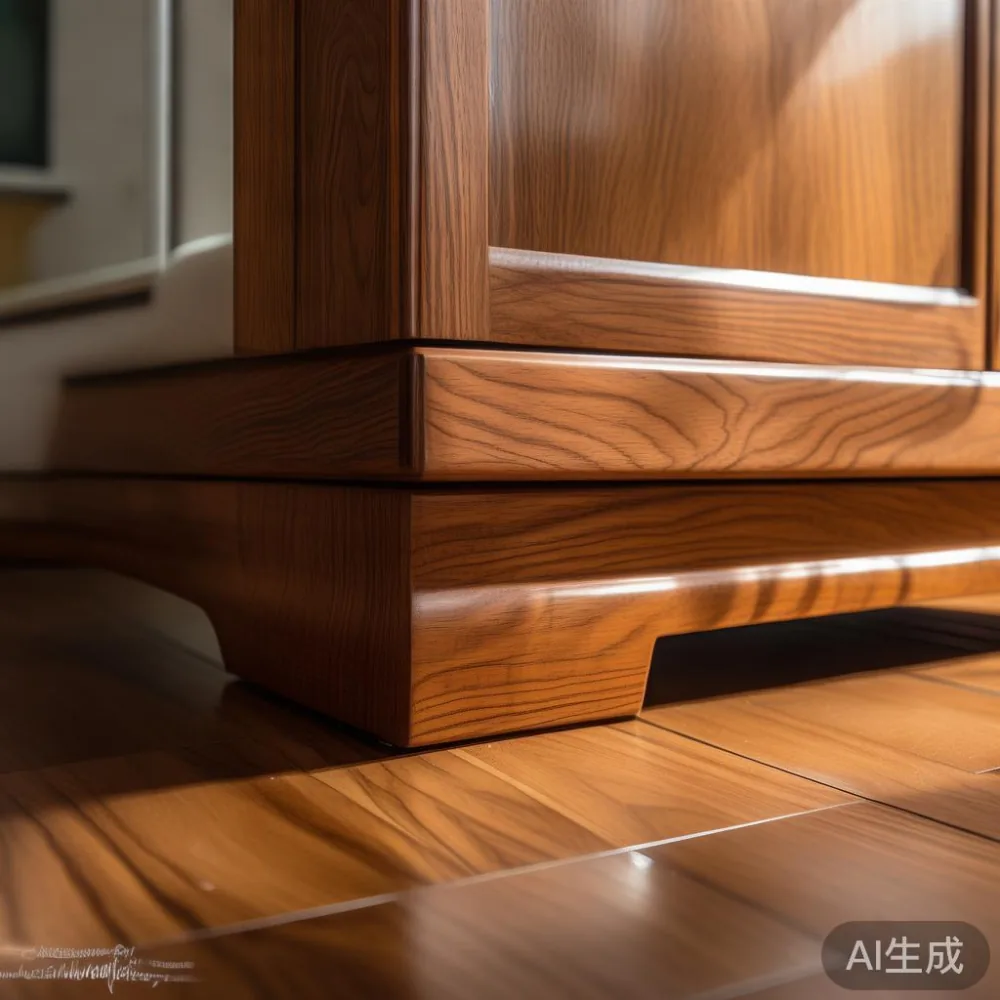
Keep finished pieces away from direct air-conditioning vents. Aim for a 30 cm gap, and never place a dining table or nightstand directly against a cold wall. For balcony use, choose furniture rated for outdoor conditions rather than assuming an indoor lacquer can withstand persistent rain.
My colleague tested one MIDHILL dining table beside a west-facing condo window for 4 weeks in Punggol. She wiped the lacquer daily with a damp microfibre cloth and kept a 60 cm buffer from the glass. After 28 days, the protected area had no tackiness or visible haze. A second sample placed within 10 cm of the window developed a slightly uneven sheen after 19 days, mainly where warm air met the cooler glass.
What should I use to clean a lacquered surface?
Begin with a clean, soft microfibre cloth. Add a small amount of mild dish soap to a bowl of lukewarm water—about 1 teaspoon per 500 ml. Wring the cloth until it is damp but cannot drip. Test the mixture on an underside or hidden section, then allow 15 minutes before checking for colour change.
Dry with a separate cloth immediately. Excess water around joints can enter the wood finish even when the main panel is lacquered. Wipe in the direction of the grain, apply light pressure, and avoid circular scrubbing. For a dining table, remove rings and crumbs before using soap because grit can create fine scratches.
Do not use vinegar, lemon juice, ammonia, alcohol, bleach, abrasive powder, or metal wool. Do not use “spray and shine” unless the furniture manufacturer specifically approves it; silicone residue can make the lacquer uneven and hard to renew. If the product came with a maintenance guide, follow its pH and dilution instructions.
How often should I wipe lacquered furniture?
A weekly wipe suits most Singapore interiors. High-touch areas such as a dining table, bedside table, wardrobe handles, and solid wood sofa armrests benefit from a quick dry wipe every 2 to 3 days. During the 2 months with greater dengue awareness, when people spend more time inspecting corners and window ledges, check the backs of cabinets and narrow spaces for settled dust as well.
Use a barely damp cloth for the monthly cleaning, then dry immediately. Inspect under direct light every 3 months. Look for 3 warning signs: a sticky feeling, a cloudy film, or a change that cannot be removed with a clean cloth. A sticky patch may indicate trapped moisture; a cloudy patch may be residue; a persistent dull area may need professional attention.
Avoid setting very hot cookware directly on lacquer. A 70°C cup can soften some surface films or leave a ring. Use a trivet with at least 2 cm clearance below hot vessels, and place coasters beneath cold drinks. For a marble table, use a separate stone-safe cleaner and a mat rather than a lacquer treatment.
Can sunlight damage lacquered wood in a HDB flat?
Yes, but normal daylight is manageable. UV exposure can gradually fade pigment and weaken the surface film, while rapid temperature changes encourage the wood substrate to move beneath the lacquer. Curtains, blinds, or UV-filtering film help. In a typical HDB living room, keep a solid wood sofa at least 60 cm from a sunlit window when direct rays reach it in the afternoon.
Rotate movable pieces every 6 months so one side does not remain permanently exposed. For a bed frame, check the headboard and side rails every 3 months. For a wardrobe, inspect the door panels that face a window; prolonged sunlight may create a visible colour difference within 12 to 18 months.
Never use ordinary interior glass cleaner on lacquer. The ammonia and surfactants can haze the film. If a piece receives strong morning sun, wipe it with a dry cloth before opening curtains. This removes settled dust before it is warmed and pressed into the surface.
What if moisture or a stain reaches the wood finish?
Act within 24 hours. Blot liquid with a clean white cloth without rubbing. If the area remains wet, aim the room’s air-conditioning at 24°C for 60 minutes while keeping the furniture away from the vent. Do not use a hair dryer, heat gun, or strong fan within 30 cm of the lacquer; concentrated heat can cause bubbling or clouding.
For an oil mark, place a clean paper towel over the spot and lift it with a cloth dampened with the approved soap solution. Change the towel after 10 minutes, then dry the surface. Do not soak the area for more than 5 minutes. If a ring remains after 48 hours, contact the maker rather than trying an abrasive home remedy.
Small marks may require refinishing rather than cleaning. MIDHILL’s lifetime refinishing policy should be confirmed against the product and service terms at purchase. Record the purchase date, model, finish code, and photographs in 4 directions; clear images can reduce back-and-forth when arranging refinishing.
How do I prevent lacquer from peeling or bubbling?
Peeling and bubbling usually point to trapped moisture, heat, incompatible cleaning products, or an earlier repair. Keep lacquered furniture indoors, with indoor relative humidity ideally around 45% to 65% when practical. In Singapore, a room dehumidifier may help during wet periods, but place it at least 1 metre away so airflow does not hit a door edge or lacquered panel continuously.
Use the original fitting instructions. A wardrobe door should not press against an adjacent panel; allow 3 to 5 mm for movement. A bed frame should sit clear of damp walls. A nightstand should not be pushed tightly beneath a window ledge where condensation forms at night.
Many household accidents occur during moving. Measure a lift door and the diagonal of its car before delivery. A 120 cm corridor may accept a 90 cm sideboard with care, but a 100 cm dining table may need turning on its edge. Remove doors where the maker permits, protect the wood finish with blankets, and never drag a solid wood sofa or bed frame across a tiled corridor.
Is French light luxury suitable for a compact Singapore home?
French light luxury works well when it means pale woods, restrained profiles, tactile textiles, and small decorative details rather than oversized ornament. A slim solid wood sofa in oatmeal or warm grey can visually lighten a Tampines flat, while a low-profile bed frame preserves circulation beside a 90 cm doorway. French light luxury is especially useful where the kitchen opens directly into the living area because pale finishes reflect daylight and make the room feel less crowded.
American light luxury is more measured, with clean lines and durable materials suited to family use. Post-modern light luxury can add gentle curves and warmer metal accents without filling the room with bulky pieces. These approaches suit a dining table with a light lacquer, a compact wardrobe, and a nightstand with 1 or 2 drawers rather than several.
If you are comparing references, searches for 2026 Italian light luxury furniture can clarify scale, proportion, and material restraint. For a media wall, a European light luxury TV console should remain visually quiet, with closed storage and a cable route no wider than 8 cm behind it. A marble table may add polish to a dining setting, but it requires a separate care routine and should not be treated with wood cleaner.
Broader style lists such as top 10 Nordic furniture, top 10 Coastal furniture, designer light luxury furniture, how to style American wardrobe in apartment, and Foshan Lingzhan can provide useful visual direction, but check actual dimensions before ordering. A catalogue concept does not account for your HDB lift, corridor, door swing, or GST-inclusive budget.
What are the hidden costs of replacing lacquered furniture?
Replacement involves more than the sticker price. A new solid wood sofa can involve delivery, assembly, stair or lift access, and disposal packaging. A new dining table may need a 3 to 7 day production or dispatch window, followed by delivery in Singapore. A fitted wardrobe can take 1 to 3 weeks for production and another 1 to 7 days for delivery after installation is arranged.
MIDHILL offers free shipping for orders over US$350, which is a useful international reference, but local quotations should be confirmed in SGD with GST shown clearly. Shipping thresholds, regional surcharges, and service arrangements can change, so ask for the final payable amount rather than converting a catalogue price mentally.
Refinishing is often more practical for a structurally sound piece with local surface damage. It reduces waste and preserves dimensions that already suit the room. However, deep splits, swelling at joints, or widespread film failure may require section replacement rather than refinishing. Have a specialist inspect pieces with more than 3 damaged areas.
How should I prepare furniture for delivery in a condo?
Measure the route before the furniture leaves the workshop. Record the lift door width, lift car dimensions, hallway turns, and the unit door width. Add 10 cm to furniture dimensions when assessing a tight lift turn. Photograph the route on the delivery day and note any existing scratches on corridor tiles or the lift threshold.
Ask the delivery team whether the furniture is protected with cardboard, foam, and straps. Lacquered corners should not touch metal hardware directly. For a bed frame, assemble it in the bedroom if the unit door is under 80 cm. For a dining table, remove the legs where the design allows, then carry each protected component with 2 people if the piece exceeds 45 kg.
After arrival, acclimatise the furniture for 48 hours before placing objects on it. Keep it away from direct air-conditioning output and exterior doors while settling. Wipe each surface with a dry cloth, inspect under side lighting, and photograph the condition before removing protective materials.
What is a practical 12-month lacquer care schedule?
Days 1 to 7: wipe with a dry microfibre cloth, check all surfaces, and remove packaging slowly. Day 14: inspect for moisture marks, haze, or residue, especially in kitchens and bathrooms. Day 30: complete the first diluted cleaning. Months 2 and 3: clean high-touch zones, rotate movable furniture, and check lacquer near windows.
Month 6: clean the full piece, inspect the underside and edges, and confirm that doors and drawers move without touching. Month 9: renew insect screens near entry doors and remove accumulated corridor dust from skirts and handles. Month 12: conduct a detailed review under bright light and document any changes with dated photographs.
Replace a saturated cleaning cloth after every 2 uses. Keep dirty cloths in a sealed bag so lint does not return to the lacquer. Use 2 different cloths: one for soap solution and one for drying. The entire monthly process should take about 15 minutes for a dining table, 8 minutes for a nightstand, and 20 minutes for a wardrobe.
When should I call a furniture specialist?
Contact a specialist when the surface film wrinkles, separates, or exposes wood; when stains remain after 2 careful cleaning attempts; when moisture repeatedly returns to the same corner; or when a door has begun to rub. Include measurements of the affected area, the finish name, the product age, and 6 photographs taken in daylight and with side lighting.
For lacquered products from MIDHILL, retain invoices and finish information because the company has supplied solid wood furniture since 2008 and exports to more than 15 countries. Its 10-year structural warranty addresses qualifying structural issues, while lifetime refinishing can cover eligible cosmetic renewal according to the applicable terms. A 14-day return route may help where a product’s finish or scale proves unsuitable, provided it is handled and returned under the stated policy.
A well-maintained lacquered wood finish can remain graceful for years in a Singapore home. Keep water brief, heat distant, sunlight moderated, and inspection regular. When damage is caught early, a simple cleaning or controlled refinishing process can preserve the piece’s character without replacing furniture that still fits the room.