Veneer vs. Solid Wood: A 5-Year Cost Reality in Singapore Furniture
Choosing furniture for a Singaporean home, be it a compact HDB flat in Tampines or a spacious condo in Punggol, involves a delicate balance of aesthetics, functionality, and budget. The material you select is a cornerstone of this decision, with veneer and solid wood being two of the most popular options. Both offer distinct visual and tactile qualities, but their long-term value proposition diverges significantly over time. This article provides a detailed, data-driven 5-year cost comparison, moving beyond the initial purchase price to consider maintenance, longevity, and the hidden costs associated with each material. We will work through the specifics of Singaporean living conditions, including space constraints and the 9% Goods and Services Tax (GST), to provide a comprehensive financial picture.
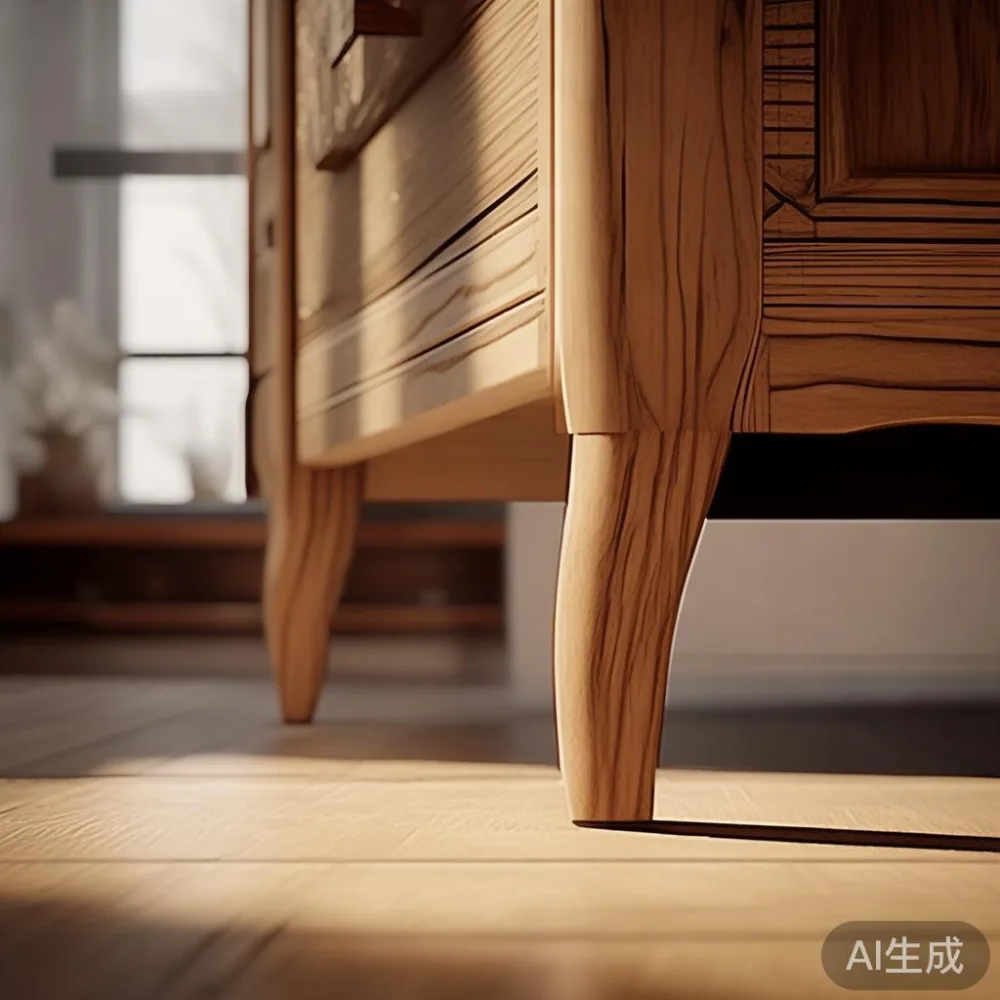
What Exactly Are We Comparing? Solid Wood vs. Veneer
Before diving into the numbers, it is important to understand the fundamental difference between these two materials. Solid wood furniture, as the name implies, is crafted from a single piece of lumber or solid wood planks joined together using traditional joinery like mortise and tenon or dovetail. This construction creates a durable, repairable piece of furniture. The natural grain patterns, knots, and variations are unique to each board, making every item a one-of-a-kind creation. The quality of the wood finish on solid wood is paramount, as it protects the natural material and deepens its character over time.
Veneer, on the other hand, is a thin layer of real wood (often a premium species like oak or walnut) applied over a core of engineered wood, such as Medium-Density Fibreboard (MDF), particleboard, or plywood. The core provides stability and a lower cost base, while the veneer layer delivers the look of solid wood. While a high-quality wood finish is still applied to veneer, its primary function is to protect the thin decorative layer rather than a thick, solid piece of timber. Understanding this structural difference is key to understanding the long-term financial and durability outcomes we will explore.
The Initial Investment: A Singaporean Price Breakdown
The most apparent difference between veneer and solid wood is the upfront cost. In Singapore's market, where space is at a premium and quality is often prioritised, this initial investment can be substantial. Let's consider a common furniture suite for a master bedroom: a queen-size bed frame, two nightstands, and a six-door wardrobe. We will use prices inclusive of the 9% GST, which is standard for all retail purchases in Singapore.
A veneer bedroom suite from a reputable local retailer might cost approximately SGD 3,800. This would include a bed frame with a veneered headboard, two matching veneer nightstands, and a large wardrobe with veneer panels on the doors and carcass. The construction would likely feature a plywood or MDF core with a 0.6mm to 1.0mm thick walnut veneer. The wood finish would be a durable lacquer.

A comparable solid wood suite, constructed from solid American oak, would command a significantly higher price. The same bedroom suite from a specialist like MIDHILL, known for its craftsmanship, would be priced around SGD 8,500. This reflects the cost of premium solid lumber, more complex joinery, and a higher-quality, hand-rubbed wood finish that protects the solid oak. For those seeking a specific aesthetic, the price for a solid wood suite in a style like French light luxury or 2026 Italian light luxury furniture would fall within a similar premium bracket.
The initial difference is clear: SGD 4,700. This is a considerable sum for any household, often representing a significant portion of a renovation budget. It's this upfront cost that often drives the initial decision towards veneer, but a true cost analysis must look beyond the purchase receipt.
Year 1-2: The Cost of Wear, Tear, and Moving
The first two years are where the initial gloss of new furniture begins to meet the reality of daily living. For veneer furniture, the most common issues tend to appear around the edges and high-contact areas. The thin wood layer can be susceptible to chipping if bumped against a wall corner or the edge of a HDB lift. A small chip on a veneer wardrobe door or nightstand is difficult to repair smoothly and often requires professional attention to refinish the entire panel to avoid a noticeable patch.
Last month, I visited a client's condo in Bedok. She had purchased a beautiful veneer dining table two years prior. The table, a dark walnut veneer over an MDF base, had suffered several small chips along the edges from daily use and moving it for cleaning. A local furniture repair service quoted her SGD 280 to sand down and refinish the affected areas. This is a recurring cost that owners of veneer furniture should anticipate. The wood finish on these pieces, while protective, is not as forgiving as that on solid wood for impact damage.
Solid wood furniture, in contrast, is far more resilient to minor impacts. A small ding or dent in a solid oak bed frame can often be buffed out with fine sandpaper and touched up with a matching wood wax or oil, a process a homeowner can often perform themselves. The structural integrity of the piece remains unaffected. The primary cost in the first two years for solid wood is typically zero for repairs, unless significant damage occurs. The only potential expense might be the occasional application of a wood polish to maintain the lustre of the wood finish, costing around SGD 30 for a good-quality product that lasts a year.
Another hidden cost factor in Singapore is moving. The narrow corridors and lifts of many older HDB flats, or the tight turns in condo hallways, can be a challenge. Solid wood furniture is heavier and more rigid. Moving a solid wood wardrobe, which might weigh 120 kg, requires more care and potentially two movers, adding SGD 50 to SGD 100 to a moving bill compared to a lighter veneer equivalent.
Year 3-4: The Maintenance and Refinishing Crossroads
As furniture enters its third and fourth years, the focus shifts from accidental damage to the natural aging process of the wood finish. This is where the long-term value of solid wood truly begins to emerge. Veneer furniture, with its thin protective layer, has a limited lifespan for its finish. Over 3-4 years, exposure to Singapore's humidity can cause the wood finish to dull, and the thin veneer itself may begin to show signs of wear, particularly on surfaces like tabletops or chair arms.
When a veneer piece looks tired, the options are limited. The wood finish cannot be sanded down and reapplied in the same way as solid wood, as doing so would sand through the veneer layer, revealing the core beneath. The only recourse is to replace the piece or attempt a costly and risky professional re-veneering process, which can exceed the value of the original furniture. For a veneer dining table showing significant wear, the owner is often left with the choice of living with a tired-looking piece or investing in a new one, effectively restarting the 5-year cost cycle.
Solid wood furniture behaves differently. The thick wood finish on a piece like a solid wood sofa or bed frame can be completely restored. A process called 'refinishing' involves stripping the old finish, sanding the wood to a smooth surface, and applying a new, protective coat of oil or lacquer. This process can breathe new life into a piece that has become scratched or faded. A professional refinishing service for a solid wood dining table in Singapore costs approximately SGD 800 to SGD 1,200, depending on the size and complexity. While this is a significant expense, it is a one-off cost that extends the life of the furniture by another 10-15 years, effectively resetting its condition to near-new.
For those who invested in a piece like a solid wood marble table, the maintenance is even simpler. The marble top can be professionally re-polished for around SGD 200 to restore its shine, while the solid wood base can be refinished as needed. This ability to restore rather than replace is the cornerstone of solid wood's long-term value proposition.
Is Solid Wood Furniture Actually Cheaper Over 5 Years When You Factor in Everything?
This is the critical question for every Singaporean homeowner. Let's do the math. We will calculate the total cost of ownership over a 5-year period for our bedroom suite example, factoring in the initial purchase, potential repairs, and maintenance. We assume no major accidents, only normal wear and tear.
Veneer Suite Total Cost (5 Years):
Initial Purchase: SGD 3,800
Minor Repair (chips): SGD 280
Total Cost: SGD 4,080
Solid Wood Suite Total Cost (5 Years):
Initial Purchase: SGD 8,500
Maintenance (wood polish): SGD 60
Total Cost: SGD 8,560
On the surface, the numbers suggest veneer is still the more economical choice. However, this calculation misses a important element: the residual value. After 5 years, the veneer suite will likely look dated and worn. Its market value would be negligible, perhaps only 10-15% of its original price. It would be difficult to sell, and any buyer would see it as a used, potentially damaged item.
The solid wood suite, however, will have aged gracefully. Its value retention is significantly higher. After 5 years of proper care, it could still be worth 40-50% of its original purchase price. A well-maintained solid oak bedroom suite could be sold for approximately SGD 3,400 to SGD 4,250.
When we factor in the net cost (initial price minus resale value), the picture changes dramatically:
Veneer Net Cost: SGD 3,800 - SGD 380 (est. resale) = SGD 3,420
Solid Wood Net Cost: SGD 8,500 - SGD 3,400 (est. resale) = SGD 5,100
Even with this calculation, veneer appears cheaper. But the true value of solid wood lies beyond the 5-year mark. The option to refinish the solid wood suite at year 5 for SGD 1,000 means it can be kept for another 10-15 years without needing replacement. The veneer suite, at year 5, is approaching the end of its functional and aesthetic life, forcing a complete repurchase. The long-term, multi-decade cost of ownership for solid wood is demonstrably lower.
Why the Foshan Factory and Craftsmanship Matter for Your Wood Finish
The origin and quality of construction are inseparable from the performance of the wood finish. A poorly applied finish on any material will fail quickly. This is where the manufacturing background of a brand becomes relevant. Many high-quality solid wood furniture makers, including those with a presence in Singapore, source their products from specialised factories. The Foshan factory region in China, for instance, has developed a reputation for skilled woodworking and advanced finishing techniques honed over decades.
A reputable factory focuses on the entire process, from selecting kiln-dried lumber that is stable in Singapore's climate to applying multi-layered wood finishes that are both beautiful and durable. They understand that the finish is not just for appearance; it is a protective shield for the wood. This attention to detail ensures that the solid wood furniture you purchase is not just beautiful on day one, but is built to maintain its integrity and appearance for years to come. The craftsmanship involved in creating a smooth wood finish on a complex piece like a solid wood sofa or a wardrobe with intricate joinery is a mark of quality that directly impacts the long-term value of the furniture.
When considering a purchase, it is worth asking about the construction and finishing process. A brand that is transparent about its materials and craftsmanship is more likely to produce furniture that withstands the test of time, making the initial investment a sound financial decision rather than a short-term expense.