What Actually Drives the Price of Solid Wood Furniture in Singapore
When furnishing a Singaporean apartment, whether it's a compact HDB flat in Tampines or a spacious condo in Punggol, the choice of solid wood furniture is often a significant investment. The price tags can vary dramatically, from a few hundred dollars for a small nightstand to several thousand for a dining table or bed frame. This variation can be confusing. Many buyers assume a higher price simply means a prettier design, but the reality is far more nuanced. The cost is a direct reflection of a complex interplay of factors, from the journey of the wood itself to the final touches of the wood finish that protect and beautify it. Understanding these drivers is the key to making an informed purchase that offers lasting value.

Is a Higher Price Just for a Better-Looking Piece of Furniture?
The most common misconception is that the primary driver of a solid wood furniture's price is its aesthetic appeal. While design certainly plays a role, it's often the last piece of a much larger puzzle. A beautiful design executed with low-quality materials and poor craftsmanship will not only look cheap but will also degrade quickly, offering no long-term value. Conversely, a simpler design made from superior materials and assembled with exceptional skill will command a higher price and provide decades of use. The visible beauty is merely the outward expression of the unseen quality that determines the furniture's true cost and lifespan. This is why focusing solely on the initial appearance can be a costly mistake for homeowners in Singapore.
The Core Material: Not All Wood is Created Equal
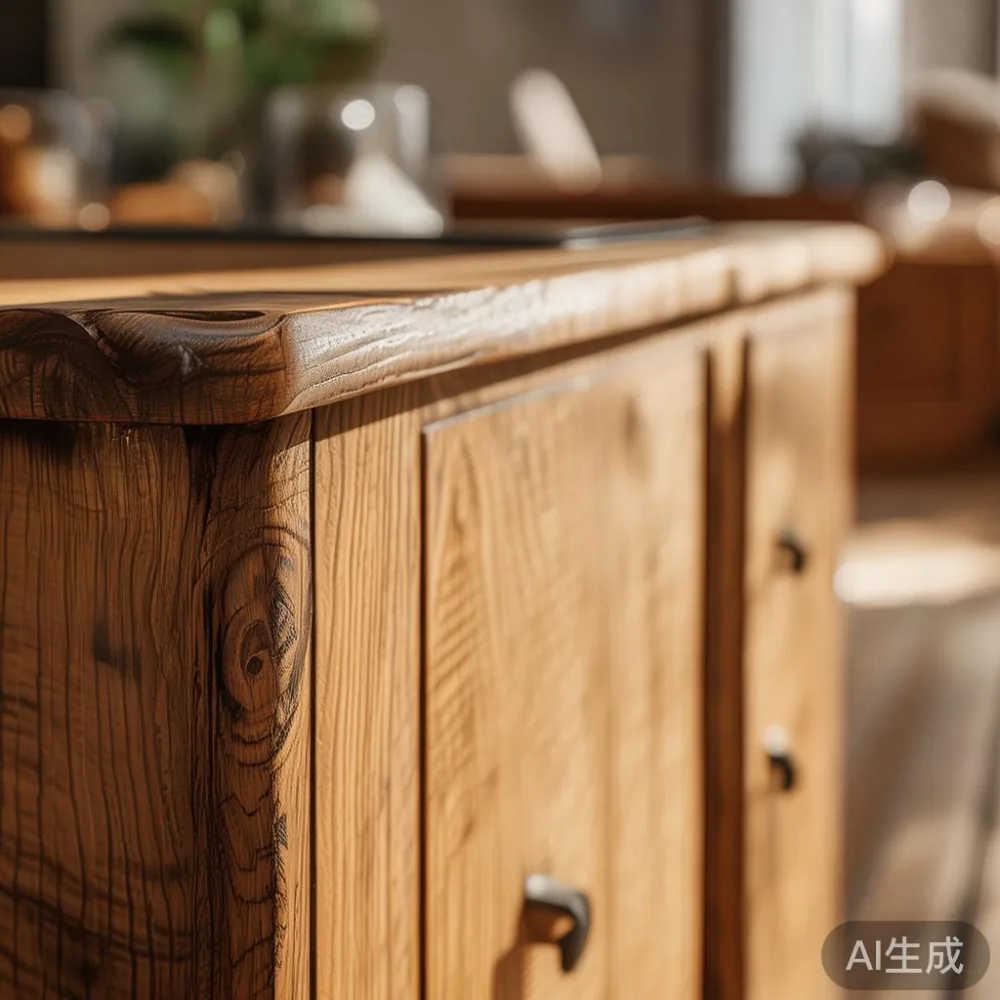
The single most significant factor influencing the price of solid wood furniture is, without a doubt, the wood itself. The term 'solid wood' is broad and encompasses a vast range of species, each with its own unique characteristics, availability, and cost. For a homeowner in Singapore, understanding these differences is fundamental to understanding the price they are paying.

Hardwoods, derived from deciduous trees, are generally denser, more durable, and more expensive than softwoods. Common hardwoods used in furniture include oak, maple, cherry, and walnut. Oak, with its prominent grain and extreme durability, is a popular choice for dining tables and bed frames. A solid oak dining table for 6 people can easily cost between SGD 2,500 and SGD 4,500. Walnut, prized for its rich, dark colour and straight grain, is even more expensive, often used for high-end pieces like a solid wood sofa or a statement wardrobe. A walnut wardrobe might start from SGD 3,800.
Softwoods, like pine and rubberwood, are less dense and grow faster, making them more affordable. Pine furniture is a common entry point for solid wood pieces, with a nightstand or a simple bookshelf starting around SGD 200. However, pine is more susceptible to dents and scratches, and its price reflects this lower level of durability. The choice between wood species is a direct trade-off between upfront cost, long-term resilience, and visual appeal. The wood finish applied to these species also varies, with some woods accepting stains and oils better than others, influencing the final aesthetic and price.
The Craftsmanship Behind the Seams: Joinery and Construction
Once the wood is selected, the method of construction becomes the next major price determinant. This is where the difference between a mass-produced item and a piece of fine furniture becomes apparent. The quality of joinery—the technique used to connect pieces of wood—dictates the furniture's structural integrity and longevity.
Inferior furniture often relies on staples, nails, and cheap screws. These methods create weak points that can loosen over time, especially under the stress of daily use in a busy household. A dining table with legs attached with simple screws might wobble after a year of family dinners. In contrast, high-quality furniture uses traditional joinery techniques like dovetail, mortise and tenon, and dowel joints. A dovetail joint, for example, interlocks the wood pieces like fingers, creating an incredibly strong and durable connection that requires no mechanical fasteners. This level of craftsmanship is time-consuming and requires skilled artisans, which is reflected in a higher price tag. A solid wood bed frame with dovetail joints in the drawers will be significantly more expensive than one with glued and screwed joints, but it will last for generations.
Last month, I visited a workshop in Foshan to see this process firsthand. My colleague pointed to a craftsman meticulously hand-cutting dovetail joints for a drawer. He explained that this single drawer took the artisan over two hours to complete, whereas a machine-cut joint might take 30 seconds. The difference in time, skill, and resulting quality is a massive part of the furniture's cost. This attention to detail ensures that the piece not only looks beautiful but is also structurally sound for decades to come.
Origin and Logistics: The Global Journey of Your Furniture
Furniture does not magically appear in a showroom in Bedok or a warehouse in Tampines. It travels a long journey, and every step of that journey adds to the final cost. A piece of solid wood furniture is a global product, and its price is influenced by its origin and the complexities of international logistics.
For a brand like MIDHILL, established in 2008, this journey begins at the source. Foshan, in China's Guangdong province, is a major hub for furniture manufacturing, but the wood itself might come from North America, Europe, or sustainable forests in Southeast Asia. The cost of the raw timber, its transportation to the factory, and the manufacturing overhead are all factored into the base price of the piece.
From the factory, the furniture is shipped to Singapore. This involves sea freight, customs clearance, and the 9% Goods and Services Tax (GST) applied to all imported goods. The cost of shipping a 120cm x 80cm dining table from China to Singapore can add several hundred dollars to the final price. Once it arrives, the furniture needs to be stored in a local warehouse before being delivered to your home. Delivery itself is a significant consideration. In Singapore, working through HDB lift widths (typically 110cm x 210cm) and condo corridors requires careful planning. A reputable company will factor in the cost of specialised delivery vehicles and trained personnel who can manoeuvre large items like a marble table or a wardrobe through tight spaces without damage. Free shipping over SGD 350, as offered by some brands, is a significant value proposition that effectively subsidises the cost of delivery for smaller items.
The Final Touch: The Importance of the Wood Finish
Often overlooked by the casual buyer, the wood finish is one of the most critical elements that determine both the price and the lifespan of solid wood furniture. The finish is a protective layer applied to the wood that shields it from moisture, scratches, stains, and everyday wear and tear. The quality of this finish is a direct indicator of the furniture's quality and its ability to maintain its beauty over time.
There are several types of wood finishes, ranging from basic to premium. A cheap piece might have a thin layer of lacquer or a cheap paint-like coating. This type of finish offers minimal protection and can easily chip or peel, revealing the raw wood underneath. In contrast, high-end furniture uses multiple coats of premium oil, varnish, or wax. These finishes penetrate deep into the wood grain, enhancing its natural beauty while creating a durable, water-resistant barrier. A hand-rubbed tung oil finish, for example, takes days to apply and cure properly but results in a deep, lustrous, and highly protective surface that can be easily repaired. This meticulous application process is labour-intensive and contributes significantly to the final price. A well-executed wood finish is not just for looks; it is the furniture's first line of defence against the humid Singapore climate, ensuring it remains beautiful for years to come.
How to Choose European Light Luxury Furniture for Your Singapore Home
Given these factors, how does a consumer in Singapore work through the market and choose furniture that offers genuine value? The key is to move beyond the price tag and evaluate the underlying quality. When considering a how to choose European light luxury sofa, one should inspect the frame. Is it made of solid hardwood or just veneered particleboard? Can you see the joinery? A high-quality sofa will have visible, tight-fitting joints like mortise and tenon, not just staples hidden by fabric.
When looking at a bed frame, the question of is French provincial bed worth it depends on your appreciation for its ornate design and the quality of its construction. A true French provincial piece will feature solid wood, intricate hand-carved details, and a durable finish, not just pressed mouldings on a softwood base. For those who prefer a more modern aesthetic, a European light luxury bed offers a cleaner silhouette, often using premium woods like oak or walnut with a minimalist, high-gloss or matte finish. The principles of how to choose European bed remain the same: check the material, the joinery, and the quality of the wood finish.
For storage solutions like a wardrobe or nightstand, the internal hardware is just as important as the external wood. Soft-close hinges and drawer runners are signs of a well-made piece. These components prevent slamming and ensure smooth operation for years, adding to the furniture's convenience and longevity. A marble table, often used as a dining or coffee table, introduces another variable. The price is driven by the quality and thickness of the marble slab, the type of edging (straight, ogee, or bullnose), and the robustness of the solid wood base it is mounted on. A 2cm thick Italian marble top on a solid oak base will be a significant investment, but its beauty and durability are unparalleled.
In the end, the price of solid wood furniture is a reflection of its entire lifecycle. It’s the cost of the raw material, the skill of the artisan, the durability of the construction, the protection of the wood finish, and the logistics of bringing it to your home. While a higher price doesn't automatically guarantee quality, a very low price almost certainly guarantees a compromise on one or more of these critical factors. By understanding what drives the cost, homeowners in Singapore can make a confident investment in furniture that will not only enhance their living space but will also endure the test of time.