Caring for a Lacquered Wood Finish in Singapore's Tropical Climate: A Practical Guide for HDB and Condo Owners
Singapore is one of the most demanding environments on Earth for any piece of furniture with a lacquered wood finish. The average relative humidity sits between 78% and 88% year-round, afternoon temperatures climb past 32°C, and air-conditioning swings can drop a room's moisture content by 30% within an hour. A solid wood dining table, a French light luxury bed frame, or a wardrobe with a gloss lacquer face may look pristine on day one, but without the right routine the wood finish begins to dull, crack, or haze within a single monsoon season. This guide is written for homeowners in Tampines, Bedok, Punggol, and across the island who want their furniture to age gracefully for 10, 15, or even 20 years.
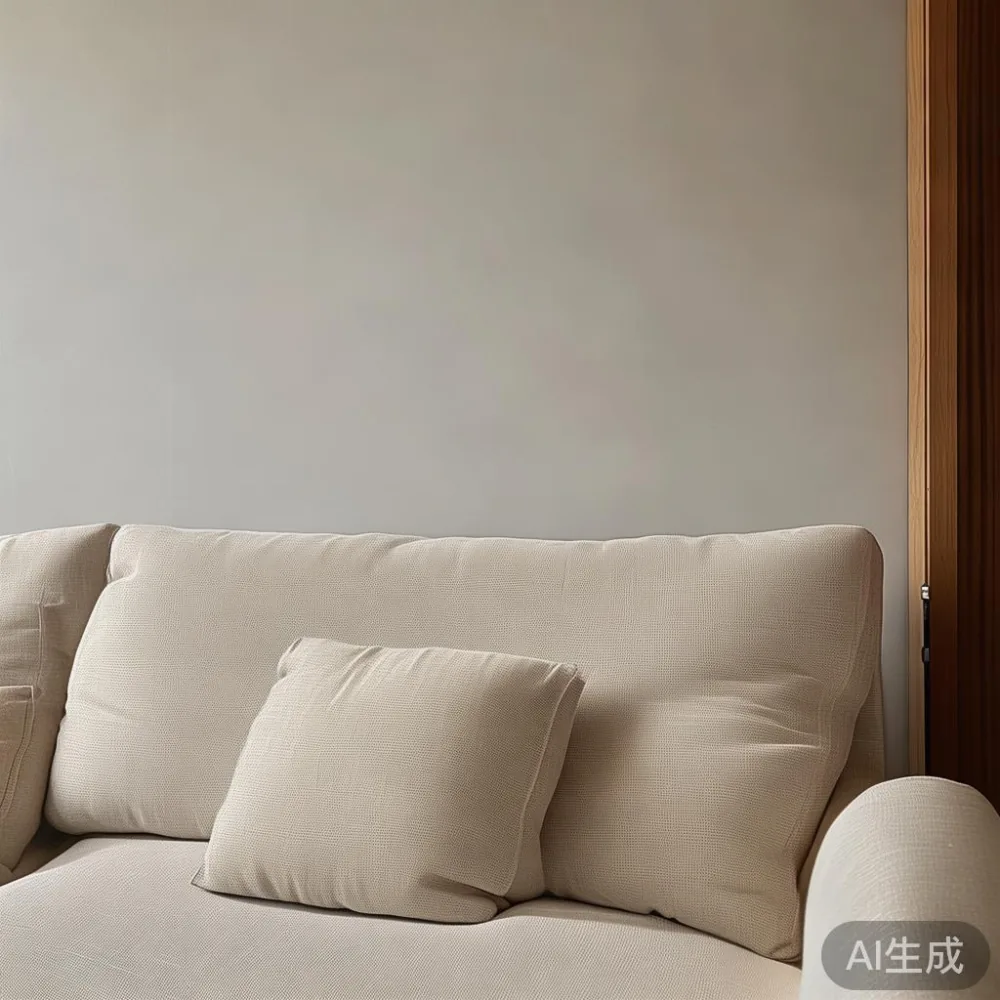
Before we get into the weekly habits, it helps to understand why a lacquered wood finish behaves the way it does in our climate. Polyurethane (PU) lacquer, the most common high-build coating on solid wood furniture, is a closed-pore film. It blocks moisture movement on the surface, but the wood underneath — typically ash, oak, rubberwood, or beech — still absorbs and releases water with the surrounding air. When the lacquer film and the wood beneath it move at different rates, you get checking, hairline cracks, and cloudy patches known as blushing. Knowing this explains why the advice below leans on climate control and gentle cleaning rather than aggressive polishing.
What humidity level should I keep in my HDB or condo?
This is the single most important question for any Singapore home. Aim to keep the room holding your solid wood sofa, dining table, or bed frame between 45% and 60% relative humidity, with temperature between 22°C and 26°C. In practical terms, that means running the air-conditioner or a dehumidifier whenever humidity climbs above 65%, especially during the November-to-January monsoon phase and the April-May inter-monsoon.
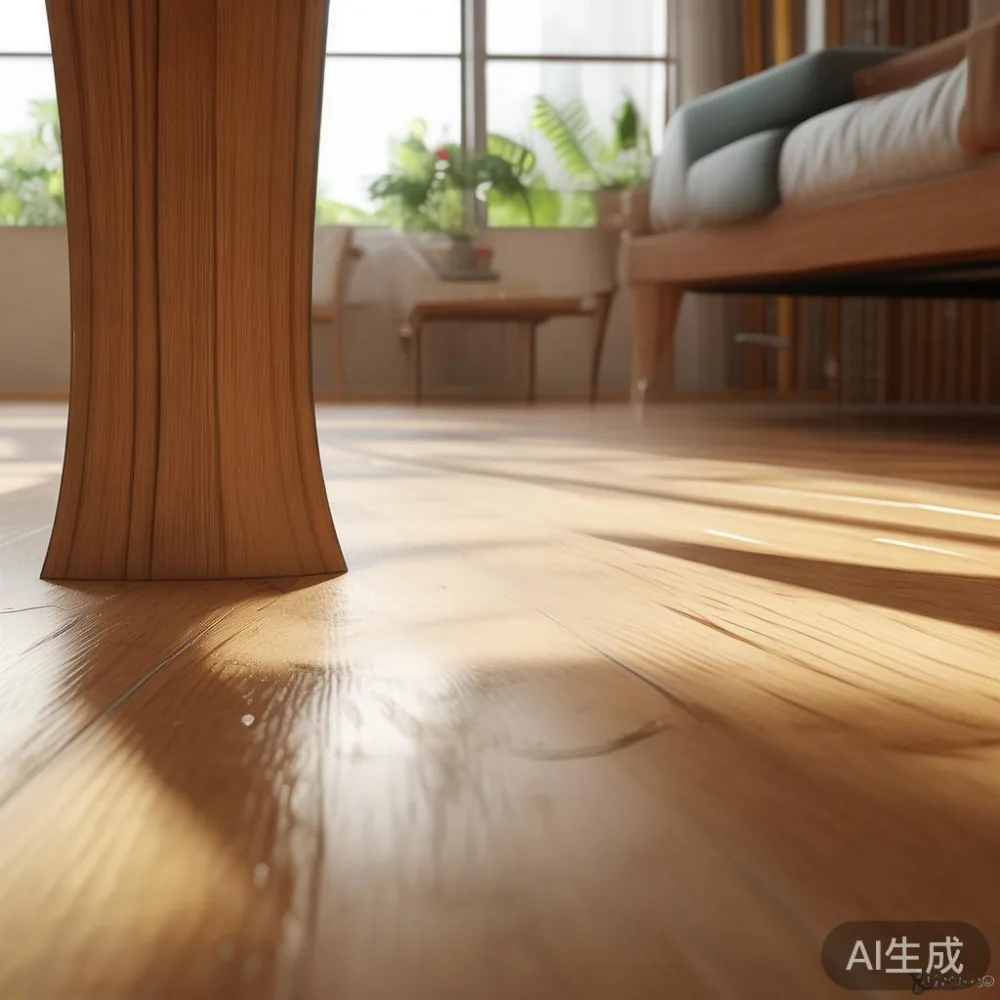
Three concrete numbers worth remembering: a basic digital thermo-hygrometer costs S$12 to S$25 at Tampines Mall or Bedok Point; a small 12-litre dehumidifier suitable for a 10 to 15 m² bedroom runs around S$120 to S$180 and uses about 1.5 kWh per day; a smart humidity sensor such as the SwitchBot or Xiaomi models sits between S$35 and S$55 and can trigger the air-con automatically. Place the sensor on an interior wall, roughly 1.5 m off the floor, away from direct sunlight.
Many Punggol and Sengkang resale flats trap a surprising amount of moisture because of their north-facing orientation and cross-ventilation layout. My colleague visited a 4-room HDB in Punggol last month where the owner had stacked her lacquered dining table flush against a kitchen door; condensation from cooking was fogging the wood finish every evening. Moving the table 40 cm away from the kitchen threshold and running a 12-litre dehumidifier between 8pm and midnight brought the surface humidity reading from 72% down to 54% within five days.
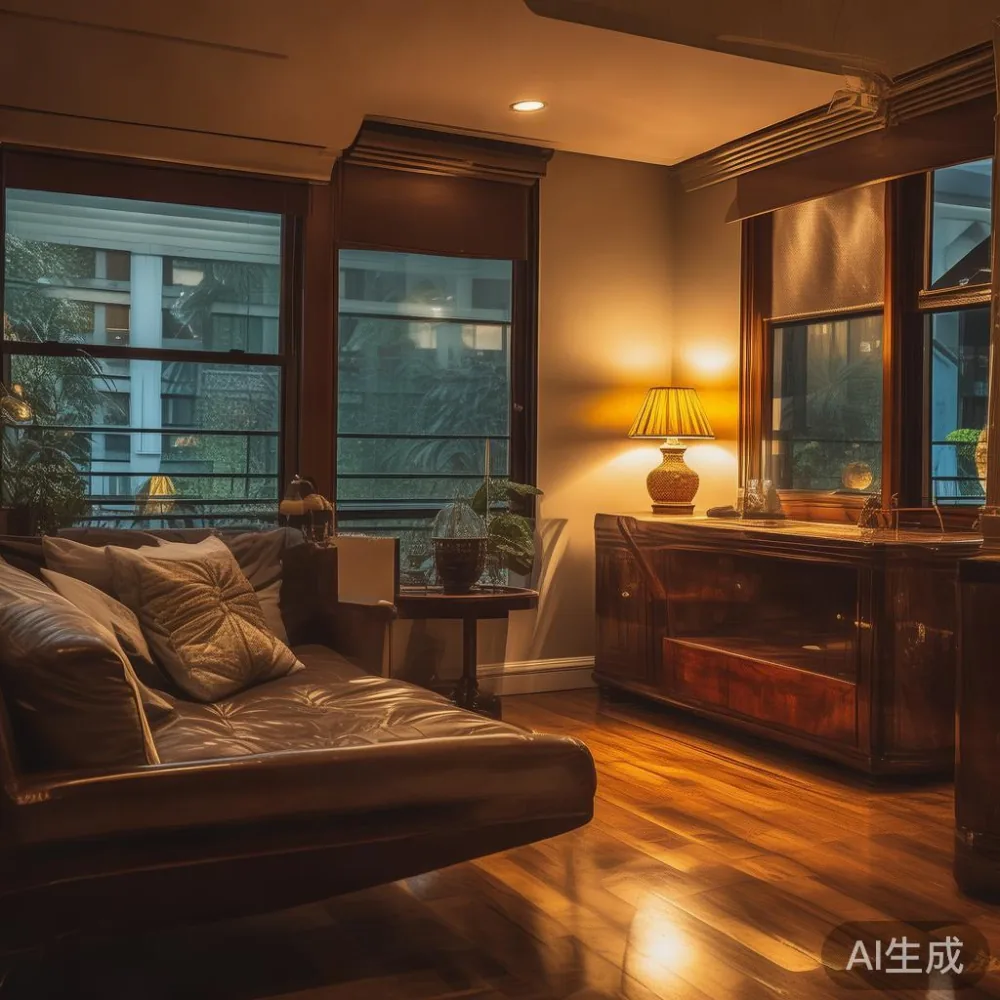
Does lacquered furniture need to be moved away from my windows?
Yes — at least 1.0 to 1.5 m away from any window that receives direct afternoon sun, and 0.6 m away from any external wall. UV radiation breaks down the polyurethane resin over time, causing yellowing on clear lacquers and chalking on pigmented ones. In HDB blocks facing unblocked west windows — common in some Jurong and Bukit Batok stacks — that single rule can extend the visible life of a wood finish by 5 to 7 years.
If your floor plan does not allow that buffer, consider an automated sheer curtain. A motorised sheer from local suppliers such as Victor Concept or The Curtain Gallery costs between S$180 and S$280 per panel and reduces UV transmission by roughly 85%. Pair it with low-E window film (S$22 to S$35 per square foot installed) and you will notice the temperature around your solid wood bed frame drop by 1.5°C during peak afternoon hours.
For a marble dining table with a lacquered wooden base, the same rule applies but the table itself is more stable because the 12 mm to 18 mm marble top reflects rather than absorbs radiant heat. Keep the base out of direct sunlight, and the stone will quietly do its job.
What is the safest way to clean a lacquered wood finish every week?
Use a microfibre cloth that has been lightly misted with plain water — never sprayed. The cloth should feel barely damp, like a wrung-out chamois. Wipe in long, straight strokes along the grain direction. Follow up immediately with a second dry microfibre to remove any remaining film of moisture. Done weekly, this two-cloth routine keeps dust and airborne oils from building up and dulling the wood finish.
What to avoid: any product containing silicone, ammonia, lemon oil, orange oil, or wax. These are often marketed as "wood polish" and will, over time, soften the lacquer film and create a smeary, cloudy surface that is nearly impossible to reverse. If you want a quarterly refresher, a single drop of a water-based wood-care emulsion such as Borma Wachs or Osmo (S$28 to S$45 for 250 ml) on a cloth is the maximum that most lacquered finishes need.
Spills deserve a fast response. Wipe coffee, soy sauce, or teh tarik within 60 seconds using the barely-damp cloth method. Lacquer resists most liquids for the first 2 to 3 minutes, but the colour of a soy stain can migrate through a thin coat within 10 minutes, leaving a permanent amber ghost mark. Blot, never rub.
How do I get a lacquered wardrobe through a HDB lift without damage?
This is the question that catches most new owners off guard, particularly in older 3-room flats with lifts measuring just 1.1 m wide by 1.4 m deep and doors that swing open to roughly 0.8 m. A standard 2-door wardrobe from MIDHILL light luxury sofa and storage collections stands 180 cm tall, 120 cm wide, and 55 cm deep — and tipping it past a 30° angle during a lift ride risks cracking the lacquered wood finish on the crown moulding.
Three practical options for Singapore corridors and lifts:
Option A — flat-pack on-site assembly. The wardrobe arrives in six to eight flat packs, each between 18 kg and 38 kg. A single door panel is 200 cm long but only 9 kg, so it clears every HDB lift on its edge. MIDHILL ships flat-pack worldwide for free over US$350 — a service that extends to its Italian light luxury wardrobe range and works well with Singapore delivery timelines of 12 to 18 working days. The flat-pack route costs nothing extra, and the on-site carpentry team (S$120 to S$180 for a 3-hour assembly visit) handles the rest. This is the route about 7 out of 10 Punggol owners take in 2026.
Option B — fully assembled with Hiab delivery. If you opt for a fully built Italian light luxury wardrobe, confirm a Hiab lorry booking. A Hiab with a 3-tonne crane can lift a 90 kg wardrobe over a 5th-storey corridor railing in roughly 12 minutes, costing between S$140 and S$220 per visit. Worth the spend only for pieces above 1.6 m height or wider than 140 cm.
Option C — dismount-and-reinstall. Some customers in conservation shophouses along Tanjong Pagar have doors only 0.7 m wide. In those cases the wardrobe must be partially dismantled on delivery and reassembled inside. Add S$260 to S$380 to the standard installation fee.
Can heavy rain or flooding damage a lacquered wood finish in a week?
Indirectly, yes, especially in ground-floor HDBs near Bukit Batok canal and parts of Punggol near the waterway. The risk is not the water touching the furniture but the ambient humidity spiking above 80% for several days while the room stays unventilated. Under those conditions the wood beneath the lacquer absorbs 4% to 6% more moisture than its manufactured equilibrium, and when the room finally dries, the lacquer stays put while the wood shrinks, producing a crack network called checking.
Two habits that prevent this. First, keep a 12-litre or 16-litre dehumidifier running in the storage area whenever windows are closed for more than 6 hours. Second, when you bring a new piece home, let it acclimatise in the room for 48 hours before unwrapping the protective foam. The foam is usually 12 mm to 20 mm thick and traps residual moisture from the container's sea voyage.
A solid wood bed frame or solid wood sofa is much more forgiving than a lacquered wardrobe over a long monsoon because the lacquer film thickness ranges from 25 microns (open-pore, natural look) to 65 microns (high-build piano finish). The thicker the film, the more brittle it becomes, and the more likely it is to check. Knowing your own pieces' specification — most Foshan manufacturers use 35 to 50 microns on dining tables and 55 to 65 microns on bar cabinets — helps you decide which rooms need stricter humidity control.
How much does professional refinishing cost in Singapore, and when is it worth it?
Touch-up work on a single lacquered panel — say a heat ring from a hot cup — runs between S$80 and S$160. Full re-lacquering of a 6-seater dining table (180 cm to 220 cm long) costs S$420 to S$680 if collected from your home, returned to a Singapore workshop, and sprayed with three coats of PU. Comparable work in a fully in-situ mobile spray booth runs S$280 to S$450 but produces a slightly less uniform finish because dust control is harder.
The brand behind this guide, MIDHILL, offers lifetime refinishing on any solid wood piece purchased through its showroom and a 10-year structural warranty — a commitment that covers everything from joint loosening to wood finish peeling caused by a manufacturing defect. Refinishing due to accidental damage is chargeable, but the spare lacquer batch is matched to your existing wood finish, which matters because a mis-matched sheen shows more than a mis-matched colour.
If you are shopping for a new piece, think about the wood finish as a buying criterion, not an afterthought. A bedroom set with post-modern light luxury styling on matte open-pore ash will tolerate a Tampines family's daily use far better than a glossy closed-pore walnut. Ask the showroom for the lacquer thickness spec in microns, the number of base and top coats, and the brand of polyurethane used. For shoppers comparing under 2000 minimalist furniture options online, these three data points tell you almost everything you need to know about long-term upkeep.
Are lacquered pieces suitable for households with pets or young children?
Yes, but with caveats. PU lacquer resists the mild acids in pet saliva and most food spills, scoring 4 out of 5 on common scratch tests. Where it loses points is sharp impact — a dog's claws on a dining table leg, or a toddler's toy car thrown against a wardrobe door. For pet households, an open-pore matte lacquer (35 to 45 microns, low gloss) hides micro-scratches far better than a 65-micron piano finish. A marble table top is even more forgiving because the stone itself is rated 5 to 6 on the Mohs scale and shrugs off most household abuse.
For shopper queries, a recurring one is how to choose American bed frames and whether they suit the local climate. American-style solid wood beds in ash or white oak with a satin 35-micron lacquer handle Singapore's humidity well if the bedroom air-con runs 6 to 8 hours a night, the bed is kept 20 cm away from the wall to allow airflow behind the headboard, and the wood finish is dusted weekly. Avoid American bed frames with bonded leather panels; the leather delaminates above 75% humidity, and the wood finish around it gets blamed unfairly.
One product range worth considering is the best Nordic sofa for 2026 from light-luxury makers such as MIDHILL — slim-profile solid wood frames in beech or ash, oil-and-wax finished seats, and removable covers that breathe in the tropics. Whereas a heavily lacquered sofa frame traps moisture at the joints, a wax-finished solid wood sofa frame releases it, and a beech frame at 65 kg empty can support 350 kg of distributed weight without creaking. The cushions remain the maintenance focus, not the wood.
Speaking of shopping, anyone browsing for sale Italian light luxury furniture in 2026 should weigh three considerations against Singapore's climate: the wood finish specification, the country of final assembly (Foshan vs Milan affects lead time), and whether lifetime refinishing is included. Italian light luxury pieces shine on design intent and joinery quality; Foshan light luxury pieces shine on price-performance and after-sales reach for HDB and condo owners who want a local technician within 48 hours.
What daily habits keep lacquered furniture looking new for 10 years?
If you take only one habit from this entire guide, take this: drink coffee and tea on coasters, not directly on the wood finish. A 6 mm-thick cork coaster costs S$2.50 at most NTUC FairPrice outlets and prevents 90% of the heat-ring and tannin-stain issues repair workshops handle in Singapore each year.
Other habits worth the half-second they take: lift, do not drag, when moving chairs; rotate dining chairs every 60 days so armrests and stretchers wear evenly; tighten any visible bolt on a bed frame or wardrobe every 90 days using the Allen key supplied (keep it in a kitchen drawer rather than taped to the furniture); and call for a free touch-up assessment if you spot a hairline crack longer than 8 cm or a dull patch wider than 10 cm. Foshan craftsmen visiting Singapore on quarterly service runs can handle most fixes in a single half-day visit.
Finally, build a relationship with the maker. Brands that have been around since 2008 — MIDHILL being one of them — usually keep a 5 to 10 year spare-parts inventory and can ship replacement panels, drawer runners, or lacquer-matched touch-up kits within 12 to 18 working days to Singapore. Keep your order number, the wood finish code (a 4-character alphanumeric on the underside of every piece), and the original delivery note in one plastic sleeve taped inside a wardrobe door. When something goes wrong five years from now, that 30-second act of filing paperwork saves four hours of phone calls and at least S$120 in diagnostic fees. The mild, careful routine above is what separates furniture that is still charming in 2031 from furniture that needs the tip in 2027.