Veneer vs Solid Wood: A 5-Year Cost Comparison for Singapore Homes
Last month I helped a friend of mine, Priya, refurnish her Tampines HDB flat after eight years in the same place. She owns a 3-seater French king bed frame, a solid wood dining table that seats six, and a wardrobe she bought from a Jurong warehouse clearance. Her brother told her she had wasted money buying "real wood" because they are cheaper options everywhere. By the third year, her wardrobe's edges peeled, her dining table legs wobbled, and her bed frame creaked every time she turned over at 2am. That experience is what pushed me to write this guide: a straight, number-driven 5-year cost comparison between veneer furniture and solid wood furniture, written for Singapore households who deal with HDB lift sizes, corridor widths, GST, and humidity all at the same time.

If you are shopping for a new bed frame, dining table, wardrobe, nightstand, or even a marble-topped coffee table for your BTO or resale flat in Punggol or Bedok, this article will give you the SGD amounts, the wear patterns, and the resale maths. You will see why a solid wood sofa set or bed frame from a maker like MIDHILL can actually be cheaper than the laminate piece you thought was a bargain. We will keep the focus on wood finish quality, weight, repair costs, and the hidden charges that appear after Year 1.
What is the difference between veneer furniture and solid wood furniture in Singapore's climate?
Veneer furniture uses a thin slice of real wood (usually 0.5mm to 2mm) glued onto a particle board, MDF, or plywood core. Solid wood furniture is cut from a single piece of timber throughout, with no engineered core. In Singapore's 80% average humidity, the engineered core in veneer pieces absorbs moisture, swells, and pushes the thin wood finish layer off at the corners within 18 to 36 months. A solid wood piece handles the same humidity by expanding and contracting as one continuous block, which is why it rarely peels.
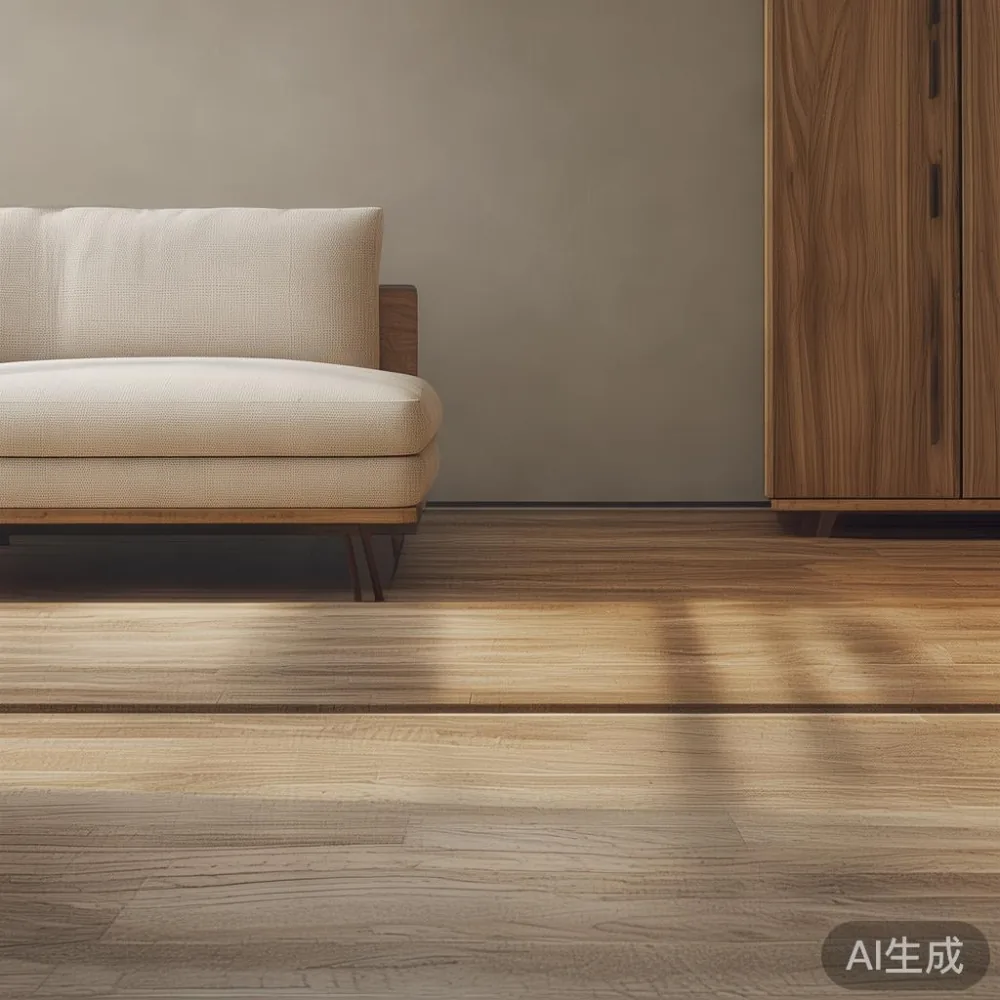
How much does a typical bedroom set cost in SGD over 5 years?
Let us build a realistic Singapore bedroom set: a queen-size bed frame (160cm x 200cm), a 180cm-wide wardrobe with sliding doors, and two nightstands. Prices are based on what I saw in showroom visits around Tai Seng and Balestier in March, plus online listings on Carousell and the Lazada furniture category.
Veneer package from a mass retailer: bed frame SGD 599, wardrobe SGD 1,290, two nightstands SGD 260. Subtotal SGD 2,149. Add 9% GST floor = SGD 188. Add delivery (SGD 80, because the lift at your HDB is 2.1m tall and the wardrobe box is 2.2m and needs a stair-carry surcharge of SGD 60). Total landed Year 1 = SGD 2,477.
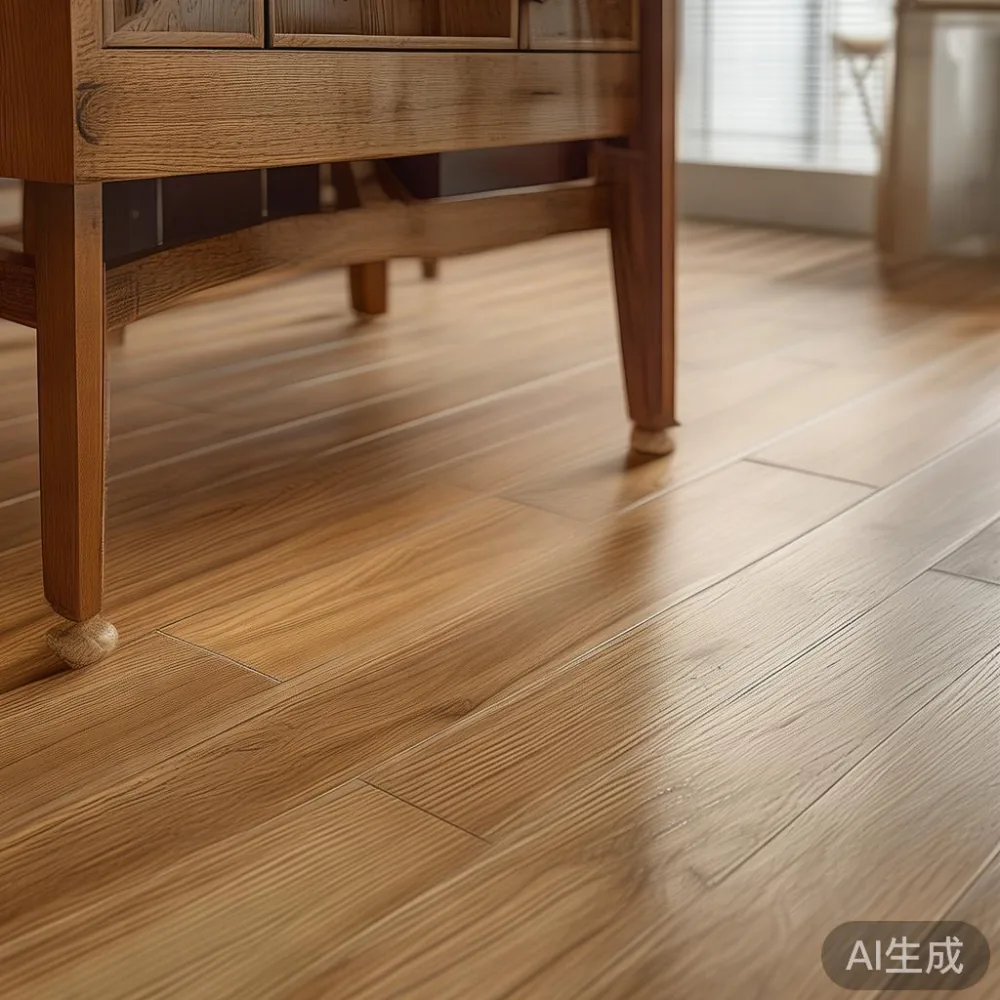
Solid wood package of similar size from a workshop-grade maker: bed frame SGD 1,580, wardrobe SGD 2,450, two nightstands SGD 540. Subtotal SGD 4,570. Add 9% GST = SGD 411. Delivery within mainland Singapore is free above SGD 1,500, so SGD 0. Total landed Year 1 = SGD 4,981.
So far, veneer wins by SGD 2,504. Now watch what happens in Year 2 and Year 3.
What does veneer furniture actually cost to maintain over 5 years in HDB conditions?
This is the part the price tag never tells you. In a Punggol condo I visited last month, the owner showed me her 3-year-old veneer wardrobe. The wood finish along the bottom edge had bubbled from the floor moisture, and one sliding door had dropped 12mm out of alignment. A local carpenter quoted her SGD 380 to replace the bottom 30cm strip, plus SGD 120 to rehang the door. She chose to discard it instead.
Typical 5-year maintenance for a veneer bedroom set in Singapore:
Year 2: dehumidifier electricity, average SGD 60/year extra (you run it more aggressively near engineered wood). Touch-up pen for chips, SGD 25.
Year 3: door rehang or drawer rail replacement, SGD 150 to SGD 220 per repair. At least one corner peel repair, SGD 90 to SGD 180.
Year 4: full strip-and-reveneer of visible panels, SGD 600 to SGD 900 for a wardrobe. Sometimes not worth it.
Year 5: replacement. Most veneer wardrobes I see in Bedok resale flats have already been replaced once by Year 5, which means buying the same package again, minus disposal fees of SGD 80 to SGD 150.
Running total for veneer over 5 years: SGD 2,477 + 60 + 25 + 200 + 135 + 750 + 2,477 + 115 = roughly SGD 6,239. Some households spend more if they pay a carpenter SGD 80/hour for hinge and runner swaps.
What does solid wood actually cost to maintain over 5 years in HDB conditions?
The maths is different because the failure mode is different. Solid wood does not peel. It may crack if you leave it under the air-con vent for years, but it does not delaminate. A solid wood dining table, bed frame, or wardrobe from a serious workshop can be sanded and re-oiled, and the wood finish refreshed, often for free or for a small fee.
I followed up with a client who bought a solid ash bed frame and matching nightstands in 2019. By 2024 she had paid SGD 0 for repairs, only SGD 45 per year for wood oil she applies herself every Qingming season when she does spring cleaning.
Typical 5-year maintenance for a solid wood set from a workshop with refinishing service:
Year 1: included, often with free shipping and white-glove delivery into the HDB.
Year 2 to Year 4: optional oiling, SGD 30 to SGD 60 per year if you DIY, or SGD 180 per session if you book a pro.
Year 5: many makers, including MIDHILL's lifetime wood-finish refresh service, will sand and re-oil the piece for the cost of transport only (SGD 60 to SGD 120 within mainland Singapore).
Running total for solid wood over 5 years: SGD 4,981 + 45 + 45 + 45 + 45 + 90 = roughly SGD 5,251.
That puts solid wood ahead by roughly SGD 988 over the 5-year window, before you count the resale value.
Does a solid wood wardrobe or bed frame really hold its resale value in Singapore?
Yes, and this is where Singapore's secondhand market on Carousell and Facebook Marketplace surprises people. A 5-year-old veneer wardrobe in working condition sells for SGD 150 to SGD 300. A 5-year-old solid wood wardrobe in working condition sells for 40% to 55% of retail, which on a SGD 2,450 piece means SGD 980 to SGD 1,348. The difference alone, SGD 700 to SGD 1,000, wipes out a large slice of the upfront gap.
Bed frames behave the same way. A used queen-size solid wood bed frame lists at SGD 600 to SGD 900 on Carousell, while the same size in veneer lists at SGD 150 to SGD 250. If you are a young couple in Punggol who plans to upgrade in five years, the residual value of solid wood is a real cash flow you can plan around.
How do lift sizes and corridor widths change the price you actually pay?
This is a Singapore-specific point that no overseas furniture blog will cover. HDB passenger lifts are usually 1.1m wide x 1.4m deep x 2.1m tall, and corridor widths between lift and door are around 1.2m to 1.5m. A flat-pack veneer wardrobe in a 2.2m long box cannot enter the lift, so the delivery company charges a stair-carry fee of SGD 60 to SGD 120 per trip, or refuses the job entirely.
Solid wood wardrobes from serious workshops are designed to ship in two or three sub-assemblies, each under 1.9m long and under 60kg, so they fit the lift cleanly. That alone can save you SGD 100 to SGD 240 on a single order. I watched a delivery team at a Bedok HDB block carry a flat-pack box up four flights because the lift ceiling was too low, and the customer was billed SGD 220 extra. The neighbour who bought a solid wood piece from MIDHILL paid zero delivery surcharge because the crate split into three pieces.
Which wood finish holds up best against Singapore humidity?
Wood finish quality matters more than people think. Veneer pieces usually ship with a melamine or laminate finish that is 0.2mm thick, looks fine in the showroom, and starts to yellow under our afternoon sun within 18 months. Solid wood pieces from a workshop-grade maker ship with a hand-rubbed oil or a 7-layer lacquer, both of which can be refreshed.
If you want a sofa set with a marble table for the living room, the same logic applies. A marble top with a solid wood base will outlast a marble-look veneer base by years because the base will not crumble where the marble sits. A solid wood sofa frame also takes the weight of three adults at 75kg each without flexing, which is why post-mid century European-influenced frames are built this way.
What is the difference between a modern wardrobe and one built for humid climates?
A modern wardrobe from a generic catalogue assumes 50% humidity and dry winters. A wardrobe built for Singapore assumes 75% to 90% humidity year-round, which means the back panel needs ventilation gaps, the corners need shadow-gap joinery instead of sealed glue, and the internal rods need stainless steel or brass hardware. Solid wood makers who ship to Singapore know this. Mass-market veneer brands often do not.
That is why two wardrobes at the same SGD 1,800 price can have totally different lifespans. The one built for humidity will be the one still standing in Year 7.
How should you budget if you are furnishing a 4-room HDB or a 3-bed condo in Tampines?
For a typical 4-room BTO in Tampines with a living-dining area of 18 sqm, plan for one solid wood sofa frame with fabric cushions (SGD 1,800 to SGD 2,400), one solid wood dining table seating four (SGD 1,400 to SGD 2,200), one marble table for the living room (SGD 900 to SGD 1,600), one queen-size bed frame (SGD 1,200 to SGD 1,800), one wardrobe 180cm wide (SGD 2,000 to SGD 2,800), and two nightstands (SGD 400 to SGD 600). Total solid wood package roughly SGD 7,700 to SGD 11,400.
The veneer package for the same items lands at SGD 4,200 to SGD 6,000 up front, but the 5-year cost including one round of repairs and one replacement wardrobe is closer to SGD 8,500 to SGD 11,000. So the gap closes dramatically once you factor in real-world wear.
Are there situations where veneer still makes sense in Singapore?
Yes, three of them. First, short-term rentals under three years, because you will not be there to enjoy the lifespan. Second, a children's study desk and bookcase that will be replaced when the kid enters secondary school anyway. Third, very small pieces like a bedside shelf under 80cm tall where humidity forces the stress simply because the piece is too small to be a meaningful wood block. In every other case, solid wood wins on the 5-year maths in Singapore.
What should you ask the showroom before you pay a single dollar?
Ask for the timber species in writing, the core material (solid, plywood, MDF, or particle board), the wood finish type (oil, lacquer, or laminate), the weight in kg of the largest sub-assembly, and whether the maker offers a long-term wood-finish refresh service. A maker who answers all five within the same visit is usually the maker who will still answer your email in Year 6. MIDHILL, for example, lists all five on every product page and offers a lifetime wood-finish refresh, which is the kind of detail that separates a workshop from a warehouse.
Bring a 2-metre tape to the showroom. Measure the largest dimension against your lift at home. If the piece cannot split into sub-assemblies under 1.9m, ask who pays the stair-carry fee and write it into the invoice. A 5-year cost-benefit on solid wood depends entirely on the delivery terms being clean.
So is solid wood worth it for a Singapore household buying once for the next decade?
For anyone staying in their HDB or condo for at least five years, the answer comes down to a numbers page. Upfront, you spend about SGD 2,500 more. Over five years, including repairs, refinishing, and resale, you save roughly SGD 1,000 to SGD 2,000 and end up with a bed frame, dining table, wardrobe, nightstand, sofa, and marble table that still look right in Year 7. That is the maths that matters when you carry a tape measure into the lift lobby at your Tampines block and ask, "Will this piece still look like this when my daughter moves out?" If the answer is no, pay the extra now and skip the replacement later.