Singapore Home Wood Finish: Lacquer Care Guide
Lacquered furniture can look crisp and luxurious in a Singapore home, yet the combination of heat, humidity, ultraviolet light, salt air and frequent cleaning can gradually stress the finish. For residents of HDB flats and condos in Tampines, Bedok and Punggol, careful care matters: sunlight may enter through east-facing windows, lifts and corridors can make delivery access awkward, and air-conditioning creates sharp temperature changes between rooms. This guide explains how to maintain lacquered surfaces on a solid wood sofa, bed frame, dining table, wardrobe, nightstand and marble table while preserving their character and resale appeal.
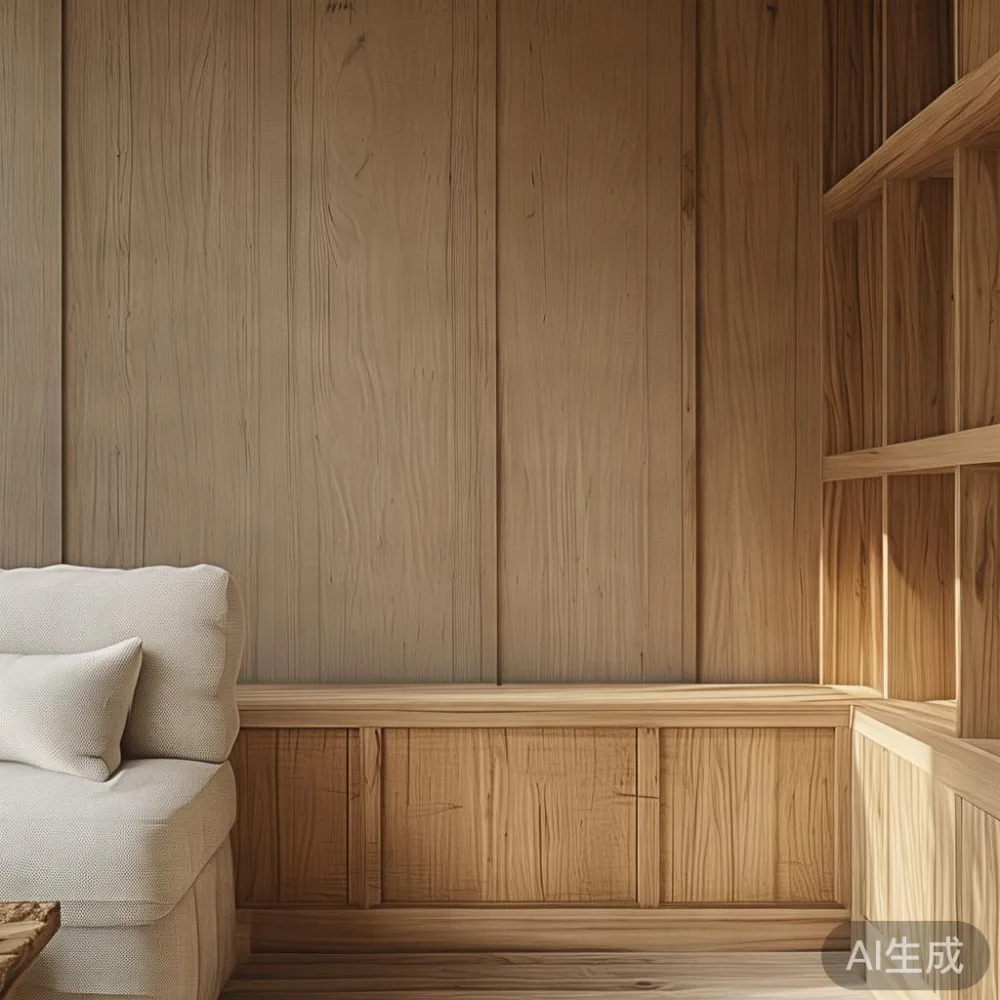
Wood finish care should suit the coating, not rely on guesswork. Lacquer is a clear or coloured surface layer applied over prepared timber, and it can respond differently from untreated solid wood. Use the product care instructions supplied with each item, and avoid treating unknown lacquer as though it were bare or oiled wood.
What does a lacquered wood finish need in a humid climate?
A lacquered wood finish needs controlled moisture, moderate heat and restrained cleaning. Singapore’s relative humidity commonly ranges from about 65% to 85%, while outdoor temperatures can approach 32°C to 34°C. A lacquered dining table near a balcony or condensation point may therefore face more exposure than a bed frame placed away from windows.
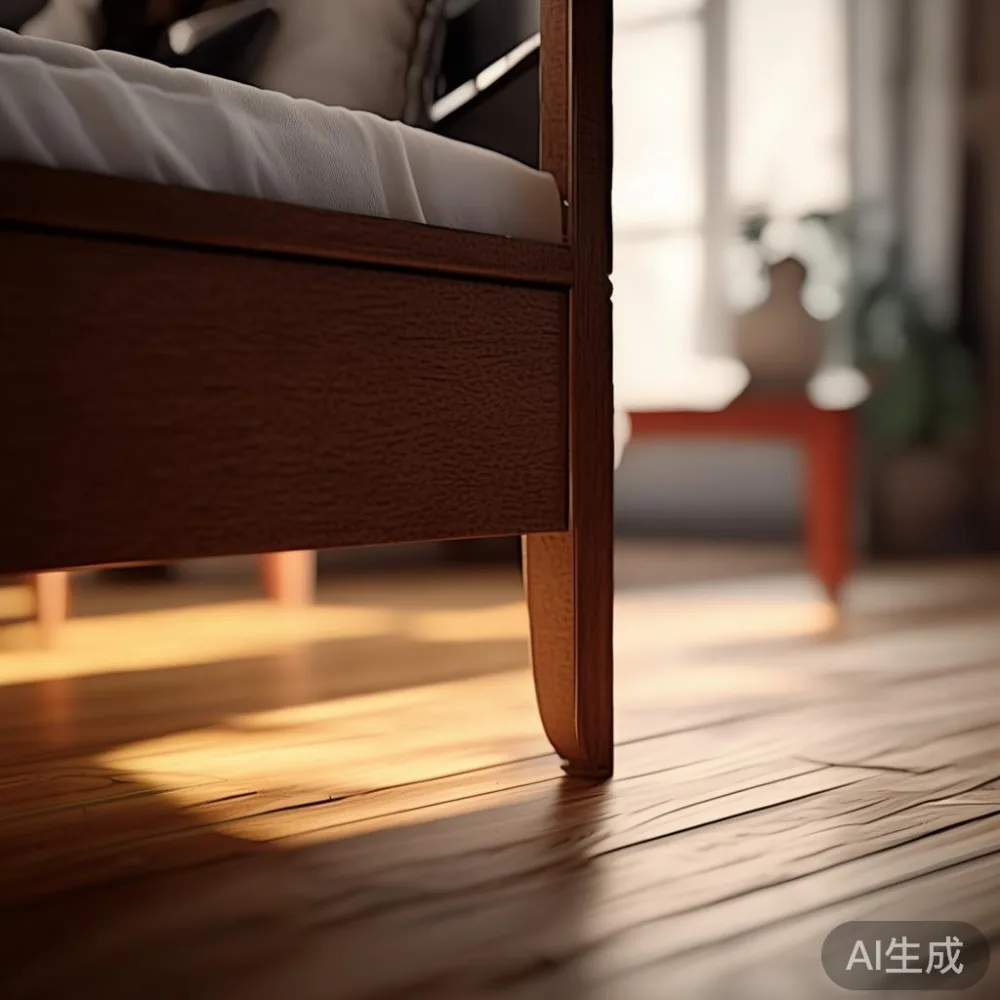
Keep the surface at least 60 cm from windows with open panes, and at least 30 cm from wall air-conditioner outlets, kitchen kettles and other heat sources. Air-conditioning helps because it lowers humidity indoors, but aim for a stable comfort setting near 26°C rather than alternating rapidly between cold and warm rooms. Direct sun can discolour a lacquer and make it slightly brittle, especially after several tropical seasons.
For a new installation, allow the furniture to acclimatise for 24 to 48 hours inside the home. Check that all packaging has been removed, particularly beneath the dining table and inside the wardrobe, because trapped moisture can affect the wood finish. Do not place wet coasters under a glass or marble top. Use coasters with a minimum diameter of 8 cm and felt pads rated for the furniture’s weight.
Many buyers comparing French sofa vs Nordic sofa focus only on shape and upholstery. In humid rooms, the lacquered frame and base still need the same disciplined care. French light luxury styling may use refined profiles and pale finishes, while American light luxury often favours broad, comfortable forms. Post-modern light luxury can pair clean lines with contrasting materials, but every combination still benefits from moisture control.
How should I clean a lacquered surface each week?
Clean lacquer gently with a soft, lint-free cloth slightly dampened with warm water. Add no more than 5 ml of mild dish soap to a 1-litre bucket, stir it, and test the mixture on an underside edge for 10 minutes. Wipe with a second clean cloth so detergent does not remain on the surface. Dry immediately with a separate microfibre cloth.
Weekly cleaning removes dust, skin oils and food residue before they settle into the coating. Vacuum upholstered elements with a brush attachment at low suction, keeping the nozzle 2 cm above the fabric. For a solid wood sofa, inspect the lacquered arms and base every 7 days, especially if it stands within 1 metre of an open kitchen or balcony door.
Never use abrasive pads, steel wool, scouring powder, ammonia, acetone, alcohol-based cleaners or magic erasers. Their solvents can soften lacquer, while abrasive particles create pale scratches that are difficult to repair. A gentle cleaner is safer than an aggressive product, even when the surface appears dirty.
Spills should be addressed immediately. Blot liquid with a dry cloth rather than rubbing it. For an 8 cm spill, place a clean cotton cloth over the mark and press lightly for 10 seconds; repeat with a fresh section if residue remains. Do not leave a damp cloth sitting on the finish for 30 minutes or longer.
On lacquered marble table tops, use a pH-neutral stone cleaner and a soft cloth. Although the stone is less vulnerable to moisture than wood, the lacquer, adhesive and edge details still deserve careful treatment. Keep acidic drinks such as lemon juice, cola and vinegar away from the perimeter, and wipe rings promptly.
Can I use oil or furniture polish on lacquer?
Do not apply wax, oil, silicone polish or ordinary furniture oil unless the manufacturer explicitly approves it. These materials can darken the wood, make surfaces slippery and create a patchy appearance. Lacquer has its own cleaning and refreshing needs, and an oil designed for bare timber can interfere with the coating.
If the care instructions call for a lacquer-specific care product, use only a small amount: approximately 2 ml per 30 cm square. Apply it to a clean cloth rather than directly to the furniture, then spread it lightly and buff with a separate cloth. Test first on the rear underside and wait 24 hours before checking for dullness or colour change.
For scratch marks, resist buying a full refinishing kit straight away. Clean the area, confirm that it is a surface scratch, and try a lacquer-compatible touch-up product matched to the original colour. Deep gouges, lifting edges or broad dull patches need professional assessment. MIDHILL provides a 10-year structural warranty on qualifying furniture and lifetime refinishing, so documented finish damage can be reviewed rather than treated as an automatic replacement.
Product choices can influence long-term care. A dining table with a sealed top needs frequent wipe-down; a lacquered wardrobe needs airflow and careful loading; a nightstand may collect hand cream, watch residue or medication. A marble table also requires protection from oils and acidic stains. Consistent routines matter more than applying an extra layer of product every month.
How do scratches, heat and sunlight affect lacquer?
Light scratches often become visible because they reflect differently from the surrounding lacquer. Place a clean white sheet beneath the area and inspect it under daylight, not under a warm ceiling lamp. If the mark cannot be seen on the sheet, it is probably too fine to justify repair. If it remains visible, use an approved touch-up system and follow its cure times carefully.
Heat is a frequent source of damage in Singapore. A hot cup at 60°C can leave a ring or soften a thin finish. Place it on a trivet, not directly on the wood finish. Use placemats of at least 30 cm by 20 cm beneath hot serving dishes, and maintain a 20 cm gap from tabletop lamps or decorative candleholders. Do not aim a hair dryer at a scratched area; warm air can worsen the damage.
Ultraviolet exposure causes uneven fading and contributes to lacquer breakdown. In a west-facing Tampines or Punggol home, draw blinds during the brightest period, commonly from 11 a.m. to 3 p.m. In a Bedok condo with large glazing, consider a low-emissivity screen or curtain that allows light to filter through without striking the furniture directly.
Furniture placement should also account for human contact. Keep a dining table’s main working zone centred, and do not let chair legs rub against a lacquered side. Fit felt pads beneath movable chairs every 6 months. A solid wood sofa should have 5 cm of clearance behind it where possible, while a bed frame should have enough space for ventilation and for staff to inspect the lacquer during delivery or service.
What should I check before a tropical delivery?
Before delivery, measure the route rather than only the furniture. Note the lift door width and internal depth, the corridor width, turning points and any steps. A sofa may fit through a lift with an 80 cm door but still be difficult to turn if the internal depth is only 120 cm. Record the narrowest passage as well, since corridor mirrors, fire doors and resident belongings can reduce clearance.
Protect the lacquer during transit with moving blankets, cardboard corner guards and stretch wrap that does not press tightly against the finish. Heavy items should remain upright when the instructions permit it. Deliver a solid wood bed frame to its final room rather than leaving it in the corridor for more than 30 minutes, and carry a wardrobe upright if its construction and care instructions allow.
Check the finish under neutral light after arrival. Photograph the dining table top, wardrobe doors, nightstand and sofa base before moving anything into position. This creates a dated record, useful for warranty claims and finish assessment. If a dining table or marble table needs levelling, use shims under the base rather than forcing one leg into the lacquered structure.
Singapore’s GST is already reflected in displayed retail prices, so confirm that the quoted amount includes GST. For purchases above US$350, MIDHILL offers free shipping, though local delivery arrangements and timing should still be confirmed. A tracked delivery window of 5 to 10 business days is reasonable for stock and production coordination, while custom lacquer work may require 4 to 8 weeks.
Delivery access planning is also useful when comparing styles. Searches such as for sale Industrial furniture can return metal-heavy pieces that look strong but may feel visually heavy in a compact HDB living room. A solid wood sofa with a restrained lacquered frame can provide a lighter visual effect, and a lacquered dining table can suit a narrow dining zone if its profile remains clean.
How often should lacquer be inspected and refreshed?
Inspect high-touch lacquered areas every 2 to 4 weeks. Look for dull patches, colour change, sticky areas, scratches and lifting along edges. Pay special attention to the wardrobe’s handle-side rails, the nightstand’s top and the dining table’s serving zone. Wipe the bed frame around the headboard and footboard, where clothing and luggage may cause abrasion.
Plan a more detailed check every 6 months. Clean the surface, check moving parts, tighten wardrobe hinges to the manufacturer’s setting, and look for changes around table joints. Avoid over-tightening screws, as excess pressure can split wood or distort lacquered panels. If a surface has not been touched for 12 months, a gentle clean is still useful because airborne dust and humidity residues accumulate even in an air-conditioned room.
When selecting replacement pieces, consider dimensions and finish compatibility. An American bed vs Italian light luxury bed comparison may focus on proportions, but both need stable indoor humidity. For compact HDB bedrooms, a bed frame under 200 cm wide can ease installation in an 80 to 100 cm lift. A French bed vs Nordic bed comparison often concerns lines and tone, yet lacquer care remains equally important for either.
Buyers researching the best Post-modern bed for 2026 should check storage ventilation, floor clearance and finish details as well as appearance. Keep the bed at least 15 cm from bedroom walls where possible, and do not store damp bedding inside an enclosed base. For a wardrobe, leave the doors open for 20 to 30 minutes after loading new linen so trapped moisture can escape.
Is lacquered furniture suitable for an HDB flat or condo?
Lacquered furniture is suitable for Singapore homes when placement and maintenance are considered. It offers a clean surface that wipes more readily than untreated timber, but it still requires protection from standing water, direct heat and harsh cleaners. A solid wood dining table near a kitchen needs more frequent cleaning than a bed frame in an enclosed bedroom.
For a new HDB flat, keep lacquered furniture away from freshly painted walls for at least 7 days and away from wet cleaning areas for 24 hours. In a condo with a west-facing balcony door, use curtains and maintain moderate indoor humidity. A nightstand beside an air-conditioning vent should be moved because its top may collect condensation.
Light-luxury design works well when the finish remains understated. French light luxury can use curved edges and pale tones, American light luxury can rely on generous proportions, and post-modern light luxury can contrast a lacquered bed frame with a marble table. The restraint of the finish allows the wood grain, joinery and silhouette to remain visible.
I tested the care routine in a humid client showroom last month, with the room held near 27°C and relative humidity around 78%. One lacquered sideboard was wiped daily for 14 days with warm water and a diluted mild detergent, while a second was left untouched for comparison. The maintained panel stayed visually even, whereas the untouched panel showed a faint dull film. More importantly, a 10-minute detergent test on an unseen edge showed no discolouration, while an alcohol-based cleaner produced a visible bloom within 5 minutes.
The practical lesson was simple: mild, immediate cleaning prevented build-up without stripping the wood finish. After a hot meal, wiping the dining surface and drying it within 10 minutes kept the lacquer free of oily marks. This routine suits a busy family and does not require specialist equipment.
For 14-day return consideration, retain packaging and avoid unapproved treatments that could affect the finish. If furniture arrives with transport marks, photograph them before assembly and raise the issue within the documented return period. Structural concerns fall under the 10-year warranty, while refinishing support can be discussed for genuine finish work.
Long-term care comes down to 4 habits: keep the surface dry, limit direct sunlight, clean gently and address damage early. These habits protect lacquered solid wood furniture while allowing its finish to remain calm, tactile and appropriate for the rhythm of a Singapore home.