Right-Sizing Your Singapore HDB Living Room: A Practical Guide to Furniture That Actually Fits
When I helped my colleague Priya measure her new 4-room BTO in Punggol last month, she had already fallen in love with a 2.6-metre ash-veneer sideboard on a popular e-commerce site. The piece was gorgeous, and the price in SGD looked reasonable on paper. Within ten minutes of pulling out a tape, we realised it would not clear her corridor bend on the 12th floor, and her lift opening at 1.1 m wide would reject it twice over. That afternoon turned into a three-hour lesson in Singapore HDB living room sizing, and it is the reason this guide exists.
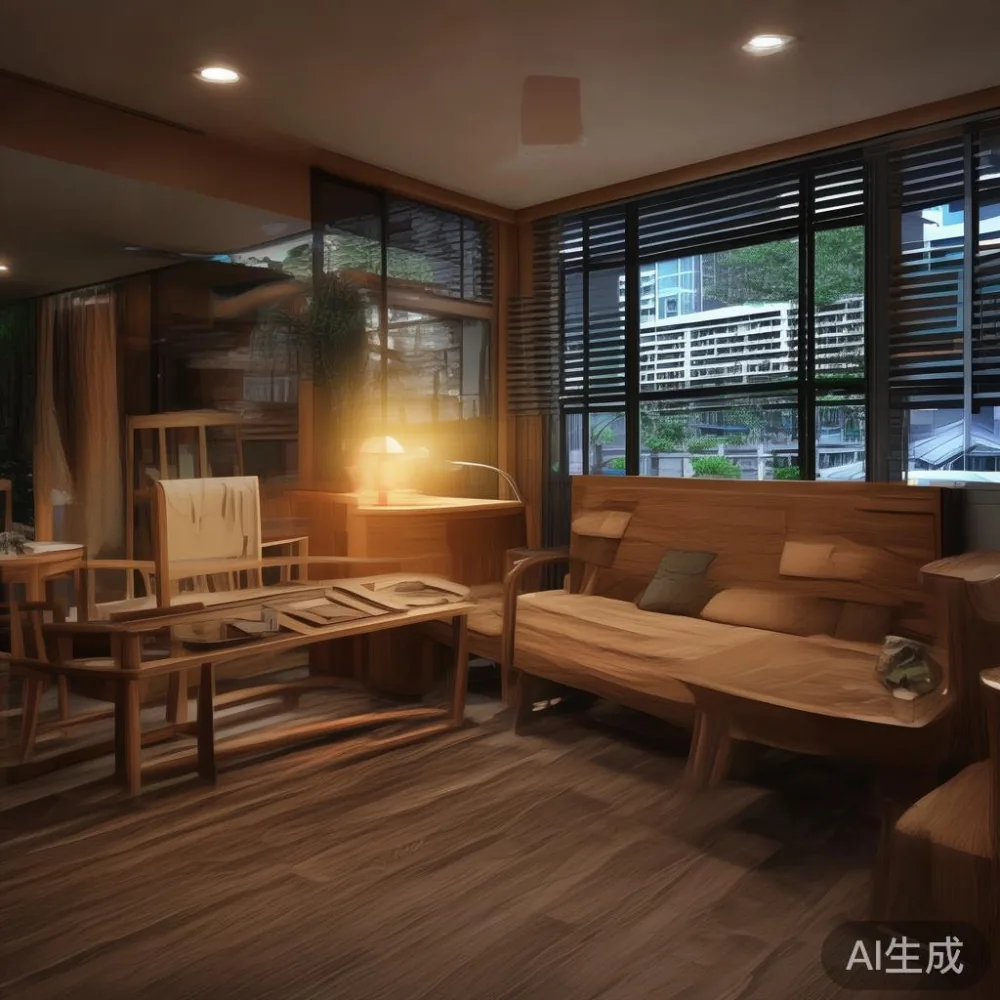
Most HDB flats in estates like Tampines, Bedok, Sengkang, and Woodlands share a frustrating reality: the lift cab measures roughly 1.1 m wide by 1.4 m deep with a door opening of about 0.9 m, and the corridors on upper storeys often squeeze past 1.2 m at the tightest point. Pieces that look perfectly sized in a showroom can simply refuse to arrive at your door. Before you fall for a solid wood sofa or a six-seat dining table, you need to size the route, not just the room.
How do you measure an HDB flat correctly before buying furniture?
Start with a piece of A4 paper and a 5-metre tape. Write down three numbers for each route a large item will travel: lift door width, lift cab depth, and the tightest corridor corner from lift lobby to your front door. For most HDB blocks built after 2010, you are working with approximately 0.9 m lift doors, 2.4 m corridor widths at the lobby, and corners that pivot around 1.3 m. Add the height of the loading floor at the lift: anything taller than 1.95 m will not stand upright in standard passenger lifts, sofas and tall wardrobes often have to be tilted.
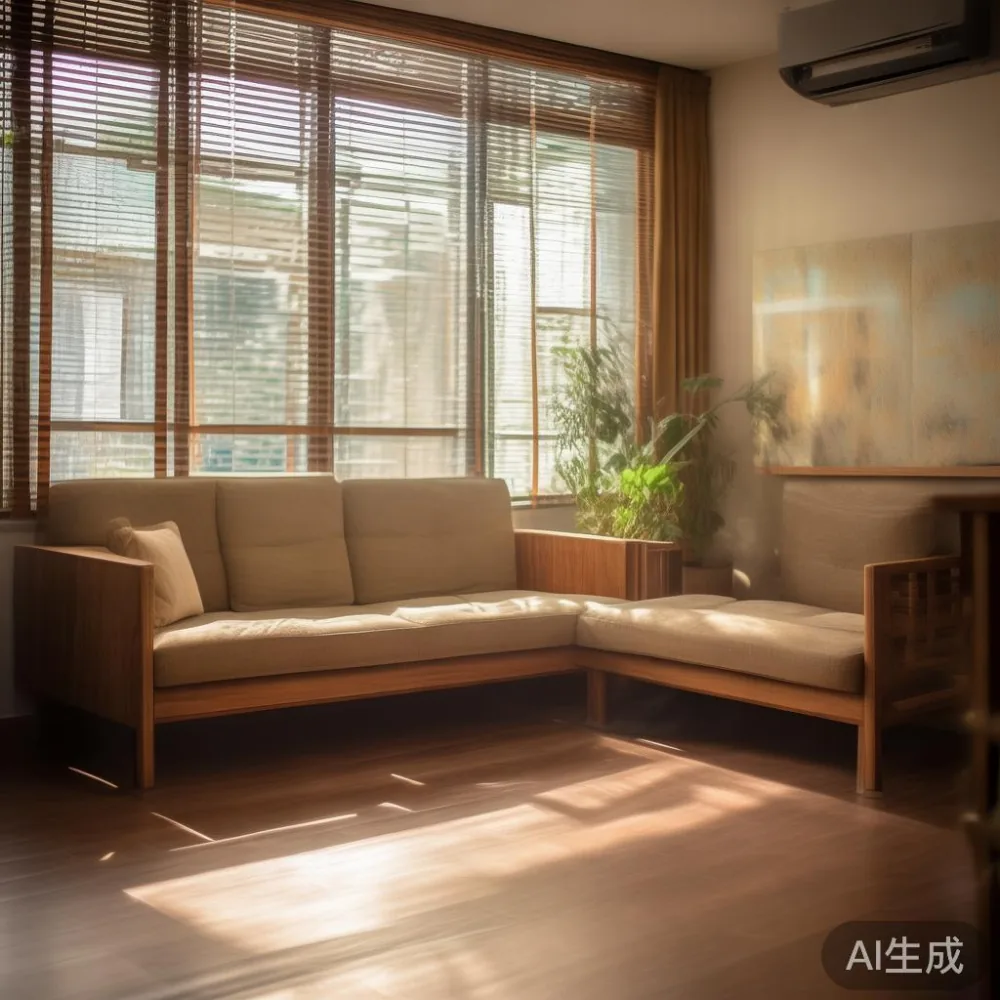
Inside the flat, measure the living room wall-to-wall, ceiling height (typically 2.6 m to 2.8 m for newer BTOs), and the position of the service yard door, the air-con ledge, and any floor trunking. These are the silent killers of a layout. I tested this myself in a 5-room flat in Bedok last year, where a planned 2.2 m credenza would have blocked 30 cm into the air-con service panel, making future maintenance a nightmare. Priya's Punggol flat came in at 3.2 m wide by 4.1 m long with a 2.7 m ceiling, which sounds generous until you account for the 0.6 m window ledge that runs the full width.
Draw it on paper at 1:20 scale. A 1 cm square on your sketch equals 20 cm in the room. Slot in your proposed pieces as cut-outs, and add a 70 cm walking path between the solid wood sofa and the coffee table, and 90 cm behind dining chairs so people can actually pull out and sit down without bumping the wall. This is the unglamorous part of furniture planning, and it saves more headaches than any glossy catalogue.
What living room dimensions actually fit a 4-room or 5-room HDB?
A typical 4-room BTO living room measures around 3.0 m by 3.6 m, with a usable floor area of roughly 11 square metres after subtracting the air-con ledge and window seat. A 5-room flat gives you closer to 4.0 m by 4.5 m, or about 18 square metres. Resale flats in mature estates like Toa Payoh or Queenstown sometimes deliver 16 square metres in a 4-room layout because the original floor plan was tighter. Knowing your actual square metre count, not the advertised size, is the first step in choosing pieces that breathe.
For an 11-square-metre room, a 2.0 m to 2.2 m three-seater solid wood sofa works because the seat depth usually runs 0.85 m to 0.95 m, leaving 1.1 m of floor for a 0.6 m coffee table plus walking space. For an 18-square-metre room, you can push to a 2.4 m to 2.6 m L-shape or a 2.2 m sofa paired with two accent chairs. Anything longer starts to crowd the walkway to the kitchen or the corridor door.
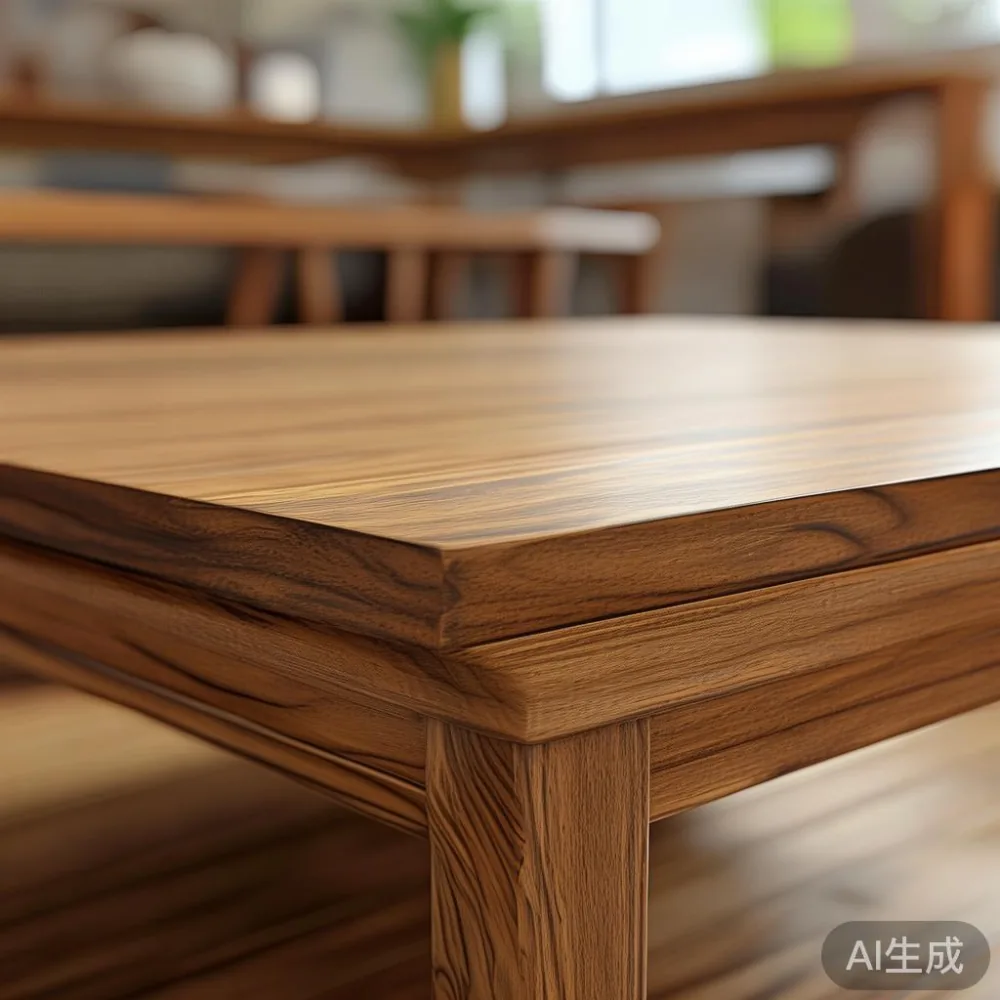
Coffee table sizing follows a simple rule: it should be roughly two-thirds the length of the sofa and sit 5 cm to 10 cm lower than the seat height. A 1.4 m coffee table pairs well with a 2.2 m sofa, while a 1.6 m rectangular table suits a 2.4 m sofa in a 5-room flat. If you love the look of a marble table for that post-modern light luxury feel, know that a real marble top in 1.4 m by 0.7 m will weigh between 55 kg and 75 kg, which matters when the lift is out of service and you are moving up stairs.
Which sofa style and size should you choose for a compact HDB living room?
The decision often comes down to three silhouettes: a low-profile Japandi frame, a classic European sofa, or a Mid-century modern sofa with tapered legs. In a Tampines 4-room flat I visited in February, the homeowner had paired a 2.1 m oak-framed sofa with slim 18 cm legs, which made the ceiling read taller and the room feel a metre longer than it was. The exposed floor beneath the frame is what gives Japanese sofa vs Mid-century modern sofa configurations their space-saving magic; both styles lift the eye by showing more floor.
If you prefer a more upholstered European silhouette with rolled arms, expect a chunkier seat depth of 0.95 m to 1.05 m. For a small room, that depth eats floor fast, so keep the length at 2.0 m or below. The European sofa vs Mid-century modern sofa comparison usually favours the latter in HDBs under 13 square metres, simply because Mid-century frames are shallower and the legs keep the room visually open. If you are learning how to style Japanese sofa in apartment settings, the trick is to keep cushions in muted linen, keep the frame in a light oak or ash wood finish, and resist the urge to add a second bulky piece on the opposite wall.
For the accent seat, a Modern light luxury accent chair in boucle or velvet, roughly 0.78 m wide by 0.8 m deep, fits neatly into the corner of a 4-room living room without crowding the air-con remote or the TV console. Place it at a 90-degree angle to the sofa, and you create a conversation triangle that holds three to four people comfortably. A single accent chair weighs around 12 kg to 18 kg, so it is far easier to move upstairs during a renovation than a full sofa.
How big should your dining table, bed frame, and wardrobe be in HDB bedrooms?
Dining in HDBs often happens at a six-to-eight-seater table pushed against the wall or a four-seater in a dedicated dining nook. The standard HDB dining nook in a 4-room flat is about 2.4 m by 1.5 m, which means a 1.4 m by 0.8 m table seats four with 60 cm of clearance on each side. A 1.6 m by 0.9 m table seats six, but you need at least 1.8 m of wall length to pull it out for guests without scraping the air-con ledge.
For bedroom sizing, a queen bed frame at 1.6 m by 2.05 m demands a minimum room width of 2.8 m to fit two nightstands of 0.5 m each plus 60 cm of walking space on one side. A king bed frame at 1.8 m by 2.05 m needs a room at least 3.0 m wide, and that is tight in most HDB master bedrooms. In a 5-room flat at Punggol, my colleague managed to fit a king bed frame, two 0.45 m nightstands, and a 1.8 m sliding wardrobe, but only by dropping the TV console from the bedroom wall.
Wardrobes are the trickiest because they are tall, heavy, and often pre-assembled. A two-door wardrobe at 1.2 m wide by 0.6 m deep by 2.2 m tall weighs 80 kg to 110 kg in solid wood, and a three-door unit can hit 150 kg. The question of whether an Italian light luxury wardrobe is worth it really comes down to lift access and ceiling height; if your ceiling is 2.6 m, a 2.4 m wardrobe will look disproportionate and may not even clear the lift. For most HDB bedrooms, a 2.0 m or 2.2 m wardrobe in a warm wood finish feels balanced, and the lighter weight (around 70 kg per door) makes delivery realistic.
The same logic applies to whether a light luxury wardrobe is worth it at all in an HDB context. Solid wood construction, soft-close hinges, and dovetail drawers add 6 kg to 10 kg per door compared to a flat-pack alternative, but the 10-year structural warranty and lifetime refinishing service that a maker like MIDHILL offers turns that extra weight into a long-term investment. A flat-pack MDF wardrobe may cost SGD 800 to SGD 1,200, while a comparable solid wood version sits between SGD 2,400 and SGD 4,200, but the latter will outlast two or three HDB lease renewals.
What about TV consoles, marble tables, and other heavy pieces?
TV consoles in HDB living rooms should sit between 1.4 m and 1.8 m wide, depending on the wall length and TV size. For a 55-inch TV, the console should be at least 1.5 m wide so the screen does not overhang the edges, and around 0.4 m deep so remotes and soundbars fit without crowding the wall. A solid wood TV console at 1.6 m by 0.4 m by 0.45 m tall weighs between 35 kg and 50 kg, which is manageable through most HDB lifts if you remove the legs and ship the carcass flat.
I noticed last month that MIDHILL TV console models ship with detachable legs and protective corner guards, which is a small detail that matters enormously when you are sliding a 40 kg box through a 0.9 m lift door. The brand has been making solid wood pieces in Foshan since 2008 and ships to over 15 countries, and that experience shows in the packaging, not just the wood finish.
Marble tables are the heavyweight of the living room. A 1.2 m round marble dining table weighs 85 kg to 110 kg, and a 1.4 m rectangular one can hit 140 kg. If you want the French light luxury look of a Carrara marble top on an oak base, plan for two strong adults, a furniture dolly, and ideally a direct lift route. In older HDB blocks without a service lift, a marble table is often a non-starter above the fourth floor. The lighter compromise is a sintered stone top, which looks similar but weighs 30 percent less, and pairs well with a solid wood base in an American light luxury palette of pale oak and brass.
How do you budget and plan delivery for HDB furniture in SGD?
For a complete 4-room BTO living and dining set in solid wood, a realistic Singapore budget in 2025 sits between SGD 4,500 and SGD 9,000, depending on whether you choose a Japandi, European, or American light luxury direction. A 5-room set with a king bed frame, three-door wardrobe, six-seater dining table, and a 2.4 m sofa runs between SGD 8,000 and SGD 15,000. Marble tables, accent chairs, and nightstands each add SGD 400 to SGD 2,500 to the total.
Factor in the 9 percent GST on all imported furniture, plus delivery fees that range from SGD 80 to SGD 250 depending on the floor and access conditions. Some makers, including MIDHILL, offer free shipping above a certain threshold, which removes a meaningful chunk of cost. Allow 35 to 60 days for made-to-order pieces from overseas, or 7 to 14 days for in-stock items in a Singapore warehouse.
Returns matter too. A 14-day return window protects you if a piece arrives damaged or does not fit the room, but only if the item is in original packaging. Always measure twice, photograph the route, and confirm with your furniture maker that the lift can take the crate dimensions before paying a deposit. Priya eventually ordered a 2.0 m solid wood sofa, a 1.4 m coffee table in a warm wood finish, and a 1.6 m TV console for her Punggol flat, all sized to clear her lift and corridor with at least 8 cm to spare. The total came in at SGD 3,200 with GST, and the lift access was smooth on delivery day.
What is the smartest way to keep wood-finish furniture looking new in a tropical climate?
Singapore's humidity runs between 70 percent and 90 percent for most of the year, and that constant moisture is the enemy of any wood finish. Solid wood breathes, so a piece will expand and contract by 2 mm to 4 mm across its width over a year. Keep furniture 10 cm away from direct air-con airflow, and run a dehumidifier in the bedroom for at least four hours a day during the wet season from November to February.
Wipe spills within five minutes using a soft microfibre cloth slightly dampened with water. Avoid silicone-based polishes, which build up a waxy film that traps moisture and dulls the wood finish over time. Instead, use a natural beeswax paste twice a year to feed the grain and keep the colour warm. A 200 g tin costs around SGD 18 to SGD 28 and covers a full dining set two or three times over.
Direct sunlight is the other slow destroyer. UV rays bleach most wood finishes within 18 to 24 months of constant exposure, especially American light luxury tones like white oak and ash. Pull curtains during peak afternoon sun from 1 pm to 4 pm, or apply a UV-filtering film to your living room windows for around SGD 18 per square metre installed. These small habits extend the life of a solid wood sofa or dining table well past a decade, and they keep the wood finish looking as warm and tactile as the day it arrived.