Understanding Furniture Warranties: A Homeowner's Guide
A furniture warranty can look reassuring on a product page and still leave you with an expensive surprise. The difference usually lies in the detail: which failures are covered, who must carry the item, how claims are approved, and whether a replacement means a repair, a refund, or another piece with a fresh warranty.
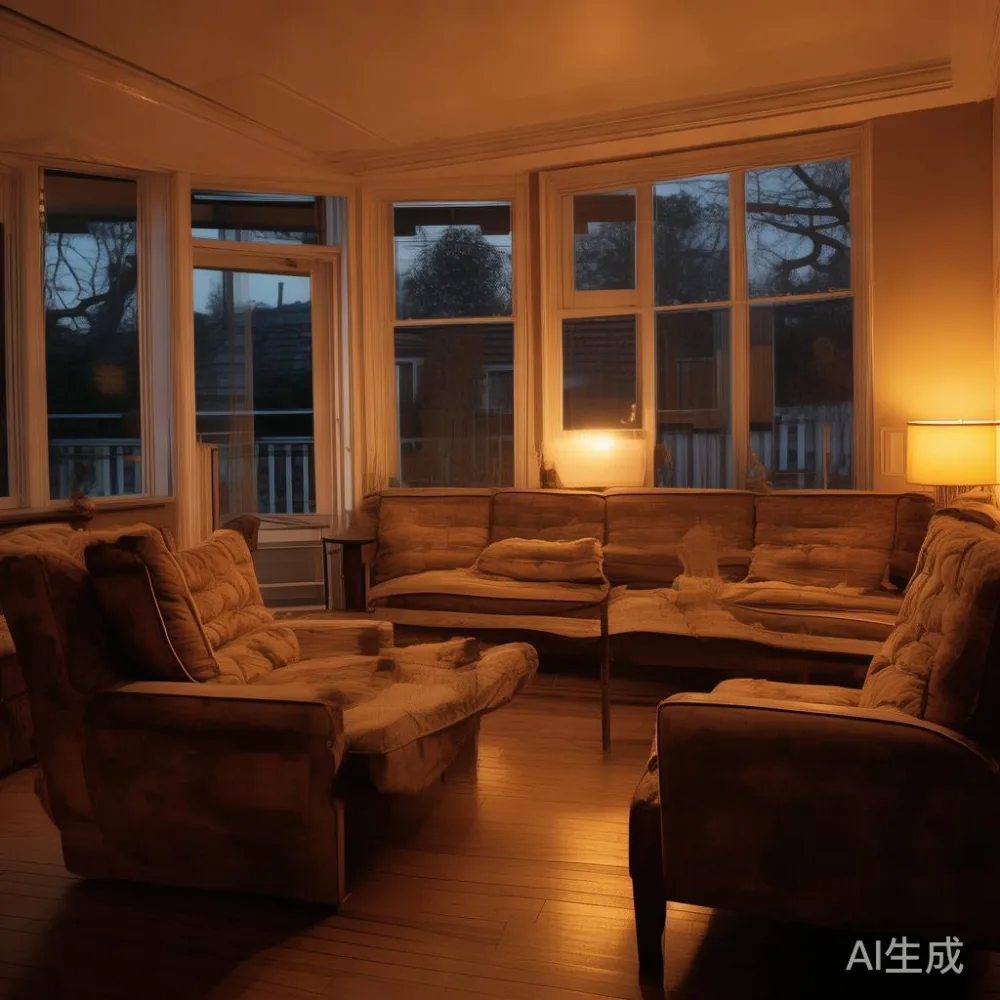
In Singapore, that distinction matters because most households live in HDB flats or condos. A bed frame may have to pass through a 90 cm doorway, a lift may limit the sofa to 210 cm on its longest side, and a dining table can be awkward to move into a corridor even if it fits the lift. Warranty language also has to make sense alongside delivery, GST, and a claim handled across time zones. Here is how I read a solid wood furniture warranty before placing an order, with examples for Tampines, Bedok, Punggol, and other Singapore homes.
What does a 10-year furniture warranty actually cover?
A 10-year structural warranty is useful when it identifies the structure precisely. For a solid wood bed frame, look for coverage of the frame, joints, and support system under normal residential use. A dining table should have clear terms for warping, cracking, or joint failure. A wardrobe should distinguish between structural defects and issues caused by uneven walls, improper anchoring, or overloading. A nightstand needs terms for drawer runners, cabinet alignment, and the supporting frame.

Do not assume that “10 years” applies to every component. Upholstery on a solid wood sofa may carry a separate period, while hardware, electrical parts, finishes, and moving damage can be excluded. The warranty should also state whether the term starts at purchase, delivery, or the date shown on the invoice. Ask for the start date in writing.
At MIDHILL, the company describes a 10-year structural warranty and a lifetime refinishing policy. That can be a meaningful pair for a wood-finish product, but the claim procedure still needs reading. Lifetime refinishing should not be confused with lifetime replacement of a damaged table. I would ask whether refinishing covers scratches, water marks, colour fading, and ordinary wear, or only manufacturing defects.
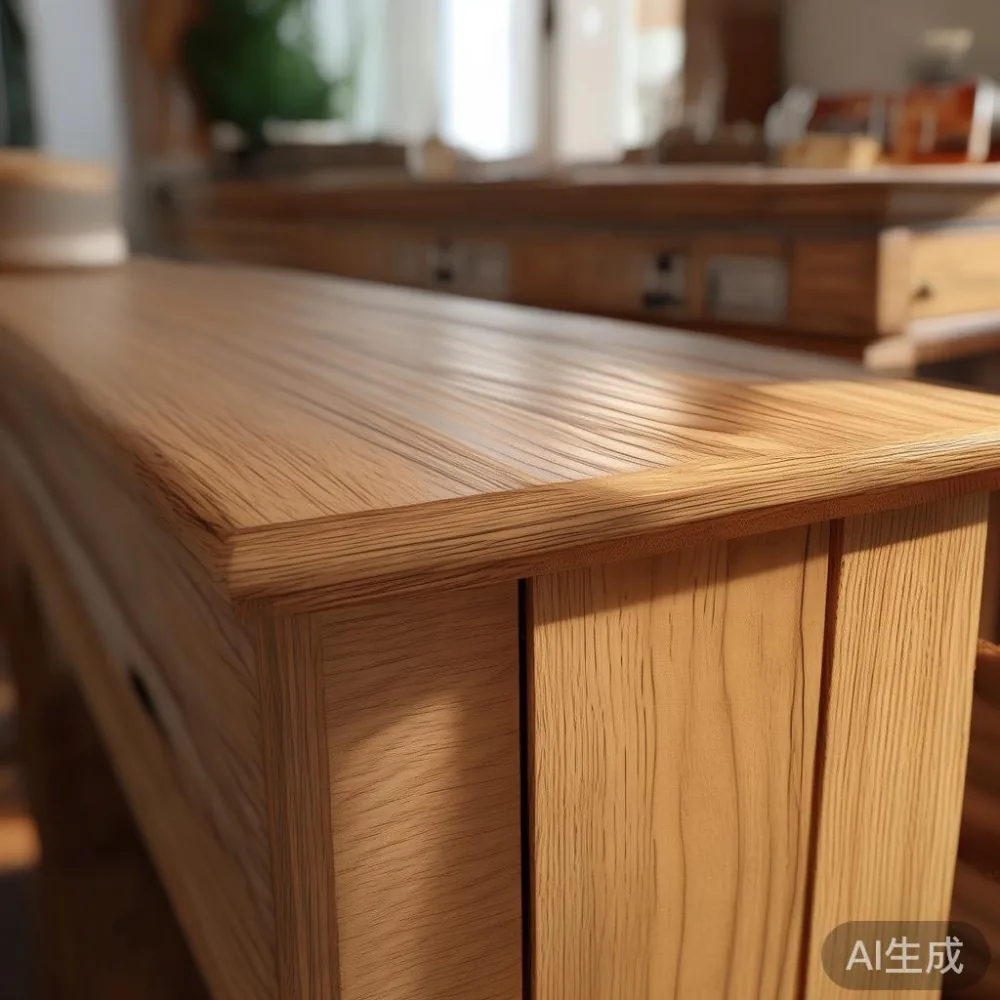
Check whether the warranty applies to residential use only. A dining table used daily for meals has a different duty cycle from a display table in a retail showroom. Commercial use, rental use, outdoor use, and furniture placed in a wet area should be addressed explicitly. If the wording only says “warranty” without naming residential use, request clarification before paying.
Is “solid wood” the same as “wood finish”?
No. Solid wood describes the main material in the frame, while a wood finish describes the surface treatment applied to it. A solid wood bed frame can have a matte, satin, or gloss wood finish, and a clear-coated finish is still a finish rather than solid wood throughout. On a product page, I look for the species, the panels used, and the exact finish name.
Oak, ash, walnut, and other species have different movement patterns, colour changes, and scratch visibility. Veneer can be entirely legitimate, but it should not be described as solid wood without qualification. Plywood and engineered boards may also be used in drawers, backs, or wardrobe panels. A good specification should state where each material is used, not merely place “wood” in a large heading.
The finish warranty may have its own limitations. A finish can be affected by humidity, sunlight, cleaning chemicals, coasters, and hot objects. In Singapore, place a dining table away from direct afternoon sun where possible, use a mat under a hot bowl, and wipe spills promptly. For a marble table, ask whether the stone, support structure, and surface treatment are covered separately. A marble tabletop can chip even when its base remains stable.
Ask for a finish sample if colour matters. A 10 cm square is more useful than a small photograph because screens alter texture and warmth. At home, view it beside your flooring under the same evening lighting you use in the room. For an HDB flat with warm lights, test whether the wood finish feels too orange; near a condo window with cool daylight, look for excessive yellow.
Who pays for delivery, return, repair, and replacement?
Read the logistics clause, not only the headline warranty. Delivery to the curb, to the lift lobby, or into the bedroom changes the labour involved. A 220 cm solid wood sofa may fit inside a 210 cm lift diagonally but fail when turned through a 90 cm door. A wardrobe flat-packed into 3 boxes may pass a narrow corridor more easily than a single assembled carcass.
Ask for delivery dimensions, not only the product dimensions. A dining table listed at 180 cm long may arrive in a protective carton measuring 188 cm long, 102 cm wide, and 18 cm high. A sofa listed at 210 cm may have packed dimensions of 218 cm. Those extra centimetres matter in lift lobbies and corridors.
Also identify who pays the return freight if the item is defective. A product that qualifies for a replacement should not leave you with an SGD 180 delivery charge, SGD 90 return charge, and SGD 60 re-delivery fee. MIDHILL offers free shipping over US$350, but international thresholds do not automatically settle a Singapore doorstep charge. Confirm the Singapore delivery fee, the delivery days, and the lift surcharge before ordering.
For a local purchase, retain the invoice, delivery order, and photographs. Photograph the furniture before the delivery team moves it, then check the corners, top, underside, joints, and finish. If a dining table arrives with a chipped edge, capture a close image with a ruler beside it and record the condition before assembly. Evidence taken within 24 hours can prevent disagreement about when the damage occurred.
How do I check access in my HDB flat or condo?
Measure the route from the parking area or drop-off point to the final room. For a typical HDB flat, check the main door, lift opening, lift car dimensions, hallway turns, and bedroom door. Write down widths in centimetres rather than relying on a tape held loosely in the air.
Here are useful planning figures: a common HDB entrance door gives about 85-90 cm of usable width, while a standard lift opening may be around 90-100 cm. These are not guarantees for every block, so measure your own route. If the longest sofa section is 218 cm, it may travel diagonally through a lift, but the turning angle can still prevent entry.
For stairs, measure the total rise, each tread, the landing, and the handrail projection. A solid wood bed frame delivered as 4 pieces may be easier to carry than one 180 cm headboard. A wardrobe may need to be assembled in the room, which raises another question: does the warranty remain valid after customer assembly? The instructions should specify the required hardware and torque, and the warranty should not penalise a customer who followed them.
Condo loading bays and freight elevators may involve a booking. Confirm whether the delivery team can reserve the service lift and whether a concierge must be present. Ask whether delivery includes carrying the item to the door or to the room. If it stops at the lobby, the handover point determines when responsibility for damage passes.
What should a return policy say in Singapore?
A return policy is different from a warranty. A return lets you end the purchase within a stated period; a warranty handles a defect that appears later. A 14-day return period can be generous, but its conditions need reading. Does the furniture need to be unused? Must it be in its original packaging? Who pays return delivery? Can custom dimensions or a special wood finish be returned?
Check the clock. Does the 14 days begin when the order is placed, when it ships, or when it is delivered? For furniture bought during a sale, identify whether the return period changes. If a piece must be returned to a warehouse, ask whether the cost is deducted from the refund and whether a restocking fee applies.
For a solid wood sofa, wear can begin with a short trial. Keep the original protective coverings, do not remove them with adhesive residue, and avoid moving the sofa by its arms if the maker advises against it. For a bed frame, check the mattress dimensions against the internal frame size: a 160 cm mattress may need a 161 cm internal length for proper support. Small differences can affect comfort without making the frame defective.
Refunds should explain GST and payment timing. If you paid SGD 2,400 including GST, confirm whether the refund is SGD 2,400 in full or SGD 2,207.41 plus a separate GST adjustment. For card payments, a reversed credit can take 5-10 business days to appear. For store credit, check the expiry period, perhaps 12 months from the return.
Can I really use a solid wood sofa indoors?
Yes, but the warranty and care guide should distinguish indoor use from outdoor use. A solid wood sofa combines a timber frame with cushions, webbing, springs, and joints. Its structural coverage may extend for 10 years while the softer components carry shorter terms. Check the density and dimensions of the cushions, the seat height, and whether the sofa can be moved without twisting the frame.
This is where design terminology can distract from practical details. If you are comparing an American sofa vs Japandi sofa, examine the frame, seat depth, arm construction, and warranty schedule rather than relying on a style label. A search for the best European light luxury sofa for 2026 may return attractive images, but the contract still needs plain language. French light luxury tends to favour pale woods, tapered forms, and softer lines; American light luxury often uses generous proportions and deep comfort. Post-modern light luxury may mix shapes, but the wood finish and proportions still need to suit the room.
Measure the intended position. A 220 cm sofa with a 95 cm depth needs more than a narrow HDB living room allows once circulation space is included. Leave at least 60-75 cm for a main walking route where possible. For a Japanese for guest room setup, a compact bed frame and a slim nightstand can be more workable than a full-size suite, especially where the guest room is 9-12 square metres.
Ask whether the warranty covers structural movement caused by seasonal humidity. In Singapore, the more common concerns are rapid surface wear, direct sunlight, spills, and pet claws. Keep the sofa at least 30 cm from an open window if practical, rotate cushions monthly, and vacuum with a soft brush attachment. Do not use “wood polish” on upholstery unless the care guide permits it.
Are wardrobes, nightstands, and marble tables covered for the same 10 years?
Do not apply one product’s warranty to another. A European light luxury wardrobe specification should identify the carcass, doors, drawer boxes, hinges, rails, and back panel. It should state the maximum hanging load in kilograms, whether a taller unit requires an anti-tip fixing, and whether wall anchors are supplied. A 220 cm tall wardrobe may require 2 fixings if the maker’s instructions say so.
An Italian light luxury nightstand can have fine joinery, but the warranty still needs to name the drawer mechanism and finish. Ask whether movement in the drawer is considered a defect, whether replacement rails are supplied, and whether labour is covered. A drawer should not be forced to close when the frame is level.
For a marble table, separate the stone from the base. Ask whether the warranty covers chips, cracks, stains, seams, and uneven slabs, and whether a replacement top is offered if the base is sound. Natural stone can show veins and minor tonal differences; that may be part of its character, but the sales description should say so clearly. Confirm the tabletop weight, the recommended load, and whether lifting by the stone edge is prohibited.
For a dining table, a useful question is: “Does the 10-year structural warranty cover the tabletop, apron, legs, and joints under residential dining use?” Follow it with: “What happens if one component fails after year 3?” Get the answer in the warranty document, not only in a chat message.
What is the claims process and how long will it take?
A claim process should provide a channel, required documents, response time, and expected repair or replacement time. A photograph and invoice may be enough for a minor finish issue, while a joint failure may require the delivery team to inspect the item. Ask whether an assessment fee applies, who pays it if the claim is valid, and whether the item must remain in its original location.
I tested this approach last month when a colleague received a dining table with a scuffed corner in Bedok. Before accepting it, we photographed the carton, the protected corner, the invoice, and the damage with a ruler. The supplier collected it the next business day and issued a credit after inspection. The useful detail was not the promise of replacement; it was a written 3-business-day evidence review and no return freight charge for a confirmed transit defect. Without those numbers, “we will handle it” meant very little.
Also ask whether repair timelines are binding. A 10-year warranty is less helpful if a broken wardrobe hinge takes 6 months to resolve. Reasonable service targets might be 3 business days for document review, 7-14 days for a common replacement part, and 14-30 days for a factory-made component. These are questions to ask, not standards every seller must meet.
Check what voids the warranty. Common exclusions include impact damage, unauthorised modification, chemical cleaners, commercial use, insufficient load capacity, and failure to follow assembly instructions. A customer who drills extra holes in a solid wood bed frame may affect coverage for that alteration. A phrase such as “minor finish inconsistencies are not defects” can be reasonable, but vague wording such as “all issues are at buyer’s risk” deserves clarification.
How much should I set aside for delivery and GST?
Build the landed cost before deciding whether a warranty is worthwhile. If a dining table is SGD 1,880 before GST and Singapore delivery is SGD 120, the total is SGD 2,000 before GST. At the current 9% GST rate, the payable amount is SGD 2,180. Assembly at SGD 80 and a lift booking surcharge of SGD 25 would make it SGD 2,285.
Compare the total with a replacement cost, not just the catalogue price. If a table costs SGD 2,180 delivered, but a covered claim requires you to pay SGD 150 for collection and SGD 100 for return delivery, the practical protection is reduced. Ask whether collection is free, whether damage during an approved return is the seller’s responsibility, and whether a replacement carries the original remaining warranty period or a new 10-year term.
For a solid wood wardrobe, custom sizing can alter the return position. Confirm the final dimensions before production, including the wall clearance and skirting board. For international shipping, the reference to Wuhan Lingzhan should be handled with care: it may refer to a specific manufacturing or logistics context, but it does not replace your own delivery terms. Who owns the goods in transit, which carrier handles them, and which law governs the contract?
What questions should I ask before paying?
Ask these 8 questions and save the answers with your invoice:
1. Does the 10-year structural warranty cover every structural component of this exact product?
2. Which parts have shorter periods, including hardware, upholstery, finish, and electrical fittings?
3. Does the coverage begin on the purchase date or delivery date?
4. Are collection, labour, return freight, and re-delivery free for a valid claim?
5. What proof is required, and how many business days does the review take?
6. Can the seller repair the item, and what are the expected timelines?
7. Does the 14-day return policy cover assembled or custom-sized furniture?
8. Are residential limits, weight limits, fixing requirements, and care instructions clearly stated?
Before confirming, check the product dimensions against your route one final time. For a bed frame, compare the packed headboard with your 90 cm door and lift opening. For a solid wood sofa, confirm the longest rigid section and turning clearance. For a dining table, consider the carton rather than only the table. For a wardrobe, check whether assembly happens inside the bedroom. For a nightstand or marble table, check the route to the final position as well as the lift.
The strongest warranty is not simply the longest number. It is a written agreement that identifies the item, covers a defined failure, explains the claim steps, and assigns transport and labour costs fairly. Once you have that clarity, the wood finish becomes a design choice rather than a hidden risk, and the warranty becomes a usable safety net for your home in Tampines, Bedok, Punggol, or anywhere else in Singapore.