Humidity and Solid Wood Furniture in Singapore: Protecting the Wood Finish
Singapore’s warm, humid climate can change the dimensions, surface and appearance of solid wood furniture. A solid wood sofa may remain comfortable and structurally sound for years, but its wood finish still needs sensible care. The same applies to a bed frame, dining table, wardrobe, nightstand or marble table: stable indoor humidity protects hinges, drawers, joints and decorative surfaces while keeping the interior looking calm and refined.
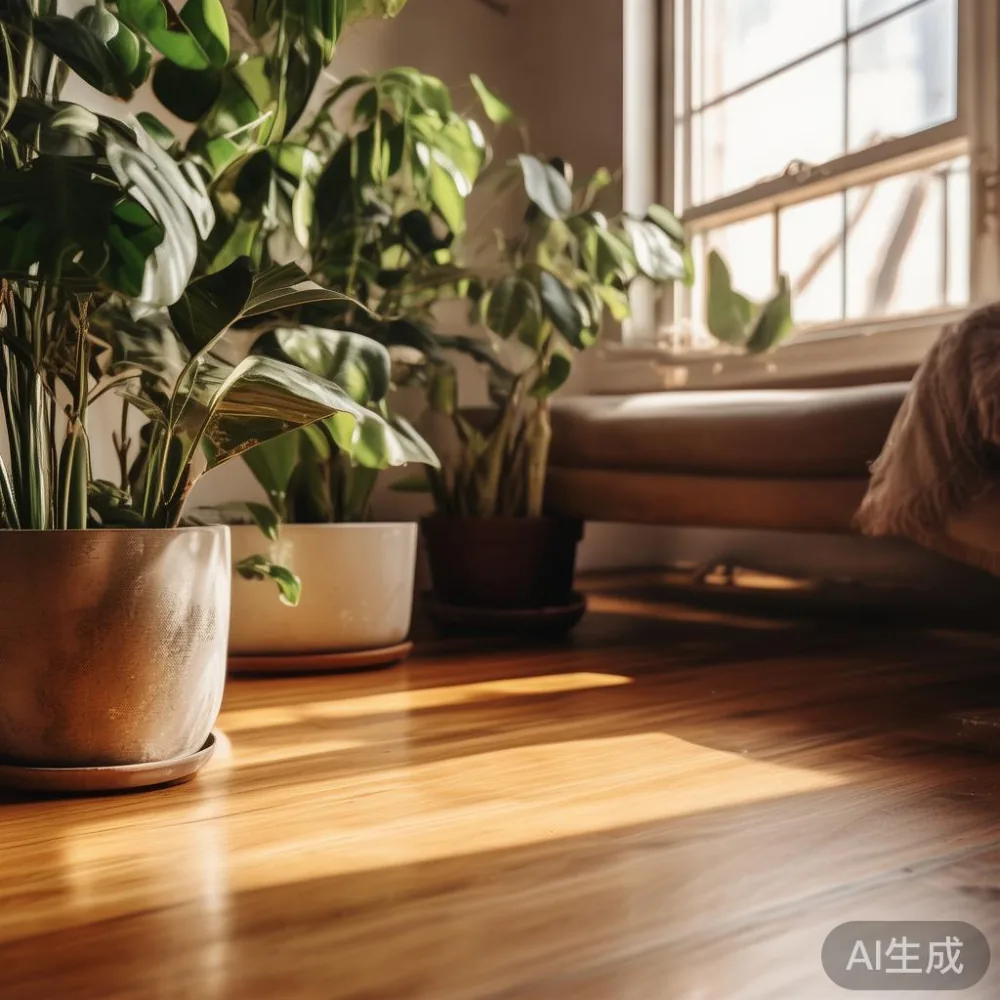
For households in HDB flats and private condos across Tampines, Bedok and Punggol, air conditioning is often used almost every day. The important point is not to chase one perfect percentage, but to avoid repeated swings between humid outdoor air and dry, chilled rooms. Consistent care, sensible placement and a well-applied wood finish make a substantial difference.
MIDHILL designs and manufactures solid wood furniture in Foshan, where the production environment and export experience are relevant to customers in humid markets. Established in 2008, the company exports to more than 15 countries, offers a 10-year structural warranty, lifetime refinishing and free shipping for orders over US$350. Prices in this article are expressed in SGD for easier local comparison.
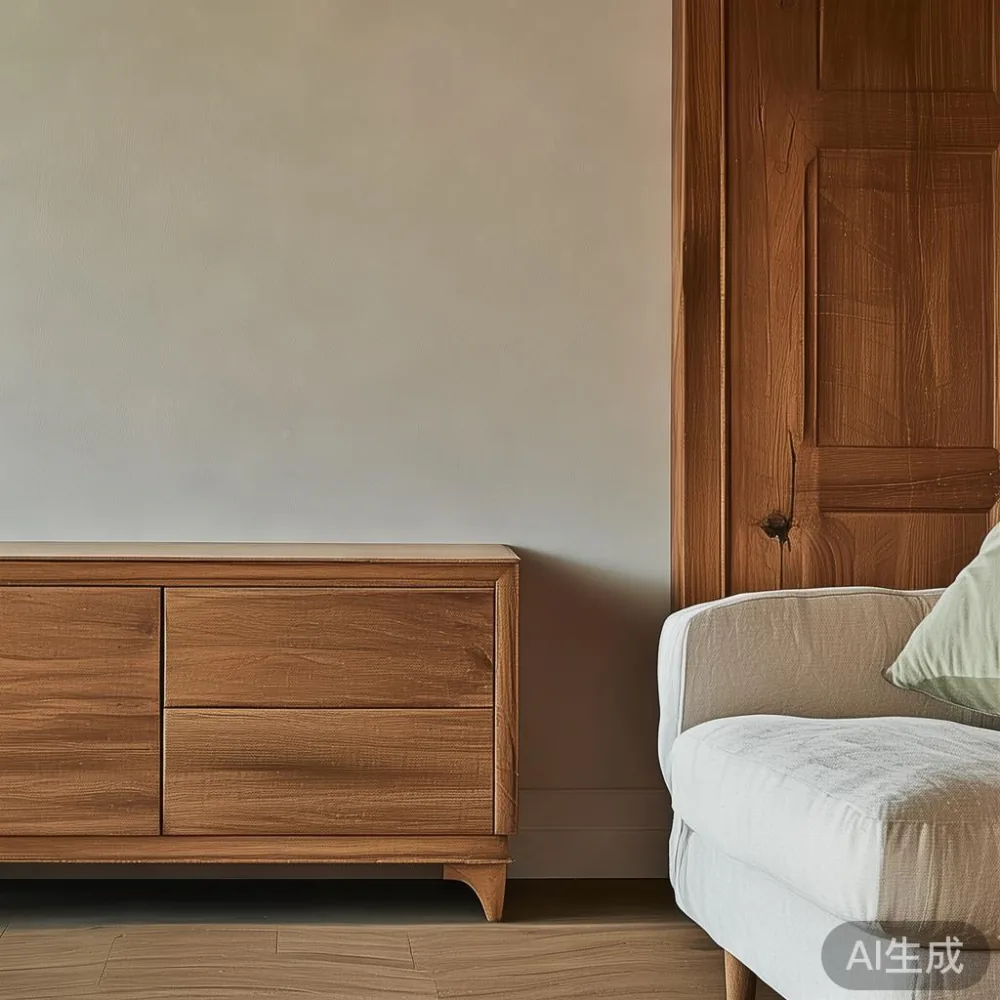
Why does humidity affect solid wood furniture in Singapore?
Wood is hygroscopic: it naturally absorbs moisture from the surrounding air. When relative humidity rises, the cells can swell slightly. When the air becomes dry, they can contract. This movement is small but measurable, particularly across wide grain patterns. An oak dining table with a 180 cm top, for example, may show seasonal movement along its edges, while a 45 cm-wide solid wood nightstand may twist more visibly because its shape is less balanced.
Singapore’s annual humidity commonly sits between roughly 60% and 85%, with wet periods and indoor conditions influenced by both weather and air conditioning. A coastal condo near the sea may experience greater day-to-night variation than a higher HDB flat. Direct contact with humid walls, tiled floors and metal legs can also transfer moisture into vulnerable areas.
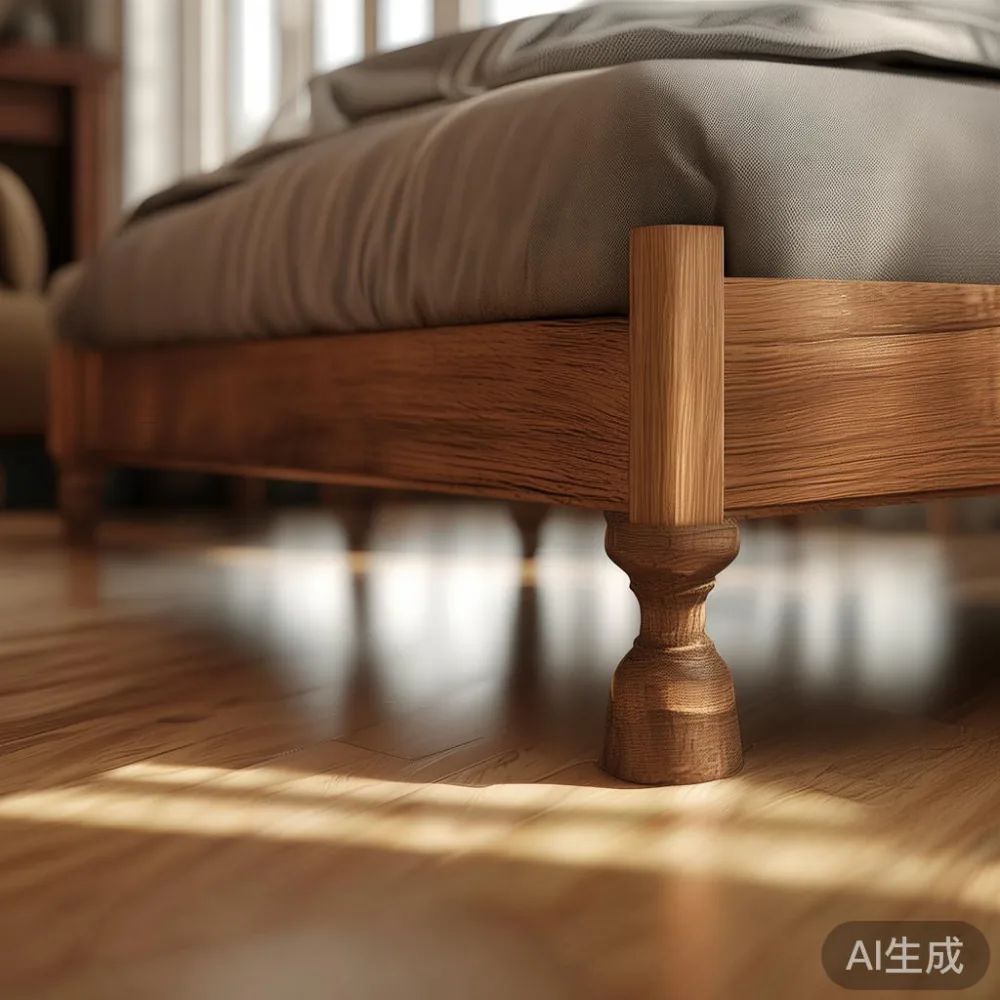
The effect is not simply “wood expands.” Finished surfaces can react differently depending on the wood finish. A water-based finish generally remains flexible, while a harder coating can be more vulnerable to tiny surface checks if the timber moves repeatedly beneath it. Some oil and wax finishes enrich the grain and allow minor surface renewal, but they still require protection from spills and standing water.
For a solid wood bed frame, moisture may affect the outer frame or drawer components more than the centre rails. In a wardrobe, side panels, doors and adjustable shelves should be fitted with enough clearance to move without binding. A solid wood sofa may be affected through its exposed arms, feet and back frame. The upholstered cushions need a different kind of attention, but their timber structure still benefits from stable conditions.
What humidity level should you aim for indoors?
A practical indoor target for wooden furniture is around 45% to 60% relative humidity, with less variation from room to room. This range reflects a balance between tropical household conditions and the low humidity produced by air conditioning. The exact target matters less than consistency: a wardrobe that experiences 52% humidity every evening is less likely to move than one cycling between 42% and 82% every week.
Place a small digital hygrometer near the furniture rather than beside a window or air-conditioning vent. Check it at approximately 8 a.m. and 9 p.m. for 7 days. A reading around 55% with a variation below 10 percentage points is generally reassuring. If the display reaches 70% for long periods, improve ventilation and consider a compact dehumidifier.
Do not overcorrect by aiming for an extremely dry room. Relative humidity below about 35% can cause contraction, hairline checking and tight drawer joints. It can also dry out some oil-treated wood finishes. The aim is moderation: move moisture out of the air, not every trace of it.
A digital hygrometer can cost from SGD 25 to SGD 60. A dehumidifier suitable for a bedroom or study may cost around SGD 180 to SGD 350, depending on capacity and noise level. These are modest amounts compared with protecting a dining table, bed frame or wardrobe whose quality, weight and joinery can command several hundred or several thousand SGD.
Can air conditioning damage a wood finish?
Air conditioning itself does not normally damage a good wood finish. Repeated cooling and reheating, however, can create dry air, condensation near vents and temperature differences across a large surface. A polished oak dining table placed directly beneath a vent may finish one section faster than another, making the sheen look uneven.
Keep furniture at least 60 cm from a wall-mounted air conditioner where possible. For lift lobbies and air-conditioned corridors, wipe condensation from surfaces promptly. Use a soft cloth and clean water, then dry the area with a separate cotton cloth. Do not leave a marble table beneath an air-conditioning vent, either; acidic cleaning products and trapped moisture can dull its protective coating.
Sliding doors and lift corridors deserve attention during delivery. A solid wood wardrobe should be transported upright where its construction allows; laying a tall panel flat can stress joints. Check a lift’s internal dimensions against the packed wardrobe before the delivery team arrives. A corridor width of at least 90 cm gives staff useful turning room, while 120 cm or more is easier for long packages. Lift doors measuring at least 80 cm wide are common in older HDB blocks, but newer homes vary, so confirmation matters.
Delivery usually takes 3 to 10 working days after the order is confirmed, depending on configuration and the destination in Singapore. GST is added to the displayed price unless the checkout states otherwise. Confirm the final packed dimensions and lift access at least 48 hours before arrival.
How do I stop a solid wood sofa or bed frame from moving?
Keep large pieces away from exterior walls that are prone to dampness. In an HDB flat, this may mean leaving 10 to 15 cm between the back of a solid wood bed frame and a cool wall, provided the layout remains practical. In a condo, avoid placing a wardrobe in an unventilated corner beside a bathroom or kitchen.
Use a laser level or a straightedge to check whether a dining table or bed frame sits level. A small tilt can make a door catch and can concentrate stress at one end of a solid wood sofa. For uneven floors, use low-profile, moisture-resistant adjustable feet or a levelling shim rated for the furniture’s weight. A dining table may weigh 70 to 120 kg, and a large bed frame may exceed 80 kg, so lifting should never be attempted by one person without suitable equipment.
For drawers and sliding wardrobe doors, make small adjustments before the movement becomes severe. A 2 mm clearance around moving parts is usually sufficient for many indoor settings. Do not force a swollen drawer. Remove its contents, empty the track and let the furniture acclimatise in a stable room for 24 to 72 hours.
Legs and feet need occasional inspection too. Rubber or felt pads can protect floors, but ordinary felt may collect moisture. Replace wet pads rather than trapping dampness beneath them. For high-rise homes, anchor a tall wardrobe to the wall where the manufacturer permits and use appropriate fixings; anti-tip restraints can reduce injury risk in a family home.
How do I clean an oiled, lacquered or waxed wood finish?
Begin with a dry, soft microfibre cloth. Dust weekly and wipe damp marks immediately. For lacquered surfaces, use a lightly damp cloth with a pH-neutral wood cleaner, then dry thoroughly. A marble table should be cleaned with stone-safe products; vinegar and lemon can damage some sealers and should not be used unless the supplier confirms compatibility.
For an oil or wax wood finish, apply only the matching maintenance product. Use two thin coats rather than one heavy coat, allow the stated drying time, and buff with a clean cloth. A dining table should be kept free of rings and hot pans. Coasters should measure at least 8 cm across, and placemats should leave the timber edge visible so spills are noticed early.
Spills require different responses. Water should be blotted immediately. Alcohol-based disinfectant should not sit on a finished surface for more than a few minutes. A diluted, manufacturer-approved cleaner is safer than a household spray applied directly to the furniture. Test an inconspicuous area first and wait 24 hours to check colour or sheen.
In a high-humidity room, avoid leaving a damp cloth folded against a wardrobe or table leg. The trapped water can slow drying and create a local finish change. Wring the cloth thoroughly, use clean water sparingly and switch to a dry cloth for the final pass.
What should I do if a wardrobe door sticks after a wet season?
Do not force the door or sand it while the timber is swollen. Measure the gap at the top, bottom and hinge side. Open the room to stable, conditioned air, remove the door if appropriate, and check whether the hinge screws have loosened. Tightening a hinge can correct a 2 to 4 mm alignment issue without touching the wood finish.
Next, inspect for an obstruction such as a runner, shelf pin or warped panel. If the gap has not returned to normal after 48 to 72 hours, contact the furniture supplier with photographs and measurements. A solid wood wardrobe should be treated as a working cabinet, not a fixed decorative shell; small adjustments are part of normal ownership.
This matters when searching for the best Coastal wardrobe for 2026, because pale, coastal-style finishes make dirt, fingerprints and water marks more visible than deeper finishes. A restrained oak, ash or warm walnut tone can suit both HDB and condo interiors while showing fewer traces of daily use. If you are comparing a MIDHILL light luxury wardrobe, ask for the exact wood species, finish type, moisture expectations, internal clearances and after-sales support before ordering.
For a compact bedroom, a wardrobe with sliding doors can reduce the swing space needed from roughly 90 cm to a few centimetres. Hinged doors still offer better access to the full interior and can be adjusted more easily when humidity changes. Choose according to the room’s circulation, not simply the narrower footprint.
How should I style a solid wood dining table in a humid Singapore home?
Centre the dining table on the room’s main circulation route and leave at least 90 cm between its longest edge and a wall or another large piece. In a compact flat, a 140 to 160 cm dining table can seat 4 to 6 people; a 200 cm version can seat 6 to 8. A model in European for dining room design terms, with clean tapered legs and a pale finish, can keep an HDB dining area visually open without losing the grain’s natural variation.
Use the table as the room’s anchor rather than filling every surface. A slim ceramic vase or a marble table in an adjoining living area can provide contrast without competing with the timber. Keep window treatments closed during the heaviest afternoon humidity and open them when outdoor conditions are drier. A fan moving air across the room can help evaporation, although it should not blow dust directly onto an oiled surface.
For compact living spaces, the phrase Japanese for small living room can be a useful design cue: low visual clutter, disciplined storage and furniture that respects clearances. A compact solid wood sofa, a 40 to 50 cm nightstand and a slim dining extension should not be pushed into the last 20 cm of the room. Circulation space is part of the composition, especially where children, older residents or a cleaning service need to move safely.
Light-luxury furniture works well when proportion, texture and craftsmanship are visible rather than covered by decoration. French light luxury might use a pale oak dining table with gently shaped edges; American light luxury may favour a substantial solid wood bed frame with broad, reassuring lines. Post-modern light luxury can pair a sculptural chair with a restrained timber table. In all three approaches, the wood finish should remain legible and the room should feel calm, not overfilled.
How do I style a European bed in room without letting humidity cause problems?
When asking how to style European bed in room layouts, start with clearance. A queen bed typically measures about 150 x 200 cm in Singapore, while a king may measure 180 x 200 cm. Leave 60 cm on at least one side of a queen bed, and 90 cm where possible. This allows a person to make the bed, open drawers and walk through without disturbing a wall or curtain.
For the visual side, a solid wood bed frame with a low upholstered headboard can work in a Tampines HDB bedroom as well as a Punggol condo. Keep the headboard 10 cm away from a shaded wall if condensation appears there. Choose a headboard fabric that can be cleaned and replaced rather than one that traps moisture against the timber.
Researching how to style light luxury bed in bedroom arrangements is most useful when tied to daily routines. Use one pendant light, two bedside surfaces and a limited palette of 3 colours. A 45 cm-wide nightstand should be close enough to reach from the pillow without forcing a stretch. Protect its top with a coaster, especially if you use a humidifier nearby.
Humidity deserves a place in the styling plan. Avoid a large water bowl, plant tray or important-oil diffuser directly beside exposed timber. A humidifier should be positioned at least 1 metre away and aimed into open air, not at furniture. Empty its tank every 3 days and clean it according to its manual; otherwise microbial growth becomes a separate indoor-air concern.
How often should a wood finish be maintained?
Create a simple routine rather than waiting for visible damage. Dust every 7 days, check the hygrometer twice daily during humid weeks, and inspect table edges or wardrobe corners every 3 months. Look for dull patches, tiny checks, loose hinges, swollen runners and trapped condensation. A 5-minute inspection is often enough to identify a small issue before it becomes a repair.
For an oil or wax finish, refresh the surface when water no longer beads and the timber begins to look dry, often every 6 to 12 months depending on use and climate. For lacquer, use the specified cleaning product and avoid sanding or polishing prematurely. Refinishing options depend on the original construction and finish, so obtain advice before changing coatings.
Local after-sales support is particularly valuable when a finish issue is mistaken for structural failure. MIDHILL’s lifetime refinishing policy provides an important point of clarity, but the owner still needs to follow suitable cleaning and humidity practices. Keep your receipt, product photographs and maintenance notes. For a piece costing SGD 1,200 to SGD 3,000, that record can save time when coordinating a return or service request.
Singapore’s 14-day return window can offer an opportunity to check scale, colour and fit, but a return is not the same as an in-home humidity assessment. Inspect the furniture in its intended position, check delivery access and retain packaging where possible. A lift that is only 70 cm wide may require the wardrobe to be unboxed or partially assembled, so discuss this before the delivery day.
What practical checks protect furniture in HDB flats and condos?
Use an inexpensive hygrometer in the main wood-furniture zone and another in a bedroom if the layouts differ. Keep readings with the date and time for 30 days. During the next inspection, compare them with visible changes: a dining table that develops pale rings may have been exposed to heat, not humidity; a wardrobe that catches in winter may be reacting to dry air.
Maintain ventilation for 20 to 30 minutes after cooking or showering, while ensuring bathroom moisture does not migrate into a bedroom. Use exhaust fans where available. Keep furniture 20 cm from an exterior wall when space allows, especially in homes with north-facing windows or persistent wall condensation.
For a marble table, separate the stone question from the timber question. Use coasters, clean promptly and avoid acidic liquids. For solid wood pieces, manage moisture, sunlight and contact with wet objects. A solid wood sofa needs routine care for the frame and upholstery; a bed frame needs stable support and hinge checks; a dining table needs coasters and level use; a wardrobe needs airflow and aligned doors; a nightstand needs surface protection and discreet cable management.
Last month, I visited a family’s Bedok HDB flat after they had stored a solid wood dining table in a humid side room for 5 months. A hygrometer near the table read 78%, while the living room measured 57%. After the table was moved, wiped with a barely damp cloth and placed away from the wall, its legs stopped flexing noticeably within 48 hours. The family now checks the hygrometer every evening and runs the side-room fan for 30 minutes after rain. That modest routine prevented a more expensive refinishing job and showed why measured conditions are more useful than guesswork.
Humidity will always be part of life in Singapore, but it need not dictate the life of a carefully made piece. Stable indoor conditions, sensible placement and regular care allow the wood finish to age with dignity. For a solid wood sofa, bed frame, dining table, wardrobe, nightstand or marble table, the practical answer is the same: control swings, respond early and preserve the materials as they were intended to be used.