The Unseen Art of Sofa Selection: A Guide for When You Can't Sit
In the world of home furnishing, the sofa stands as the undisputed centrepiece of the living area. It’s where families gather, friends converse, and individuals unwind after a long day. For many Singaporeans living in HDB flats or condominiums from Tampines to Punggol, choosing the right sofa is a significant decision, often influenced by spatial constraints and aesthetic preferences. But what happens when the perfect sofa isn't available for a physical test? How do you work through the purchase of a piece of furniture that is so fundamentally about comfort without ever sitting on it?
The challenge is real, especially when ordering from international brands or during periods like the Circuit Breaker. However, with a methodical approach, you can assess a sofa's quality, comfort, and suitability with remarkable precision. This guide will walk you through the critical details to examine, turning you into a savvy furniture shopper who can confidently select a sofa online, sight unseen.
Understanding Your Space: The Singaporean Context
Before you even begin to look at fabric or frame, you must understand the space the sofa will inhabit. Singapore’s public housing, particularly HDB flats, has standardised dimensions. A typical living room in a 4-room HDB flat measures approximately 4.8 metres by 3.6 metres. This is a important starting point. You need to measure your available wall space and the depth you can afford. A standard three-seater sofa is often around 180-200 cm wide and 90-100 cm deep. In a condo like those in Bedok, where living rooms might be slightly larger, you have more flexibility, but the principle remains the same: measure twice, buy once.
Consider the path of delivery. In older HDB estates like Tampines, some corridors are narrower than in newer developments. A sofa that is 190 cm wide might be fine, but a 210 cm model could be a nightmare to manoeuvre through your lift and into your home. Always check the width of your apartment door and the internal doorways of your home. The last thing you want is a beautiful, solid wood sofa frame delivered to your doorstep that simply cannot get inside. This practical consideration is often overlooked but is paramount to a successful purchase.
Frame and Foundation: The Soul of Your Sofa
The frame is the skeleton of your sofa, dictating its durability and structural integrity. When you cannot sit on it, the frame becomes the most critical element to inspect. Look for descriptions that mention hardwood frames, such as oak, beech, or rubberwood. These materials are strong and resist warping over time. A high-quality sofa will have a frame constructed from kiln-dried solid wood, which minimizes the risk of cracking due to Singapore's humid climate.
Ask about the joinery. The best frames use traditional techniques like mortise and tenon joints or corner blocks reinforced with glue and screws. Avoid sofas that rely solely on staples or nails for their primary structure. A colleague of mine recently inspected a sofa from a lesser-known brand and found that the main supports were held together with flimsy staples. He knew that under the weight of daily use, those joints would fail within a year or two. A solid wood sofa frame, on the other hand, is an investment that will last for decades.
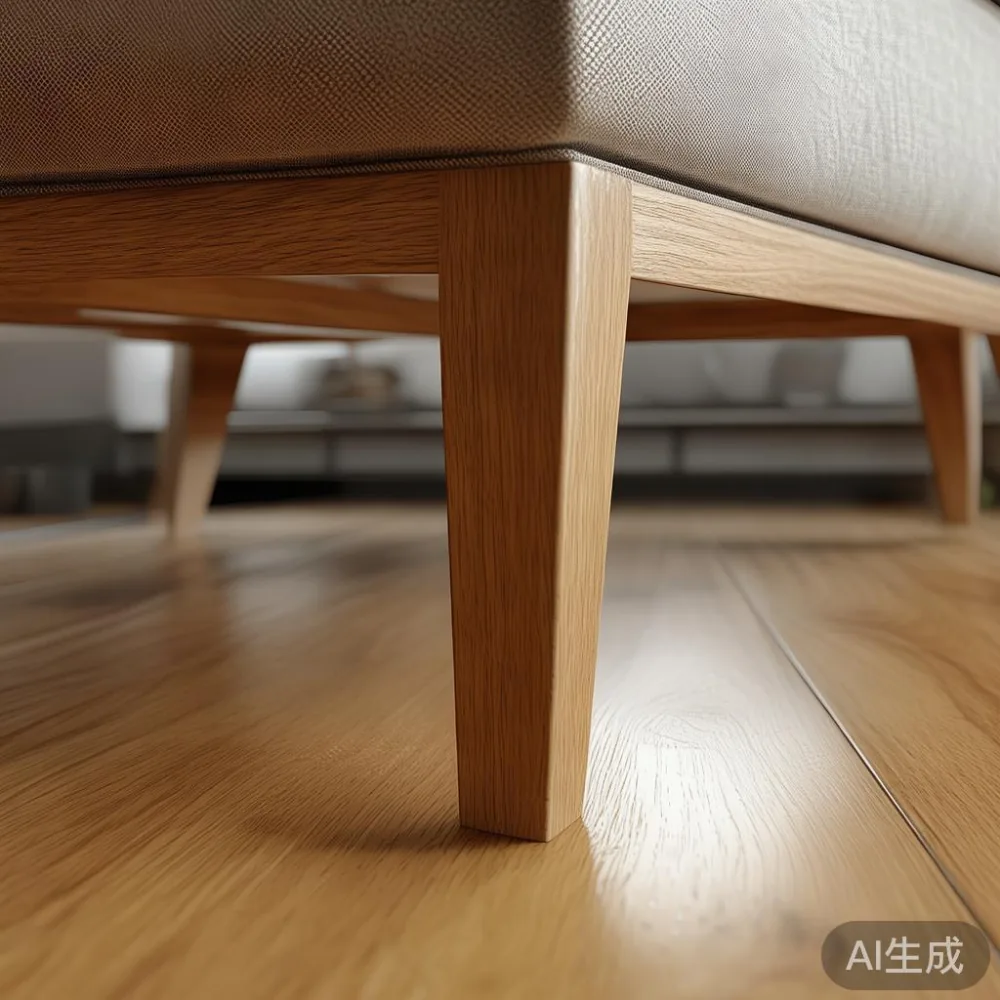
Pay attention to the leg style. Sofas with exposed legs, often seen in French light luxury designs, are not just for aesthetics. They improves the sofa, allowing for better air circulation underneath, which helps prevent mould and moisture build-up—a common concern in Singapore. The legs should be made of solid wood or metal, not plastic or particleboard. The connection between the leg and the frame should be solid, typically with a metal bracket or a substantial wooden dowel.
How to Judge Comfort Without a Physical Test?
This is the million-dollar question. While you can't feel the sink, you can deduce a lot about a sofa's comfort from its specifications. The key lies in understanding the cushioning system. A high-quality sofa will have a multi-layered cushion approach. The core is usually high-density foam, which provides support. The comfort layer is often a combination of memory foam, latex, and down or feather wraps.
Look for specifics. Is the foam rated by density? A density of 1.8 kg/m³ or higher is considered good for the seat cushions, while 1.2-1.5 kg/m³ is suitable for the back. Down-wrapped cushions will feel plush and luxurious but require regular fluffing. A good compromise is a blend of down and foam, offering both comfort and shape retention. Ask about the spring system. A 'no-sag' sinuous spring system, where heavy-gauge steel springs are tied together with clips, provides excellent support and is a hallmark of a well-made sofa.
Another indicator of comfort is the depth of the seat. A standard seat depth is around 55-60 cm, which is a good middle ground. Deeper seats (65-70 cm) are great for lounging but can make it harder to get up. Shallower seats are more formal and better for conversation. Consider the armrest height and style. Rolled arms, common in American light luxury, are softer and more inviting, while square arms offer a cleaner, more structured look. Your choice here will define the feel of your seating area.
The Fabric and Finish: A Tale of Texture and Durability
The fabric is the skin of your sofa, and its choice affects both aesthetics and longevity. When you can't touch it, you must rely on detailed descriptions and material names. Natural fibres like linen and cotton offer breathability and a relaxed, organic feel but can wrinkle and stain easily. Performance fabrics, such as microfibre or those with Teflon coatings, are stain-resistant and easy to clean, making them ideal for homes with children or pets.
Pay close attention to the thread count and weave. A higher thread count generally indicates a softer, more durable fabric. Look for terms like 'double-rub' ratings from the Martindale test. A rating of 30,000+ double-rubs is considered excellent for residential use, meaning the fabric will withstand years of friction without pilling or fading. The colour and pattern are also important. A neutral palette like grey or beige offers versatility, while a bold pattern can become a statement piece. Consider how the fabric will interact with light in your home, as direct sunlight can cause fading over time.
The wood finish is not just about appearance; it's about protection and longevity. A quality wood finish, such as a multi-layered lacquer or oil-based varnish, will protect the solid wood from the humid Singaporean air, preventing it from drying out and cracking. The finish should feel smooth to the touch and have a consistent lustre. For a post-modern light luxury aesthetic, you might look for a matte or satin finish that highlights the natural grain of the wood, rather than a high-gloss lacquer that can look cheap.
What About the Warranty and After-Sales Service?
A reputable furniture maker stands behind its products. When buying a high-value item like a sofa, the warranty is your safety net. Look for a comprehensive structural warranty. A 10-year warranty on the frame is a strong indicator of the manufacturer's confidence in their product. This warranty should cover defects in materials and workmanship, not just accidental damage. Also, inquire about the warranty on the cushions and mechanisms. A 1-3 year warranty on cushion resilience is standard.
After-sales service is equally important. What happens if you receive a damaged item or one with a defect? A good company will offer a straightforward returns or exchange process. The mention of a 14-day return policy is a good sign, as it shows the company is confident in its quality and willing to accommodate customer satisfaction. For Singaporeans, also consider the logistics. Delivery times can vary, but a standard lead time is 4-6 weeks for custom or imported pieces. Ensure the company offers reliable delivery that can work through our local HDB and condo layouts.
Don't forget about the finer details. Ask about assembly. Some sofas come fully assembled, while others may require some on-site assembly. This can affect the delivery cost and time. Also, consider if the company offers services like refinishing. A lifetime refinishing guarantee is an exceptional offer, ensuring that your sofa can be restored to its original beauty years down the line, protecting your investment for generations.
How to Style a Light Luxury Sofa in Your Singapore Home?
Once you've selected the perfect sofa, the next step is to integrate it into your home's decor. A light luxury sofa, whether it has French or American influences, can serve as a stunning anchor for your living room. The key is balance. For a French light luxury bed in a bedroom, the approach is about creating an elegant, romantic atmosphere with soft textures and ornate details. Similarly, for a living room, pair a light-coloured, linen-upholstered sofa with a marble coffee table and a few brass accents. The marble table adds a touch of understated luxury without overwhelming the space.
In a Singapore condo, space is often at a premium. A post-modern light luxury sofa with clean lines and a low profile can make a room feel more spacious. Complement it with a solid wood side table and a minimalist rug. For a more relaxed vibe, consider a Japandi-inspired approach. The choice between a Japanese sofa vs. Japandi sofa often comes down to material; a Japandi sofa would favour natural woods and neutral fabrics, while a Japanese sofa might have a more pronounced minimalist form. When styling, remember the principle of 'less is more'. A few well-chosen pillows and a single piece of art can be more impactful than a cluttered space.
The styling extends to other furniture in the home. If you're considering a light luxury bed vs. Japandi bed for your master bedroom, the choice will influence the theme. A light luxury bed invites plush bedding and a statement headboard, while a Japandi bed is paired with simple linens and natural fibre rugs. This same philosophy applies to the living room. Your sofa should harmonise with your other pieces. If you have a Nordic for dining room set, with its light woods and functional design, your living room sofa could lean towards a similar Scandinavian aesthetic for a cohesive home.
Finally, think about the guest room. A vintage for guest room piece, like a small armchair or a side table, can add a touch of charm and character. When selecting a sofa, consider how it will interact with other potential light luxury items you might add later. The goal is to create a home that is not just a collection of furniture, but a curated environment that reflects your personal style. By focusing on quality, fit, and a cohesive design theme, you can create a living space that is both beautiful and functional, perfect for life in Singapore.