How Humidity in Southeast Asia Affects Solid Wood Furniture
Singapore’s tropical climate can change solid wood furniture more quickly than many buyers expect. Humidity levels of 75–90% are common, while air-conditioning may reduce moisture near a bedroom wall to only 45–60%. Across a 24-hour cycle, timber can gain and lose enough moisture to move by roughly 1–3 mm across a 100 cm panel. The result may be a warped dining table, a drawer that catches, or a wardrobe door that no longer sits square.
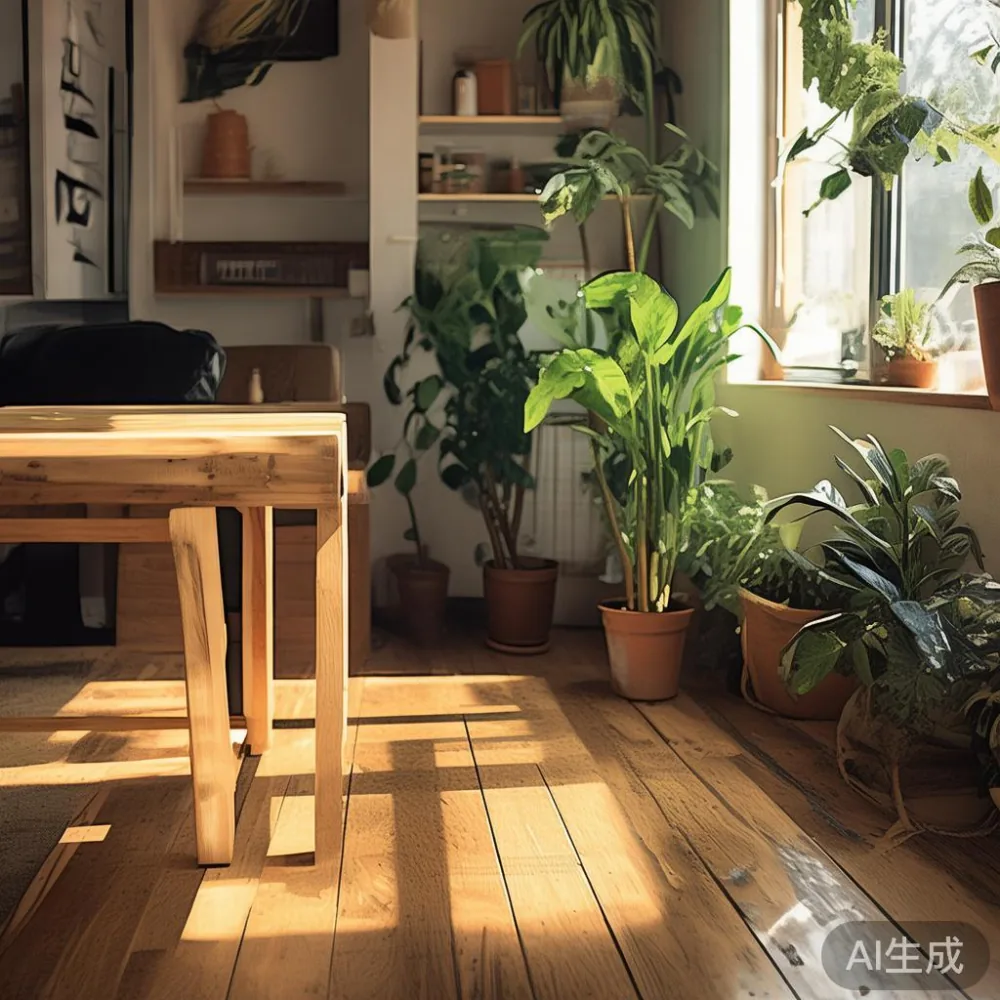
For MIDHILL, humidity management is therefore part of how a solid wood sofa, bed frame, dining table, wardrobe or nightstand is designed, finished and supported after delivery. The aim is not to make timber behave like metal. It is to control its environment, select suitable wood finish and construct pieces that can tolerate Southeast Asian conditions while retaining the proportions and warmth associated with French light luxury, American light luxury and post-modern light luxury.
Why does Singapore humidity make solid wood furniture move?
Wood is hygroscopic: it continually exchanges moisture with the surrounding air. During the monsoon season, relative humidity can climb above 85%. In an HDB flat in Tampines, Bedok or Punggol, a solid wood dining table near a balcony may absorb moisture faster than the same table in a conditioned study. When relative humidity falls below 50% in a dry afternoon, the fibres shrink. Repeating those cycles creates stresses that appear as joint lines, small gaps, raised edges or uneven doors.
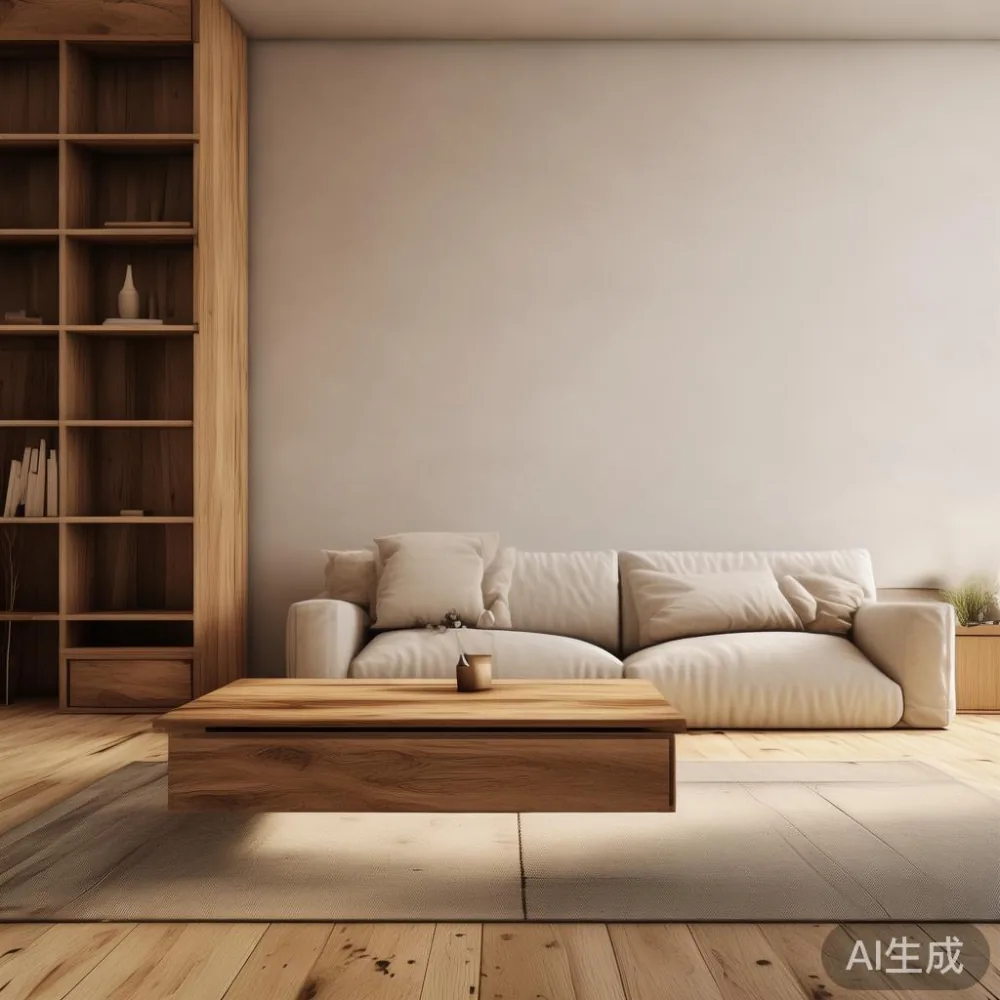
Temperature also matters. A wardrobe beside a west-facing condo window can reach 34°C while its opposite side remains at 25°C. That 9°C difference can produce uneven expansion across a 180 cm door. Likewise, a bed frame placed against an air-conditioning vent may lose moisture on one side while retaining it on the other. The finish may look ordinary when the panel is flat, but the stress becomes visible after a week of seasonal movement.
Singapore’s lift and corridor dimensions add a practical concern. A 210 cm tall wardrobe may fit through the HDB lift but become difficult to rotate when the corridor turns sharply. A 200 cm dining table may be manageable in an open unit, yet an assembled solid wood base can block the only turning route. Buyers should measure the lift door, the corridor, doorways and turning radius before ordering furniture with fixed dimensions.
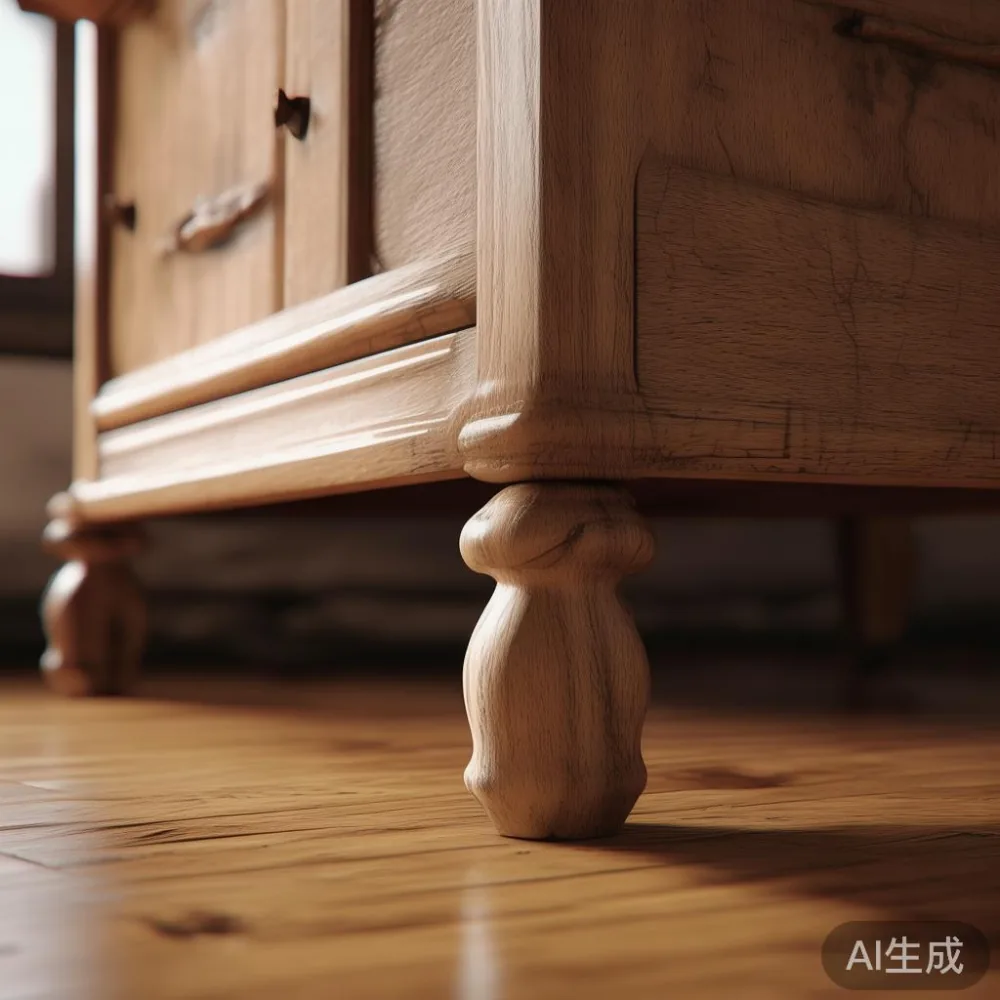
This is why a 10-year structural warranty matters more in the tropics when it covers how components are joined and how solid wood is prepared. It also explains why lifetime refinishing is more than a cosmetic service. A surface affected by age, handling or a poorly matched finish can be renewed without replacing the whole piece.
What is the ideal humidity range for wood furniture in Singapore?
A stable indoor relative humidity of 45–65% suits most solid wood furniture used in Singapore homes. Air-conditioning often brings the room into that range, but switching it off for 8–12 hours can produce a wider swing. A practical target is to avoid more than a 10% change over several days, rather than chasing one perfect reading.
Place a simple hygrometer near the largest furniture piece and check it at about 8 a.m. and 9 p.m. If the reading rises from 60% to 85%, move the dining table 60–100 cm away from windows and exterior walls. Use a dehumidifier in persistently damp corners; a model rated for 20–30 litres per day is suitable for many bedrooms, although the actual capacity depends on room size and floor level.
Do not use a household humidifier indiscriminately. Adding moisture in a room already at 82% can worsen swelling. A small device may help maintain a stable 50–55% in a dry air-conditioned bedroom, but it should be positioned at least 1 metre from the bed frame, wardrobe or nightstand so that airflow is distributed rather than concentrated.
For new furniture, let the wood acclimatise in the intended room for 7–14 days before final positioning. Keep protective packaging closed if the item has just arrived during a wet period. After opening, inspect the solid wood dining table or solid wood bed frame daily for 2 weeks. Small surface changes can be managed; a door that starts 3 mm out of alignment deserves prompt attention.
Can I use a solid wood dining table near my HDB balcony?
Yes, with sensible distance and monitoring. Avoid direct rain exposure and place the dining table at least 100 cm from an open balcony or full-height window. If condensation forms on the glass, the nearby surface may be several humidity points higher than the centre of the room. Blinds reduce solar heat, but they do not block airborne moisture, so ventilation remains important.
In a compact condo dining area, a table measuring 140 × 80 cm can seat 4 people while leaving approximately 60 cm of walking space if chairs are pushed in. A 160 × 90 cm model seats 6, yet requires a clearer route from the kitchen. The French sofa vs Modern sofa comparison often focuses on profile and upholstery, but placement matters too: a deep sofa should leave at least 75 cm between its front edge and the dining table for daily use.
Solid wood dining tables with a sealed wood finish are easier to maintain in humid conditions than untreated bare timber. Wipe spills within 10 minutes and avoid leaving damp coasters overnight. The finish should be renewed when water no longer beads on the surface, typically after 12–24 months of regular use, depending on exposure and care.
For narrow Singapore rooms, a round dining table measuring 110–120 cm in diameter can improve circulation. A rectangular 180 cm table is better for a wider dining zone, but may restrict a corridor or lift route. These measurements should be checked against the actual home rather than relying on an online floor plan.
Will a solid wood wardrobe swell and stick in a humid bedroom?
It can if construction and moisture control are poor, but good cabinetry is designed to accommodate normal timber movement. Doors should use adjustable hinges, and the carcass should allow ventilation behind the back panel. A solid wood wardrobe in a well-ventilated bedroom should remain usable even if the room briefly reaches 80% relative humidity.
Consider a wardrobe with ventilated gaps, soft-close hinges or a design that uses wood veneer on a stable substrate where appropriate. A 60 cm wide unit may be sufficient for daily clothing, while a 90–120 cm unit can handle coats and long garments. Hanging space of at least 140 cm is practical for adult outerwear. The unit itself should stand on adjustable feet where supplied, which helps level it after floor settlement.
Air-conditioning is beneficial, yet blowing directly at a closed wardrobe for 16 hours a day can dry the exposed edge and then expose that edge to humid room air. Set the vent to swing rather than target one panel. Keep the wardrobe 10–20 cm from a wall if ventilation allows, and inspect the side facing the room for condensation. If a 3 mm gap appears at the top, the door may need adjustment rather than immediate repair.
For a bedroom with limited space, the Nordic for guest room approach can use a compact solid wood bed frame and a slim nightstand measuring 35–45 cm wide. In a Punggol or Tampines flat intended for short-term guests, a 90 × 200 cm bed leaves useful circulation, though the mattress size and room access must be checked first.
Does air-conditioning make humidity worse for a solid wood bed frame?
Air-conditioning usually lowers humidity, but frequent switching can make a bed frame experience repeated expansion and contraction. A frame placed beside the return vent may dry faster than the headboard. Keep the nearest vent outlet roughly 1 metre from the solid wood bed frame and observe whether one side develops fine checking lines.
Bedroom temperatures of 24–28°C are comfortable and generally favourable for wood. Maintain relative humidity near 50–60%. If a room remains at 70% for long periods, use the air-conditioner’s dry mode or a dehumidifier. If it repeatedly falls below 40%, moderate the airflow and avoid placing the frame next to heating vents.
Platform bed frames are particularly useful in Singapore because the space beneath the mattress can ventilate. A low frame measuring 30–40 cm in height may provide storage, but that storage should not trap damp clothing against the wood finish. Leave the mattress slightly lifted during the first 7 days after unpacking, and check the centre support after 24–48 hours.
Search phrases such as best Industrial bed for 2026 are useful only as a starting point. A buyer should compare timber thickness, joinery, centre supports, clearances and warranty terms. For a city household, under 2000 American furniture can describe a practical budget, but the final cost should also include delivery, assembly, GST and any lift-access surcharge. A SGD 1,800 bed frame delivered to Singapore should have its GST and delivery scope stated clearly.
How does humidity affect a wood finish?
Wood finish acts as a controlled barrier. It slows moisture exchange and protects the surface, but it cannot make wood completely moisture-proof. A factory-applied finish on a dining table, nightstand or wardrobe should be applied after the timber reaches a suitable moisture level, with adequate sanding and curing between coats.
Different finishes require different care. A hardwax or oil finish may need more frequent attention if the home is humid because thin films can wear faster where hands, sleeves and spills repeatedly touch the surface. A harder finish may withstand daily use more easily but still requires gentle cleaning. A marble table has a different sensitivity: its stone surface is less affected by humidity, while the timber base or cabinet beneath it still responds to moisture.
Do not place damp cloths on furniture for more than a few minutes. Use a soft cloth, clean with mild soap, and dry immediately. Avoid ammonia, silicone-based products and abrasive pads. Coasters should be used under drinks; a ring left for 6 hours can stain or soften some finishes. Test any maintenance product on a hidden 5 × 5 cm area and wait 24 hours.
After 12 months, inspect pieces in high-contact areas such as a dining table edge or bedside nightstand. Light scratching can often be treated with a polishing product, while deeper wear may require a local re-finish. MIDHILL’s lifetime refinishing service gives owners a path to restore the original wood finish over the life of the piece rather than replacing a structurally sound frame.
Can humidity ruin a solid wood sofa or upholstered bed frame?
Humidity mainly affects the timber structure; it can also encourage mould if fabric stays wet. A solid wood sofa with removable cushions should be positioned away from damp exterior walls and lifted slightly off a wet-cleaned floor during the monsoon season. After rain, open windows or run dehumidification for 2–3 hours so the room dries evenly.
For upholstery, use breathable covers and avoid persistent contact with wet walls. Check under seat cushions every 2–4 weeks in humid months. If a cover feels musty, remove it and air it for several hours. Clean according to the fabric specification because an improper wet-cleaning method may take 24–48 hours to dry.
Design language should suit the home rather than overpower it. French light luxury often uses pale upholstery, refined timber tones and restrained ornament. American light luxury tends toward generous proportions and durable natural-grain finishes. Post-modern light luxury may pair clean frames with sculptural details. During a sofa search, the best Mid-century modern sofa for 2026 or best European light luxury sofa for 2026 may offer useful styling ideas, but verify seat depth, arm width and humid-room maintenance before ordering.
A 220–240 cm sofa can suit a living room with a 3.2 m wall, while a 180–200 cm model is easier to arrange in a compact HDB flat. Leave at least 75–90 cm between the sofa and coffee table. Confirm that the lift landing and corridor can accept the packaged dimensions before a large frame is brought in.
How should MIDHILL furniture be delivered and installed in Singapore?
Delivery planning is part of moisture protection. Solid wood pieces should not be dragged across a wet corridor floor or exposed to rain while waiting at the service lobby. MIDHILL can quote delivery across Singapore with a stated delivery window, and orders over US$350 qualify for free shipping under the company’s published shipping policy. The amount may be converted to SGD at checkout, with GST displayed according to Singapore rules.
Typical furniture delivery takes 7–21 days after production, although custom finishes, peak periods and remote addresses can extend the schedule. A customer should receive a tracking update and an estimated day rather than rely on an open-ended promise. For furniture requiring assembly, the installer should check the floor and confirm access before unpacking.
After arrival, allow 24–48 hours for the furniture to settle in the room. Do not tighten every fixing aggressively on day one if installation instructions specify staged adjustment. For a dining table, wipe the top with a dry cloth and check the legs. For a wardrobe, align doors and test the hinges. For a bed frame, verify all centre supports and tighten them evenly. For a nightstand, check the back gap and floor contact.
MIDHILL was established in 2008 and exports to more than 15 countries, giving the company practical experience with different climates and delivery conditions. Its 10-year structural warranty addresses long-term construction, while a 14-day return policy provides a defined opportunity to assess size, finish and condition. For Singapore buyers, these services should be understood alongside humidity care because warranty repair and ordinary seasonal movement are not the same issue.
What can I do each week to protect my wood furniture?
Use a simple 10-minute routine during humid months. Check the hygrometer, inspect exposed furniture edges, wipe away condensation and make sure wardrobes are not pressed against cold exterior walls. Rotate table accessories so one section does not stay wet for days. Keep 30 cm of clear space beneath or beside furniture where space allows.
At the start of each month, move coasters and placemats, inspect under sinks or windows, and check that drawer runners remain smooth. Every 3 months, clean the wood finish with a product approved for its type and examine hinges, screws and table braces. Every 12 months, assess whether high-contact areas need waxing, polishing or refinishing.
Record humidity readings for 14 days before and after adding a dehumidifier. If the average reading remains at 50–65% and swings are less than 10%, the setup is working. If readings remain above 75%, improve ventilation or consult a building-management professional about persistent condensation.
The right solid wood furniture for a Singapore home is not the piece with the thickest panel or the most dramatic finish. It is furniture built with stable joinery, suitable moisture preparation, a serviceable wood finish and realistic access through the lift and corridor. With controlled humidity, careful placement and timely care, a solid wood sofa, bed frame, dining table, wardrobe, nightstand or marble table can retain its form, texture and character for many years.