Humidity and Wood Furniture in Southeast Asia
Singapore’s humidity can quietly change the dimensions, surface and appearance of solid wood furniture. In HDB flats and condos across Tampines, Bedok and Punggol, a dining table may absorb moisture during a wet afternoon, then lose it in an air-conditioned living room at night. Repeated cycles can open fine gaps along a wood finish, lift veneer edges or cause a joint to move by fractions of a millimetre.
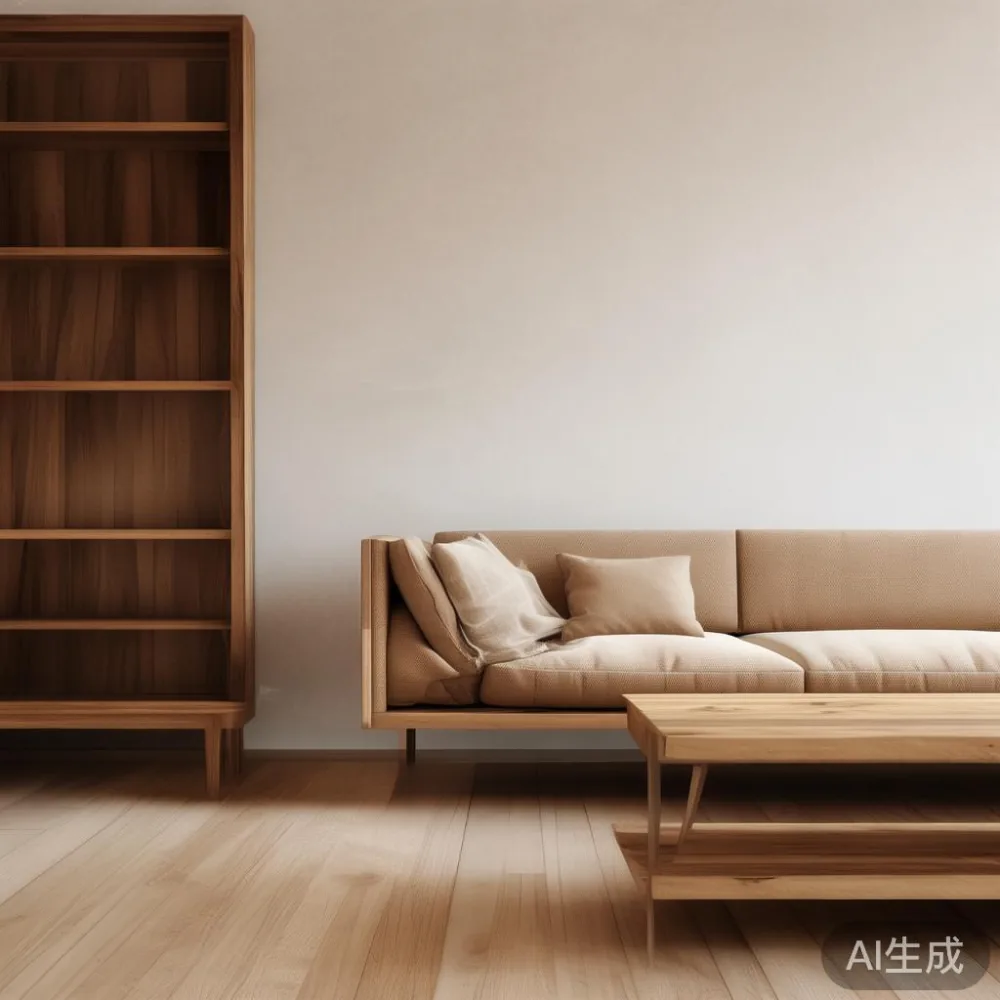
At MIDHILL, we build solid wood sofa frames, bed frames, dining tables, wardrobes, nightstands and marble tables for humid climates. Since 2008, our export experience across more than 15 countries has shown that good furniture design must account for seasonal humidity rather than treating wood as an inert material.
This guide explains what humidity does, how to measure it, which parts of a home need attention, and how to maintain each wood finish without undermining its natural character. Prices and delivery references are in Singapore dollars, with GST where applicable.
How Much Humidity Is Too High for Wood Furniture?
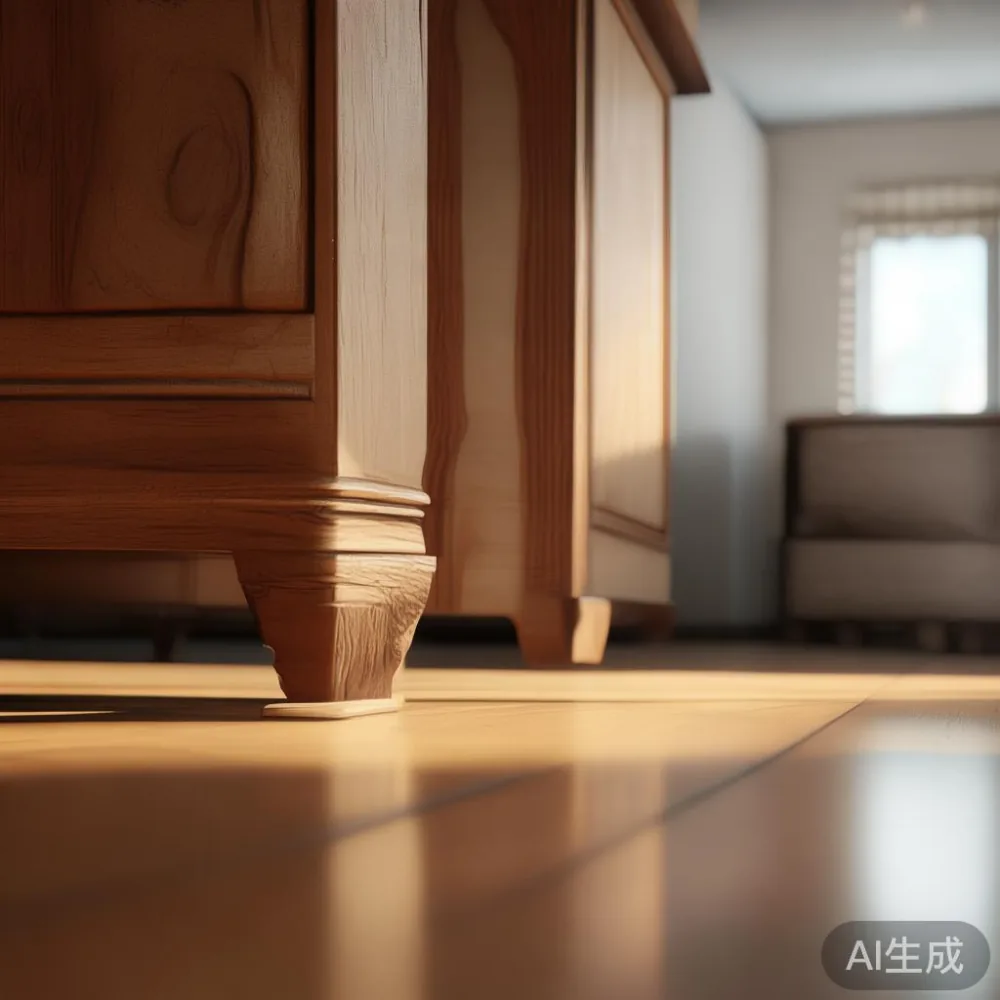
Wood changes dimension as its moisture content moves with the surrounding air. A relative humidity reading between 45% and 55% is a practical target for most solid wood furniture in Singapore. A comfortable general indoor range is often stated as 40% to 60%, but prolonged exposure above 70% creates a higher risk of swelling, mould and finish adhesion problems.
Use a digital hygrometer with a accuracy of ±2% RH and place it near, not directly against, a wooden floor or wall. Check it at 8 a.m., around 2 p.m. and at night for 7 days. Record the maximum and minimum readings. A bedroom that remains between 58% and 72% RH needs more attention than one that stays between 46% and 54%.
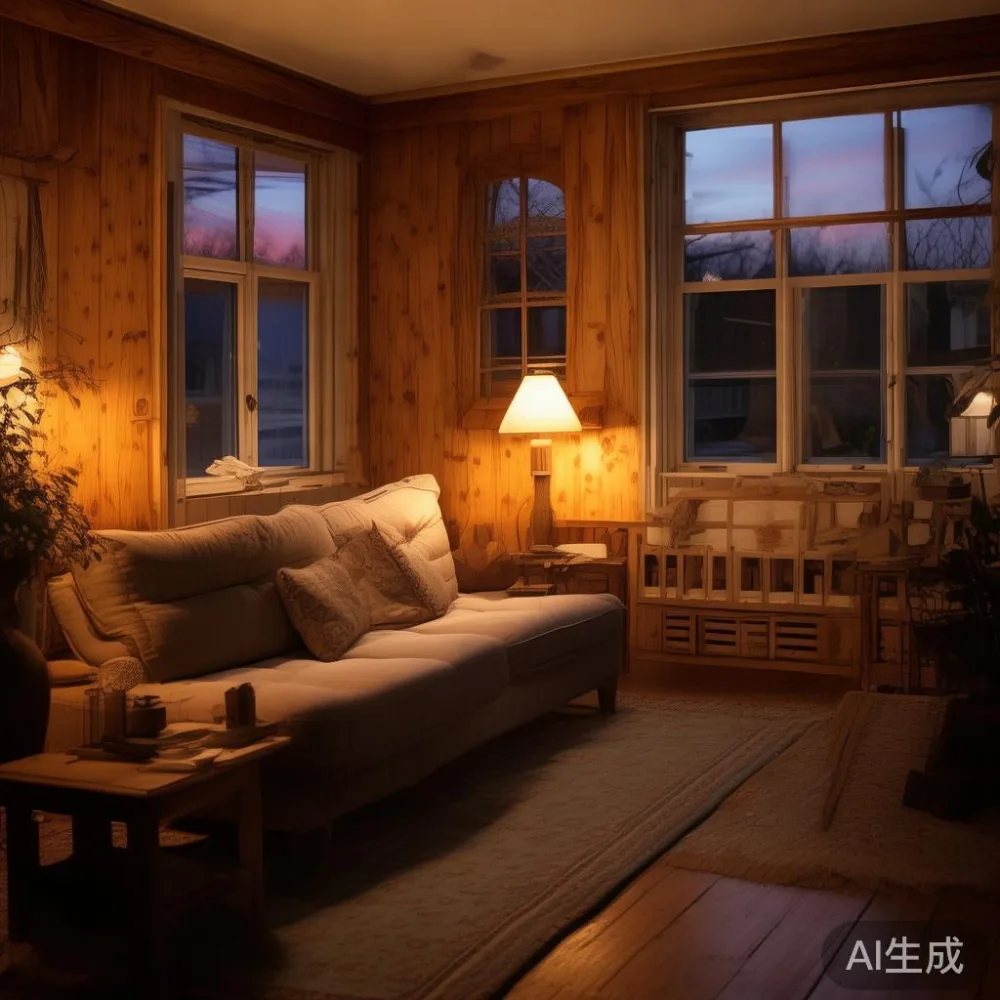
The difference between a damp monsoon period and a dry, air-conditioned afternoon matters. The real danger is not one high reading, but a repeated swing of more than 15 percentage points within 24 hours. Such movement can stress a tenon, move a drawer runner and make a cabinet door sit differently.
Why Singapore Homes Create a Humidity Challenge
Singapore has an annual average relative humidity of around 74%, and coastal districts experience substantial moisture throughout the year. Inside a HDB flat, outdoor heat and vapour can enter through an open service balcony, kitchen window or bathroom doorway. The building’s internal temperature may sit near 27°C even while a bedroom is cooled to 24°C.
Air conditioning lowers humidity during occupied hours, but doors can remain open after that. In a Tampines HDB home, a living-room cabinet next to the main entrance may see 68% RH at 9 p.m., while a wardrobe against an exterior wall reaches 61%. In a Punggol condo, a wall beside a west-facing window may become warmer by 4°C, accelerating moisture exchange.
Space and delivery planning also affect furniture acclimatisation. A solid wood dining table 200 cm long and 90 cm wide may weigh 65 kg, while a 180 cm bed frame can weigh 48 kg. Neither should be forced into a narrow corridor or lift without checking access.
For standard HDB lifts, confirm the internal door width and the largest listed load. A useful working allowance is 75 cm of clear width for a rigid trolley, plus about 10 cm at turns. For a 60 cm-wide solid wood sofa frame, leave at least 15 cm of clearance from lift walls to avoid scraping the wood finish. Corridor turns around 90° may need the same extra 15 cm.
At MIDHILL, delivery planning is part of product planning, not merely a final transport step. Because furniture is solid wood, we recommend leaving it in its delivery room for 48 to 72 hours before assembling or loading it heavily. Keep it 30 cm away from walls and 60 cm from air-conditioning outlets where possible.
Which Wood Finish Handles Humidity Better?
No finish makes wood moisture-proof. A good wood finish slows the exchange of water vapour and protects the surface, but movement still occurs underneath. The finish should therefore be selected for the room, maintenance routine and tolerance for natural variation.
An oil-wax finish gives oak, walnut, teak and ash a tactile, matte appearance. It suits Japandi interiors and a post-modern light luxury setting, but it generally needs reapplication when the room stays above 60% RH. Apply a thin coat every 12 to 18 months, or sooner if water leaves a visible mark.
Water-based lacquer creates a cleaner, lower-maintenance surface and can handle humidity more consistently than an open oil finish. It is a sensible choice for a dining table used by 4 people daily or a nightstand in a frequently opened bedroom. Still, scratches can expose unprotected wood, so use a felt pad under laptop stands and coasters beneath drinks.
Hardwax oil combines oil penetration with a harder surface layer. It is practical for a solid wood sofa base, wardrobe or bed frame, although fingerprints remain visible on natural oak. French light luxury schemes often pair it with pale upholstery and restrained profiles, while American light luxury rooms tend to favour smoother, more uniform sheen.
For a marble table, humidity has less effect on the stone, but the timber support and any wooden pedestal still require control. Use a pH-neutral stone cleaner, not vinegar or lemon. Keep the surface free of standing water for at least 30 minutes, and check silicone joints twice a year.
Can You Prevent a Solid Wood Dining Table from Warping?
Prevention begins with even indoor conditions and sensible use. Place a solid wood dining table away from bathroom doors, kitchen sinks and laundry windows. Do not place a hot rice cooker directly on the surface; use a trivet and leave at least 10 cm around the appliance. Wipe spills within 5 minutes rather than leaving them overnight.
For a 6-seat table measuring 180 cm by 90 cm, inspect the legs monthly. Compare diagonal measurements across the tabletop with a steel rule. Mark any change greater than 2 mm and check the room humidity before adjusting the legs. Uneven shrinkage caused by one damp corner is different from a structural defect.
Under the table, allow air to circulate. A fitted floor cloth can slow moisture exchange, but a completely sealed plastic sheet may trap dampness. Felt pads under each leg also prevent scratches and allow controlled movement.
If you are planning a compact home, Japandi for small living room layouts often use a 140 cm dining table with 4 chairs instead of a 200 cm model. The smaller surface loses heat and absorbs less moisture, and it leaves 90 cm or more of circulation space in a 3.5 m living room.
Seasonal care matters. In Singapore’s wetter months, inspect surfaces after major rain events. In drier periods when air conditioning runs heavily, raise the room RH gradually rather than misting the wood. A light damp cloth with clean water can help, but avoid soaking a finish or applying water directly by spray bottle.
What Should You Do If a Wardrobe Door Has Swollen?
First identify the cause. Check the hinge side and the opposite edge for sticking, then measure the door at the top and bottom with a 30 cm steel rule. A difference above 3 mm may indicate uneven moisture. Inspect for condensation, water ingress and a failed seal around an air-conditioning unit.
Do not plane or force a swollen door. Bring the room towards 50% RH for 5 to 7 days, then inspect again. If the gap improves, the core wood may still be sound, but the hinge screws and catches may need adjustment. If there is mould, dark staining or a persistent 2 mm split, contact the supplier before attempting a repair.
For a 120 cm wardrobe with 6 doors, maintain air movement behind the unit. A 5 cm rear gap is useful; a 10 cm gap is better along an exterior wall. Keep textiles, shoes and folded towels from pressing against the back panel.
Wood finish maintenance should match the existing coating. Solvent-based cleaners can soften lacquer or alter an oil-wax surface. Use a soft cloth lightly dampened with a pH-neutral cleaner, test it on a 10 cm concealed area, and wait 24 hours before treating the full panel.
One of our colleagues visited a Singapore client last month to inspect a teak wardrobe delivered 6 weeks earlier. Its west-side door had begun to catch. A moisture meter showed 61% RH behind the wardrobe and 49% in the room. Moving the unit 8 cm from the wall and maintaining a steady indoor range brought the gap back within 1 mm after 10 days. The finish required no sanding or replacement.
How Do You Style French Provincial Furniture Without Damaging It?
French provincial furniture works well in humid Southeast Asian interiors when ventilation and surface care are planned. For anyone learning how to style French provincial sofa in room layouts, place the sofa 30 cm from a window and avoid direct afternoon sun. Curtains made of washable cotton can moderate sunlight while allowing airflow.
Use breathable cushions and cotton throws rather than thick PVC covers. Vacuum upholstery every 7 days with a 200 W handheld unit and keep the sofa 20 cm away from exterior walls. After a heavy downpour, check the underside for dampness before closing the sofa bed mechanism.
For a bedroom, guidance on how to style French sofa in bedroom spaces should prioritise clearances. Leave 60 cm beside a compact sofa and 75 cm in front of its seat. Avoid placing the sofa directly under a cooling vent because rapid surface drying can cause finish checking, particularly on walnut.
Pair a solid wood bed frame with simple linen bedding and pale walls. Vintage for dining room styling can include an aged-look sideboard, but a real vintage piece may have less moisture resistance than newer solid wood construction. Place older furniture in stable interior zones, not beside an open balcony door.
Post-modern light luxury is easier to maintain with clean lines, mixed materials and fewer surfaces. A marble table can contrast with an oak dining table, while a solid wood sofa frame gives the room warmth. Light colours show mould stains earlier, so inspect cream and ivory finishes every 2 months.
How Should You Choose Humidity-Resistant Bedroom Furniture?
Measure the bedroom before buying. Record wall lengths, doorway widths and the distance from the air conditioner. A queen bed frame measuring 160 cm by 200 cm needs a level footprint of at least 170 cm by 210 cm, with 60 cm on one side and 40 cm on the other where space permits. A compact model measuring 140 cm by 200 cm may suit a narrower room.
For shoppers comparing the best Japandi bed for 2026 options, focus on stable construction, adjustable supports and a finish suited to air-conditioned rooms. Low-profile platforms can restrict ventilation, so retain a 5 cm gap beneath where the design permits it. Confirm that the manufacturer’s instructions allow that clearance.
Allow new furniture to acclimatise for 3 to 5 days in its final room. This does not replace controlled delivery conditions, but it lets the piece adjust gradually to local humidity. Unpack protective wrapping without exposing all surfaces at once, and check corners and joints before assembly.
The same principle applies to a nightstand. Keep it away from an exterior wall and use a coaster with a 2 cm border. For under 2000 Industrial furniture requests, clarify whether the quote includes GST, delivery to the doorstep or room placement, and assembly. This distinction matters because a S$1,800 bed frame and a S$1,600 dining table are not directly comparable on total delivered cost.
MIDHILL includes a 10-year structural warranty, lifetime refinishing support and a 14-day return window under applicable terms. Free shipping applies to qualifying orders above US$350, while local Singapore pricing is shown in SGD and GST treatment should be confirmed at checkout. Typical delivery to Tampines, Bedok or Punggol may take 7 to 14 days after dispatch, depending on configuration and stock.
What Is a Sensible Humidity-Control Routine for Your Home?
Use a monthly rhythm rather than waiting for visible damage. Check the hygrometer at breakfast and bedtime once a week, inspect moving parts monthly, and clean the wood finish according to its type. Keep the indoor range near 45% to 55% RH, with seasonal variation preferably below 10 percentage points over 24 hours.
Run air conditioning or a suitable dehumidifier when readings exceed 60%. Set the fan to automatic rather than cooling excessively. A target of 25°C and 50% RH is often more stable than 22°C and 35% RH, which can be very dry for wood, skin and plants.
Watch for warning signs: a door that catches, a drawer that will not close, a finish that feels tacky, or black spots near a baseboard. Address water leaks and condensation immediately. A moisture meter costing about S$25 to S$60 is useful for confirming whether the issue is environmental, but it should guide observation rather than replace a physical inspection.
For delivery day, measure the lift, corridor and stairwell before the truck arrives. Protect finished edges with rigid corner guards and remove the outer packaging before bringing a wardrobe through a doorway. A 210 cm tall wardrobe should be transported upright if its construction and instructions allow, avoiding unnecessary tilting.
Humidity control protects the appearance, movement and long service life of solid wood furniture. It cannot freeze wood in one dimension, but stable conditions, the right wood finish and careful placement can prevent minor seasonal movement from becoming visible damage. That is particularly valuable in compact Singapore homes, where every centimetre and every joint must work harder.