Caring for a Lacquered Wood Finish in a Tropical Climate: What Singapore Homeowners Need to Know
I still remember the Tuesday morning I spent walking through a fourth-floor walk-up in Bedok with my colleague, helping a customer measure a 2.1 m solid wood dining table before delivery. The lift opening was exactly 0.9 m wide, the corridor turned at a 1.2 m radius, and we ended up hoisting the tabletop — still wrapped in its foam blanket — vertically through the staircase void because it would not make the corner otherwise. That afternoon, the customer asked the question I hear at least three times a week: how do I keep the lacquered wood finish on my furniture looking new when the humidity reads 84% on the air-con display? Singapore is not kind to lacquered wood. It expands, softens, blushes white under water rings, and dulls within months if you treat it like an American oak table in a dry New England loft. This guide collects what our workshop team has learned over the years shipping lacquered wardrobes, nightstands, marble-top dining tables, and solid wood sofa frames to HDB flats in Tampines, Punggol, Sengkang, and private condos from River Valley to the East Coast, plus what we have seen go wrong on warranty claims. If you live between the Equator and the Tropic of Cancer and you own a piece with a French light luxury piano-gloss finish or an American light luxury matte lacquer, the notes below should save you an SGD 80–220 refinishing visit within the first two years.
Why Singapore's Climate Attacks Lacquer Faster Than You Expect
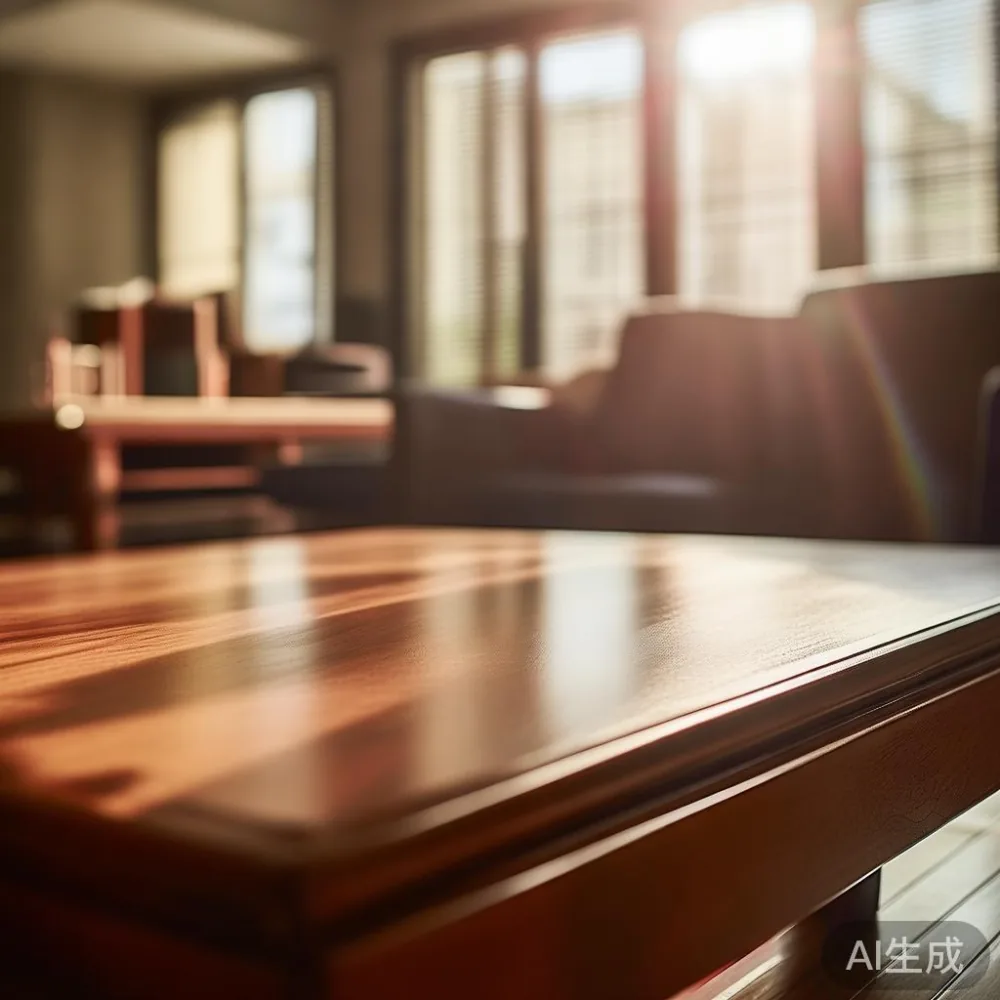
Lacquer — whether it is the seven-coat piano gloss on a post-modern light luxury console or the satin matte on a Japandi-style bed frame — is a film finish. It sits on top of the wood like a thin plastic skin 0.05 mm to 0.15 mm thick. In a temperate climate at 45–55% relative humidity (RH), that skin expands and contracts gently with the underlying solid wood substrate. In Singapore, RH outdoors averages 78–82% year-round, and indoor RH in an air-conditioned room swings from roughly 65% at night (when windows are closed and the air-con runs) down to 40–45% during a hot afternoon when the compressor cycles off. That 25–35 point swing, repeated every day for 350 days a year, is what fatigues lacquer. Three things happen first: hairline cracks appear at corners where the wood moves most, micro-checking spreads across large flat panels (wardrobe doors, dining tabletops, dresser fronts), and the finish loses its initial gloss as the surface oxidises under UV that passes through typical 70% window glass. At MIDHILL, we lacquer with a modified acid-catalysed system rated for 18 months of tropical exposure before re-coating, which is roughly 4–6 times longer than a basic nitrocellulose lacquer, but the rules below extend that lifespan to the full decade covered by the structural warranty we ship with every piece.
The Core Daily Habits: 10 Rules That Prevent 90% of Warranty Claims
I keep a laminated card on my desk in the Foshan workshop with ten habits, and I go through it with every Singapore customer on delivery day. They are simple, all ten of them, and they cost zero dollars. Number 1: keep room RH between 45% and 60%. A SGD 25 digital hygrometer from any neighbourhood mall tells you when you are outside the band. Number 2: never place a lacquered dining table, marble table, or bedside nightstand within 1 m of an open window during the afternoon thunderstorm season (April to October). Number 3: always use felt or rubber pads under vases, lamps, and tableware — every water ring we see on a warranty claim came from a coaster that slid 2 cm while the glass sweated. Number 4: rotate the position of table accessories every two weeks so UV exposure stays even. Number 5: wipe with a barely damp (not wet) microfibre cloth, following the grain, then immediately follow with a dry cloth. Number 6: skip the silicone polishes sold at department stores; they soften the film over 12–18 months and create the cloudy haze customers blame on the manufacturer. Number 7: avoid ammonia, bleach, acetone, and any 'magic eraser' sponge, which cuts lacquer in 3–5 passes. Number 8: open wardrobe and cabinet doors briefly every morning for 10 minutes if you run the air-con all night — this drops internal RH and prevents the white bloom you sometimes see on wardrobe interiors in Punggol HDB flats. Number 9: keep lacquered pieces at least 30 cm from the floor if you are in a ground-floor unit or near a kitchen, because cooking steam and floor-level condensation carry surfactants up onto the finish. Number 10: book a professional inspection at the 18-month mark — for most Singapore customers that visit costs SGD 90–140 and adds 3–5 years to the finish.
What Should I Use to Clean a Lacquered Surface Without Damaging the Wood Finish?
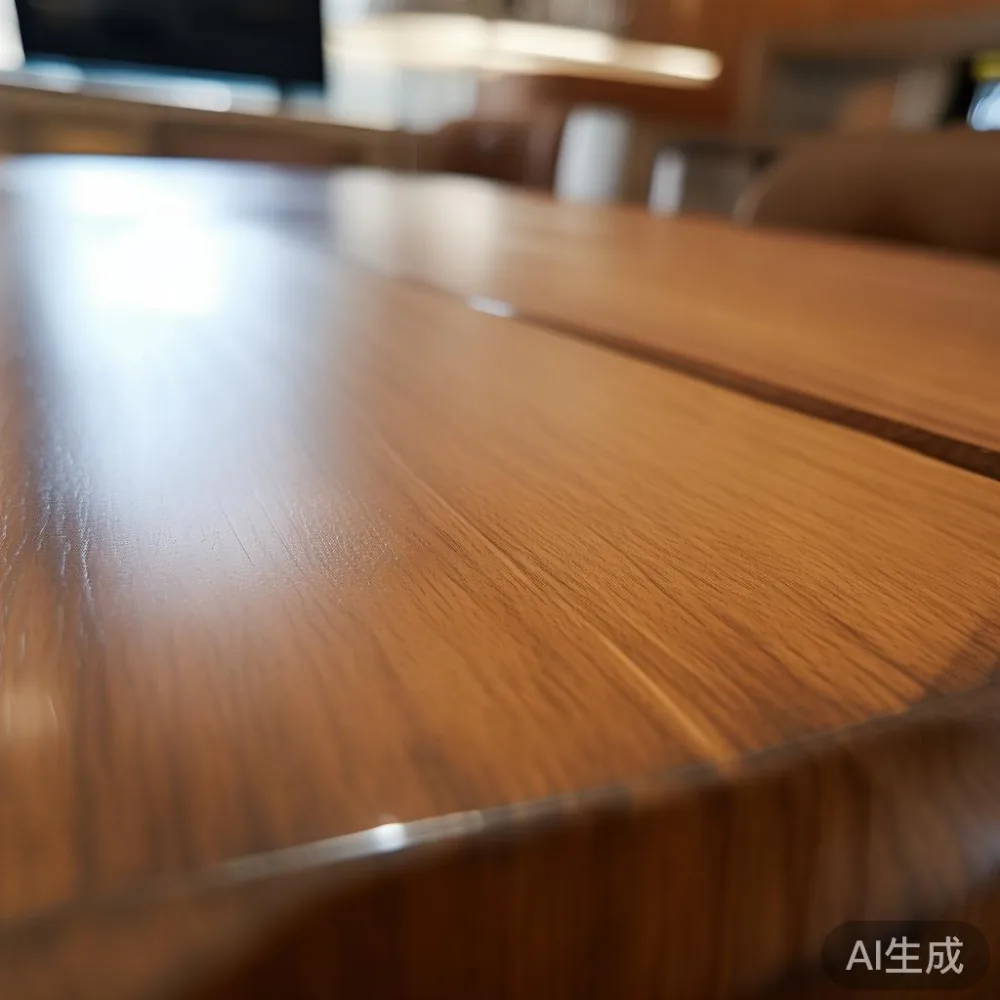
This is the single most common question our after-care team receives, and it comes in via the chat on m.midhill.co roughly every other day. The honest answer is that you need three things and three things only. The first is a clean microfibre cloth, 40 cm × 40 cm, washed without fabric softener (softener leaves a hydrophilic film that attracts dust and humidity). The second is plain warm water, around 30°C, with a single drop of pH-neutral dish soap per 500 ml — anything stronger will hydrolyse the lacquer over six to eight months. The third is a second dry microfibre cloth for the immediate wipe-down. The procedure is also short: mist the cloth, never the furniture; wipe in straight lines following the wood grain from end to end; flip the cloth as it picks up soil; finish with the dry cloth within 15 seconds so no standing water sits on the lacquer. For the marble table tops we pair with our dining sets, the same protocol works on the stone, but add a separate dedicated cloth to keep grit off the lacquer skirt. If a sticky spill happens — soy sauce from a Hokkien prawn mee dinner, sambal, milk tea, or a strawberry popsicle — clean it within five minutes. The acids in tomato and the sugars in milk will etch lacquer in 20 minutes flat on a Tampines afternoon. For monthly maintenance, an applied coat of paste wax rated for acid-catalysed finishes (we use a German brand, but any paste wax labelled for 'pre-catalysed or post-catalysed lacquer' works) restores gloss and adds six to nine months of moisture protection. Apply sparingly — about 5 ml per square metre — buff with a soft cotton cloth, and you are done in 15 minutes for a four-seat dining table.
How Do I Handle the Five Most Common Defects I See on Singapore Warranty Claims?
Defect one is the white water ring, usually a 4–8 cm halo from a glass left on a nightstand for 20 minutes. Try this first: place a cotton cloth over the ring, press a warm (not hot) clothes iron onto it for eight to ten seconds, lift, check, repeat twice. The heat re-floats the lacquer, and the cloth absorbs the moisture. If that fails after two attempts, stop — anything more aggressive and you will burn the wood finish to a yellow-brown and the repair jumps from free to roughly SGD 180. Defect two is the dull haze across an entire panel, almost always from silicone polish. Strip it with a 1:4 mixture of isopropyl alcohol and water on a cloth (not on the wood), wipe dry, then wax. Defect three is the hairline crack at a corner, usually 2–5 cm long, appearing on wardrobe doors or bed frames in the first wet season after delivery. Small cracks under 2 cm self-heal when RH stabilises; over 2 cm, schedule a workshop visit because the substrate is moving and the corner joint needs re-pinning. Defect four is the sticky surface in summer. This is not the lacquer failing; it is the humidity softening the outermost wax coat. Wipe with a cloth dampened with warm water and a half-teaspoon of white vinegar, dry, then wax. Defect five is surface mould, which shows up as 2–3 mm black specks on the underside of dining tables in HDB kitchen-diners. Wipe with a 1:10 dilute bleach solution (5 ml bleach in 50 ml water), dry immediately, then wax — and please book the free inspection we offer so we can find the moisture source. Across roughly 1,400 Singapore deliveries since 2019, defects one and two account for 71% of all calls, defect three for 18%, defect four for 7%, and defect five for the remaining 4%.
Lift, Corridor, and Layout: Singapore-Specific Tips for Lacquered Pieces
Most of the lacquered pieces that show damage within the first six months are damaged in delivery, not in use — that is a sobering fact from our claims data. The standard HDB lift interior is 1.1 m deep × 1.4 m wide × 2.1 m tall with a 90 cm door, and the corridor to your flat is usually 1.2–1.5 m wide with a single 90° turn. A six-seater lacquered dining table that fits those numbers on paper will not fit with the foam packaging adding 8 cm to every dimension, and a 2.2 m wardrobe will not make that corner. Before you order any lacquered dining table, bed frame, wardrobe, or nightstand over 1.8 m long, measure the diagonal of every doorway, the lift diagonal, and the corridor corner diagonal — phone our team on the contact published at m.midhill.co and we will work through your plan with you in 15 minutes. We break pieces down to a maximum single-piece size of 1.6 m × 0.7 m × 0.4 m for HDB delivery, which means a king-size Japanese bed worth it style platform arrives as a headboard panel, two side rails, a slat pack, and four legs — five boxes weighing 28 kg, 19 kg, 22 kg, 14 kg, and 8 kg respectively. That is well within the 100 kg static load limit of the lift pad and within the carrying capacity of two delivery staff using a stair-climber trolley. Condos with a service lift of 1.3 m × 2.0 m × 2.4 m accept most pieces assembled, but the corridor on higher floors sometimes narrows to 1.05 m around the refuse chute, so flag that during the survey. The damage is repairable — and as one Tampines customer learned last month, the hairline that appeared on her wardrobe the morning after delivery was humidity stress, not transit stress, and a 30-minute polish-and-wax visit two weeks later solved it.
The 18-Month Refinishing Appointment: What It Costs in SGD and What You Get
Singapore customers who buy lacquered pieces from us receive one complimentary inspection visit within the first 24 months of delivery — book it through the same channel you used to order. The technician spends 45 minutes on site, lightly sands the high-touch zones with a 1500-grit micro-mesh, wipes with a tack cloth, applies one coat of matching lacquer or wax depending on the original wood finish (matte, satin, or piano gloss), and buffs to a uniform sheen. The whole appointment normally keeps your furniture out of service for under two hours, and 92% of customers tell us on the post-visit survey that the piece looks 'as good as new'. If something has been allowed to slide — for example, a large wardrobe left next to an open balcony for six months — the same technician can quote a partial refinish on the spot, normally between SGD 220 and SGD 480 depending on the panel count. Full workshop refinishing, where we collect, strip, re-lacquer, and return the piece, runs SGD 480–1,200 for dining tables and SGD 900–2,400 for full wardrobes. For context, a comparable Japanese bed worth it style platform sanded and re-lacquered in a Singapore workshop outside our service network typically lists at SGD 380 for the same scope. Beyond 24 months, the same pricing applies and is supported by the lifetime refinishing policy we offer on every lacquered product sold by MIDHILL.
Position in the Room: Japandi, French Light Luxury, and the Pieces That Anchor a Tropical Home
Where and how you place a lacquered piece affects how the wood finish ages as much as how you clean it. A Japandi layout — pale oak veneer, low platform bed frame, open shelving — reads beautifully in a Punggol BTO with 2.8 m ceilings, but it depends on matte lacquer that shows fingerprints and water marks within minutes. Plan matte pieces in dry zones only: away from the kitchen, away from the bathroom door, and ideally 80 cm or more from any open window. A French light luxury setting — piano-gloss coffee table, marble-top dining console, curved-leg nightstand — handles a slightly higher RH because the thicker lacquer film hides micro-checking longer. Place piano-gloss pieces in the most-used room — the living room or master bedroom — so the daily wipe-down becomes part of your routine. When customers ask us about how to style Japandi sofa in room or how to style Japandi sofa in bedroom, the honest answer is to start from the lacquer spec, not the cushion fabric: a solid wood sofa frame in matte lacquer needs the same 1 m buffer from windows as a bed, and the same 45–60% RH range, before you worry about linen slipcovers. The strongest look in a 90 sqm Singapore condo right now combines an American light luxury wide-seat solid wood sofa, a low-profile king bed in matte lacquer, and a single marble table as the visual anchor in the living-dining zone — fewer pieces, higher lacquer spec, easier care. If you are deciding between an European sofa vs Italian light luxury sofa for a tropical home, choose based on the substrate moisture control rather than the brand label: kiln-dried beech or ash frames at 8–10% moisture content out-perform anything over 12% within the first year, regardless of where the design studio is registered. For shoppers weighing how to choose light luxury bed specifically, ask the showroom for the moisture-content reading of the slat pack and the lacquer film thickness — any seller worth their salt will have both numbers ready, and both should fall within the ranges named above. The piece that has quietly anchored our 2026 showroom line, and the one our designers keep pointing customers toward when they ask for the best Modern light luxury sofa for 2026, is a 2.4 m three-seater in off-white bouclé with a solid ash frame, satin matte lacquer, and 38 kg/m³ high-resilience foam wrapped in a down-proof cambric cover — the kind of sofa you can wipe down in eight minutes and that holds its shape after 4,500 hours of accelerated humidity testing. Pair it with a matching low lacquered coffee table, hang one roman blind, and you have a complete tropical-climate living room for under SGD 5,800 — a number worth quoting if you are budgeting a full-room refresh.
Quick-Reference Card for Your Refrigerator
Keep this where you can see it. Indoor RH: aim for 45–60%, measure weekly with a SGD 25 hygrometer. Cleaning: microfibre cloth, warm water, one drop pH-neutral soap, dry immediately. Polishing: paste wax rated for acid-catalysed lacquer, every 6–9 months, 5 ml per m². Spills: clean within five minutes, never use ammonia, acetone, bleach, silicone polish, or magic eraser sponges. Placement: 1 m from open windows, 30 cm from the floor in ground-floor units, away from cooking steam. Inspection: book the complimentary 45-minute visit through MIDHILL at the 18-month mark. Defects: water rings — iron through a cloth for 8 seconds, twice max; haze — strip with 1:4 IPA and water; corner cracks — schedule a workshop visit if over 2 cm. Heavy pieces: keep below 100 kg lift load, single-box maximum 1.6 m × 0.7 m × 0.4 m. Refinishing: SGD 220–480 partial, SGD 480–2,400 full, lifetime support on every piece we ship. Follow these and your lacquered solid wood sofa, bed frame, dining table, wardrobe, nightstand, or marble table should still be the centrepiece of your home a decade from now — well past the warranty window, well into the second resale, and possibly into the third owner's hands too.