Solid Wood or Veneer? A 5-Year Cost Comparison for Singapore Homes
Choosing furniture for a Singapore home involves working through a unique set of challenges. From the standard dimensions of a HDB flat in Tampines to the slightly more generous layouts of a condo in Punggol, every piece must fit. Then there's the consideration of humidity, the wear and tear of daily life, and of course, the long-term financial commitment. For many, the decision comes down to two primary materials: solid wood and veneer. Both offer distinct aesthetics and price points, but their true cost is revealed not at the initial purchase, but over time. This article provides a detailed, 5-year cost comparison between these two materials, using local context and concrete figures to help you make an informed decision for your space.

Understanding the Materials: Solid Wood and Veneer
Before diving into the numbers, it's important to understand what each material actually is. Solid wood furniture is crafted from a single, solid piece of lumber, such as oak, walnut, or teak. The entire structure, from the legs of a dining table to the panels of a wardrobe, is made from this natural material. This results in a piece of furniture that is incredibly durable, repairable, and possesses a unique character that deepens with age. A solid wood sofa frame, for instance, can be refinished multiple times, allowing it to last for decades.
Veneer, on the other hand, is a thin layer of real wood applied over a base of engineered wood, such as MDF (Medium-Density Fiberboard) or plywood. The base provides stability and shape, while the veneer layer provides the appearance of solid wood. Veneer furniture is often lighter and less expensive upfront. However, the quality of the wood finish can vary dramatically. A high-quality veneer with a thick, well-bonded layer of premium wood can look and feel very similar to solid wood, but a low-quality veneer may be prone to chipping, peeling, or delaminating, especially in Singapore's humid climate. The wood finish on a veneer piece is in effect a decorative surface, not a structural one.
The Initial Investment: A Side-by-Side Price Comparison
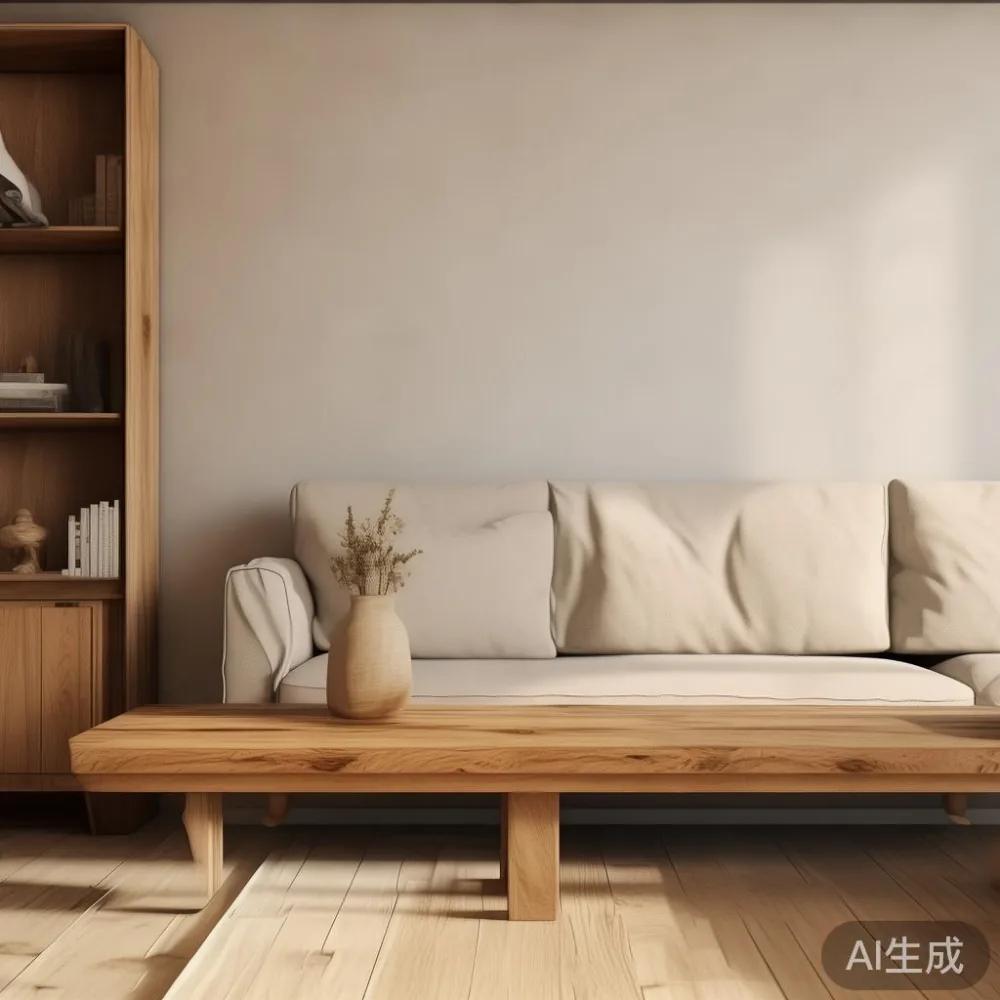
The most obvious difference between solid wood and veneer furniture is the initial price point. To illustrate this, let's compare a typical set of living room furniture suitable for a standard HDB flat in Bedok, with a corridor width of approximately 120 cm.
A solid wood dining table, measuring 180 cm x 90 cm, from a reputable maker like MIDHILL, would cost approximately SGD 3,800. A matching set of six solid wood dining chairs would add another SGD 2,200. For the living area, a solid wood sofa measuring 220 cm wide might cost SGD 4,500. A solid wood TV console of 160 cm width would be around SGD 2,800. The initial total for a solid wood set would be approximately SGD 13,300. This price includes GST and often qualifies for free shipping over SGD 350.
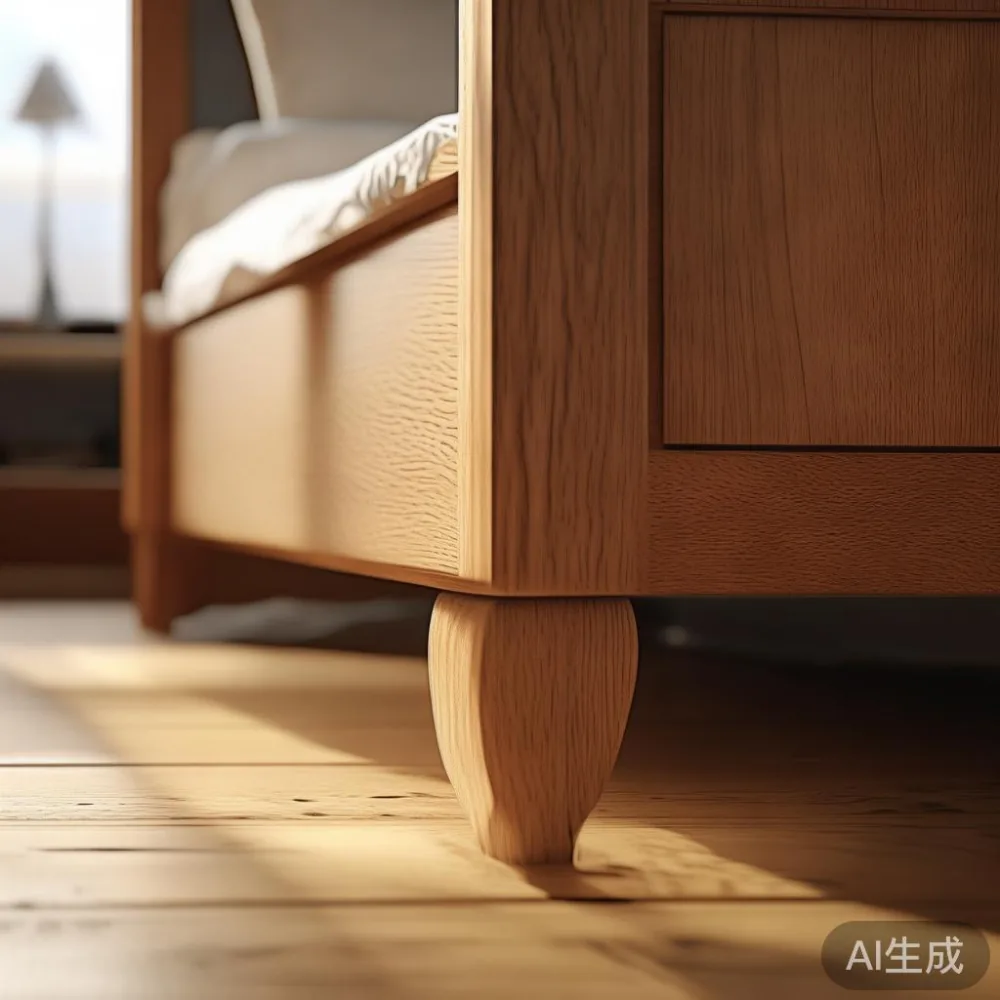
Now, consider the veneer equivalent. A veneer dining table of the same dimensions might cost SGD 1,500. Six veneer dining chairs would be about SGD 800. A veneer sofa of the same size could be found for SGD 1,800, and a veneer TV console for SGD 1,200. The initial total for the veneer set would be approximately SGD 5,300.
The upfront savings with veneer are significant, amounting to roughly SGD 8,000. This is a considerable difference that can make veneer an attractive option for those furnishing a new home on a tighter budget. However, this initial price is only one part of the financial equation.
Year 1-2: Durability and the Reality of Wear and Tear
The first couple of years are where the initial excitement of new furniture settles into the reality of daily use. In Singapore, this means dealing with the natural humidity, which can cause wood to expand and contract, and the inevitable scratches, dings, and spills that come with family life.
With solid wood, minor damage is often repairable. A small scratch on a solid wood dining table can be buffed out with a wood polish or touched up with a matching stain. The natural material's resilience means it can withstand the occasional impact without catastrophic failure. The wood finish on a solid wood piece is integral to the material itself, making it more forgiving.
Veneer furniture, however, shows its vulnerabilities more quickly. A sharp corner of a plate or a pet's claws can easily chip the thin veneer layer, exposing the engineered wood base underneath. Once chipped, repairing a veneer surface is difficult and often looks like a patch. The humid Singapore climate can also pose a problem for lower-quality veneers, causing the layers to separate or warp over time. A colleague of mine, Sarah, who recently moved into a new condo in Punggol, discovered this firsthand. She bought a veneer wardrobe for her bedroom. Within 18 months, the side panels had begun to warp slightly due to the high humidity, and the wood finish on the drawers had started to peel where her knees brushed against it. The structural integrity of the wardrobe was sound, but its appearance was compromised.
During this period, there are usually no major additional costs for either type of furniture, assuming proper care is taken. The financial difference lies purely in the peace of mind. The owner of the solid wood set knows their furniture is built to last, while the owner of the veneer set may already be noticing signs of wear that could lead to more significant issues down the line.
Year 3-4: The Cost of Maintenance and Potential Repairs
As furniture enters its third and fourth years, the focus shifts from initial wear to ongoing maintenance and the potential need for repairs. This is where the long-term value of solid wood becomes increasingly apparent.
Solid wood furniture requires periodic maintenance to keep it looking its best. This might involve applying a high-quality wood polish or oil every 6-12 months to nourish the wood and maintain its lustre. A bottle of premium wood polish costs around SGD 50 and can be used for several applications over a year. For a solid wood bed frame, this simple routine is enough to preserve its beauty for years. The structural warranty from a maker like MIDHILL, which covers the frame for a decade, means that major structural issues are unlikely, but the owner is still responsible for the wood finish's upkeep.
Veneer furniture maintenance is more about prevention than care. Harsh chemical cleaners should be avoided as they can damage the thin wood finish. Spills need to be wiped up immediately to prevent the moisture from seeping into the seams and causing the veneer to bubble. If a significant repair is needed, such as re-gluing a peeling veneer, the cost can be high. A professional furniture repair service in Singapore might charge SGD 150 to SGD 300 for a single panel repair, depending on the size and complexity. If a veneer piece starts to delaminate across multiple surfaces, the cost of repair could approach SGD 800 or more, potentially approaching the price of a new, lower-end piece of furniture.
Is a Veneer Dressing Table a Good Long-Term Investment?
This is a question I often hear from clients who are drawn to the affordability of veneer for smaller items like a dressing table. A Modern light luxury dressing table with a marble tabletop and veneer base might seem like a perfect compromise, offering a high-end look at a fraction of the cost of an all-solid-wood version. The initial price might be SGD 1,200 for a veneer piece versus SGD 2,800 for a solid oak one. The question is whether that initial saving holds up over five years.
The answer depends heavily on usage and quality. If the dressing table is used lightly in a guest room, a high-quality veneer could last five years or more without issue. However, in a primary bedroom, where it's used daily, the veneer is more susceptible to damage. The constant contact with perfume bottles, jewellery, and hair tools can lead to scratches and wear on the wood finish. If the base is made of MDF, it can also be prone to sagging over time if the marble top is heavy. A solid wood dressing table, while more expensive initially, would not have this issue. Its structure is more resistant to warping, and the wood finish can be sanded and refinished if it becomes scratched, restoring it to its original condition. For an item you interact with every day, the long-term durability of solid wood often makes it the more sensible choice.
Year 5: The Total Cost of Ownership and Resale Value
By the five-year mark, the total cost of ownership for each type of furniture becomes clear. This includes the initial purchase price, plus any maintenance costs, and the potential value of the piece if you were to sell it second-hand.
For the solid wood set, the total financial outlay would be the initial SGD 13,300 plus perhaps SGD 200 in maintenance products over five years, totalling SGD 13,500. More importantly, solid wood furniture holds its value remarkably well. A five-year-old solid wood dining table from a good maker might retain 50-60% of its original value on the resale market. Selling the entire set could potentially recover SGD 6,500 to SGD 8,000.
For the veneer set, the total outlay is the initial SGD 5,300. However, let's assume a repair was needed. A SGD 300 repair for a damaged sofa panel and another SGD 200 for re-glaring a peeling dining table side brings the total to SGD 5,800. The resale value of five-year-old veneer furniture is minimal. It's often difficult to find buyers for used veneer pieces, as they are perceived as having a limited lifespan. You might be able to sell the set for a few hundred dollars, if at all. The net cost after five years is therefore nearly the entire initial investment.
When you factor in the resale value, the financial gap narrows significantly. The net cost of the solid wood set over five years is approximately SGD 5,000 to SGD 7,000 (SGD 13,500 - SGD 6,500). The net cost of the veneer set is approximately SGD 5,500 to SGD 5,800 (SGD 5,800 - SGD 0). In this scenario, the solid wood option, while having a higher initial cost, ends up being comparable or even slightly cheaper on a net basis over five years, offering a superior product throughout its life.
Beyond the Price: Style, Aesthetics, and Personal Expression
While this article focuses on finances, it's impossible to discuss furniture without acknowledging its role in personal style. The choice between solid wood and veneer is also a choice between aesthetic philosophies.
Solid wood is intrinsically linked to styles like American light luxury and French provincial. The rich grains and natural imperfections of solid wood are the focal points of these designs. An American bed vs French provincial bed comparison highlights this perfectly. The American light luxury bed frame often features clean lines and a substantial presence, showcasing the beauty of the wood itself. A French provincial bed, on the other hand, is defined by its ornate carvings and elegant curves, which are only possible with a workable material like solid wood. The wood finish in these cases is not just a surface; it's the medium for the design.
Veneer, with its ability to mimic almost any wood or even apply other materials like marble, opens up more design possibilities. It's the material of choice for post-modern light luxury and Japandi styles. A Japandi for guest room approach might favour a veneer piece with a light oak finish and minimalist hardware, achieving the desired look without the weight and cost of solid wood. Similarly, an Italian light luxury for office aesthetic might use a sleek veneer desk with a marble inlay, creating a sophisticated and modern workspace. The key is the quality of the veneer. A high-quality wood finish on a veneer piece can be indistinguishable from solid wood from a distance, offering a more budget-friendly way to achieve a high-end look.
Making the Right Choice for Your Singapore Home
So, which is the right choice for you? The answer depends entirely on your priorities, your budget, and your lifestyle.
If your primary concern is long-term value, durability, and the ability to repair and refinish your furniture, solid wood is the superior investment. It is a purchase that will serve you well for decades, becoming a part of your home's history. The initial higher cost is offset by its longevity and the fact that it can be refinished, a process which can completely renew the wood finish. For a family heirloom piece like a solid wood dining table or bed frame, there is simply no substitute.
If your priority is upfront cost and you are willing to accept a shorter lifespan, veneer can be a viable option. For items that see less use, like a console table or a nightstand, a well-made veneer piece can be perfectly adequate. For rental properties or for those who like to change their decor every few years, the lower initial cost of veneer makes financial sense. The key is to invest in higher-quality veneer furniture, where the wood layer is thicker and the base is a sturdy plywood, not MDF.
Ultimately, the decision between solid wood and veneer is a personal one. It's a balance between the desire for something that will last a lifetime and the need to furnish a home within a specific budget. By understanding the true cost over five years, you can make a choice that you will be happy with for years to come, whether it's a timeless solid wood sofa or a chic veneer wardrobe that perfectly complements your space.