The Art of Warm Minimalism: Matching Wood-Finished Furniture for Singaporean Homes
In the heart of Singapore, from the well-planned corridors of Tampines to the modern waterfront living in Punggol, a design philosophy is taking root. It’s a quiet rebellion against the stark, cold minimalism that can sometimes dominate urban living. This new approach is warm minimalism, and it finds its perfect expression through the natural beauty of wood-finished furniture. It’s about creating a space that feels open, uncluttered, and serene, but also deeply personal and inviting. The key lies in selecting the right pieces and, most importantly, the right wood finish to create a harmonious balance.
Understanding Warm Minimalism in a Singaporean Context
Warm minimalism is not a specific style like Japandi or mid-century modern; rather, it's an attitude. It strips a space down to its functional necessities but introduces warmth through natural materials, soft textures, and a careful colour palette. For Singaporeans living in HDB flats and condos, this philosophy is particularly relevant. Our living spaces are often compact, with standard corridor widths of 1.2 metres and lift dimensions of approximately 110cm x 140cm, making furniture size and material choice critical.
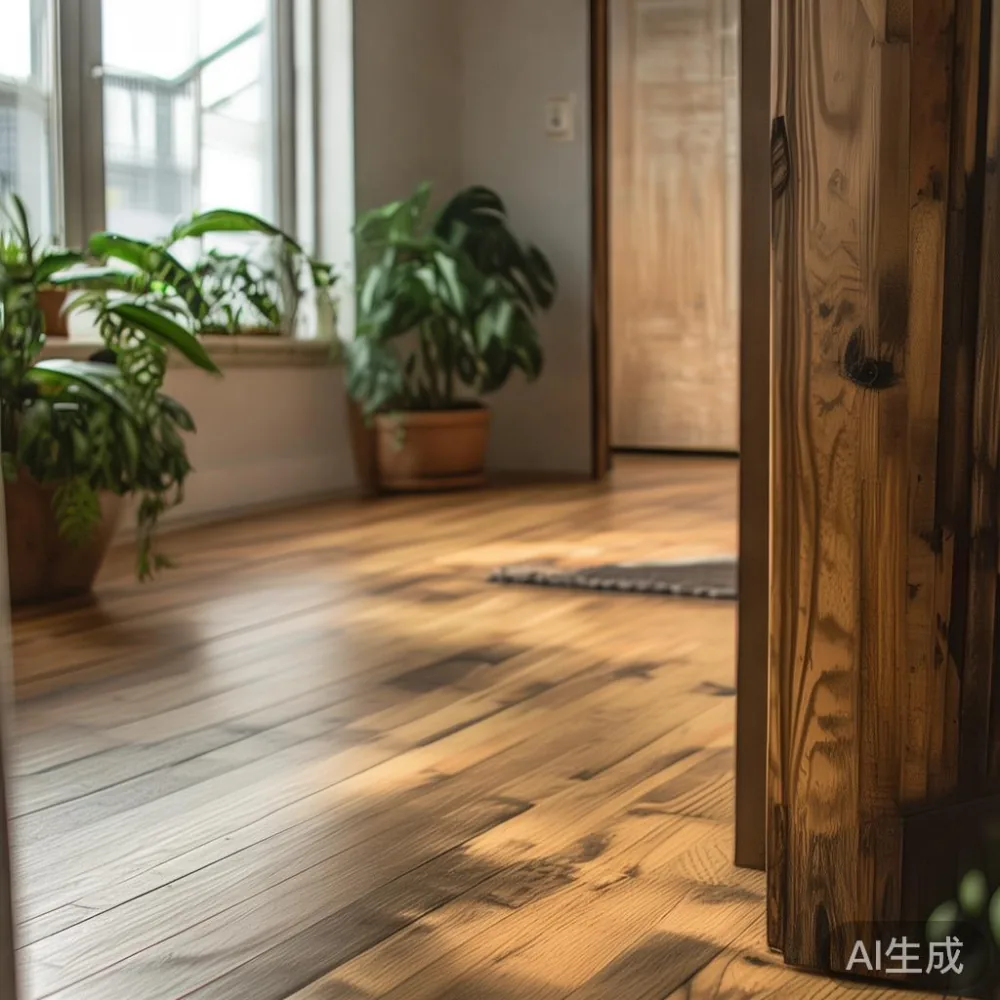
The foundation of warm minimalism is a neutral base. Think walls in shades of warm white, soft greige, or light taupe. These colours act as a canvas, allowing the furniture and natural elements to become the focal points. The next layer is the introduction of natural wood. This is where the concept of wood finish becomes paramount. The finish—whether it's a light oak, a rich walnut, or a matte black—dictates the mood of the room. A light, airy wood finish can make a small Punggol apartment feel more spacious, while a darker, more substantial finish can anchor a larger living space and create a sense of cosy luxury.
What is a Wood Finish and Why Does It Matter?
At its core, a wood finish is the protective and aesthetic layer applied to the surface of a wooden piece of furniture. It’s not just about making the wood look good; it’s about protecting it from the humid Singaporean climate, where temperatures average around 31°C and humidity can hover between 70-80%. A good wood finish prevents warping, cracking, and discolouration, ensuring your investment lasts for years. The type of finish also dramatically influences the visual and tactile experience of the furniture.
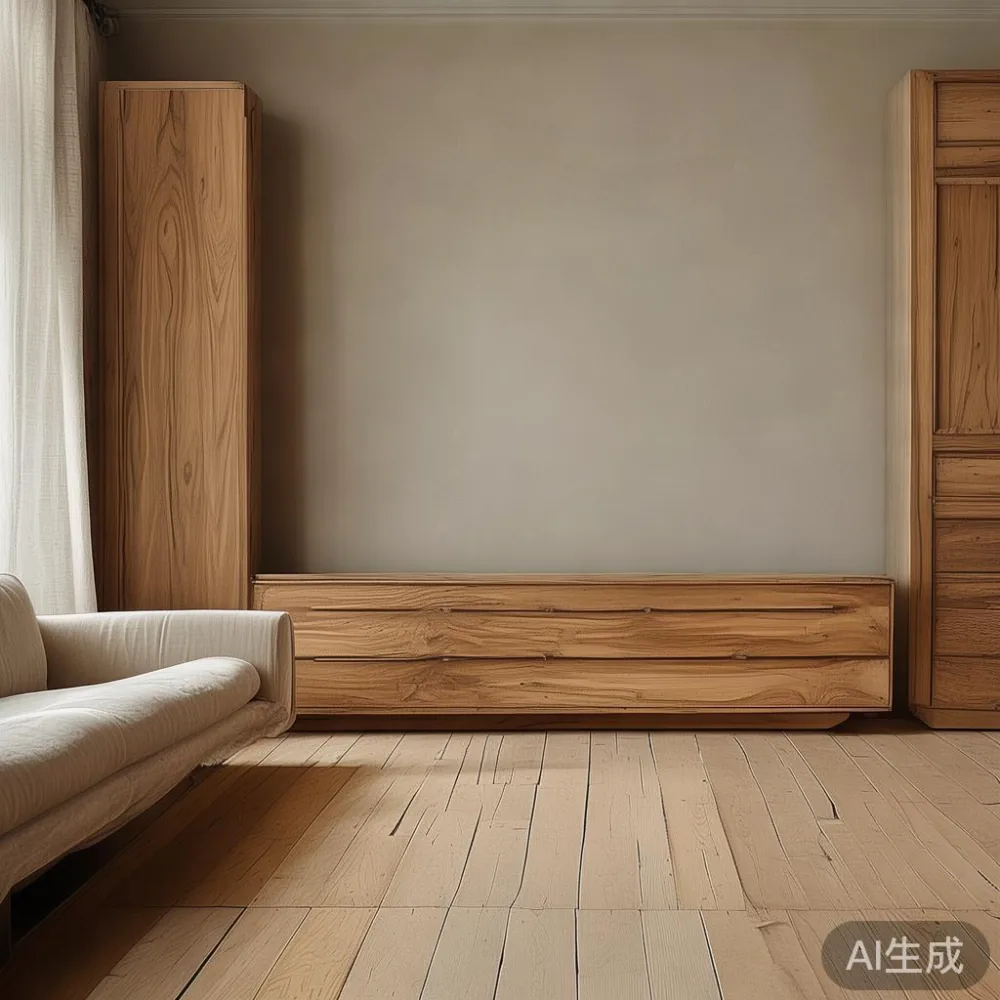
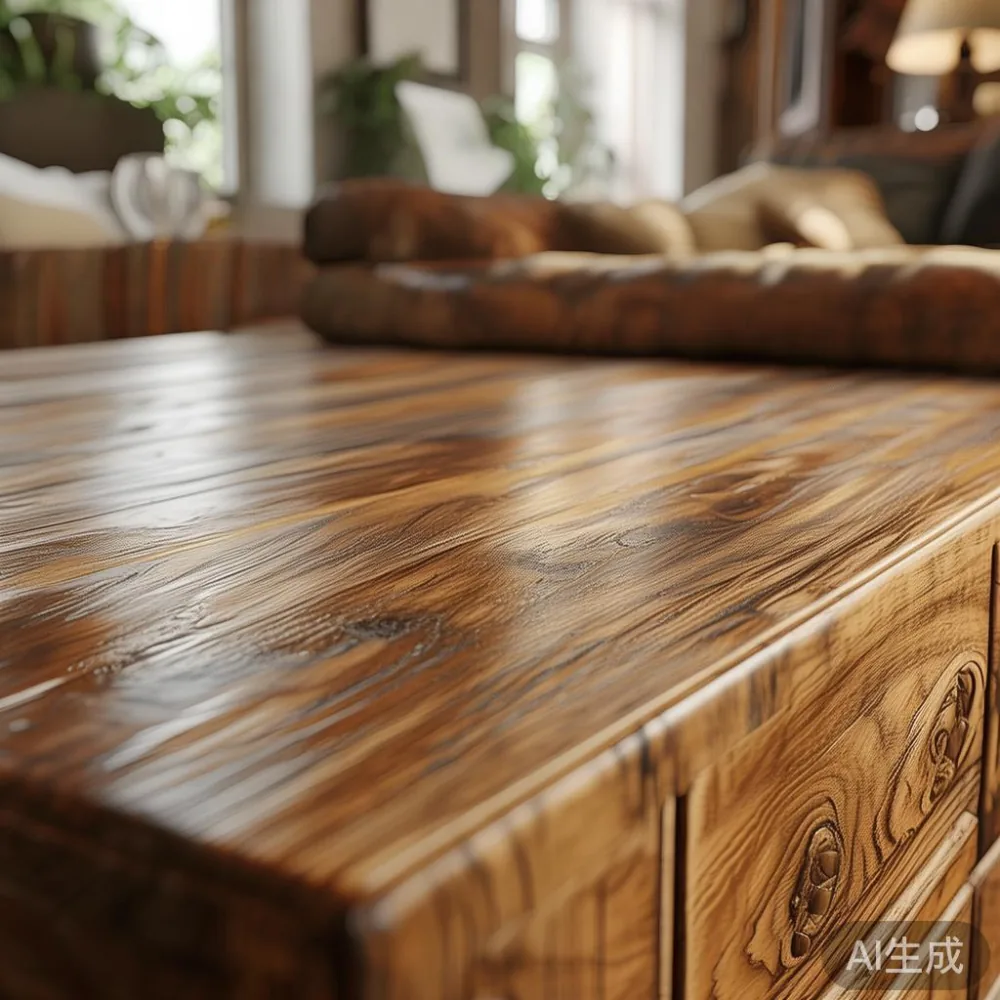
For warm minimalism, you typically want to avoid high-gloss, lacquered finishes that can feel cold and overly formal. Instead, the focus is on matte, satin, or hand-rubbed oil finishes. These finishes highlight the natural grain of the wood, giving it a tactile, organic quality. They reflect light softly, creating a warm, diffused glow rather than harsh highlights. When selecting a solid wood dining table or a bed frame, the choice between a clear finish that shows every knot and line of the wood, or a slightly tinted or smoked finish, will set the entire tone for your interior. This careful selection of the wood finish is what separates a generic wooden table from a piece that truly enhances your home.
How to Choose the Right Wood Finish for Your Space
Selecting the perfect wood finish is a nuanced process that involves considering the amount of natural light in your home, the existing colour palette, and the desired mood. For a typical Singaporean apartment, which often gets abundant sunlight, a lighter wood finish can be incredibly effective. A solid wood sofa with a light oak or ash finish can brighten up a living area, making it feel more open and airy. This approach works beautifully in smaller HDB units where the goal is to maximise the sense of space.
Conversely, if you live in a condo with large windows that get direct afternoon sun, a darker wood finish like walnut or teak can create a stunning contrast. The deep, rich tones of the wood can absorb some of the light, preventing the room from feeling washed out and adding a layer of sophisticated warmth. This is particularly effective for creating a focal point, such as a marble table dining set where the dark wood base complements the cool, elegant surface of the marble. The interplay between the warm wood and the cool stone is a classic combination in light luxury design.
Another consideration is the texture. A matte finish offers a modern, understated look, perfect for a post-modern light luxury aesthetic. It’s smooth and sophisticated. A satin finish has a slight sheen, offering a bit more depth and richness while still feeling soft and approachable. For those who appreciate a more traditional, handcrafted feel, a hand-rubbed oil finish brings out the wood's natural texture in a way that no other finish can. It’s a choice that celebrates imperfection and the unique character of the wood grain.
Can Warm Minimalism Feel Expensive Without Being Overtly Luxurious?
Absolutely. The secret lies in material quality and thoughtful design, not in excessive ornamentation or brand names. The term 'light luxury' captures this idea perfectly—it’s about understated elegance, impeccable craftsmanship, and the use of fine materials. You don’t need a European light luxury sofa to achieve this look. Instead, you can invest in a few key, high-quality pieces that are built to last.
Consider a solid wood bed frame. Instead of a flimsy, flat-pack option, choose a bed frame made from a single, substantial piece of wood with a beautiful, natural wood finish. The simple, clean lines of such a piece speak to minimalism, while the quality of the material and the richness of the finish convey a sense of quiet luxury. This principle extends to all furniture. A wardrobe with clean lines and a subtle wood grain finish is more luxurious than one with cheap veneers and elaborate hardware. The focus is on the material itself and the integrity of the construction. This approach to furnishing is what makes 'Italian light luxury for apartment' living such an aspirational goal for many—it’s about creating an environment of quality and taste, not just displaying wealth.
Creating a Cohesive Look with Different Wood Tones
A common misconception is that in a minimalist space, all wood tones must match exactly. While a monochromatic scheme can be stunning, mixing different wood tones can add layers of interest and depth, making a space feel more curated and less like a showroom set. The key is to create harmony through contrast.
The most effective way to mix wood tones is to use a unifying element. This could be a colour, a texture, or a style. For instance, you could have a light oak dining table, a walnut nightstand, and a bed frame with a medium-toned finish. To tie them together, ensure the other elements in the room—like the upholstery, rugs, and wall art—share a similar colour palette. If you have a light oak dining table, you might choose a rug with deep navy blue and cream tones, which will complement both the light and dark woods.
p>Another strategy is to vary the style of the furniture while keeping the wood finish similar. For example, you could have a modern, streamlined solid wood sofa and a more traditional, carved wooden coffee table, both finished in the same rich walnut. This creates a dynamic, eclectic look that is still cohesive. When you are searching 'for sale Japandi furniture', you are often looking for this very principle: a blend of styles unified by a shared material philosophy. The goal is to make the different pieces look like they were chosen together, creating a narrative for your space.Practical Tips for Furnishing Singaporean Homes
Living in Singapore comes with its own set of practical challenges that must inform your furniture choices. Space is a premium, and working through the logistics of delivery and assembly is a reality. Here are some practical tips to keep in mind when curating your warm minimalist home.
p>Measure Twice, Buy Once: This is the golden rule. Before you fall in love with a piece, measure your space meticulously. Take into account not just the floor space but also the height of your ceilings and the width of your doorways and corridors. A beautiful solid wood dining table is useless if it doesn't fit through your lift or into your dining area. Consider the dimensions in centimetres for precision. A typical dining table for a Singaporean 4-5 room HDB might be around 180cm x 90cm, while a sofa could be 220cm long by 90cm deep.p>Consider Modular and Multi-functional Furniture: In compact spaces, furniture that can do double duty is a lifesaver. A coffee table that can also be a dining table, or an ottoman that provides storage, can free up valuable floor space. This aligns perfectly with the minimalist ethos of owning fewer, but better, things.p>Factor in Delivery and GST: When budgeting, always remember to factor in the Goods and Services Tax (GST), which is currently 9% in Singapore. This applies to the cost of the furniture, shipping, and any assembly services. Many retailers offer free shipping for orders above a certain value, such as SGD 800, which can help offset the cost. Always ask about the delivery lead time as well, which can range from 7 to 14 days for local stock, or up to 8-12 weeks for custom or imported pieces. Understanding these logistics is key to a stress-free furnishing experience.Styling Your Wood-Finished Furniture for Lasting Appeal
Once your furniture is in place, the final step is styling. This is where you inject your personality into the space and make it truly your own. With a warm minimalist base, the goal is to add texture and colour in moderation.
p>Embrace Natural Textiles: Pair your wood-finished furniture with natural fabrics. Linen, cotton, and wool in neutral tones like beige, grey, and olive green add softness and warmth. A linen sofa throw or a cotton rug can make a solid wood sofa feel even more inviting.p>Introduce Plants: Nothing complements a wood finish like living greenery. A tall fiddle leaf fig in a simple, terracotta pot next to a nightstand, or a cluster of succulents on a marble table top, adds life and colour. Plants soften the hard lines of furniture and connect the indoors with the natural world outside.p>Curate Art and Decor: For art and decor, less is more. A single, large-scale piece of art on a feature wall can make a stronger statement than a gallery of smaller frames. Choose pieces that have a personal connection to you. Similarly, use decor sparingly—a beautiful ceramic vase, a sculptural object, or a stack of art books on the floor next to your sofa. These items should feel like they belong, not like they were just placed there for decoration.p>Ultimately, achieving a warm minimalist interior is about creating a balanced and thoughtful environment. It’s about making deliberate choices that reflect your lifestyle and taste. By focusing on the quality of the wood finish and how it interacts with light, space, and other materials, you can create a home that is both serene and deeply personal—a true sanctuary in the heart of Singapore.