What to Check Before Buying a Sofa You Cannot Sit On
For residents of Singapore's HDB flats and condos, from the wide corridors of Tampines to the modern layouts of Punggol, finding the perfect sofa is a significant investment. The challenge is often compounded by the reality of online shopping or visiting showrooms with limited models. You're committing to a piece of furniture that defines your living space without the luxury of a long, comfortable test-sit. This is where a meticulous eye for detail becomes your most valuable tool. As a specialist in wood finishes and furniture design, I've guided many through this process. Last month, I visited a client in a Bedok condominium who had purchased a sofa online based solely on photos. The frame was beautiful, but the seat depth was a painful 45 cm, making it nearly unusable for her family of four. This experience underscored the importance of a systematic approach.
Why the Frame and Foundation Matter More Than You Think
The most critical component of any sofa is what lies beneath the upholstery: the frame. A sofa's longevity and comfort are not determined by its fabric, but by the integrity of its skeleton. When you cannot physically test a sofa, you must become an expert in evaluating its specifications. Ask the seller about the frame material. High-quality options include kiln-dried solid wood, which resists warping and cracking, or a combination of high-density hardwoods like oak and beech. Avoid frames made from particleboard or low-quality MDF, which can sag and break under pressure, especially in Singapore's humid climate.
Pay close attention to the joinery. A well-constructed sofa will use corner blocks, dowels, and screws for reinforcement. A simple screw-and-glue joint is a sign of a lower-quality piece. The type of webbing used for the seat support is another key indicator. Eight-way hand-tied webbing is the gold standard, offering superior support and flexibility. Zig-zag or sinuous springs are common in mid-range sofas and can be perfectly adequate if they are of a high gauge (12-14 gauge is preferable). A colleague of mine who works as a furniture inspector shared that he often finds springs with a gauge of 16 or lower in cheaper imports, which will lose their shape quickly. The foundation is everything; a beautiful wood finish on the legs is meaningless if the core structure fails.
How to Assess Comfort Without a Physical Test
Since you can't sit, your next best tool is conversation. Contact the seller or manufacturer and ask specific questions about the sofa's comfort metrics. This is where concrete numbers become your best friend. Request the exact seat depth, which should be between 55 cm and 65 cm for standard lounging. Anything less than 50 cm will feel cramped, while anything over 70 cm can make it difficult to get up. The seat height is equally important, typically between 40 cm and 45 cm from the floor. This range is comfortable for most people to sit down and stand up from.
p>Inquire about the fill materials. The seat cushions should have a high-resilience foam core, rated at at least 35 kg/m³ density, wrapped in a layer of down or a high-quality down alternative for a plush, supportive feel. Back cushions can be a combination of foam and down, or all-down for a softer, more enveloping experience. Ask about the foam's IFD (Indentation Force Deflection) rating if possible. A higher IFD number indicates a firmer foam. For example, a seat cushion with a 35 kg/m³ density foam and a 30 IFD rating will offer firm support, while a 25 IFD rating will feel softer. Understanding these numbers allows you to build a mental picture of the sofa's feel, ensuring it matches your preference for firm or plush seating.

What to Ask About Dimensions and Singaporean Living Spaces
In Singapore, space is a premium. A beautiful sofa that doesn't fit through your door or into your living room is a useless sofa. Before you even consider the style, you must have precise measurements. Get the sofa's total width, height, and depth in centimeters. Remember to factor in the depth of the back cushions when they are fully extended. Also, measure the height of the sofa arms, as this can impact the comfort of placing drinks or resting your head.
For HDB dwellers, corridor and lift access is a critical consideration. Standard HDB corridor widths are typically 120 cm to 160 cm. If you live in an older flat or a condo with a narrow lift, you must confirm the sofa's dimensions will fit. A common mistake is measuring the sofa box but not accounting for the fact that it might need to be manoeuvred around tight corners. When I visited that client in Bedok, the delivery team had to remove a window to get the sofa in because the corridor was only 130 cm wide. Always ask the seller about their delivery process and whether they offer disassembly services if needed. Also, factor in Singapore's 9% GST on your final purchase price to avoid any surprises.
Is a Light Luxury Sofa Worth the Investment for a Singapore Home?
The term 'light luxury' has become a popular descriptor in modern furniture, but what does it truly mean? It signifies a design philosophy that focuses on high-quality materials, clean lines, and understated elegance without the ostentation of traditional luxury. A French light luxury sofa, for instance, might feature a classic silhouette with a modern, neutral fabric and elegant solid wood legs in a light oak or walnut finish. An American light luxury approach might favour a more relaxed, oversized profile with premium leather or performance fabrics and a sturdy, minimalist frame.
Investing in a light luxury sofa is often about investing in longevity and timeless style. These pieces are designed to be the anchor of a living room for many years. When considering such a purchase, you are not just buying a place to sit; you are acquiring a piece of designer light luxury furniture that complements your home's aesthetic. A well-crafted sofa with a beautiful wood finish can improves a simple space, making it feel sophisticated and complete. The key is to find a style that resonates with your personal taste and the existing decor of your home, whether it's a condo in Tampines or a landed property in Punggol.
Why the Wood Finish is the Soul of Your Sofa
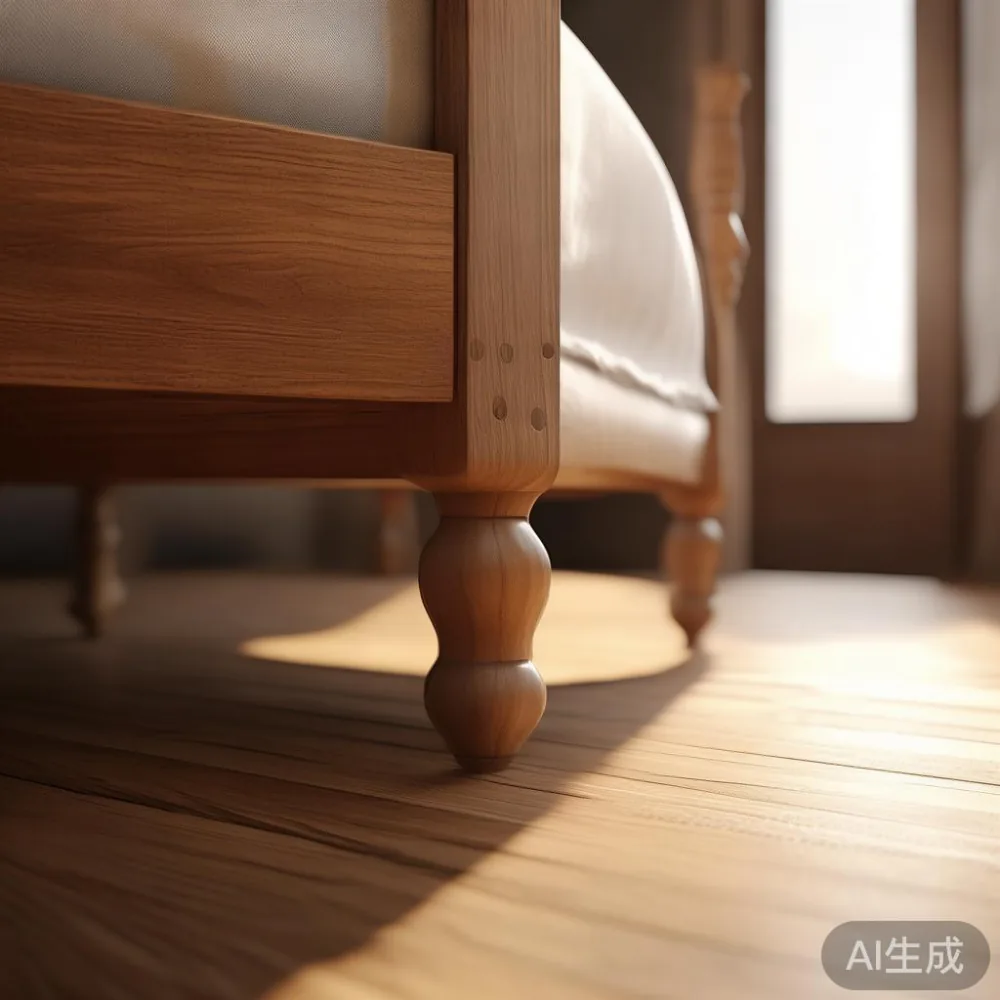
While the upholstery provides the immediate visual and tactile experience, the wood finish is the soul of the sofa. It provides the structure, the stability, and a significant portion of the sofa's character. When you can't test the sofa in person, the quality of the wood finish becomes a primary indicator of the product quality. Look for detailed photographs of the legs, armrests, and any other wooden components. The finish should be smooth to the touch, with no visible bubbles, drips, or uneven colouration.
A high-quality wood finish is not just about aesthetics; it's about durability. A well-applied lacquer or oil finish protects the wood from scratches, moisture, and the daily wear and tear of a Singaporean home. This protective layer is what allows the wood's natural grain to shine through for years to come. When you evaluate a sofa, consider how its wood finish will complement other wooden elements in your space, such as your dining table or a marble table. A cohesive wood finish can tie a room together, creating a harmonious and intentional design. For those wondering how to style light luxury sofa in bedroom, the answer often lies in selecting a piece with a wood finish that echoes the tones of your bed frame or nightstand, creating a smooth transition between living and private spaces.
Understanding the Logistics: Delivery, Warranty, and Returns
Purchasing a large piece of furniture online comes with a unique set of logistical challenges. Understanding the seller's policies is as important as understanding the product itself. Inquire about delivery timelines and costs. A reputable company will provide clear information on shipping windows, which can range from 7 to 21 days depending on your location in Singapore. For example, delivery to a condo in Punggol might take a different amount of time than one to an HDB in Tampines. Ask if the delivery includes white-glove service, which involves the assembly of the sofa in your home and the removal of all packaging.
The warranty is your safety net. A 10-year structural warranty is a strong indicator of a manufacturer's confidence in their product. This warranty should cover the frame, springs, and webbing, protecting you against defects. Also, inquire about policies like lifetime refinishing. This service allows you to have the sofa's wood finish restored if it becomes scratched or damaged over time, extending the life of your investment. Finally, check the return policy. A 14-day return period gives you a window to inspect the sofa upon delivery and ensure it meets your expectations and fits your space. Always confirm if return shipping is your responsibility or if it's covered by the seller.
Post-Modern for Dining Room? Let's Focus on the Living Room Sofa
While it's tempting to get distracted by other furniture trends, your focus here is the sofa. The principles of evaluating a sofa you cannot sit on are universal, whether you're drawn to a classic French design, a relaxed American style, or a sleek post-modern aesthetic. The core elements of a solid frame, quality upholstery, and a durable wood finish remain constant. A post-modern for dining room might feature bold shapes and unconventional materials, but a post-modern living room sofa will still need to be comfortable and well-built.
p>As you browse collections, perhaps on a site like m.midhill.co, keep your priorities clear. You are looking for a piece that will be both a functional part of your daily life and a beautiful element of your home's design. Consider how the sofa's style will interact with other pieces. For instance, if you are also looking for a new wardrobe, you might ask yourself, is light luxury wardrobe worth it for my storage needs? Similarly, if you are comparing bedroom furniture, you might debate the merits of a French bed vs Japandi bed for creating your ideal sleeping sanctuary. These are important questions, but for now, concentrate on the sofa. Ensure its form, function, and finish align perfectly with the realities of your Singaporean home.
What is the True Cost of a High-Quality Sofa?
When looking at the price tag of a sofa, it's easy to focus on the upfront cost in SGD. However, the true cost is a long-term calculation. A lower-priced sofa might seem like a bargain, but if it needs to be replaced in 3-5 years due to a sagging frame or worn-out upholstery, the annual cost becomes much higher. A higher-quality sofa, with its solid wood frame and premium materials, represents a better long-term investment.
Consider the cost of ownership. A well-made sofa with a durable wood finish will not need to be replaced frequently. Its timeless design means it won't look dated in a few years. Factor in the value of a 10-year warranty and a lifetime refinishing service; these features provide peace of mind and potentially save you money on repairs in the future. When you are tempted by a very low price, ask yourself what corners have been cut. Is the frame made from cheap wood? Is the foam of a low density? Is the wood finish a thin, easily damaged veneer? The answer to these questions often explains the price difference. For those seeking the best European wardrobe for 2026, the same logic applies: you are paying for craftsmanship, materials, and longevity, not just a brand name.