Caring for Lacquered Wood Furniture in Singapore’s Tropical Climate
Lacquered furniture can retain its crisp colour and smooth sheen in Singapore, but the combination of heat, humidity, ultraviolet light, salt air and frequent hand contact demands a deliberate care routine. This guide focuses on lacquered solid wood seating, storage and table surfaces for households in HDB flats and private condos across Tampines, Bedok, Punggol and the wider island. It explains how to clean the finish without flattening its lustre, where moisture becomes a genuine risk, and how owners of a solid wood sofa, bed frame, dining table, wardrobe or nightstand can protect their furniture over a 10-year structural life.
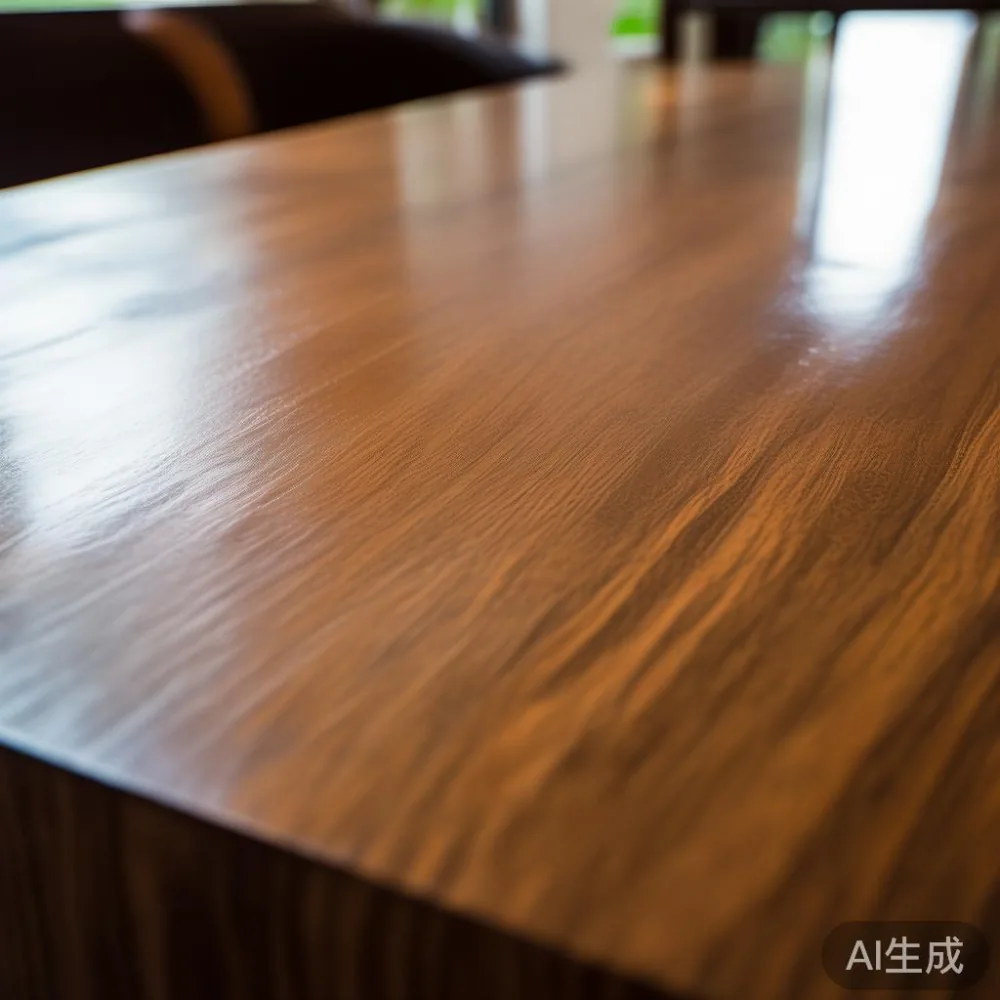
At MIDHILL, we treat lacquer as part of the furniture’s long-term wood finish rather than a disposable decorative layer. Our pieces are made for real use and backed by a 10-year structural warranty, with lifetime refinishing available for eligible orders. The objective is not a showroom-perfect surface at the expense of practicality. It is a well-maintained finish that can move comfortably between French light luxury, American light luxury and post-modern light luxury interiors.
Why Does Lacquer Behave Differently in a Tropical Climate?
Singapore’s climate makes furniture care more demanding than in many temperate locations. Outdoor temperatures commonly reach 31–34°C, relative humidity often remains around 70–85%, and condensation can form on cool surfaces in the early morning. A lacquered wardrobe near an air-conditioning vent may repeatedly cycle between roughly 18°C and 28°C within one day. A dining table beside a west-facing window can receive more than 500 lux of daylight for several hours, even when the room is shaded.
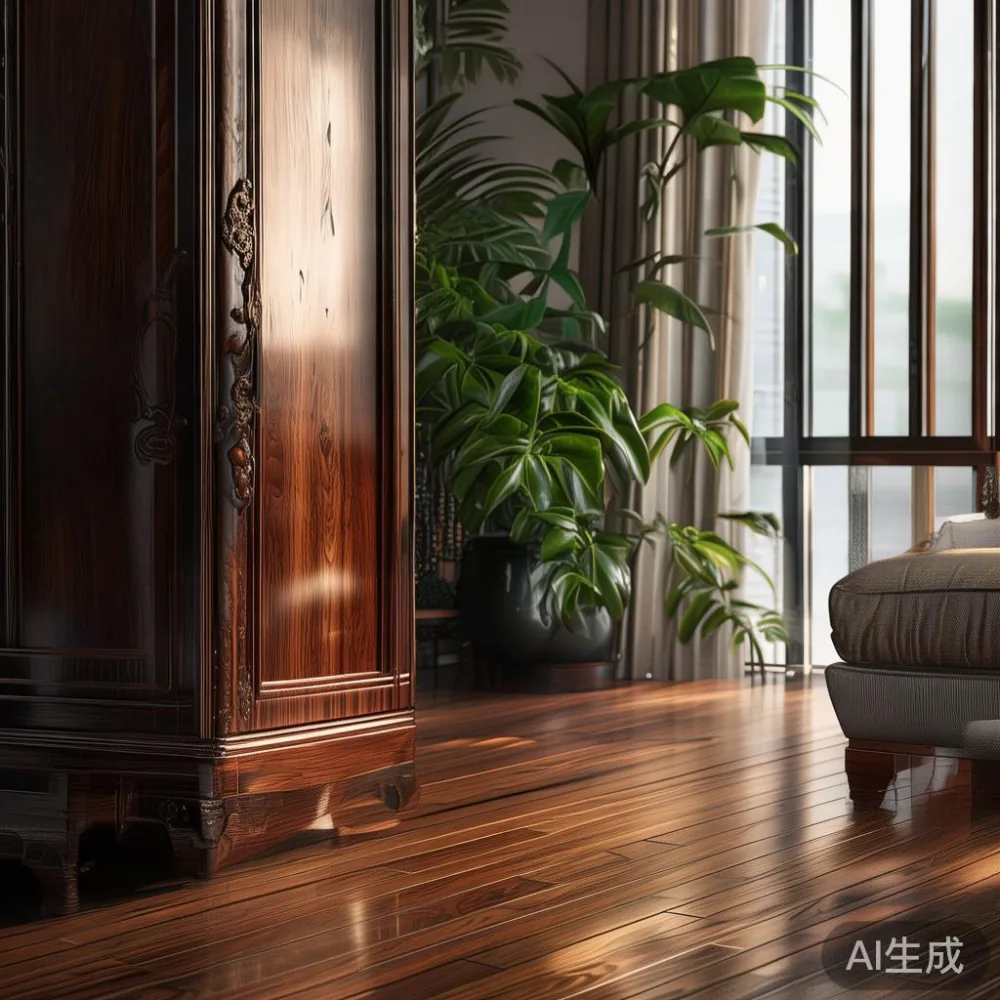
High-grade lacquer is a layered coating, usually built over a prepared substrate and cured under controlled conditions. It resists ordinary wiping better than untreated wood, but heat can soften the resin, ultraviolet radiation can fade pigments, and trapped moisture may cause the coating or adhesive interface to lose adhesion. Hairline marks also become more visible on dark, high-gloss finishes because they reflect overhead lights at a sharp angle.
These effects do not mean a lacquered piece will fail suddenly. They mean that the care method should change according to location. Treat a powder room cabinet, a bedroom nightstand and a balcony dining table as three separate environments rather than applying one universal formula.
What Surfaces and Furniture Need the Most Attention?
Horizontal surfaces collect the greatest mixture of dust, condensation, cooking vapour and sunscreen. Pay particular attention to a dining table, coffee table, marble table with a lacquered timber base, desk or bedside surface. Wipe spills promptly, especially around a glass of water or a bowl of ice. Liquid should not remain for more than about 10 minutes.
Vertical storage surfaces present another risk. In a wardrobe, heat may circulate poorly along the sides, and clothing can rub against a lacquered door during daily use. Check drawer runners and moving parts every 6 months, and keep the wardrobe’s internal humidity between 45% and 65% where possible. A digital hygrometer placed at mid-height in the main bedroom is more informative than a reading from a bathroom or kitchen.
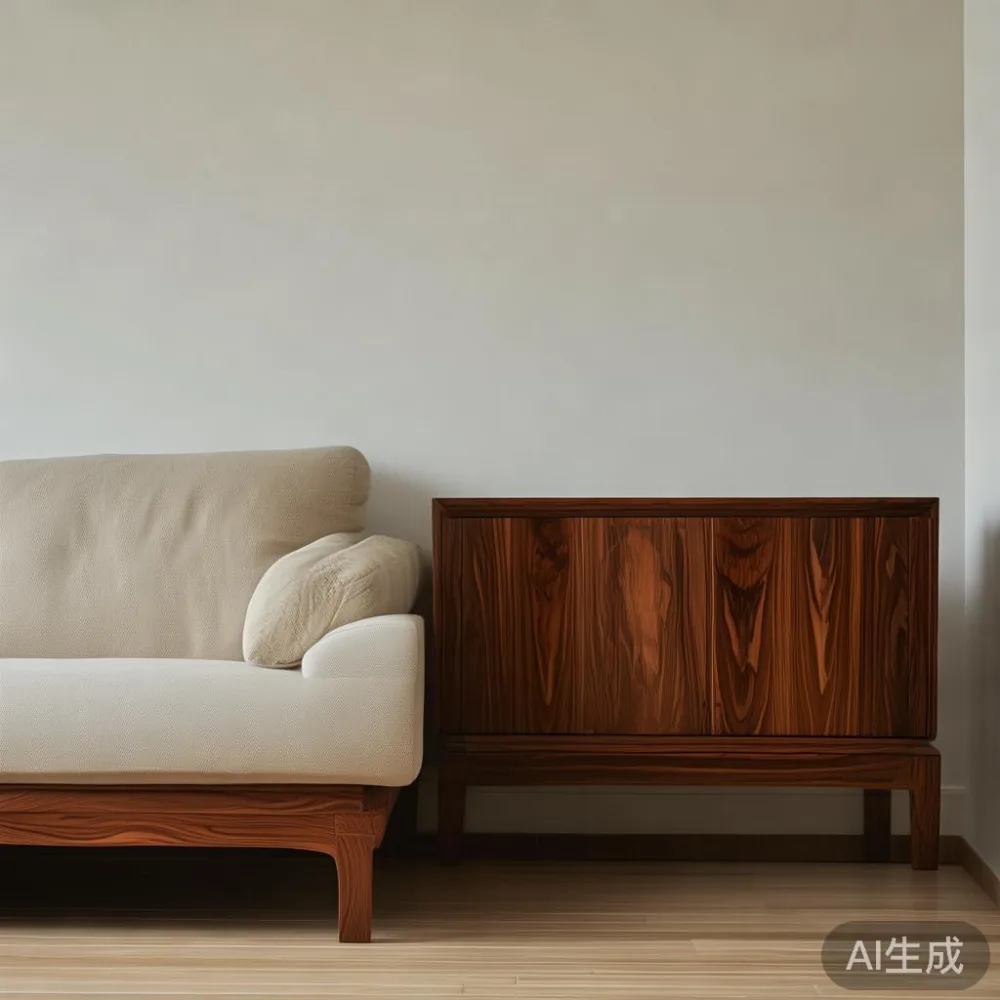
Upholstery has a different care regime. A solid wood sofa should be dusted with a soft brush, while its cushions and loose covers should be vacuumed monthly. Do not spray cleaner directly onto the textile. Test any upholstery product on a hidden 5 cm area and leave it for 24 hours. This approach is compatible with French light luxury styling, where polished timber and pale textiles sit beside carefully controlled accessories.
For broader design planning, collections described as modern French provincial furniture, Rustic for dining room layouts, top 10 Japandi furniture arrangements or top 10 light luxury furniture references can introduce strong finishes. The same care principles still apply: stable placement, restrained cleaning and protection from standing water.
What Is the Safest Way to Clean a Lacquered Wood Finish?
Begin by removing loose dust with a dry microfibre cloth or a soft natural-hair brush. Dust the top, sides and underside in the same direction. A second cloth lightly dampened with plain water can remove residue, but it should not form visible beads. Wring it until only a trace of moisture remains.
For marks, use a separate white microfibre cloth with a few drops of mild pH-neutral dish soap diluted in 500 ml of water. Apply the solution to the cloth rather than the furniture, then wipe along the grain or across the lacquer film. Follow with a clean, barely damp cloth and then a dry cloth. Avoid abrasive pads, steel wool, scouring powder and conventional ammonia cleaners. A 3 cm-wide sponge pad can help with stubborn sticky residue only if it is soft and used with minimal pressure.
Cleaning frequency should reflect use. Dust high surfaces weekly, wipe a frequently touched nightstand every 7–14 days, and clean a busy dining table after meals. A wardrobe exterior can usually be wiped every 2–4 weeks. Use cotton gloves when handling records, glassware or oily food containers; they reduce repeated fingerprints more effectively than repeated chemical cleaning.
Cleaning agents advertised for a generic wood finish may contain alcohol, solvents or silicone. Those ingredients can haze a cured lacquer or leave a patchy film. If a proprietary cleaner is used, request its pH and solvent content, test it on a concealed area and allow 72 hours before judging the result.
How Should I Control Heat, Humidity and Sunlight?
Place lacquered furniture at least 30 cm away from a window if direct afternoon sun reaches the surface. Use a sheer curtain with a visible light transmittance of 40–60% or apply a film that blocks at least 99% of ultraviolet light. Venetian blinds are useful in bedrooms where residents prefer adjustable shade, while a lined curtain offers a more decorative result suitable to a condo living room.
Keep the cabinet air gap intact. Allow 5–8 cm behind a freestanding wardrobe where ventilation is possible, subject to the manufacturer’s installation instructions. Do not push furniture tightly against exterior walls, especially on the north side of an HDB flat where wall temperatures can be lower and condensation more likely. Maintain indoor relative humidity at 45–65% with a dehumidifier when readings exceed 65% for several hours.
Air-conditioning helps control both heat and moisture, but aim for a stable setting rather than repeated cycling between 19°C and 26°C. A 25°C room temperature and 55% relative humidity provide a practical baseline. In Bedok and Tampines, afternoon sun can be intense enough to warm a dark lacquered surface by 8–12°C above the room reading. Moving a chair or sideboard out of that path is more effective than trying to polish away the resulting sheen.
For homes near the coast or open balconies, salt deposits should be removed with a fresh damp cloth before they become granular. Keep balcony doors closed during rain showers and dry exterior surfaces within 30 minutes. Furniture intended for genuine outdoor exposure should have a separate outdoor-rated specification; indoor lacquer is not automatically suitable for permanent weather exposure.
Can Minor Scratches and Marks Be Removed Without Damaging the Lacquer?
Small superficial scratches can often be made less visible, but the correct treatment depends on whether the mark sits only in the clear coat or reaches the colour layer. Use a clean, soft cloth and a lacquer-safe polishing product supplied or approved by the furniture maker. Apply less than the size of a 5 mm coin, work in a 10 cm circle and stop after 10–15 seconds. Excess pressure can create a dull patch that is harder to repair.
Do not test nail polish, cigarette lighter fluid, baking soda, toothpaste or diluted vinegar directly on the panel. Although some online guides recommend household ingredients, they may attack the clear coat or leave residue around the grain. Coffee, tea and red wine are abrasive pigments rather than neutral stains; blot them immediately rather than scrubbing.
I tested this method last month during a visit to a colleague’s three-bedroom condo in Punggol. A dark wood-finish sideboard stood in the filtered afternoon light and had developed 4 fine scuffs near a frequently handled drawer. After confirming the finish with the supplier, we used a white cloth and approved polishing compound. Two light passes reduced visibility without flattening the sheen, while a nearby bed frame and nightstand provided a useful comparison. The important result was not a dramatic repair but a controlled process that avoided solvent damage.
Deep scratches, lifting edges, blistering or a white haze usually indicate a more serious coating problem. Photograph the area in daylight, measure the affected zone and contact the manufacturer. MIDHILL offers lifetime refinishing for eligible pieces, which is a better route than filling a 12 cm damaged panel with colour.
How Do Lift and Corridor Dimensions Affect Furniture Delivery and Setup?
Care planning begins before a large lacquered piece reaches the flat. HDB lift doors in many older blocks measure approximately 90 cm wide and 200 cm deep, although internal dimensions and service lift access vary. Modern lift lobbies may provide closer to 120–150 cm of turning clearance. A 200 cm dining table can enter a lift diagonally, but its legs must be detachable and its packed width must remain below the lift’s certified capacity, often around 300–600 kg.
For a solid wood bed frame, compare the packed carton with the lift’s door width and the landing. If the carton exceeds 200 cm, an L-shaped manoeuvre may be necessary. Confirm that the frame’s longest component fits the landing without removing door hardware. For a wardrobe, check both the lift and corridor width; a 60 cm-deep cabinet may fit the lift but turn poorly in a 90 cm corridor beside a fire hose reel.
Singapore delivery pricing should be shown in SGD, including GST where applicable. At MIDHILL, free shipping applies to qualifying orders over US$350, equivalent to about SGD 465 before exchange-rate or card-conversion differences. The stated currency may still be processed in US dollars, so customers should confirm the final SGD amount at checkout. Typical delivery can require 14–30 days after production, with longer lead times during major holidays.
Customers may compare listings for cheap Italian light luxury furniture, for sale Rustic furniture or an item marked Wuhan Lingzhan, but the origin label alone does not reveal how a lacquer finish behaves or whether replacement parts are available. Ask for care instructions, finish composition, coating thickness, moisture guidance and a written warranty. MIDHILL was established in 2008 and exports to more than 15 countries, which supports a cross-region repair network, although each order remains subject to the stated terms.
How Often Should I Inspect a Lacquered Wardrobe, Bed Frame or Dining Table?
Create a simple 3-month inspection routine. Check the top of the dining table for whitening, the wardrobe for moving sounds and gaps, and the bed frame for joint movement or a finish that has dulled through repeated contact. Use a clean paper towel after wiping the surface; a coloured mark that transfers is more likely to be loose dust than embedded lacquer failure.
Inspect beneath table runners and coasters because trapped grit can abrade the surface. Replace felt pads every 12 months. Use circular coasters at least 5 cm in diameter and avoid placing a very hot pan directly on lacquer; a 70°C serving dish can soften some clear coats. Trivets should sit fully beneath hot vessels, not partly over the edge.
For a marble table, separate the two maintenance systems. Clean the stone with a stone-safe product and never use vinegar on marble. Clean the lacquered timber base independently with a barely damp cloth. If the marble is glossy, water marks can be mistaken for damage to the wood finish, so identify the material before applying any treatment.
Review the 14-day return window carefully for visible finish issues, but photograph all sides immediately after delivery. Record the furniture’s location, nearby windows, air-conditioner settings and any existing marks. Send timestamped images in daylight and under normal room lighting. This evidence helps distinguish a manufacturing blemish from heat damage or ordinary wear.
What Routine Is Practical for Busy Singapore Homes?
A sustainable routine needs only a few minutes each week. Keep 2 microfibre cloths, 1 soft brush, a small pH-neutral soap bottle and a hygrometer near the cleaning cupboard. The brush reaches narrow gaps around a bed frame; one cloth handles dust; the other handles damp cleaning. Never wash microfibre with fabric softener because the residue can increase surface attraction.
Place trays and coasters rather than relying on repeated polishing. Use a solid wood sofa with loose covers where children are likely to handle the arms, and keep a nightstand clear of humidifiers. If a wardrobe is directly beside an open bathroom, check its side panel monthly for dampness during monsoon periods. Moving it 10–15 cm away from the bathroom partition can reduce exposure.
Light-luxury care should feel calm and systematic, not fussy. A carefully wiped solid wood dining table, an immaculate bed frame and a protected wardrobe can support a modern French provincial or post-modern light luxury room for many years. The finish will still show the character of use, which is appropriate for genuine timber furniture, but controlled humidity, limited ultraviolet exposure and prompt spill removal will prevent avoidable deterioration.
MIDHILL designs lacquered furniture around practical ownership, including a 10-year structural warranty and lifetime refinishing on eligible pieces. Maintain stable indoor conditions, clean gently and document any new mark within 24 hours. A lacquered surface in Singapore’s climate should look cared for rather than sealed away: used regularly, protected intelligently and maintained according to a realistic schedule.