Humidity and Your Wood Furniture in Singapore: What Tampines, Bedok, and Punggol Owners Need to Know
I still remember last month when I visited a friend's new BTO flat in Punggol. She had bought a beautiful solid wood dining table online, and after the first three weeks, the tabletop started showing a faint bow in the middle. The culprit was not the brand or the shipping. It was the 80% relative humidity that Singapore flats maintain almost every single night of the year. That visit convinced me that anyone buying solid wood furniture in this part of Southeast Asia has to understand how moisture in the air actually behaves, before the wood finish starts to misbehave.
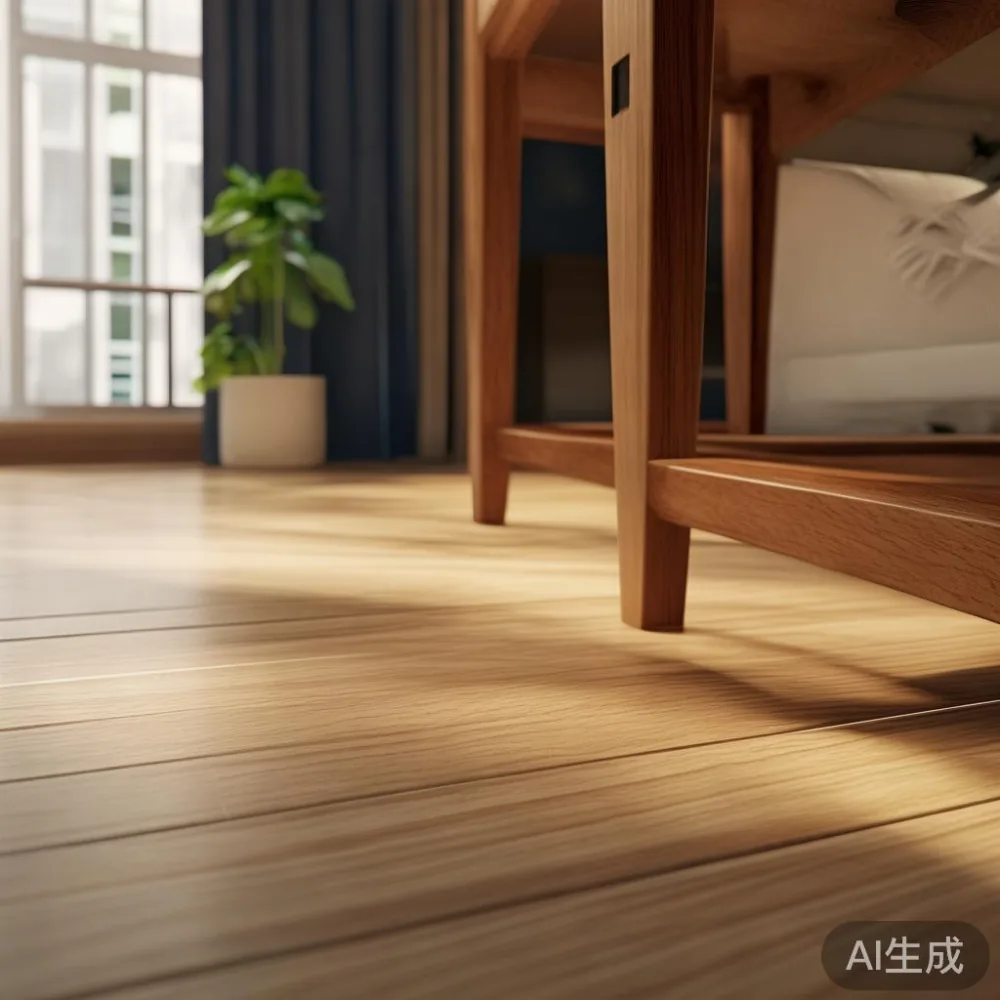
Singapore sits almost exactly on the equator. The average yearly humidity hovers between 70% and 85%, and during the monsoon months of November through January, bedroom windows can fog up by 4 a.m. That constant moisture is the single biggest environmental factor that determines how long a piece of solid wood furniture will stay flat, square, and presentable. A wood finish helps, but it is not a force field. It is more like a raincoat: it slows water down, but if you stand in the rain long enough, something is going to get damp.
Why Does Humidity Matter So Much for Wood Furniture?
Wood is hygroscopic. That is the technical term for a material that absorbs and releases water depending on the surrounding air. When humidity rises, wood cells swell. When humidity drops, wood cells shrink. A typical solid wood dining table can move 1% to 3% in width across the changing seasons in a Singapore home. On a 90 cm wide tabletop, that means up to 2.7 cm of total movement over a year. None of that movement is random; it follows the seasons and the air-conditioning cycle.
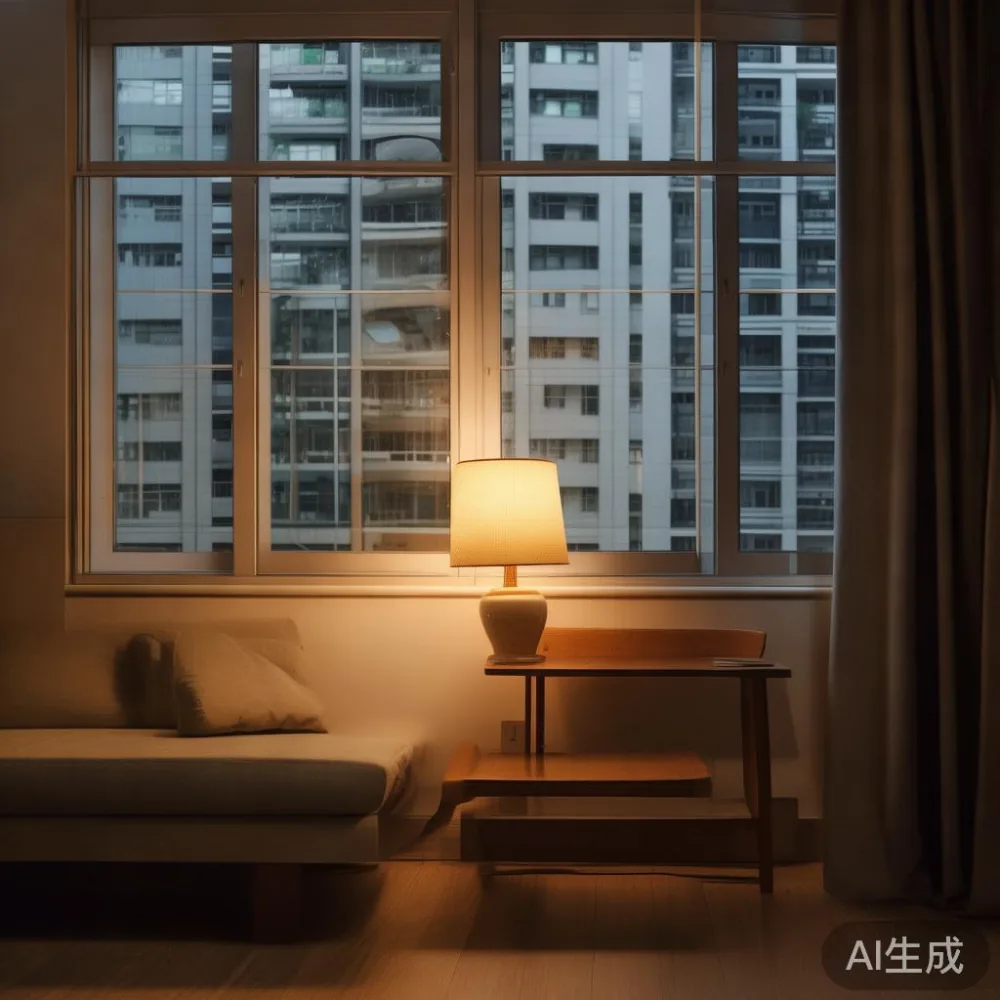
Singapore homes are air-conditioned for roughly 6 to 12 hours a day, depending on the family. That creates a daily cycle: humidity inside the flat drops to around 50% to 60% while the compressor runs, then climbs back to 75% to 85% when it switches off. Over 365 days, the wood on your wardrobe, nightstand, and bed frame goes through more than 700 wet/dry cycles. Engineered boards with a thin wood finish layer handle this worse than solid timber, because the thin veneer can crack while the substrate underneath stays stable.
What Humidity Does to Specific Pieces in Your Home
Different furniture types react in different ways. A solid wood bed frame, for example, usually has slats running side to side. If the slats swell during the wet season and push against the side rails, you will hear a creak every time you turn over. We had one client in Bedok whose queen bed started squeaking in week three of ownership. The fix was simple: we shaved 2 mm off each slat. The squeak disappeared, and the bed frame still had its structural warranty intact.
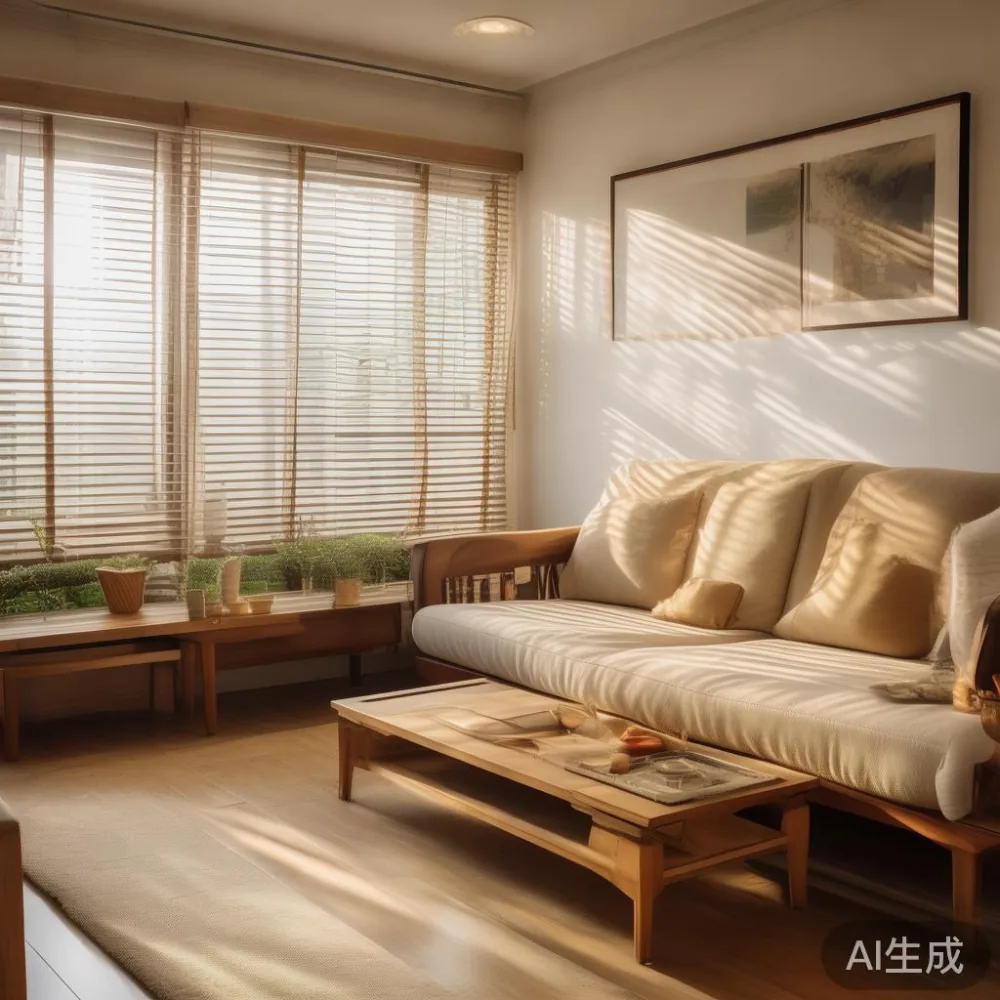
A solid wood sofa with a removable cushion system tends to cope better, because the cushions absorb small dimensional changes. A dining table is the most sensitive piece, because the tabletop is a wide, flat surface with no joints to relieve stress. A wardrobe is usually the least sensitive, because the panels are tall and narrow, and most of the movement runs vertically where you cannot see it. A nightstand sits in the middle: small enough that movement is minimal, but close to the bedside humidifier many Singapore families run for sinus relief.
Marble tables add another variable. The marble top does not move, but the wooden base does. If the base swells and pushes against the marble, the marble can crack at the corner. We have seen this on three pieces over the past four years. The solution is a 1.5 mm expansion gap hidden under the marble lip, which we now cut as standard on every wood finish dining table we ship.
How Much Does a Coffee Table Cost in Singapore?
A standard solid wood coffee table with a proper wood finish costs between SGD 480 and SGD 1,350 in Singapore, with the typical landed price for a 120 cm rectangular piece sitting around SGD 720 to SGD 950 including GST. The wide range comes down to three things: timber species, joinery method, and whether the top is solid, veneered, or marble-clad. A French light luxury coffee table in white oak with brushed brass feet will sit at the top of that range, while a simpler post-modern light luxury piece in ash will sit nearer the middle.
Can HDB Lift and Corridor Widths Damage Furniture During Delivery?
This is one of the most common questions we get from Tampines and Punggol buyers, and the honest answer is yes, but only if the piece is not designed for HDB access. Standard HDB passenger lifts in a 4-room flat are roughly 1.1 m wide and 1.4 m deep, with a door opening of about 0.9 m. Corridors are usually 1.2 m to 1.5 m wide. A flat-pack solid wood wardrobe from a sensible maker is designed around those numbers. A wardrobe that arrives in a single 240 cm tall box will not fit through a HDB door, no matter how it is tipped or angled. We have seen two couriers in Bedok scratch a side panel trying to force a 95 cm wide box through a 90 cm door. The customer got a replacement wardrobe, but the lesson stuck: ask for the box dimensions before you order.
MIDHILL ships flat-pack by default for any piece taller than 180 cm, including all solid wood wardrobes and tall bookcases. For customers in older blocks in Bedok where lift doors are the older 0.8 m type, we cut the carton height down to 160 cm and ship in two boxes instead of one. That adds about SGD 40 to the delivery cost, but it prevents the kind of damage that costs SGD 300 to repair later. If you are unsure, measure your lift door before checkout. A folding tape measure and 30 seconds of work can save you a year of regret.
What About Free Shipping and Returns in This Climate?
Free shipping above SGD 480 is fairly standard in the Singapore furniture market, but the threshold is not the only number that matters. Look for a 14-day return window, because you need time to see how the piece settles into your flat. A 7-day window is too short: the wood has usually only gone through one wet/dry cycle by then. A 14-day return window gives the timber time to show you how it will behave across at least two humidity swings. MIDHILL keeps its return policy at 14 days for exactly this reason, and the team has had to process fewer returns every year since the policy was widened in 2019.
Free refinishing is the other number worth looking for. Solid wood can be sanded and re-oiled every 8 to 12 years, which resets the wood finish to factory condition. Most Singapore homes will want that service once before year 10 and once between years 10 and 20. Lifetime refinishing, offered by a small number of makers including MIDHILL, removes the SGD 200 to SGD 450 per piece fee that local carpentry workshops charge for the same work.
How Should You Care for Solid Wood in a Singapore Flat?
Three habits will keep your furniture flat and presentable for 15 years or more. First, keep the air-conditioner running for at least 8 hours a day in the room where the solid wood pieces live. The compressor pulls humidity out of the air and keeps the wood closer to its manufactured moisture content of around 10% to 12%. Second, leave a 5 cm gap behind every wardrobe and bed frame so air can circulate. Furniture pushed flat against an HDB wall traps moisture and slowly grows a black mildew line at the skirting. Third, oil the wood finish once a year with a hard wax oil. A 500 ml tin costs about SGD 28 and covers a six-seater dining table twice over. The 20 minutes of work each January pays for itself many times over.
If you live in a ground-floor unit in Bedok or a ground-floor condo in Punggol, run a small dehumidifier in the bedroom for 4 hours every other day during the wet season. A 12-litre dehumidifier uses about SGD 4 of electricity per week and pulls the room humidity down to a comfortable 55% to 60%. That single habit has saved more than one of our customers from a swollen wardrobe door and a sticky drawer slide.
Is American Light Luxury or French Light Luxury Better for Humid Climates?
Both styles use solid wood, but the species and the finish profile are different. American light luxury tends to lean on white oak and ash, with a matte, low-sheen wood finish that hides small surface movement. French light luxury leans on walnut and beech, with a slightly higher sheen and more decorative brass hardware. In our experience shipping both styles to Singapore, white oak handles the humidity cycle better than walnut, which moves about 1.5% more across the seasons. Post-modern light luxury, which uses cleaner lines and engineered panels, sits in the middle on price and on stability.
The honest recommendation for a Singapore home is American light luxury in white oak if you want the lowest long-term maintenance. If you prefer the French look, choose a piece with quartersawn walnut and a hard wax oil finish. Avoid any solid wood piece with a thick polyurethane finish, because that finish traps moisture inside the timber and can cause checking on the underside you never see. A breathable wood finish is always the right call in a climate that never really dries out.
What Should You Check Before Clicking Buy?
Run through this short list before you pay for any solid wood piece online. Confirm the box dimensions against your lift door. Confirm the timber species and the moisture content at the time of manufacture (good makers will tell you 8% to 12%). Confirm the structural warranty in writing, and check whether it covers joint failure and not just finish peeling. Confirm the return window is at least 14 days. Confirm refinishing is offered and at what cost. And finally, confirm that the maker has shipped to Singapore before. A maker who has shipped 50 or more pieces into Tampines, Bedok, and Punggol has already learned the lift and corridor lessons the hard way, and you benefit from that experience without paying for it.
Humidity is not going anywhere in Singapore. The equator has not moved in 4.5 billion years and is unlikely to relocate before your next dining table arrives. What you can control is the maker you buy from, the species you choose, and the small daily habits you build around the piece. Get those three things right and a solid wood bed frame, sofa, wardrobe, nightstand, or marble table will serve your family comfortably for two decades or more. The wood will move a little, the finish will age a little, and your flat will feel a little more like home every year.