Caring for Lacquered Wood in a Tropical Climate: A Practical Guide
In the sun-drenched corridors of a Tampines HDB or the airy living rooms of a Punggol condo, the challenge of maintaining furniture beauty is real. Singapore's tropical climate, with its year-round humidity levels averaging 80% and temperatures hovering around 30°C, presents a unique test for wood finishes, especially the delicate sheen of lacquer. A stunning solid wood dining table or a pristine European light luxury dressing table can lose its lustre without proper care. This guide provides a detailed, practical approach to preserving your lacquered surfaces, ensuring they remain a centrepiece of your home for years to come.
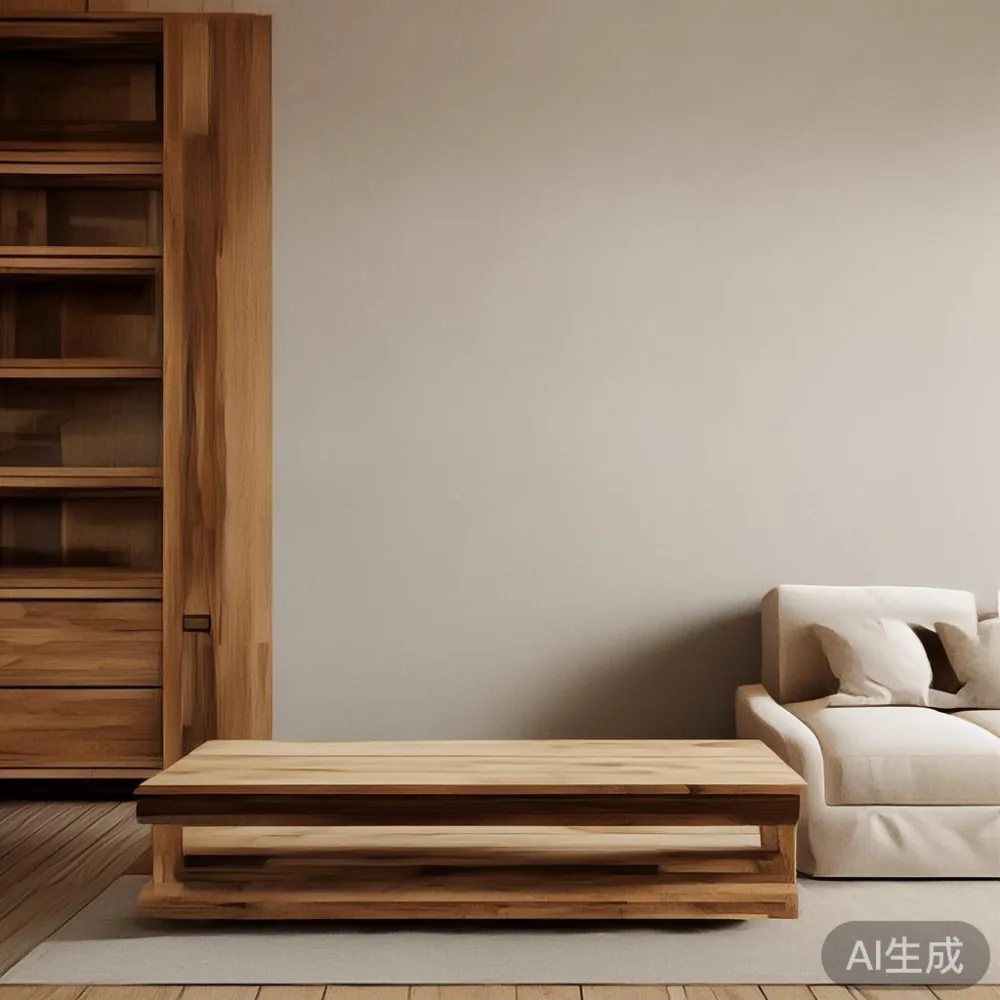
Why Does Singapore's Climate Affect Lacquered Furniture?
Lacquer is a beautiful, high-gloss finish that creates a hard, protective layer over the wood. However, this very quality makes it sensitive to environmental changes. In Singapore, the constant high humidity causes the wood beneath the lacquer to absorb moisture. This expansion and contraction movement can put stress on the rigid lacquer layer. Over time, this stress may lead to small, hairline cracks in the finish, a phenomenon known as crazing. Similarly, sudden temperature shifts from an air-conditioned room to the humid outdoors can cause condensation to form on the cooler surface, potentially leaving water spots. Understanding this dynamic is the first step in preventative care. For instance, a solid wood sofa placed near a window in a Bedok flat might experience more direct sunlight and temperature fluctuation than one in a more centrally located living room.
How Often Should I Clean My Lacquered Furniture?
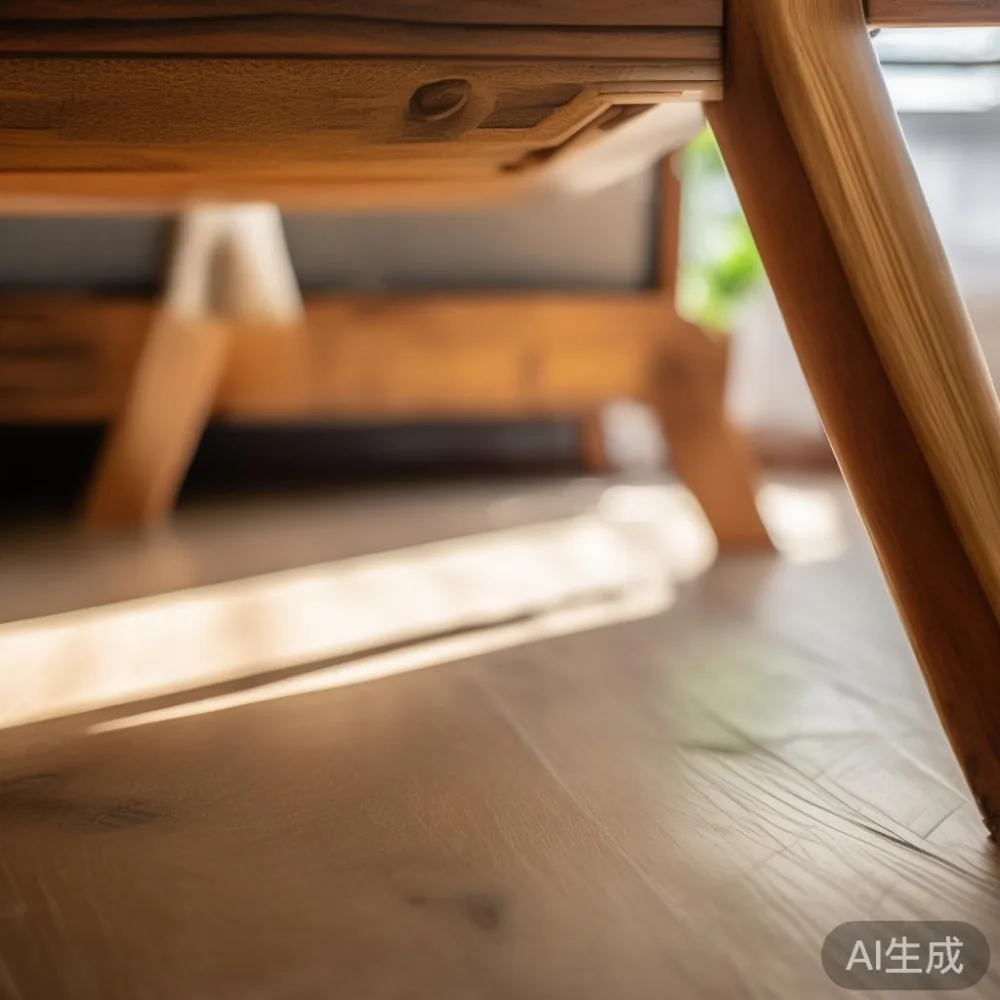
Regular, gentle cleaning is the most effective preventative measure. The frequency depends on your home's environment. For a typical Singaporean apartment, a light dusting every 2-3 days is sufficient. A more thorough cleaning should be performed every 1-2 weeks. The process is simple and requires only two tools: a soft, lint-free microfiber cloth and a second cloth for drying. Avoid using feather dusters, as their quills can scratch the surface. For routine cleaning, simply wipe the furniture with a dry or slightly damp microfiber cloth. Follow immediately with a dry cloth to remove any moisture and buff the surface to its natural shine. This simple 2-step process, taking no more than 5 minutes per piece, is enough to prevent dust buildup and maintain the wood finish's integrity.
What Cleaning Products Should I Absolutely Avoid?
The wrong cleaning product can permanently damage a lacquered surface. Never use harsh chemicals, including all-purpose sprays, ammonia-based window cleaners, or abrasive scouring powders. These chemicals can strip away the lacquer's protective top coat, leaving it dull and cloudy. Similarly, avoid oil-based furniture polishes or silicone-based sprays. While they may provide a temporary shine, they create a filmy buildup over time that attracts more dust and can be difficult to remove without professional cleaning. Water is generally acceptable for quick wipes, but never let it pool or sit on the surface. For a spill, blot it immediately with a dry cloth. Remember, a lacquered surface is like fine porcelain; it needs gentle care. My colleague recently shared a story about a client who used a popular all-purpose cleaner on their new MIDHILL French provincial sofa, resulting in a permanent patchy finish that required professional refinishing—a costly mistake easily avoided.
Can I Use a DIY Polish for My Lacquered Table?
While many homeowners search for natural cleaning solutions, DIY polishes can be risky for lacquered surfaces. A common mixture of olive oil and vinegar, for example, is a disaster waiting to happen. The oil will leave a greasy film that is impossible to remove completely, and the acidity of the vinegar can etch the lacquer. The safest approach is to stick with a dry or slightly damp microfiber cloth. If you feel a product is necessary, invest in a high-quality polish specifically formulated for lacquer or high-gloss finishes. Apply a tiny amount, no more than a 5-cent coin size, onto a soft cloth and work it into the wood finish in a circular motion. Buff thoroughly to remove any excess. For a marble table top paired with a lacquered base, be even more cautious, as marble is sensitive to acidic substances. Always test any new product on a small, inconspicuous area, like the underside of a nightstand, first.
How Do I Prevent Sun Damage in a Bright Singaporean Apartment?
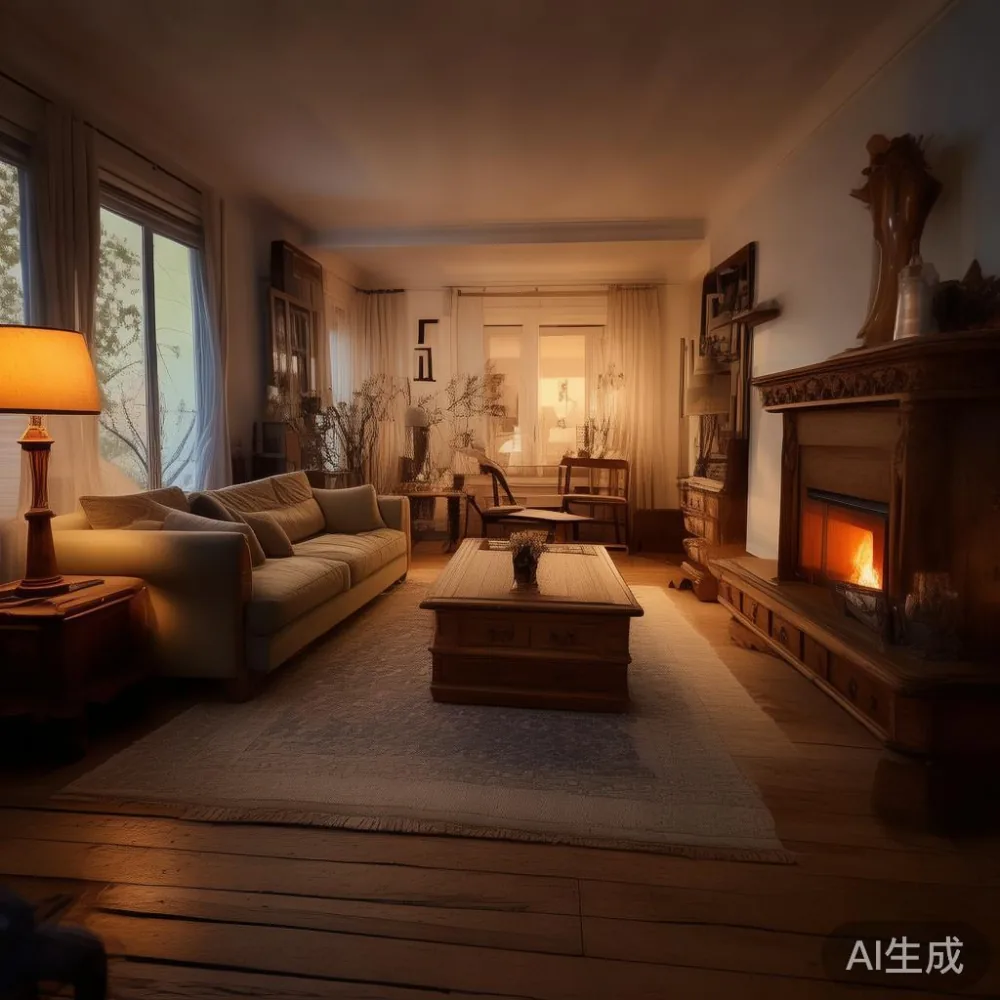
Singapore's intense sunlight is another enemy of lacquer. Prolonged exposure can cause the finish to fade and turn yellow over time, a process known as photo-degradation. This is particularly relevant for those living in high-rise condos with large, unobstructed windows. To protect your furniture, especially a light-coloured European light luxury bed or a Post-modern for dining room set, position it away from direct sunlight. If a piece must be near a window, install UV-protective film on the glass. This film can block up to 99% of harmful UV rays without significantly reducing the amount of visible light entering your home. It's a worthwhile investment, typically costing between SGD 80 and SGD 150 per window for a standard HDB-sized window (approximately 120cm x 120cm). For an extra layer of protection, consider using sheer curtains that can be drawn during the sunniest parts of the day, typically from 11 AM to 3 PM.
What is the Correct Way to Deal with Heat Marks on Lacquer?
Heat marks, or white rings, are a common problem caused by placing hot items directly on a lacquered surface. The heat melts the finish, creating a cloudy spot. To remove a fresh heat mark, try the following method: apply a small amount of mayonnaise (not the low-fat kind) or non-gel toothpaste to the mark. Let it sit for a few hours, as the oils in the mayonnaise or the mild abrasives in the toothpaste can help re-buff the damaged area. Wipe away thoroughly with a clean, dry cloth. For older, more stubborn marks, this method may not work. Attempting to sand or refinish the area yourself is not recommended, as it is easy to create a larger, more visible problem. Professional repair is the safest option. A specialist can often sand down the affected area and re-apply a matching layer of lacquer, restoring the surface to its original condition. The cost for such a repair on a dining table can range from SGD 150 to SGD 300, depending on the size and severity of the damage.
Is Professional Refinishing Really a Lifetime Service?
One of the most reassuring aspects of investing in quality furniture is the availability of refinishing services. Many reputable brands, including some established makers since 2008, offer a lifetime refinishing warranty. This promise means that if the wood finish on your piece becomes worn or damaged beyond normal repair, a professional can sand it down to the bare wood and apply a brand new, high-quality lacquer finish. This process in effect restores the piece to its original condition, or even better, allowing you to change the colour if you wish. For example, a dark-stained solid wood bed frame can be refinished in a light, natural oak or a bold black. The process typically takes 3 to 4 weeks, as the wood needs time to acclimate to the workshop's humidity levels before being finished. This service is a proof of the longevity of solid wood furniture and provides peace of mind, knowing your investment is protected for decades. It’s a key consideration when choosing how to style light luxury bed in apartment settings, as the ability to refresh the look is a significant advantage.
How Do I Choose the Right Furniture for My Humid Singapore Home?
When selecting new furniture, especially for a new apartment in Punggol or a condo in Tampines, the choice of wood finish is paramount. Solid wood is always preferable to veneers or engineered wood, as it is more stable and can better withstand the effects of humidity. Look for pieces constructed with mortise and tenon joints or dovetail joints, as these are stronger and more resistant to warping than simple glued or nailed joints. The type of lacquer also matters. A high-quality, multi-layered catalyzed lacquer offers superior durability and water resistance compared to a basic nitrocellulose lacquer. For those who appreciate a specific aesthetic, a European light luxury for apartment style often features clean lines and fine craftsmanship, with a wood finish that is both beautiful and resilient. The delivery process is also smooth; for orders over SGD 500, free shipping is available, and pieces typically arrive within 7 to 10 business days. For any inquiries, you can contact the support team directly at +86 188 2788 2512.