Singapore Sofa Shopping Guide
For many Singaporeans, the search for the perfect sofa begins and ends in a showroom. The tactile pleasure of sinking into a plush cushion, the supportive feel of the backrest, the cool touch of a solid wood armrest—these are the experiences that guide our decision. But what happens when the sofa you desire is in another city, another country, or exists only in a digital catalog? The challenge of buying a sofa you cannot physically sit on is a common one, especially for those living in our compact HDB flats and condominiums in areas like Tampines, Bedok, and Punggol. This guide will walk you through the critical checks to ensure your online purchase, whether it's a light luxury sofa or a solid wood sofa, is the perfect fit for your home and lifestyle.
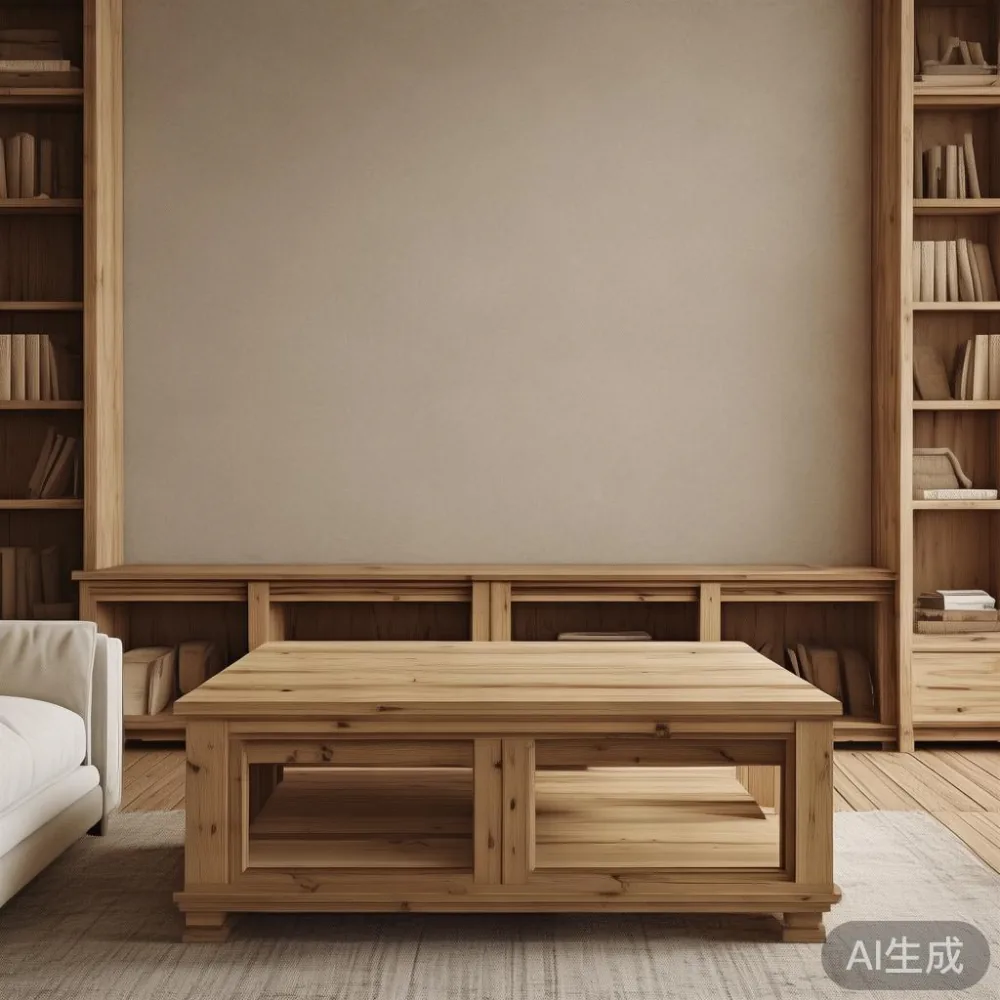
Why Can't I Sit on My Dream Sofa?
The reasons are as varied as the furniture itself. You might be browsing an international brand's website that doesn't have a physical presence in Singapore. Perhaps you've found a piece from a local artisan whose workshop is in Johor Bahru. Or, you might be a fan of a specific style like French light luxury, which is more common in design magazines than in local showrooms. The rise of e-commerce has made the world of furniture accessible, but it also requires a more discerning eye. When you can't rely on your own body to test the comfort, you must shift your focus to objective measurements, material specifications, and a clear understanding of your own space. This is where the art of informed purchasing begins, moving beyond impulse to a calculated decision.
What are the exact dimensions and weight of the sofa?
This is the single most important piece of information, and it requires more than just the length and width. For Singaporean homes, every centimeter counts. You need to know the exact depth of the seat from the front of the cushion to the backrest. A sofa that is 220 cm long might fit your living room, but if it has a seat depth of 65 cm, it could protrude dangerously into a narrow walkway, especially in older HDB units. The height is equally critical, particularly for those with low ceilings in Punggol modern apartments or for ensuring the sofa doesn't block a view from a window.
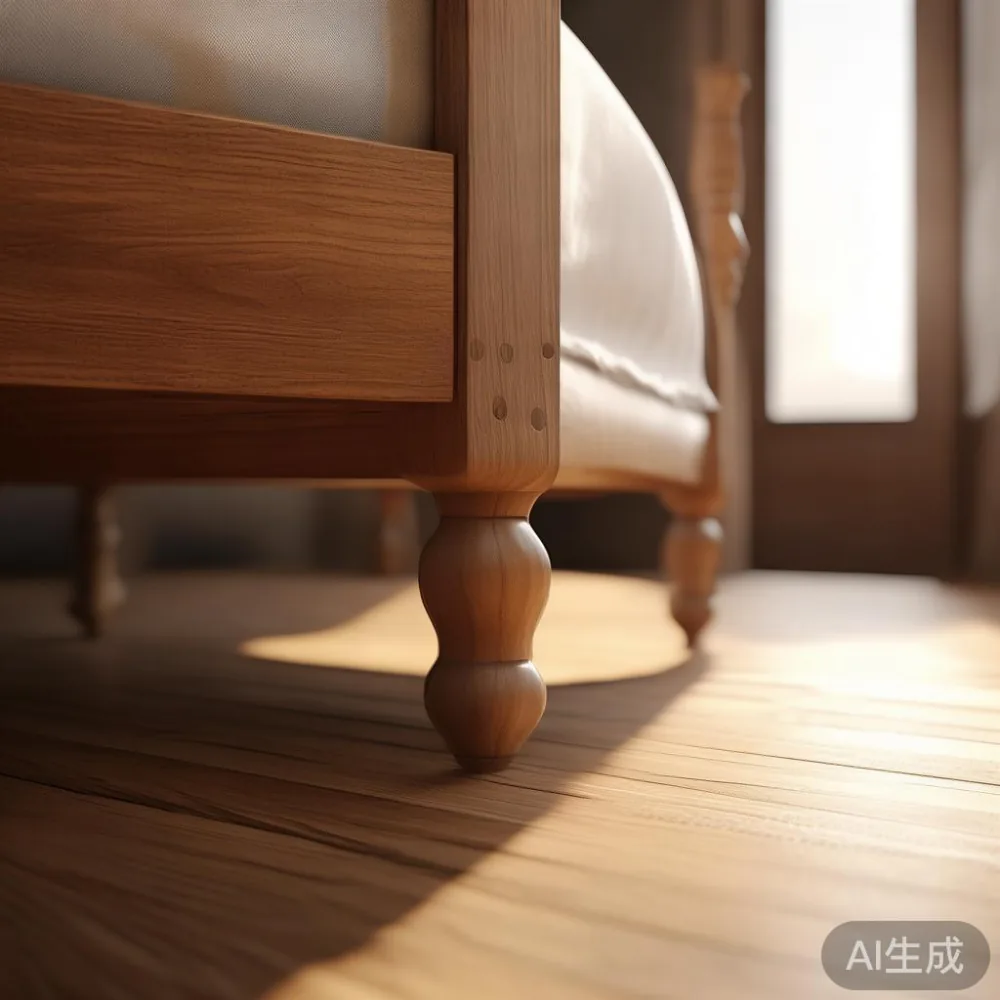
Do not forget the weight. A solid wood sofa, for instance, can weigh between 60 kg and 120 kg. A standard HDB lift has a load capacity of 250 kg. If you live on the 15th floor and your sofa weighs 100 kg, you need to account for the weight of the delivery personnel (two people, say 150 kg combined) and any other items. That brings the total to 250 kg, which is the absolute limit. It's wise to confirm the sofa's exact weight in kilograms and the lift's capacity with your town council. For those in condos with service lifts, the capacity might be higher, but the corridor width to your apartment door is the next hurdle to measure.
What material is the sofa frame and wood finish made from?
A sofa's longevity and structural integrity are determined by its frame, which is hidden from view but carries all the weight. Look for terms like 'solid wood frame', 'hardwood frame', or 'kiln-dried wood'. Kiln-drying is a process that removes moisture from the wood, making it less prone to warping or cracking in Singapore's humid climate. A frame made from rubberwood or oak is generally a good indicator of quality. Cheaper options might use particleboard or MDF (Medium-Density Fibreboard), which can sag over time under constant use. Ask about the joinery; corner blocks, dowels, and screws are signs of a stronger construction than just staples or glue.
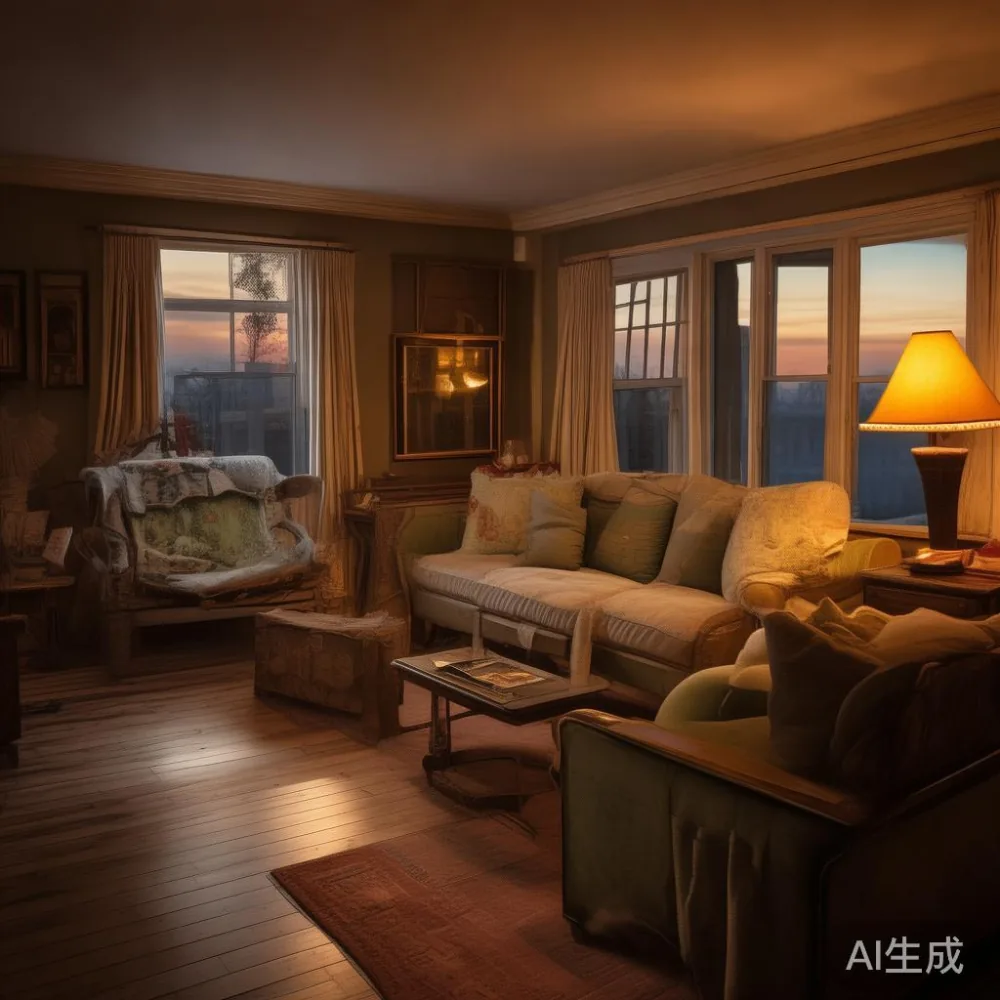
The visible wood finish is what gives the sofa its character and protects the material. This is where the term 'wood finish' becomes paramount. A high-quality wood finish should be smooth to the touch, with no rough patches or bubbles. It should also be resistant to everyday scuffs and moisture. For a French provincial for hotel look, you might expect a distressed, whitewashed finish, while an American light luxury style might favour a rich, dark walnut stain. Understanding the type of wood and the quality of its finish will tell you how well the piece will endure the Singaporean lifestyle, from air-conditioned living rooms to more humid environments.
How is the upholstery fabric constructed and rated?
Without sitting on it, the feel of the fabric is a gamble. However, you can make an educated guess by understanding its construction. Look for the thread count and the type of fibre. Cotton and linen are breathable but can wrinkle and stain easily. Wool is durable and luxurious but can be warm. Synthetic blends like polyester or microfibre are often more stain-resistant and easier to clean, making them practical for homes with children or pets. Ask about the Martindale rub test, a standard for measuring a fabric's durability. A count of 15,000 to 30,000 rubs is suitable for a domestic sofa, while anything over 100,000 is considered commercial grade and will last for many years.
Equally important is the cushion filling. High-density foam provides firm support, while memory foam contours to your body. A combination of foam and feathers offers a plush, sink-in feel but requires regular fluffing. The density of the foam is measured in kilograms per cubic meter (kg/m³). A density of around 30 kg/m³ is considered good for a sofa that will see regular use. Knowing these details allows you to visualise the sofa's comfort level and choose a filling that matches your preference, whether you're leaning towards a light luxury for bedroom feel in your master bedroom or a more relaxed vibe in your living room.
How will the sofa fit into my Singapore home?
This is where abstract measurements become a practical reality. Before you even think about clicking 'buy', grab a measuring tape. Measure the width of your apartment corridor, the internal dimensions of your lift, and the width of your main door. A common mistake is measuring only the door frame and forgetting that the sofa must also work through the turn in the corridor. The path from the lift to your apartment might have several tight corners, and you need to ensure the sofa can make the journey without damage.
Visualise the sofa in your space. Does it block airflow from your air-conditioning unit? Does it obstruct the TV or a window? Consider the scale of the room relative to the sofa. A large, imposing sofa can overwhelm a small HDB living room in Bedok, while a delicate-looking piece might get lost in a spacious condo in Tampines. Take photos of your empty room and use online tools or even simple paper cutouts to see how the sofa's dimensions would fit. This planning is important for creating a balanced and harmonious interior, whether you're aiming for a cohesive Post-modern for dining room aesthetic or a relaxed, light luxury living space.
What is the total cost, including all hidden fees?
The price tag on the website is rarely the final amount you pay. For purchases from overseas or even from sellers in Malaysia, you must factor in shipping costs. Free shipping over US$350 is a great offer, but always check the terms. Is it truly free, or does it only apply to certain shipping methods? A standard delivery might leave the sofa at your doorstep, while 'white glove' delivery, which includes assembly and placement, will cost extra.
Then there are taxes. The Goods and Services Tax (GST) in Singapore is 9%. This will be applied to the total value of the sofa plus any shipping and insurance costs if the item is imported. If you are buying from a local Singapore-based retailer, the listed price should already include GST. Always ask for a detailed, itemised invoice to see exactly what you are paying for. The last thing you want is a surprise bill of several hundred dollars that blows your budget. This financial clarity ensures that your dream sofa doesn't become a financial burden.
What is the warranty and return policy?
A reputable furniture maker stands behind its products. When buying a high-value item like a solid wood sofa or a marble table, the warranty is a key indicator of the manufacturer's confidence in their craftsmanship. Look for a warranty that covers structural defects for a substantial period, such as 10 years. A warranty that only covers the fabric for one year is less reassuring. The warranty should clearly state what is covered and what is considered normal wear and tear.
The return policy is your safety net. A 14-day return window is a standard and reasonable offer. Understand the conditions for returning an item. Is it possible? Will you be responsible for the return shipping costs, which could be very high for a large piece of furniture? A good policy might allow returns only for defective items, not simply because you've changed your mind. Knowing these terms in advance can save you from a significant headache. For instance, a company like midhill.co, which has been established since 2008 and exports to 15+ countries, would likely have a clear and customer-friendly warranty and return policy, reflecting their experience and commitment to service.
How can I see and feel the sofa before committing?
While you cannot sit on the specific sofa, you can often find similar models in person. If you are considering a French light luxury sofa, visit high-end furniture boutiques or hotel lobbies that feature such designs. Ask the sales staff if they have a similar style you can try. This tactile experience can provide a benchmark for comfort and quality. For example, last month I visited a showroom in Singapore to test a sofa before ordering a similar model online. The difference in cushion firmness between a high-density foam option and a feather-down blend was immediately apparent, and it helped me make a confident decision without ever having sat on the exact piece I bought.
Requesting physical samples is another powerful tool. Many online sellers, especially those offering Italian light luxury sideboard or custom pieces, will send fabric and wood finish samples directly to you. This allows you to see the true colour and texture in your own home's lighting, which can be very different from a photograph on a screen. You can also feel the fabric's texture and the wood's grain. This small step can prevent a major disappointment and ensure the final product matches your vision perfectly.
Is the seller trustworthy and what do other customers say?
In the world of online furniture purchases, trust is paramount. A company's history is a good starting point. A business established in 2008, like Foshan-based MIDHILL, has over a decade of experience, which suggests a stable operation and a track record of satisfying customers. Look for information about their factory, their materials, and their design philosophy. Transparency is a sign of a confident company.
Customer reviews are an invaluable resource. Look beyond the star ratings and read the detailed reviews. Pay attention to comments about delivery times, product quality matching the description, and the responsiveness of customer service. A review mentioning a 14-day return process being handled smoothly is a good sign. Be wary of reviews that seem generic or use overly promotional language. Authentic feedback from other Singaporean customers who have handled the same process of buying a large piece of furniture online can provide the reassurance you need to proceed with your purchase.
How to choose European light luxury sofa for my HDB flat?
Choosing a European light luxury sofa for a Singapore HDB flat requires a careful balance of style and practicality. The 'light luxury' aesthetic is defined by clean lines, understated elegance, and a focus on high-quality materials, often featuring a beautiful wood finish. For a space like a 4-room HDB flat, the scale is key. Opt for a sofa with slender legs to create a sense of airiness and make the room feel larger. A sectional might be too bulky, whereas a well-proportioned two or three-seater could be perfect. Consider the colour palette; light-coloured woods like oak or pale walnut can brighten up a room, while darker woods add a touch of sophistication. The key is to select a piece that embodies the elegance of a European light luxury sofa while being perfectly scaled for the realities of Singaporean living.