The Unseen Checklist: What to Scrutinize When You Can't Test a Sofa
In the digital age, the perfect sofa for your Singaporean home might be found online, from a showroom in Foshan or a local retailer in Tampines. The challenge? You cannot sit on it before you buy. A sofa is a significant investment, often costing between SGD 1,500 and SGD 5,000 for a quality piece. It must fit your space, your lifestyle, and your aesthetic for years to come. For those living in HDB flats or condominiums from Punggol to Bedok, getting this decision right is paramount, especially when working through narrow corridors and lift dimensions that can be as tight as 150cm wide. This article provides a detailed guide on what to check before committing, ensuring your new sofa is a perfect fit in every sense.
Why Buying a Sofa Without Sitting on It is a Common Reality
For many Singaporeans, the appeal of a specific style or the convenience of online shopping overrides the traditional in-store experience. A French provincial for hotel lobbies might inspire a homeowner to seek a similar, smaller-scale version for their condo. Or, a professional might be drawn to the clean lines of a post-modern light luxury sofa that they saw on a blog but can only purchase online. The physical constraints of city living also play a role. A large sofa might be the only one that fits a specific wall in a Bedok HDB flat, but the local showroom might not have that exact model on display. This makes the ability to make an informed decision from afar a necessary skill. The key lies in shifting your focus from the immediate sensory experience of sitting to a detailed, objective evaluation of the sofa's specifications and construction.
Measure Twice, Buy Once: The Geometry of Your Space
Before you even think about colour or material, you must master the mathematics of your living space. This is the most concrete and non-negotiable step. A beautiful solid wood sofa is useless if it cannot physically enter your home. Start by measuring the width, height, and depth of your intended sofa location. Consider the space around it: leave at least 45cm between the sofa and the coffee table for comfortable leg movement, and ensure there is a 75cm clearance for walkways. If you live in an older HDB flat in Tampines, be mindful of the lift size; a standard HDB lift is approximately 110cm x 210cm, which can be a tight fit for a sofa box of 180cm x 90cm x 60cm.
Next, measure your doorways and hallways. The main entrance door is often the narrowest point at about 80cm. If your corridor turns, measure both the width of the corridor and the diagonal distance of the turn. A sofa with a width of 180cm will not fit through a 160cm-wide doorway. Always add 10-15cm to your measurements to account for packing materials and the sheer awkwardness of manoeuvring a large, bulky object. A colleague of mine learned this the hard way last month when a sofa he ordered online arrived and was a mere 5cm too wide to fit through his condo's front door, leading to a costly and stressful return process.
What Are the Dimensions of a Standard Sofa?
Understanding standard sofa dimensions helps you visualize the scale in your own home. While sizes vary, here are some common benchmarks to use as a reference. A standard three-seater sofa typically ranges from 180cm to 220cm in width. A loveseat, or two-seater, is generally between 140cm and 170cm wide. The depth, from the front of the seat cushion to the back, is usually 85cm to 100cm. This depth is critical for both comfort and space planning. A deeper sofa offers a more lounging experience but protrudes further into the room. The height of a sofa, from the floor to the top of the backrest, is typically 85cm to 95cm, which influences the visual weight of the piece in a room.
When considering a solid wood sofa, remember that the frame dimensions include the legs. If the sofa has a height of 85cm but the legs are 10cm tall, the actual seat height is 75cm. This detail affects how you sit and stand from the sofa. For smaller spaces like a Punggol apartment, a more compact option like a two-seater at 150cm wide might be more appropriate than a large three-seater. Always compare the sofa's dimensions to your room's layout on a scaled drawing or using painter's tape on the floor to get a true sense of its presence.
How to Style a European Sofa in an Apartment?
Once you've confirmed the sofa will fit, the next layer of consideration is its aesthetic integration into your home. A European sofa, particularly one in the French light luxury style, brings a specific character. It often features elegant curves, refined upholstery, and a sense of classicism. The question of how to style a European sofa in an apartment is less about the sofa itself and more about the surrounding elements. In a Singaporean condo, pairing a light-coloured European sofa with a dark wood marble table can create a striking contrast. The key is balance. If the sofa is a statement piece with intricate details, keep the other furniture, like a nightstand or wardrobe, simpler in design to avoid visual clutter.
For a more modern approach, consider a post-modern light luxury sofa. These pieces often have cleaner lines, geometric shapes, and a focus on texture over ornate details. Styling this type of sofa involves playing with different materials. A leather or bouclé fabric sofa can be grounded with a solid wood dining table and metal accents. The goal is to create a cohesive look where the sofa complements the room's existing architecture and furniture. When you think about how to style light luxury wardrobe in room, consider the same principles of material harmony and colour palettes to ensure the entire space feels intentional and well-designed.
The Anatomy of Quality: Frame, Springs, and Cushions
When you cannot sit on a sofa, you must become a detective of its construction. The quality of the internal components is what determines the sofa's longevity and comfort. Start by asking about the frame. A high-quality sofa will have a kiln-dried hardwood frame, typically made from oak, beech, or mahogany. This prevents the wood from warping over time. Cheaper options may use particleboard or softwood, which can sag and break. The frame should be joined with corner blocks and glue, not just staples and screws. A well-constructed frame is the foundation of a durable piece of furniture.
p>Next, investigate the suspension system. This is what supports the weight of the person sitting on the sofa. The gold standard is a '8-way hand-tied' spring system, where each spring is tied to its neighbours in eight directions, creating a flexible and supportive web. A more common and still good option is a 'sinuous spring' or 'zig-zag' system, which uses S-shaped metal springs clipped to the frame. This system is generally less expensive but still provides good support. Avoid sofas with elastic webbing, as it offers the least support and is prone to sagging over a few years.Finally, examine the cushions. They come in three main types: foam, down, and a combination. High-density foam (around 1.8 density) provides firm support and is durable. Down-filled cushions are incredibly soft and luxurious but require frequent fluffing and can lose shape. A 'down-wrapped foam' core offers a compromise, providing the initial support of foam with the soft top layer of down. The density and type of foam used will directly impact the feel of the sofa. A high-quality solid wood sofa will have cushions that are built to last, maintaining their shape and comfort for years, unlike cheaper alternatives that quickly become flat and uncomfortable.
Understanding Upholstery and Wood Finish
The exterior of the sofa is just as important as its interior. The upholstery fabric dictates the sofa's look, feel, and durability. When buying online, always request physical fabric swatches. A small swatch can reveal the true colour, texture, and weight of the fabric in your home's lighting. Consider the material's durability. For a family home, a tightly woven synthetic fabric like microfiber or performance polyester is stain-resistant and easy to clean. For a more formal setting, linen or velvet offers a beautiful, luxurious drape but requires more care. The thread count and weave of the fabric affect its texture and resilience.
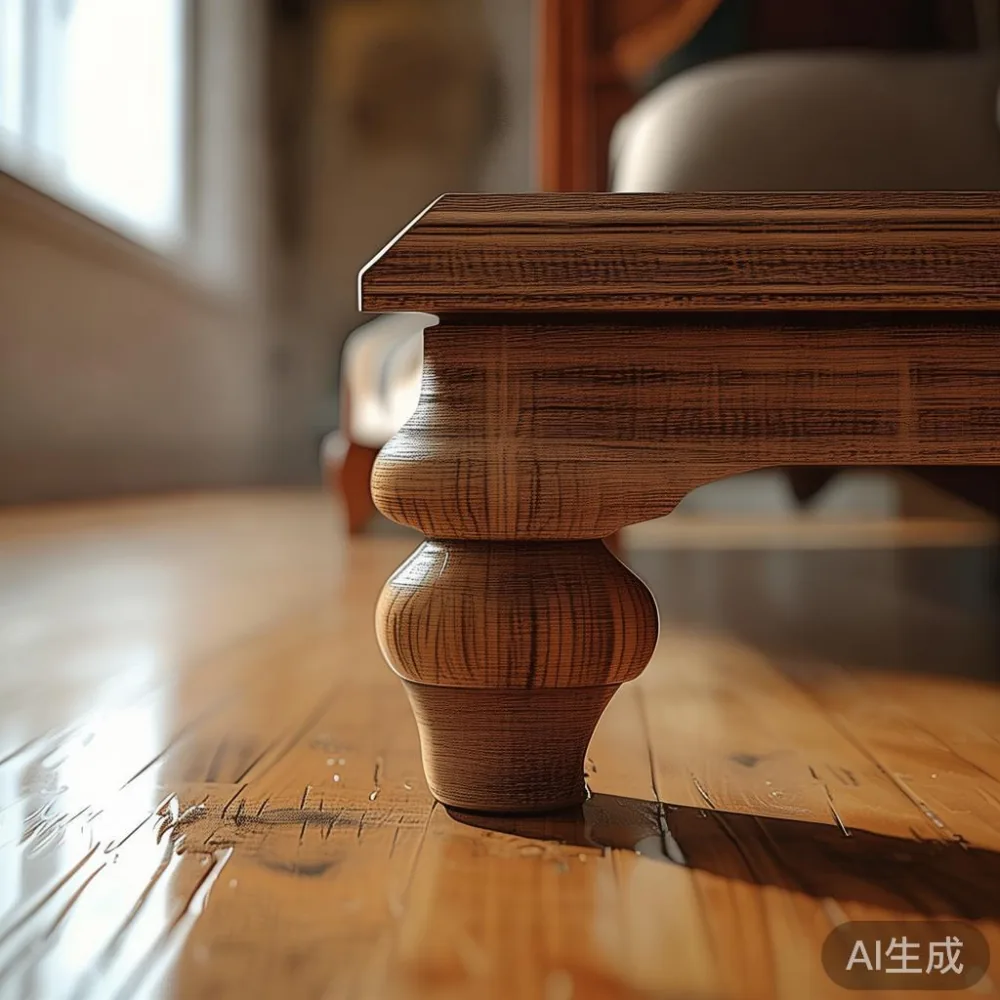
p>Equally important is the wood finish on the sofa's legs or frame. The wood finish is not just about colour; it's about protection and aesthetic. A high-quality wood finish involves multiple layers of lacquer or oil that protect the wood from scratches, moisture, and UV light. For a light luxury aesthetic, a matte or satin finish is popular as it looks modern and sophisticated. A high-gloss finish can look more traditional and formal. The type of wood also matters. Oak offers a prominent grain, while walnut has a smoother, darker appearance. The wood finish should be consistent across all wooden parts, indicating a high standard of craftsmanship and attention to detail.Light Luxury Sofa vs Italian Light Luxury Sofa: What's the Difference?
The term 'light luxury' refers to a design philosophy that emphasizes quality, comfort, and understated elegance without the extreme opulence of traditional luxury. When comparing a light luxury sofa to an Italian light luxury sofa, the differences often lie in design philosophy and price point. A general light luxury sofa, like a MIDHILL European light luxury sofa, might draw inspiration from various European styles, focusing on clean lines, premium materials, and a comfortable, inviting form. It represents accessible sophistication.
p>In contrast, an Italian light luxury sofa is typically characterized by a more pronounced design identity, often featuring bold silhouettes, innovative materials, and a focus on the 'Made in Italy' cachet. Italian design tends to be more avant-garde and sculptural. The price for an authentic Italian piece can be significantly higher, sometimes 30-50% more than a comparable high-quality sofa from other regions like Foshan. The choice between them depends on your personal style and budget. A light luxury sofa vs Italian light luxury sofa decision is about choosing between understated elegance and bold design statement.Logistics and Peace of Mind: Warranty and Returns
After you've found the perfect sofa, the final hurdle is the delivery and after-sales process. This is where a brand's reputation truly matters. For Singaporean customers, logistics are a key concern. Always confirm the delivery details: the cost, the estimated timeframe (e.g., 14-21 working days for international orders), and whether the service includes 'white glove' delivery, where the assemblers place the sofa in your room. Check if there are any additional fees for working through stairs or lift issues in your HDB block. A reputable company will offer transparent pricing and clear communication throughout the delivery process.
p>Perhaps the most important factor for a long-term purchase is the warranty. A structural warranty protects you against defects in the frame, springs, and other foundational components. A 10-year structural warranty, for example, is a strong indicator of the manufacturer's confidence in their product's durability. This is significantly longer than the standard 1-3 year warranties offered by many mass-market brands. Also, consider the refinishing policy. A lifetime refinishing warranty means that if the wood finish or upholstery fades or wears over many years, the company will refinish it for you, extending the life of your investment. Finally, a flexible return policy, such as a 14-day return window, provides a important safety net, allowing you to return the item if it arrives damaged or is not as described. For those looking to research further, you can explore options at midhill.co.