Solid Wood Furniture Prices: What Influences the Cost in Singapore
For those living in Singapore's HDB flats and condos, from the wide corridors of Tampines to the compact layouts of Punggol, choosing furniture is a practical art. It must fit the space, withstand the climate, and reflect a personal aesthetic. The price tags on solid wood furniture can range from SGD 800 for a simple nightstand to over SGD 10,000 for a custom dining table. This wide spectrum often leaves people wondering what they are truly paying for. Is it the wood? The craftsmanship? The brand? The answer lies in a complex interplay of factors that go far beyond the material itself. Understanding these elements allows you to make a more informed decision, ensuring your investment is a lasting one.
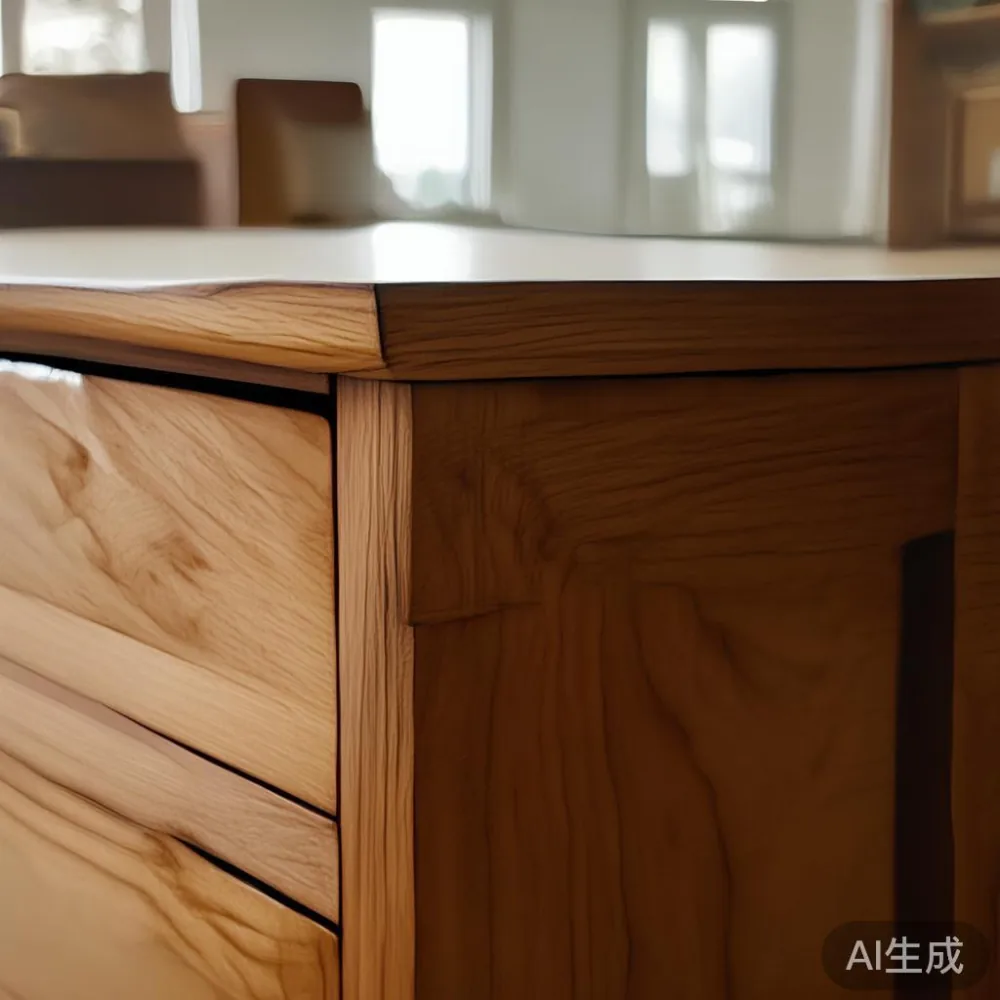
Is a Solid Wood Dining Table Really Just About the Wood?
At first glance, the primary driver of price seems obvious: the wood. A solid oak dining table will cost more than one made from rubberwood. However, the type of wood is just the starting point. The journey of that wood from a forest to your dining room in Singapore involves numerous steps that add significant value. The wood's origin, its grade, and the process it undergoes are all critical factors.
Consider the wood's origin. American white oak, for instance, is a premium choice known for its prominent grain and durability. A solid wood sofa made from American white oak will carry a higher price point than one constructed from a more readily available Southeast Asian wood like acacia. The cost includes import duties, shipping from across the Pacific, and the associated logistics. For a dining table measuring 180 cm x 90 cm, the raw material cost for high-grade oak can be a substantial portion of the final price, sometimes accounting for 30-40% of the total cost.
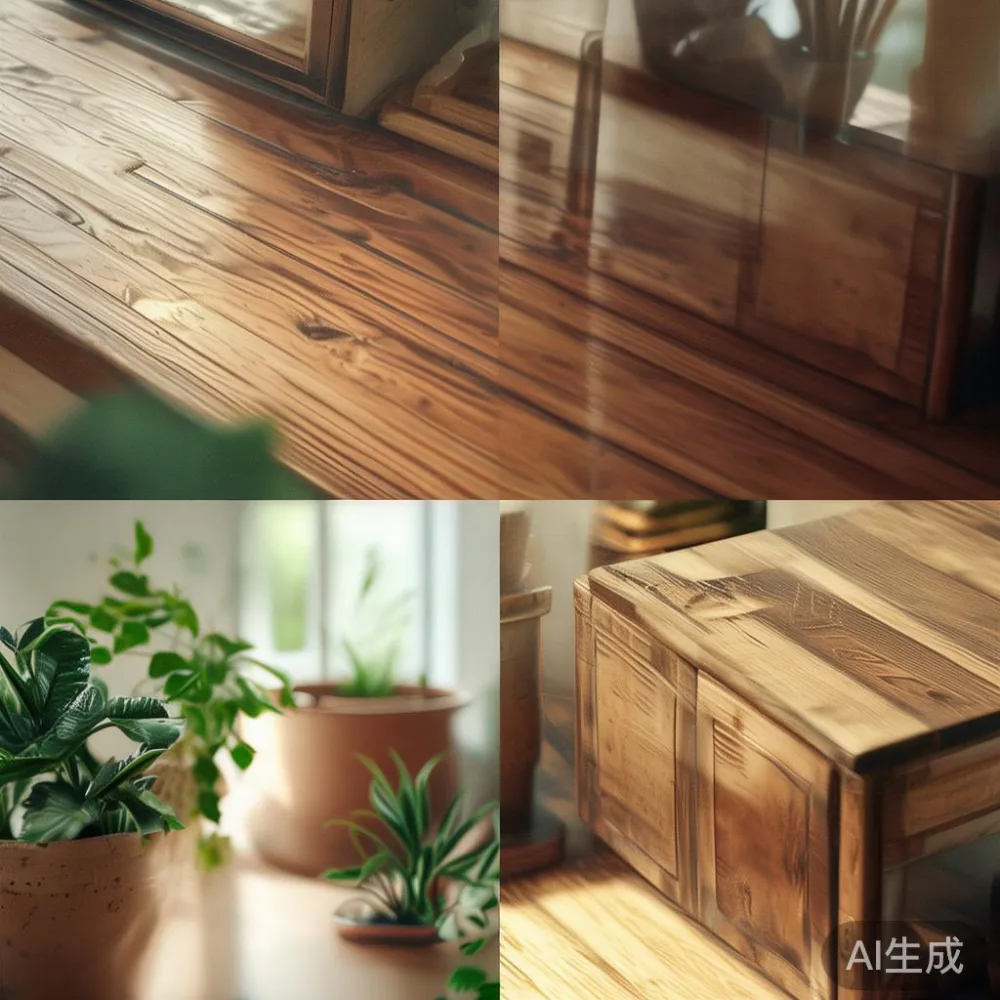
Equally important is the grade of the wood. Furniture is made from different grades of the same species, much like how diamonds are graded. 'Select' grade wood is clear, with minimal knots and a uniform grain. It is reserved for the most visible parts of a piece, like the tabletop of a dining table or the front panels of a wardrobe. 'Common' grade wood, which may have more knots, color variations, and character marks, is used for less visible structural components or in more rustic designs. A table made entirely from select-grade wood will command a higher price than one that uses common grade for its apron and legs.
The wood finish is another layer of cost. A high-quality wood finish is not just for aesthetics; it's a protective shield. It involves multiple coats of lacquer, oil, or wax, each applied by hand and sanded between layers. This meticulous process protects the wood from Singapore's high humidity, preventing warping and cracking. A superior wood finish can add weeks to the production time and significantly increase the cost, but it is what ensures your furniture looks beautiful for decades, not just a few years.
How Much Does Craftsmanship and Labour Actually Cost?
Once the wood is prepared, the human element takes over. The difference between a mass-produced piece and a handcrafted one is vast, and this is reflected in the price. The hours of skilled labour required to build a single piece of furniture are a major cost driver that is often invisible to the consumer.
Take a solid wood wardrobe as an example. A machine-made wardrobe might have its parts cut by a CNC machine with millimetre precision. The panels are then slotted together with simple dowels and screws. This process is fast and efficient, taking a few hours per unit. In contrast, a handcrafted wardrobe involves a carpenter using traditional joinery techniques like mortise and tenon or dovetail joints. These joints are stronger, more aesthetically pleasing, and require a high level of skill to execute. For a large wardrobe with five drawers and two doors, a master craftsman might spend 40-50 hours on construction alone. At an average labour rate, this translates to a significant portion of the final retail price.
The complexity of the design also dictates the labour cost. A simple, straight-legged nightstand is quick to make. A nightstand with curved legs, intricate inlays, and a dovetailed drawer is a completely different story. Each additional detail adds hours of skilled work. This is why you might see a post-modern light luxury nightstand priced at SGD 1,800, while a simpler, more minimalist design from the same wood might be SGD 900. The difference is in the labour and design complexity.
Last month, I visited a workshop in Foshan to see this process firsthand. I watched a team of artisans sanding a marble table top by hand for over two hours. They explained that any machine sander would leave micro-scratches that would show under the final polish. This level of attention to detail is what separates premium furniture from the rest and is a key reason for the higher price point.
Design, Style, and the 'Light Luxury' Premium
Design is an intangible value, but it has a very tangible impact on price. A piece of furniture is not just an object; it's a statement. The design's origin, its uniqueness, and the brand's philosophy all contribute to its cost. This is particularly evident in the light luxury segment, which has become incredibly popular in Singapore.
French light luxury, for example, is characterized by elegant curves, plush upholstery, and a sense of opulent comfort. A French sofa is often more expensive than a simpler design because it requires more complex upholstery work, higher-quality fabrics, and a more elaborate frame structure. The design itself carries a premium, reflecting a specific aesthetic that many consumers are willing to pay for. When you ask, is French sofa worth it?, you are paying for that curated design language and the feeling it evokes.
Similarly, American light luxury tends to favour grander scales, rich leathers, and a more relaxed, informal elegance. An American sofa is often larger and more substantial than its European counterparts. This leads to higher material costs and more complex manufacturing. The question of is American sofa worth it often comes down to whether the scale, comfort, and style align with one's living space and personal taste. The price reflects the boldness of the design and the quality of materials used to achieve it.
Compare this to a under 2000 Nordic furniture option. Nordic design is famous for its minimalism, clean lines, and functionality. The price is often lower not because the quality is less, but because the design is simpler and requires less intricate labour. This shows how style directly influences cost. A dining table from an Italian light luxury brand, for instance, might feature a sculptural base and a marble inlay, commanding a price of over SGD 8,000. The same table in a simpler, Scandinavian style might be available for under SGD 3,000. The difference is the design's complexity and the brand's positioning.
What About Brand, Warranty, and Hidden Costs?
When you buy furniture, you are not just buying a product; you are buying a promise. This promise is delivered through the brand's reputation, its warranty, and the services it provides. These factors add a layer of security and convenience that has a real cost.
A well-established brand like MIDHILL, which has been making furniture since 2008, has built a reputation for quality. This reputation is earned over years of delivering reliable products. A consumer pays a premium for this trust, knowing that the company will stand behind its furniture. This trust is formalized in the warranty. A 10-year structural warranty is a significant commitment. It means the manufacturer is confident that the joinery, frame, and construction will not fail for a decade. This level of assurance is a key part of the value proposition and is factored into the price.
Services like free shipping and returns are another component. In Singapore, delivering a large item like a solid wood bed frame or a wardrobe is a complex operation. It involves specialised vehicles, skilled movers who can work through HDB lift widths (typically 110 cm x 210 cm), and careful handling to prevent damage. Offering free shipping on orders over SGD 350 is a significant cost for the company, but it simplifies the purchase for the customer. A 14-day return policy also carries logistical and financial risk, as the item must be collected, inspected, and potentially resold. These services are not free; they are included in the price to provide a better customer experience.
There are also hidden costs that consumers might not consider. For example, a MIDHILL sofa might cost SGD 2,500. The delivery alone, if it were charged separately, could cost SGD 150-200. The assembly service, if needed, could be another SGD 100. When a brand bundles these costs into the price, it appears higher, but the out-of-pocket expense for the customer is often the same or even less than buying from a company that charges for every service individually.
How Do Singaporean Factors Like GST and Space Influence the Price?
The final price of furniture in Singapore is also shaped by local economic and spatial realities. The 9% Goods and Services Tax (GST) is a straightforward addition applied to the final price, making imported or locally made furniture more expensive. For a piece of furniture priced at SGD 5,000 before tax, the final cost to the consumer is SGD 5,450. This tax is a standard component of all retail prices in the country.
More uniquely, the physical constraints of Singaporean living spaces directly impact furniture design and, consequently, its price. The standard corridor width in an HDB flat is about 120 cm. A wardrobe that is too deep would block the passage. This means manufacturers must design wardrobes with specific depths, often between 55 cm and 60 cm, to fit these spaces perfectly. This customisation, even if minor, adds complexity to the manufacturing process and can increase the cost slightly compared to a standard, one-size-fits-all wardrobe.
The choice between a solid wood bed frame and a storage bed is another example. In a smaller bedroom in Bedok or Tampines, a bed with built-in drawers might be more practical than a simple platform bed. The added functionality of the storage bed requires more complex joinery and hardware, making it more expensive. A customer might pay an extra SGD 300 for a bed frame with drawers, but they are paying for the space-saving solution it provides.
When comparing different styles, local preferences play a role. A customer might deliberate between an American sofa vs Nordic sofa for their condo living room. The American sofa offers a sprawling, comfortable feel, perfect for large spaces, while the Nordic sofa is compact and understated, ideal for smaller apartments. The price difference isn't just about style; it's about the suitability for a specific environment. The American sofa might be priced higher due to its larger size and more substantial materials, while the Nordic sofa's price reflects its minimalist design and efficient use of materials.
Is a European Light Luxury Bed Really Worth the Investment?
After considering all these factors—material, labour, design, brand, and local context—we return to the original question: is a premium piece of furniture worth the price? The answer depends on your perspective and priorities. A European light luxury bed might cost SGD 6,000, while a simpler bed frame might be SGD 2,000. The question is not which is 'better' in an absolute sense, but which offers better value for you.
The value of a premium piece lies in its longevity and the experience it provides. A well-made bed frame with a superior wood finish will not warp or sag over the years. Its joinery will remain tight, and its aesthetic will endure. It becomes a long-term investment in your comfort and home. A cheaper bed might need to be replaced in 5-7 years, making the total cost higher over time. This is the concept of 'cost per year of use'. A SGD 6,000 bed that lasts 20 years costs SGD 300 per year. A SGD 2,000 bed that lasts 7 years costs SGD 285 per year. The numbers are close, but the quality and experience of the more expensive piece are often superior.
There is also the question of Italian light luxury for dining room sets. These pieces are often sculptural, using materials like solid wood, marble, and metal in innovative ways. They are designed to be the focal point of a home. The price reflects this artistic ambition and the masterful craftsmanship required to create it. For someone who values artistry and design in their daily life, this investment is justified. For others, a more functional and understated table might serve their needs perfectly.
Ultimately, the price of solid wood furniture is a composite of tangible and intangible values. It is the sum of the raw materials, the hours of skilled labour, the creativity of the design, the security of the warranty, and the convenience of local services. When you look at a price tag, you are seeing the culmination of a long and careful process. By understanding what drives that price, you can make a choice that aligns with your budget, your space, and your vision for your home, ensuring that your investment is one you will cherish for years to come.