What Actually Drives the Price of Solid Wood Furniture
The world of solid wood furniture is often perceived as a area of high price tags and even higher questions. For homeowners in Singapore, working through this market can feel particularly complex. Whether you're furnishing a compact 4-room HDB flat in Tampines or a spacious condominium in Punggol, the choice of solid wood is a significant one. The price range is vast, with a simple nightstand costing a few hundred Singapore dollars and a large, custom dining table running into many thousands. It's easy to assume that a higher price simply means 'better furniture', but the reality is far more nuanced. The cost of a piece of solid wood furniture is a composite of numerous tangible factors, each adding its own value to the final number. Understanding these elements is the key to making an informed investment that will last for decades.

Why Does a Solid Wood Sofa Cost More Than a Laminate One?
The most fundamental price driver for any piece of furniture, from a sofa to a wardrobe, is the raw material itself. Solid wood furniture is made from, as the name implies, solid planks of lumber. This contrasts sharply with engineered wood products like MDF (Medium-Density Fibreboard) or particleboard, which are in effect wood chips and resin pressed together. A solid wood sofa frame is typically carved from a single, substantial piece of timber or joined from high-quality, thick solid wood planks. This material is inherently more expensive. A single plank of high-grade oak or walnut can cost several hundred Singapore dollars, and a sofa frame requires multiple such planks, often weighing over 30 kg. Also, the type of wood is a major factor. Teak, known for its natural oils and durability, commands a premium price in Singapore, often costing 50-70% more than oak. This raw material cost forms the very foundation upon which the rest of the price is built.
The Craftsmanship Behind the Wood Finish
Raw wood is just the beginning. The transformation from a rough-hewn plank into a beautiful, functional piece of furniture is where significant value is added. This process is known as craftsmanship, and it is a labour-intensive art. A skilled carpenter in Foshan might spend 40 hours hand-sanding a single dining table to achieve a perfectly smooth surface before any finish is applied. This meticulous process ensures there are no splinters or imperfections. The joints are another critical area. A high-quality wardrobe will feature dovetail joints on its drawers, a method that interlocks the wood pieces for superior strength and longevity. These joints are cut by precision machinery but require expert setup and assembly. The quality of this workmanship directly impacts the structural integrity and lifespan of the furniture. A poorly constructed piece may warp or loosen over a few years, while a well-crafted item, like those from a maker established in 2008, is built to last, which is why a 10-year structural warranty is a standard offering for quality brands.

What is the True Cost of a Custom Wood Finish?
While standard finishes are common, the option for a custom wood finish is a significant price influencer. A standard finish might be a clear lacquer that shows the wood's natural grain. A custom finish, however, involves a multi-step process to achieve a specific aesthetic. This could include a stain to alter the wood's colour, a glaze to add depth to the grain, and a specific topcoat like a hand-rubbed oil or a durable polymer sealant. Each step adds labour and materials. For example, achieving a French light luxury aesthetic on a marble table might involve a special whitewash and distressing technique that adds 15-20 hours of labour to the production time. The choice of finish also affects durability. A post-modern light luxury finish might use a high-gloss, UV-cured polymer that is highly resistant to scratches and fading, but the application process requires specialised equipment and expertise. This level of customisation and protection is a key reason why two seemingly similar dining tables can have a price difference of SGD 1,500 or more.
How Singapore's Living Spaces Impact Furniture Dimensions and Price
Local context plays an undeniable role in pricing. Singapore's housing, from HDB flats in Bedok to condos in Punggol, dictates specific size requirements. A standard wardrobe for a Singapore bedroom must be designed to fit within common corridor and lift dimensions. A wardrobe that is too wide might not fit through the door of a 4-room HDB flat. This means manufacturers must create products with precise dimensions, often down to the centimetre. A standard wardrobe might be 240 cm wide, 60 cm deep, and 220 cm tall. This precision requires accurate cutting and assembly, adding to the cost. Also, the Goods and Services Tax (GST) in Singapore is 9%, which is added to the final price. A solid wood bed frame priced at SGD 3,000 will have an additional SGD 270 in GST. Delivery is another factor. While free shipping is offered on orders over SGD 350, smaller items or custom pieces may incur a delivery fee. For a large item like a European light luxury TV console, a professional delivery service might charge SGD 80 to ensure it is manoeuvred through tight corridors and up to the correct floor without damage. These logistical realities are factored into the final retail price.
Real-World Experience: The Price of a Nightstand
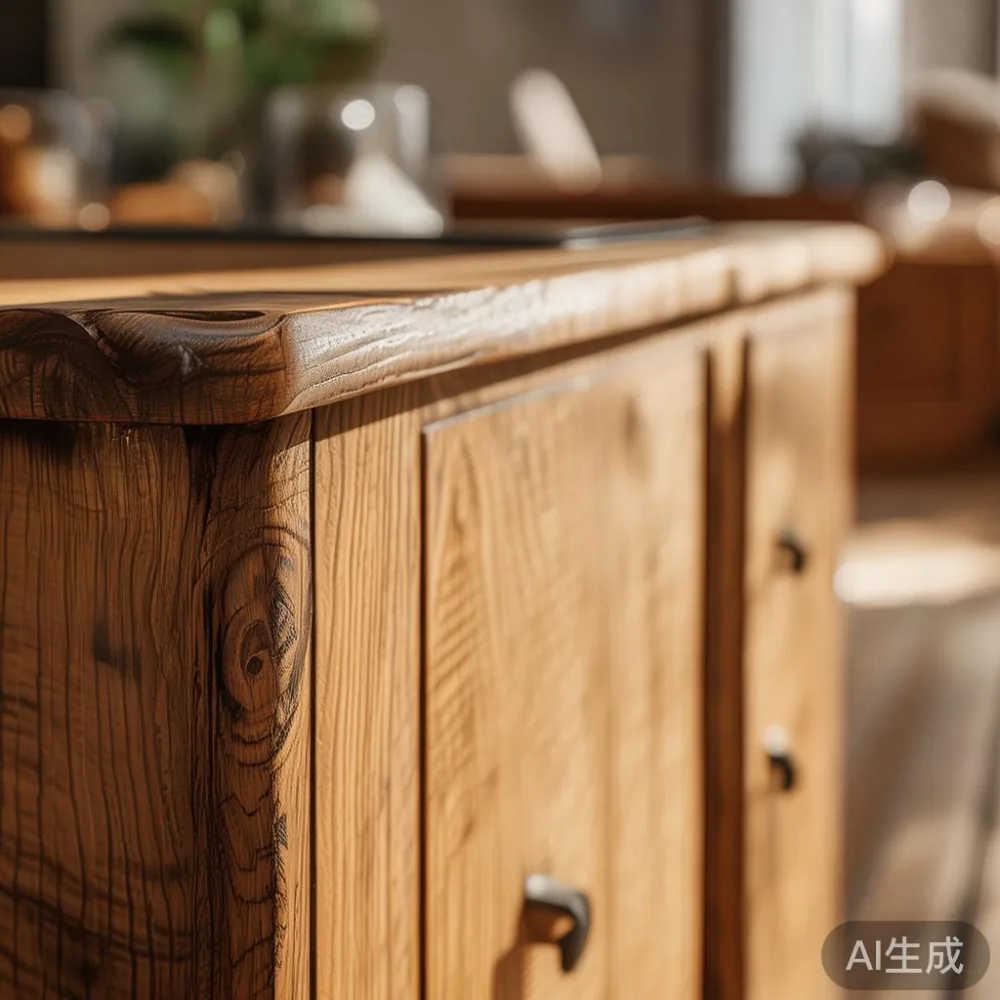
To put these factors into perspective, let's look at a real-world example. Last month, my colleague was shopping for a nightstand for her new condo in Punggol. She found two options online. The first was a mass-produced piece made of oak veneer over an MDF core, priced at SGD 189. The second was a solid oak nightstand from a specialist maker, priced at SGD 580. The price difference seemed enormous, but a closer look at the details explained it. The solid oak nightstand was made from a single, solid plank of oak for its top, weighing approximately 8 kg. The drawer featured dovetail joints and ran on full-extension ball-bearing slides. The wood finish was a hand-applied oil and wax finish that required three coats and a week to cure properly. The veneer nightstand, in contrast, had a thin layer of oak glued to a particleboard base, and its drawer had simple butt joints and plastic runners. The craftsmanship, material quality, and durable wood finish of the solid wood piece justified its higher price, representing a long-term investment rather than a short-term purchase.
Is a Japanese Bed Worth It Compared to a European Bed?
The choice of style and origin also contributes to price. A question often asked is: is Japanese bed worth it when compared to a European bed? The answer lies in the design philosophy and materials. A traditional Japanese bed frame, or *futon* bed, is typically low to the ground, made from light woods like ash or beech, and focuses on simplicity and minimalism. This design uses less material and is often less labour-intensive to produce, making it a more affordable option. A European bed, on the other hand, often features more elaborate designs, higher headboards, and may incorporate materials like marble or premium upholstery. A European bed vs Nordic bed comparison shows a similar dynamic. The Nordic style, like the Japanese, often values clean lines and natural wood, but it may use thicker, more solid timber for a more substantial feel. The price difference isn't necessarily about quality but about design complexity, material choice, and the specific aesthetic being achieved. For a Modern for guest room look, a simpler, lower-cost option might be perfectly suitable, whereas a primary bedroom might warrant the investment in a more detailed and substantial piece.
Long-Term Value: The Cost of Ownership
When evaluating the price of solid wood furniture, it's important to consider the long-term cost of ownership. This is where the initial investment pays off. Solid wood furniture is incredibly durable and can be refinished multiple times over its lifespan. A well-made solid wood dining table can be sanded down and refinished every 10-15 years, looking as good as new. This is a service that many quality brands offer, often referred to as a lifetime refinishing guarantee. This means a piece of furniture bought for SGD 4,000 today could potentially last for 50 years or more, with the ability to be refreshed at a fraction of the cost of replacing it. In contrast, a laminate or veneer piece has a limited lifespan. Once the surface is scratched or the veneer peels, it cannot be repaired and must be replaced. Over a 30-year period, buying three cheaper pieces might cost more than investing in one high-quality, solid wood item. This long-term perspective is key to understanding the true value proposition. For example, finding the best Nordic wardrobe for 2026 means choosing one that will not only look good next year but can be adapted or refinished in a decade, making it a timeless piece.
Where to Find Quality Solid Wood Furniture in Singapore
For Singaporean consumers seeking to invest in quality solid wood furniture, the options are varied. High-end local showrooms in areas like Tanglin or Scotts Road offer curated collections, often with price tags to match. Online retailers provide a wider range of styles and price points, from mass-market brands to specialist importers. It's important to look for brands that are transparent about their materials and construction methods. A reputable seller will provide details on the type of wood used, the joinery techniques, and the type of wood finish applied. They should also offer clear warranties, such as a 10-year structural warranty, which speaks to their confidence in their product's craftsmanship. When considering a large piece like a solid wood sofa or a wardrobe for a small living room, it's wise to check the exact dimensions against your space. Many online stores, including those at www.midhill.co, provide detailed specifications in centimetres and even weight information to help you plan your purchase and delivery. This level of detail helps ensure the furniture you buy will fit perfectly in your home, whether it's an HDB flat or a condominium.