Understanding Solid Wood Furniture Costs in Singapore
Solid wood furniture is often described as timeless, substantial and durable, but those words do not explain the final price tag. A dining table may retail for SGD 680 or SGD 4,800. A wardrobe may cost SGD 720 or SGD 3,600. The difference usually comes from the timber species, the grade of the boards, the joinery, the finish, the dimensions and the amount of labour involved before the piece reaches your Singapore home.
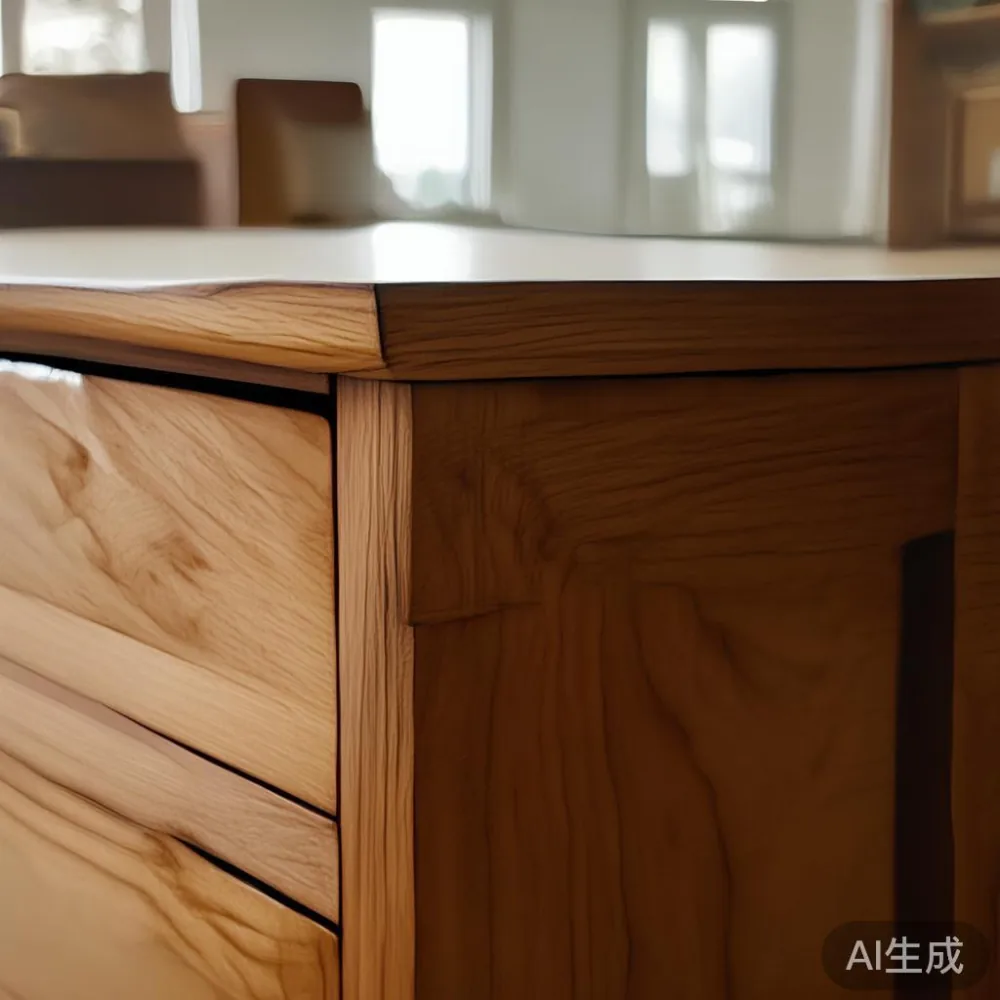
That distinction matters in HDB flats and condos across Tampines, Bedok and Punggol. A 220 cm solid wood dining table can look generous in an open-plan living room but can be difficult to manoeuvre through a 90 cm doorway or around a tight lift. Conversely, a compact 140 cm table with a carefully selected wood finish may fit a dining zone more comfortably while still providing room for six when needed.
This guide explains what actually drives the price of solid wood furniture, where shoppers often notice meaningful differences, and where a higher figure can represent genuine value rather than decoration. It also considers why Italian light luxury for apartment living does not always require oversized European silhouettes or extravagant marble.
Is European bed worth it for a Singapore bedroom?
The question “is European bed worth it?” has a practical answer for many Singapore households. A European-style bed frame can suit a compact bedroom because its visual language is often restrained: straight lines, low profiles and simple centres. A queen bed measuring 160 cm by 200 cm needs about 220 cm of wall length for a conventional headboard, while a 180 cm by 200 cm king frame benefits from at least 240 cm of wall length. Check the wall, skirting board and socket positions before ordering.
The material matters more than a country label. Solid oak, solid ash and solid rubberwood respond differently to humidity, movement and daily use. A kiln-dried frame with mortise-and-tenon or dowelled structural joints, supported by a centre rail and properly spaced slats, is a more useful starting point than “European” printed on a box. For HDB bedrooms, consider a bed frame with a 12-15 cm headboard, shallow depth under 210 cm and removable side components if the lift is narrow.

My colleague bought a visually similar bed from a showroom last year. After 14 months of daily use, one side had developed a noticeable twist while the slats remained straight. Inspection showed a lightly assembled frame with short dowels and particleboard connector boards. A comparable MIDHILL solid wood bed frame with a 10-year structural warranty offered clearer accountability. The two designs looked similar from 2 metres away, but the hidden construction explained the price difference.
For a queen bed, expect roughly SGD 1,100-SGD 2,600 for a well-made solid wood frame, depending on species, finish and joinery. More elaborate versions with shaped headboards, thicker rails and matching nightstands can reach SGD 3,500. The finish should be described accurately, including sheen level, coating type and maintenance expectations.
Why does solid wood cost more than engineered wood?
Solid wood is cut from solid timber boards, while engineered wood uses veneers, fibres or chips bonded with adhesives. Neither is automatically right for every room. Engineered panels can offer dimensional stability and lower weight; solid wood can be repaired, sanded and refinished. Those benefits influence the initial price.
Species creates the first large price divide. Rubberwood and pine are usually more affordable. Ash, beech, walnut and oak sit at different price points depending on grade, thickness and origin. Colour is not enough to identify timber. A “walnut finish” may be applied to pale wood, while a solid walnut table uses darker boards throughout. Ask whether all visible surfaces are solid timber and request the species under the finish.
Board width also changes the price because wide boards are scarcer and harder to source. For a dining table, a top around 40-45 mm thick in 25-35 cm boards can carry daily family meals without looking excessively blocky. A 30 cm-wide top made from many narrow strips may require more glue and more careful alignment. In a light-luxury scheme, matching grain direction across the top and edges can justify a higher figure because the table reads as one considered object.
Weight provides a rough clue. A 180 cm by 90 cm dining table may weigh 45-75 kg in solid wood. The delivery team should confirm whether the set arrives assembled or in sections. A 75 kg table split into two transportable parts is easier to move through a condo corridor than one intact slab. Secure the lift with a 4-hour booking and measure both the lift car and the turning space near the entrance.
How much do joinery, hardware and handwork add?
Joinery is one of the clearest reasons two solid wood dining tables can differ by SGD 1,000 or more. Mortise-and-tenon joints interlock and resist movement better than a simple butt joint held mainly by screws. Drawer dovetails cost more to cut than screws and dowels because each joint must align accurately. Hidden steel fasteners may also increase the price while improving serviceability.
Hand finishing is another factor, although “handmade” should not be used as a substitute for specifications. Sanding a broad tabletop through several grit levels, filling minor pores and applying several coats of finish can add many hours to a 200 cm table. Machine sanding followed by careful hand preparation can produce an excellent result. The relevant questions are how many coats were used, which coating was selected, whether edges were treated and what care the surface requires.
Hardware is often a small line item in appearance but a meaningful one in daily performance. A wardrobe may use 4-6 soft-closing hinges, 2 full-extension runners and adjustable shelf supports. A solid wood bed frame may use 10-12 bolts, a centre support leg and multiple slat clips. Quality hinges can add approximately SGD 40-SGD 120 per cabinet before installation. Dovetail drawer boxes can add SGD 80-SGD 250 per drawer in labour alone.
Look for tolerances rather than dramatic claims. Drawer sides should sit square, cabinet doors should align within about 2-3 mm, and bed joints should close without visible gaps. In American light luxury furniture, you often see generous proportions, upholstered touch points and carefully detailed hardware. In post-modern light luxury, geometric forms and mixed materials create contrast. Those aesthetics influence the labour, but construction still determines whether the piece works well in a 9 m² bedroom or beside a 2.7 m lift.
Why does the wood finish affect the price?
The wood finish does more than change colour. It protects the surface, controls sheen and affects repairability. A clear matte finish suits contemporary homes and shows less of fingerprints than gloss. A warm oil finish brings out grain depth but may require periodic maintenance. Lacquer creates a smoother, more uniform surface and can be easier to wipe clean. Water-based coatings generally have lower odour, while oil-based finishes may build a richer tone.
Coating quality and preparation have a direct cost. Applying one thin coat to a poorly prepared table is inexpensive. Preparing the timber, sealing end grain, filling pores and applying 3-5 properly worked coats takes longer. The finish should cover all faces and edges, especially the underside and table joints, because Singapore’s humidity can encourage movement around exposed areas.
Colour matching also matters. A neutral tan finish is usually simpler than a smoked, fumed or strongly oxidised treatment. Custom stain development can add SGD 80-SGD 250 to a small order. French light luxury often favours pale oak, cream and warm natural tones, while post-modern light luxury may combine walnut, black metal and stone. A restrained palette can reduce the need for complicated finishes without making the furniture feel plain.
Ask for a maintenance sample and a close-up photograph in neutral daylight. Dark finishes reveal dust, scratches and uneven sheen more clearly. White and pale finishes can show yellowing depending on the coating. A good wood finish specification names the sheen, system, number of coats and expected care interval. For example, a satin water-based finish with 4 coats and a 12-month care check is more useful than simply stating “premium finish”.
What is the real cost of a solid wood sofa?
The frame of a solid wood sofa may represent only part of its price. Upholstery foam density, spring construction, fabric or leather, cushion count and decorative stitching can cost more than the timber frame. A three-seat sofa with a kiln-dried hardwood frame, high-resilience foam, removable covers and eight-way hand-tied springs can cost more than a larger sofa built with lighter internal materials.
Measure before comparing widths. A 220 cm sofa needs a clear wall span of at least 240 cm for practical placement, while a 200 cm model can fit into a narrower living room. HDB living rooms often include a television console, air-conditioning zone and circulation path. Keep at least 75-90 cm between major furniture pieces where possible, and allow space for drawers or cabinet doors to open.
A light blue luxury sofa can brighten a neutral room, but pale upholstery shows dust, pet hair and transfer from dark clothing. Confirm abrasion ratings, fabric composition, seam placement and cleaning guidance. A performance weave rated for 30,000 double rubs is generally suited to regular family use, while a delicate bouclé may prioritise appearance and require more careful handling.
The comparison between light luxury sofa vs Nordic sofa often comes down to form as much as material. Nordic styles tend towards pale timber, rounded or tapered profiles and visual simplicity. Light luxury may introduce deeper upholstery, layered fabrics, sculptural arms and more decorative stitching. Both can work in an HDB flat. The higher price is reasonable when the frame, comfort system and surface quality are visibly different, not merely because a looser cushion has been added.
For a three-seat solid wood sofa, prices may range from about SGD 1,700 for a simpler upholstered frame to SGD 5,500 or more for advanced springing, premium fabric and detailed timber work. A marble table may add SGD 900-SGD 3,500, depending on whether the top is genuine marble, the thickness is 15-20 mm, and the base is solid wood or metal.
How do wardrobe and nightstand pricing work?
A wardrobe price depends on usable internal organisation and door construction as much as its external wood. A 180 cm-wide wardrobe with hanging space, 5-6 shelves, 3 drawers and a hanging rail may use more timber than a wider but sparsely fitted unit. Adjustable shelving and rear ventilation gaps help clothing remain in better condition in humid weather.
Door systems change both the price and the footprint. Hinged doors are economical in production but need roughly 55-65 cm of clearance when open. Sliding doors save space but may use more board area and require careful track alignment. A 240 cm sliding wardrobe may cost SGD 1,900-SGD 4,000, while a comparable hinged unit with fitted drawers can range from SGD 1,600-SGD 3,600.
For Tampines and Bedok HDB bedrooms, a wardrobe placed opposite a bed door can block access if drawers are not planned. Measure the door swing, skirting and nearby sockets before finalising. A 45-55 cm deep wardrobe is often sufficient for standard hanging lengths, while 60 cm can accommodate deeper garment sections.
A nightstand can cost SGD 220-SGD 650 in solid wood. Check drawer travel, whether the back is closed, cable access and the stability on carpet. Low units from 45-55 cm high suit compact rooms, but a sofa with a low seat may require a taller side surface. MIDHILL designs in this category benefit from clear dimensions because small errors are easy to overlook online.
What do delivery, GST and after-sales service add?
Delivery is part of the real purchase cost in Singapore. A lift or corridor problem may require additional crew, disassembly or a longer carrying route. A 60 cm-wide coffee table with sharp corners needs more protection than a flat, compact nightstand. Ask the seller for the packed dimensions and gross weight, not only the product dimensions.
Standard delivery to many Singapore addresses may take 7-14 working days, while made-to-order pieces can take 30-60 days. A production update every 7 days is reasonable. If a piece arrives with damaged corners, photograph the packaging before accepting it. Clear policies for replacement parts, returns and refinishing reduce the risk of an expensive mistake.
GST should be shown clearly at checkout. A SGD 2,000 product before GST becomes SGD 2,180 with 9% GST. No hidden delivery charge should appear after payment. Free delivery over US$350 is useful for international customers, but a Singapore buyer should still request the local landed price, including GST, installation and lift charges.
After-sales support is often where factory-direct sellers differ. MIDHILL was established in 2008 and exports to more than 15 countries. Its 10-year structural warranty gives buyers a defined remedy for qualifying frame failures, while lifetime refinishing can restore the surface rather than replace the whole piece. A 14-day return window also allows enough time to inspect scale, finish and fit, although certain made-to-order items may have specific conditions that should be checked before ordering.
How can Singapore buyers compare value without chasing a low number?
Compare the specification behind the price. For a dining table, note the species, top thickness, board width, base construction, joint method, finish system and packed dimensions. For a bed frame, ask about the slat spacing, centre support, fastener type and headboard construction. For a wardrobe, examine hinge and runner brands, internal clearances, back panels and drawer joints. These details reveal whether the price reflects material, labour or simply a larger retail margin.
Samples can prevent expensive mismatch. Many Singapore showrooms display veneer, solid wood and hardware samples under showroom lighting, which can differ from daylight at home. Request a physical finish sample where possible, then view it near a window. Keep one large wall area free when the furniture arrives so a piece can be repositioned during the first 7 days.
Some design terms are more useful than national origin claims. Searching for cheap European light luxury furniture may lead to assembled pieces, veneer surfaces and bonded panels marketed with European styling. By contrast, modern light luxury furniture works well when the timber grade, joinery and finish are transparent. Italian light luxury for apartment living can also mean restrained joinery, refined proportions and excellent surfaces rather than the largest possible dimensions.
A sensible buying rule is to reserve about 65-75% of the budget for the main piece and 25-35% for practical additions such as a nightstand, dining chairs, delivery and installation. In a new condo, this can be spread over 2 purchases across 4-6 months. In an HDB renovation, coordinate delivery with the flooring and painting schedule, then allow 2-3 days for final placement and minor adjustments.
Solid wood furniture earns its price when the timber is properly identified, the structure is built to resist movement, the finish can be maintained and the dimensions suit the home. The species may set the baseline, but joinery, hardware, surface preparation and service determine whether the final cost makes sense. That is the difference between an attractive object on a listing and furniture designed to remain useful year after year.